TL;DR:
- Modern fashion is deeply rooted in West African textile heritage, connecting clothing to history, identity, and community. Ethical engagement requires recognizing, collaborating with, and crediting artisans to ensure cultural respect and preservation. Transparency and storytelling empower consumers to make meaningful, responsible fashion choices that support living traditions.
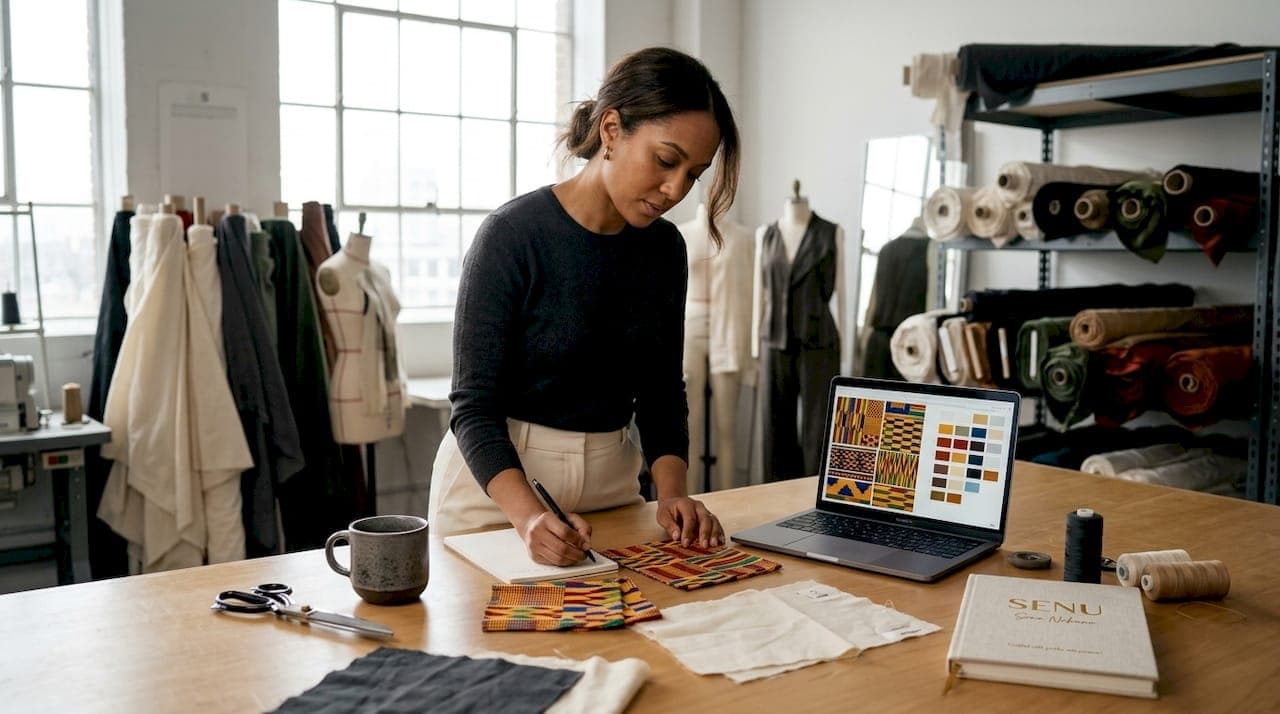
Picture a gown gliding down a Paris runway, its bold geometric shapes and golden threads catching every camera flash. The crowd calls it avant-garde. What they may not realize is that every pattern on that gown draws directly from Kente cloth woven by Ghanaian artisans for centuries, a textile that once dressed kings and marked sacred occasions. This is the quiet power of West African heritage in modern fashion: it is not a trend borrowed for a season, it is a living legacy that shapes how we dress, how we feel, and who we choose to support with our spending.
Table of Contents
- Tradition as a foundation for bold, modern fashion
- The ethics of cultural appreciation vs. appropriation in fashion
- Transparency and origin storytelling: What modern consumers expect
- How to wear tradition: Empowerment, expression, and ethical choices
- Why the most powerful statement pieces come from radical transparency
- Explore ethically inspired statement fashion rooted in West African heritage
- Frequently asked questions
Key Takeaways
| Point | Details |
|---|---|
| Tradition powers modern design | West African textiles and techniques provide inspiration and depth to today's most impactful statement pieces. |
| Ethics drive true appreciation | Crediting, collaborating with, and benefiting origin communities distinguishes appreciation from appropriation. |
| Transparency is essential | Recognizing origins and sharing stories is now expected by ethical shoppers and empowers both wearer and maker. |
| Empowerment through choice | Choosing brands with authentic roots and clear credit amplifies style while making a positive impact. |
Tradition as a foundation for bold, modern fashion
West African textiles are not simply decorative. They carry meaning, history, and identity in every thread. Kente, with its vibrant interlocking geometry, was historically reserved for royalty among the Akan people of Ghana. Ankara, the bold printed cotton so widely loved today, became a canvas for self-expression across the continent. Adire, the Yoruba indigo resist-dye technique, translates centuries of craftsmanship into breathtaking pattern. These textiles are the bedrock upon which today's most exciting designers build.
Contemporary designers are doing something extraordinary: they are taking the structural soul of these fabrics and giving them a new voice without silencing the original. Sadia Sanusi is giving Kente couture a contemporary touch by fusing the cloth's rich geometric language with modern tailoring techniques, including sculpted shoulders, fluid draping, and architectural silhouettes that honor the fabric's royal roots while speaking to women today. The result is not imitation and it is not nostalgia. It is evolution.
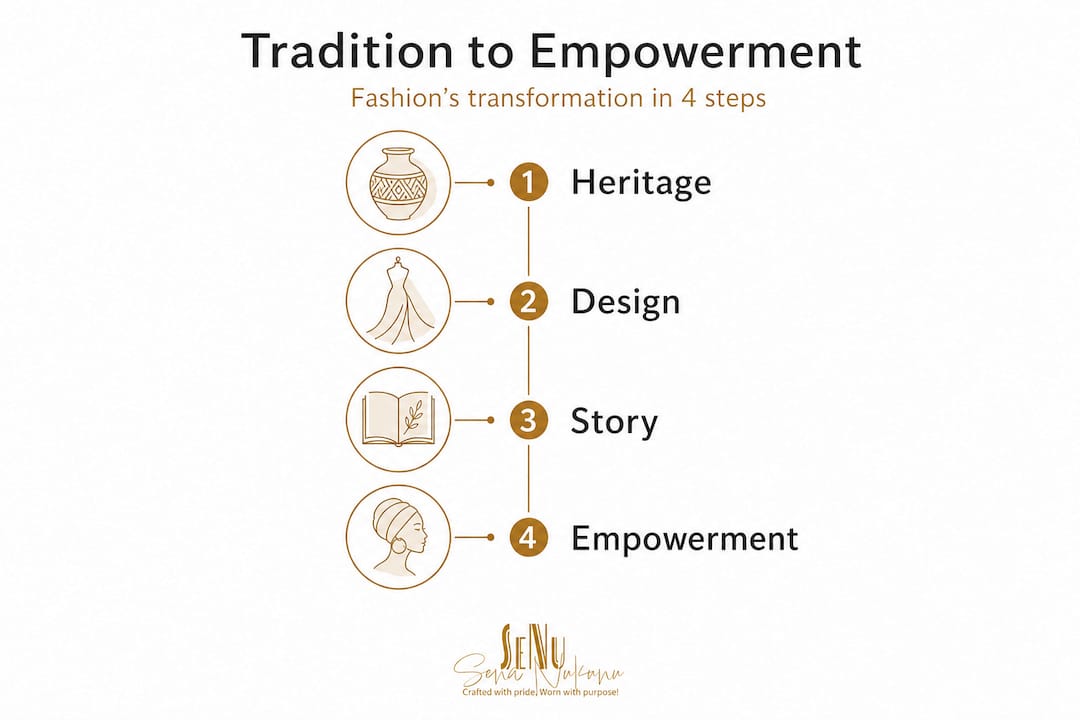
This approach to authentic fashion statements is redefining what luxury looks like. Hand-applied beadwork, carefully sourced from artisan communities, signals a level of care and intentionality that fast fashion simply cannot replicate. When a garment takes days or weeks to construct by skilled hands, it carries weight, both literally and emotionally.
| Traditional textile | Origin | Modern application |
|---|---|---|
| Kente | Ghana (Akan people) | Couture gowns, structured blazers |
| Ankara | West Africa (widely) | Wrap dresses, co-ord sets |
| Adire | Nigeria (Yoruba people) | Draped blouses, statement skirts |
| Kuba cloth | Congo Basin | Textured jackets, statement bags |
What does wearing these pieces actually do for you? Quite a lot, it turns out:
- It connects you visibly to a lineage of resilience and artistry
- It signals conscious consumption to those around you
- It supports the hands and communities who keep these traditions alive
- It tells a story that no mass-produced garment ever could
Pro Tip: When shopping for modern West African style, look for pieces where the brand explains the specific textile origin and artisan involvement. That transparency is your first signal of authenticity.
The ethics of cultural appreciation vs. appropriation in fashion
With tradition anchored in creativity, it's vital to address the responsibilities that come with cultural influence. The conversation around cultural appreciation versus cultural appropriation is one of the most important in fashion today, and it deserves more than a surface glance.
Cultural appreciation is active and respectful. It involves learning, crediting, and collaborating. It means a designer does not just take the visual of an Adire pattern and print it on a fast-fashion polyester dress. It means they seek out Yoruba artisans, understand the dye process, share the story publicly, and ensure the community benefits. Appreciation asks: who taught me this, and how do I give back?
Cultural appropriation, on the other hand, is extraction. It strips a design or technique from its cultural context, often profiting from aesthetics while the originating community remains uncredited and uncompensated. Cultural appropriation in fashion is defined by credible ethical frameworks as the use of cultural elements without attribution or meaningful involvement of origin communities, prioritizing aesthetics over understanding or respect.
"The measure of appreciation is not how beautifully you wear a culture's art. It is whether the people who created that art are seen, credited, and supported in the process." This principle should sit at the center of every design decision and every purchase you make.
The distinction matters enormously for the future of fashion. When meaning is stripped from a motif, that motif loses its power over time. Kente does not just look a certain way; it communicates social status, occasion, and identity in specific color combinations. A designer who uses it without that knowledge produces something hollow, no matter how visually striking.
Here is a practical checklist for identifying ethical engagement with cultural fashion:
- Recognition: Does the brand explicitly name the culture, textile, and community of origin?
- Collaboration: Are artisans or community members directly involved in design or production?
- Credit: Is the cultural source prominently featured in marketing, not buried in fine print?
- Benefit: Does any portion of the revenue return to the originating community or support its artisans?
- Education: Does the brand help consumers understand the significance of what they are wearing?
For a deeper look at meaning and ethics in fashion, these five points form the backbone of a truly ethical approach. Every element of culture-inspired fashion should be grounded in this kind of intentionality.
Transparency and origin storytelling: What modern consumers expect
Ethics guide creation, but how are these principles communicated to you, the consumer? The answer lies in transparency and origin storytelling, two practices that separate brands with integrity from brands with only aesthetics.
Today's fashion consumers are more informed and more demanding than any previous generation. They want to know who made their clothes, where the fabric came from, and how the artisans were compensated. This is not just a niche concern for activists. It is a mainstream expectation, particularly among women who see their wardrobe as an extension of their values.
The consequences of failing this expectation can be severe. When global brands market traditional designs without referencing their cultural roots, the response is swift and public. A well-documented attribution controversy involving a luxury label's use of a traditional Indian Bandhani technique illustrates how consumers and communities respond when origin stories are omitted. The brand faced significant criticism for presenting a technique with centuries of cultural weight as simply a "print," erasing the Indian craftswomen behind it entirely.
| Brand behavior | Consumer perception | Long-term impact |
|---|---|---|
| Full origin storytelling | Trust, loyalty, emotional connection | Repeat customers, word-of-mouth growth |
| Partial transparency | Skepticism, occasional praise | Inconsistent engagement |
| No attribution | Criticism, boycotts, public controversy | Reputational damage |
| Active community collaboration | Deep respect, advocacy | Brand ambassadors within communities |
So how do you, as a conscious shopper, identify brands that get this right? Here is a straightforward process:
- Read the "about" page carefully. Ethical brands almost always tell a founding story that centers the community or heritage they draw from.
- Look for artisan profiles. Brands committed to transparency introduce the people behind the work, not just the finished product.
- Check the language used around cultural elements. Vague terms like "tribal print" or "exotic pattern" are red flags. Specific naming like "Kente cloth from the Akan tradition" signals care.
- Search for any evidence of community partnerships. This might appear in blog posts, social media, or impact reports.
- Notice how products are priced. Extremely low prices for hand-crafted, artisan-made pieces often signal that someone in the supply chain is being undervalued.
Brands that practice what we might call radical fashion storytelling build something money cannot easily buy: genuine trust. When a brand invites you into the full story of a garment, from the field where the cotton grew to the hands that shaped it to the tradition it honors, you are not just buying a piece of clothing. You are becoming part of a living narrative. This is what separates craftsmanship in fashion from mere production.
How to wear tradition: Empowerment, expression, and ethical choices
Armed with these insights, here is how you can actively shape the future of fashion through your choices. Wearing tradition-infused modern pieces is an act of empowerment, and the way you choose, style, and speak about these garments matters.
Empowerment begins before you even put the garment on. It starts with the decision to seek out pieces that have documented origins, where you can trace the fabric, the technique, and the artisan community. This act of intentional selection is not a burden; it is a form of agency. You are voting with your spending, and your vote shapes what the fashion industry produces next.
Here is a step-by-step approach to wearing tradition with purpose and confidence:
- Learn before you wear. Spend five minutes reading about the textile or technique featured in a piece before you style it. Understanding what Kente's color combinations historically signified, for example, transforms how you wear and speak about it.
- Choose brands with explicit ethical commitments. Support designers who collaborate with origin communities, pay fair wages, and use limited-quantity production that values quality over volume.
- Style with intention, not just aesthetics. Pair statement pieces with your own story. Wear a bold Ankara set to a work presentation. Let your clothing open conversations about culture, craft, and identity.
- Speak up when you wear it. If someone compliments your outfit, take the moment to share where it came from and what it represents. You become an ambassador for ethical fashion empowerment every time you do.
- Support the ripple effect. Understand that your purchase has fashion's social impact well beyond your closet. It supports artisan livelihoods, preserves techniques that might otherwise disappear, and signals to the broader market that consumers value ethical production.
Pro Tip: The "recognition, collaboration, credit" framework from ethical fashion guidelines is not just for designers. Use it as a personal checklist when shopping. If a brand cannot answer yes to all three, keep looking.
Authentic storytelling in brands is not a marketing feature; it is the foundation of meaningful connection. When you read the story of an artisan behind a hand-stitched jacket, you feel a genuine sense of partnership with her work. That feeling is what keeps you returning, and it is what makes the piece feel irreplaceable in your wardrobe.
Why the most powerful statement pieces come from radical transparency
We want to share something we believe deeply, even if it challenges the way fashion is often discussed. The true power of a statement piece has almost nothing to do with how it photographs. It has everything to do with what you know about it.
Surface-level nods to tradition are everywhere right now. You can find mass-produced fabrics printed with Ankara-inspired patterns in chain stores on every continent. They look vibrant. They are affordable. But something essential is missing from them, and many women who wear them sense it without being able to name it. What is missing is radical transparency, the full, honest, public commitment to honoring the people and places behind the design.
We believe that the most empowering garment you can own is one whose entire story you know. Who wove the fabric. Which community taught the technique. How the artisan was compensated. What occasion this textile was traditionally created for. When you hold that knowledge alongside the garment itself, you are wearing something that cannot be replicated or replaced by a trend cycle.
This is not idealism. It is a practical distinction that is reshaping the fashion industry right now. Consumers are demanding it, and brands that resist will find themselves on the wrong side of a fast-moving shift. The brands that lead are the ones willing to make their supply chains, their community relationships, and their cultural acknowledgments visible and verifiable.
Heritage's influence on style is at its most powerful when it is fully seen and fully credited. We challenge you to hold every brand you shop with to this standard, not as a gatekeeping exercise, but as a form of respect for the living traditions that make modern fashion extraordinary.
Explore ethically inspired statement fashion rooted in West African heritage
The insights in this article are only meaningful when they translate into action, and we believe that action should feel as beautiful as the fashion itself.
At Sena Nukunu, every piece in our collection is designed to carry the full weight of its story. We curate ready-to-wear statement dresses, striking sets, and bold individual pieces, all rooted in West African heritage and crafted with transparent, ethical production at the center. Our limited-quantity approach means that when you wear one of our pieces, you are not wearing something mass-produced. You are wearing something purposeful. Explore our design services if you are ready to collaborate on something made specifically for your story, your identity, and your values.
Frequently asked questions
What is the difference between cultural appreciation and cultural appropriation in fashion?
Cultural appreciation involves respect, credit, and collaboration with origin communities, while cultural appropriation is surface-level use without acknowledgment or benefit to those communities.
How can I tell if a brand is ethically honoring traditional fashion?
Look for clear origin stories, direct credit to source communities, and evidence of active collaboration or benefit-sharing. Vague language around cultural elements is a red flag worth noting.
Why does transparency matter in fashion inspired by tradition?
Transparency ensures that the cultural origins and artisans behind designs receive proper recognition and benefits. Without it, attribution debates arise and communities are erased from the story of their own heritage.
How can wearing heritage-inspired fashion empower women?
Wearing heritage-inspired pieces connects you with a sense of identity and pride, and it supports artisan communities who keep these traditions alive. Pieces like Kente couture link garment construction directly to cultural legacy, making every outfit a meaningful statement.