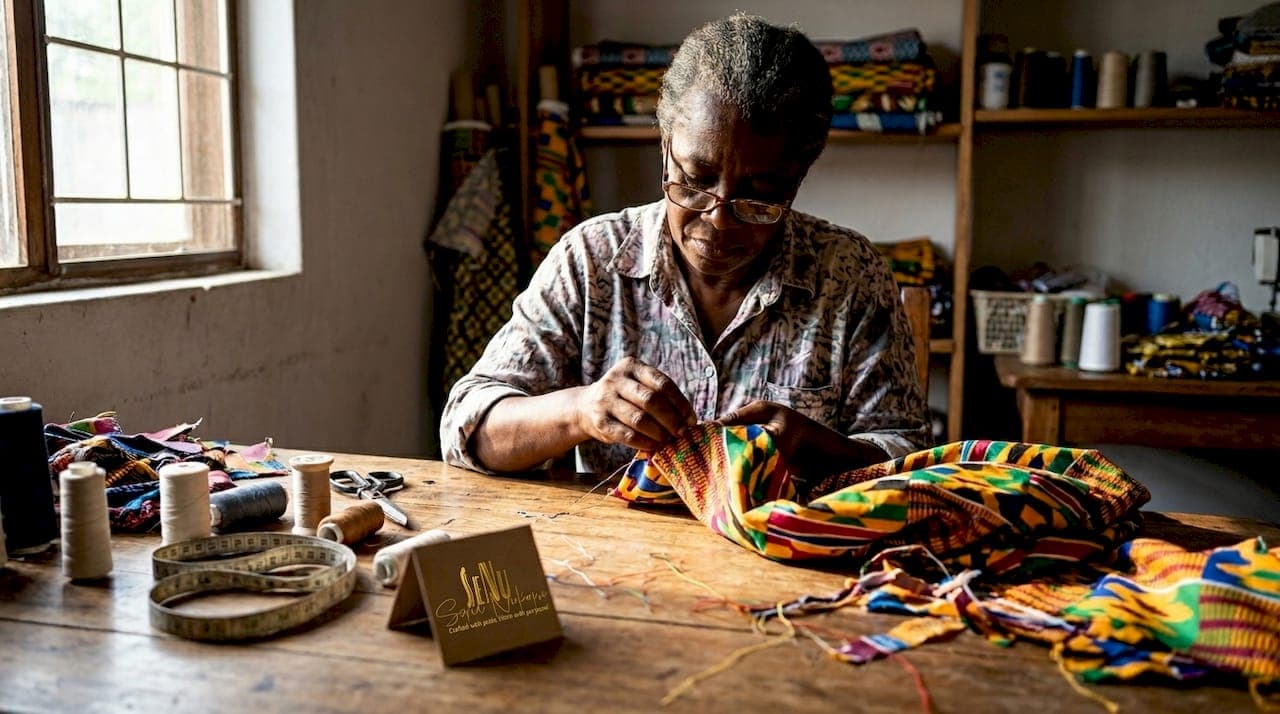
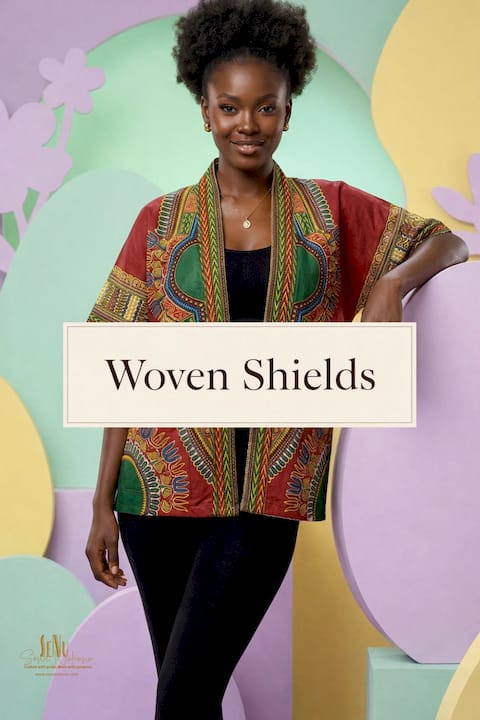
Fashion craftsmanship involves deeply skilled manual techniques rooted in culture, and nowhere is this more evident than in West African textiles like Kente and Bogolanfini. For decades, mass production eroded Ghana’s rich textile traditions, pushing artisans to the margins and replacing handwoven heritage with factory uniformity. Yet recent ethical revivals are breathing new life into these ancient practices, proving that craftsmanship is not a relic but a vital force shaping fashion’s sustainable future. This article explores how artisanal techniques define cultural identity, support environmental responsibility, and create emotional connections that mass production can never replicate.
Table of Contents
-
Understanding craftsmanship: techniques rooted in West African traditions
-
How craftsmanship influences consumer values and cultural connection
-
Discover authentic West African-inspired craftsmanship styles
Key Takeaways
| Point | Details |
|---|---|
| West African techniques | Skilled manual methods like mud dyeing, strip weaving, and hand stitching define heritage textiles and preserve cultural identity. |
| Sustainable slow fashion | Durable materials, natural dyes, and local sourcing support lower waste and longer garment lifespans. |
| Emotional cultural value | Consumers connect with craftsmanship on an emotional level, strengthening loyalty and willingness to pay for authentic pieces. |
| Cost and scaling limits | Higher production costs and slower output hinder mass adoption compared with fast fashion models. |
| Authenticity indicators | Slight irregularities in weave or dye signal handmade origins and differentiate pieces from machine made equivalents. |
Understanding craftsmanship: techniques rooted in West African traditions
Craftsmanship in fashion means skilled, manual, culturally rich textile creation methods passed down through generations. These techniques require precision, patience, and deep knowledge of materials and symbolism. In West Africa, artisans have perfected methods that transform raw fibers and natural pigments into wearable art that tells stories and preserves heritage.
Craftsmanship involves hand-stitching Baule textiles, mud-dyeing bogolanfini, and strip-weaving Kente and Aso-Oke on narrow looms. Each technique demands hundreds of hours and meticulous attention to detail. Baule hand-stitching creates intricate patterns by joining cloth strips with nearly invisible seams, requiring steady hands and years of practice. Bogolanfini, or mud cloth, involves fermenting leaves to create dye, painting geometric symbols onto handwoven cotton, and repeating the process to achieve deep, earthy tones that resist fading.
Kente weaving uses narrow strip looms to create vibrant, multicolored bands that artisans sew together into larger textiles. Weavers memorize complex patterns representing proverbs, historical events, and social status. Aso-Oke follows similar strip-weaving principles but incorporates metallic threads and different color palettes specific to Yoruba culture. The slow, rhythmic process of passing shuttles through warp threads creates textiles with unmatched texture and visual depth.
Here are the core West African craftsmanship techniques:
-
Baule hand-stitching joins narrow cloth strips with precise, nearly invisible seams
-
Bogolanfini mud-dyeing uses fermented leaves and clay to create symbolic geometric patterns
-
Kente strip-weaving produces vibrant multicolored bands on narrow looms
-
Aso-Oke weaving incorporates metallic threads into strip-woven textiles
-
Hand-spinning transforms raw cotton into thread using traditional drop spindles
| Technique | Process | Materials | Cultural origin |
|---|---|---|---|
| Baule stitching | Hand-sewing narrow strips | Cotton cloth, thread | Ivory Coast |
| Bogolanfini | Mud-dyeing with symbols | Handwoven cotton, fermented leaves, clay | Mali |
| Kente weaving | Narrow-loom strip weaving | Silk, cotton, metallic threads | Ghana |
| Aso-Oke weaving | Strip weaving with metallics | Cotton, silk, lurex | Nigeria |
Pro Tip: When shopping for authentic pieces in collections, look for slight irregularities in weave or dye application. These imperfections prove human hands created the garment, not machines. Understanding what jewelry craftsmanship involves can help you apply similar quality assessment principles to textiles.
Craftsmanship’s role in sustainable slow fashion
Slow fashion emphasizes quality over quantity, prioritizing sustainability, ethical sourcing, and longevity. Craftsmanship sits at the heart of this movement because handmade garments naturally embody these values. Artisans select durable materials, use techniques that minimize waste, and create pieces designed to last decades rather than seasons.
Craftsmanship enables durable, low-waste fashion with natural dyes and local sourcing, promoting sustainability despite higher costs and slower production. Fast fashion relies on synthetic fibers, chemical dyes, and energy-intensive manufacturing that generates massive textile waste. In contrast, handcrafted West African textiles use locally grown cotton, plant-based dyes, and production methods that create minimal environmental impact. The durability of handwoven cloth means garments remain wearable for years, reducing the need for constant replacement.
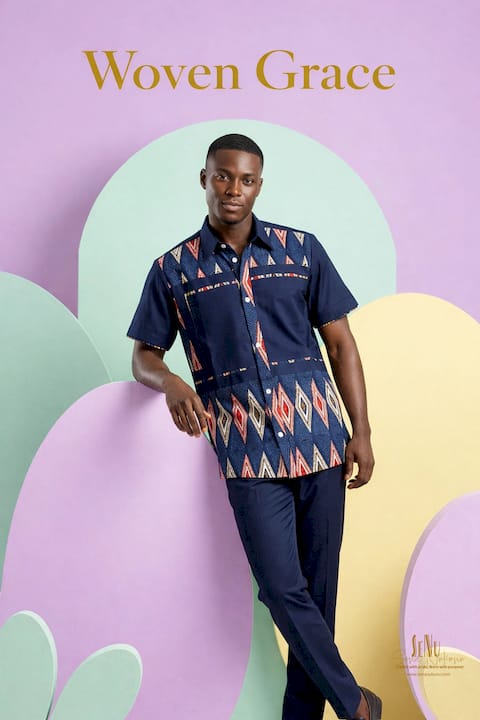
Consumer loyalty to craftsmanship-driven brands runs deep because buyers recognize the environmental and ethical advantages. Shoppers increasingly seek transparency about production methods and materials, favoring brands that support artisan communities and preserve cultural heritage. This shift reflects growing environmental awareness and desire for meaningful consumption rather than disposable trends.
Key sustainability practices in craftsmanship fashion include:
-
Natural dyes from plants, minerals, and earth pigments instead of synthetic chemicals
-
Local sourcing of materials that reduces transportation emissions and supports regional economies
-
Low-waste production techniques that use every scrap of fabric and minimize offcuts
-
Durability through quality construction that extends garment lifespan and reduces replacement frequency
-
Small-batch production that prevents overstock and waste
Ghana textile production declined from 130 million to 15 million yards between 1977 and 2017 due to mass production. This staggering 88% drop illustrates how industrialization nearly destroyed centuries of textile heritage, making ethical revival initiatives crucial for cultural preservation.
The slow fashion movement recognizes that true sustainability requires systemic change in how we produce and consume clothing. Craftsmanship offers a proven alternative model where artisans earn fair wages, communities maintain cultural practices, and consumers invest in pieces that carry meaning beyond fleeting trends. Exploring design services that honor these principles helps you participate in this transformative shift. Learning about sustainable luxury brands can expand your understanding of how high-quality craftsmanship intersects with environmental responsibility.
How craftsmanship influences consumer values and cultural connection
Empirical research reveals that craftsmanship powerfully shapes purchase decisions through both rational environmental considerations and emotional cultural attachment. Studies using the COSF (Consciousness for Sustainable Fashion Consumption) and LOHAS (Lifestyles of Health and Sustainability) scales demonstrate that equity, authenticity, and functionality drive consumer valuation of handcrafted fashion.
Craftsmanship correlates with 50% higher purchase intention driven by emotional and environmental values, boosted by cultural symbols. When garments carry visible markers of handwork and cultural meaning, consumers perceive them as more valuable and worth premium prices. This effect intensifies when shoppers understand the stories behind textile patterns and the artisan communities who create them.
Cultural symbols embedded in West African textiles transform clothing into narrative vehicles. Adinkra symbols in Ghanaian prints represent concepts like wisdom, courage, and unity. Kente patterns historically indicated social status and were reserved for royalty. When contemporary fashion incorporates these elements authentically, wearers connect to heritage and participate in cultural preservation.
| Aspect | Mass-produced fashion | Handcrafted fashion |
|---|---|---|
| Production time | Days to weeks | Weeks to months |
| Environmental impact | High (synthetic materials, chemicals) | Low (natural materials, minimal waste) |
| Cultural meaning | Minimal or appropriated | Authentic and preserved |
| Emotional connection | Transactional | Deep and personal |
| Durability | Designed for obsolescence | Built to last decades |
| Price point | Low to moderate | Moderate to high |
Top three emotional and environmental factors influencing slow fashion purchases:
-
Authenticity and heritage preservation - Buyers seek genuine cultural connections and want to support traditions threatened by globalization
-
Environmental consciousness - Consumers recognize that natural materials and low-waste production reduce ecological footprint
-
Artisan empowerment - Shoppers value knowing their purchases provide fair wages and sustain craft communities
Pro Tip: When exploring vibrant styles or browsing latest styles, ask about the specific cultural symbols and their meanings. Understanding these stories deepens your connection to the garment and helps you choose pieces that resonate with your values and identity.
The emotional resonance of craftsmanship extends beyond individual purchases to shape broader consumption patterns. Consumers who invest in handcrafted pieces often report greater satisfaction, longer garment retention, and reduced overall wardrobe turnover. This psychological shift from quantity to quality represents a fundamental reorientation of fashion consumption toward sustainability and meaning. Understanding ethical sourcing practices helps you make informed decisions that align your wardrobe with your values.
Challenges and future outlook for craftsmanship in fashion
Despite craftsmanship’s cultural and environmental advantages, significant barriers limit its mainstream adoption. Handmade production inherently requires more time, skilled labor, and attention than industrial manufacturing. A single couture garment can demand hundreds of hours from multiple artisans, making scalability extremely difficult without compromising quality or authenticity.
Craftsmanship requires hundreds of hours per couture piece, and brands like Prada invest in artisan training to preserve skills and ethics. These investments demonstrate that luxury fashion houses recognize craftsmanship’s value, but such programs remain exceptions rather than industry norms. Most fashion brands prioritize speed and cost reduction over artisanal quality.
Key challenges craftsmanship faces versus fast fashion:
-
High labor costs make handcrafted garments significantly more expensive than mass-produced alternatives
-
Limited production capacity prevents craftsmanship brands from meeting large-scale demand
-
Skill scarcity as fewer young people learn traditional techniques, threatening knowledge transfer
-
Consumer price sensitivity when shoppers compare handmade prices to fast fashion without understanding value differences
-
Marketing disadvantages as small artisan businesses lack resources for widespread promotion
Yet innovation offers hope for craftsmanship’s evolution. Digital craftsmanship merges analogue skills with 3D techniques to innovate while respecting traditions. This hybrid approach uses technology for pattern development and prototyping while preserving hand-finishing and cultural authenticity. Digital tools can document traditional techniques, create training resources, and connect artisans with global markets without compromising craft integrity.
Craftsmanship represents the relentless pursuit of excellence, not the absence of imperfection. This distinction matters because it reframes handmade variations as evidence of human skill rather than defects, challenging industrial standards that prize uniformity over character.
Ethical initiatives focused on West African textile heritage show promising results. Organizations partner with artisan cooperatives to provide fair wages, preserve techniques, and create market access. These programs recognize that cultural preservation requires economic viability for craft communities. When artisans earn sustainable livelihoods, they pass skills to the next generation and maintain traditions that might otherwise disappear.
The future of craftsmanship in fashion likely involves strategic integration rather than wholesale replacement of industrial production. Hybrid models that combine handwork for distinctive elements with efficient production for basic construction could make artisanal fashion more accessible. Education initiatives that teach consumers to value quality and longevity over disposability will prove essential. Pieces like Adinkra tide palazzo pants demonstrate how contemporary design can honor traditional craftsmanship while meeting modern style preferences.
Discover authentic West African-inspired craftsmanship styles
Now that you understand craftsmanship’s profound cultural significance and sustainable advantages, you can make purchasing decisions that honor these values. Supporting brands that channel authentic artisanal techniques helps preserve heritage while building a wardrobe that tells meaningful stories.
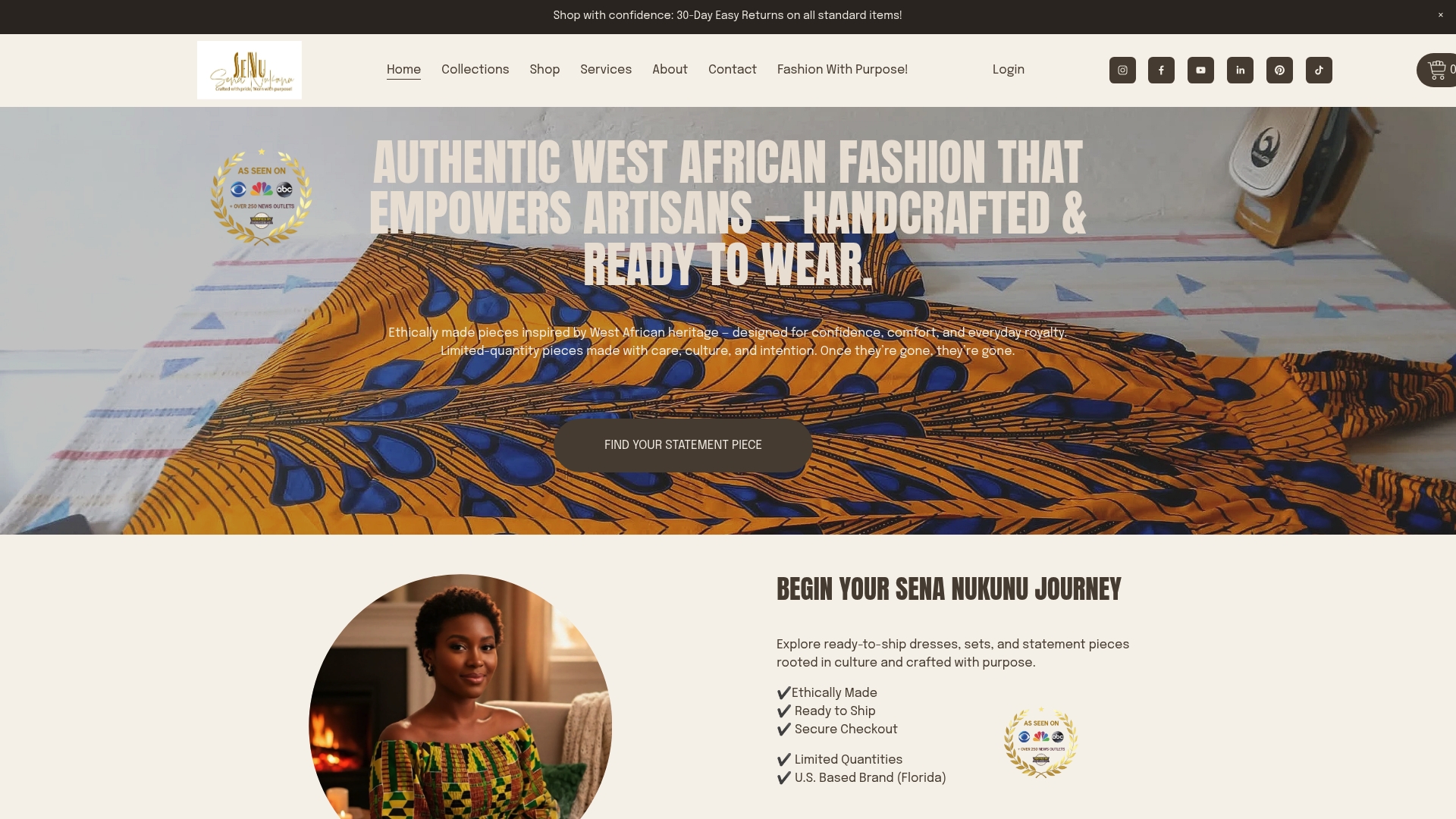
Sena Nukunu celebrates the rich traditions of West African textile arts through contemporary ready-to-wear pieces that embody slow fashion principles. Each garment in the collections reflects careful attention to cultural authenticity, quality construction, and ethical production. By choosing pieces rooted in heritage craftsmanship, you participate in preserving traditions while expressing your unique style.
Explore these featured categories that showcase African-inspired craftsmanship:
-
Dresses featuring vibrant prints and silhouettes that honor traditional aesthetics
-
Blouses and tops with hand-selected fabrics celebrating West African textile heritage
-
Pants and palazzo styles like Adinkra tide palazzo pants that combine comfort with cultural pride
Visit Sena Nukunu to discover how authentic craftsmanship transforms everyday fashion into wearable cultural celebration.
Frequently asked questions
What are the key traditional craftsmanship techniques in West African fashion?
West African fashion craftsmanship centers on Baule hand-stitching, bogolanfini mud-dyeing, and strip-weaving techniques for Kente and Aso-Oke textiles. Baule artisans join narrow cloth strips with nearly invisible hand-sewn seams requiring years of practice. Bogolanfini involves painting fermented leaf dye and clay onto handwoven cotton in geometric patterns rich with cultural symbolism. Kente and Aso-Oke weavers use narrow looms to create vibrant multicolored bands that they sew together, with each pattern carrying specific meanings related to proverbs, history, and social status.
How does craftsmanship promote sustainability compared to fast fashion?
Craftsmanship promotes sustainability through durable construction, natural materials, and low-waste production methods that contrast sharply with fast fashion’s environmental damage. Handcrafted garments use locally sourced cotton, plant-based dyes, and techniques that minimize fabric waste and chemical pollution. These pieces last decades rather than seasons, reducing replacement frequency and overall consumption. Craftsmanship also supports local economies and preserves cultural knowledge, creating social sustainability alongside environmental benefits that fast fashion’s globalized supply chains cannot match.
Why do consumers value craftsmanship in fashion emotionally and culturally?
Consumers value craftsmanship because it connects them to heritage, artisan stories, and cultural meanings absent in mass production. Handcrafted garments carry visible evidence of human skill and cultural symbols that transform clothing into narrative vehicles. Research shows this emotional connection drives 50% higher purchase intent as shoppers seek authenticity and wish to support traditions threatened by globalization. Wearing culturally significant pieces allows consumers to express identity, participate in heritage preservation, and make purchases aligned with deeper values beyond fleeting trends.
What challenges limit craftsmanship’s wider adoption in fashion today?
Handcrafted fashion faces significant adoption barriers including high labor costs, extended production times, and limited scalability. A single artisan-made garment can require hundreds of hours from skilled craftspeople, making prices substantially higher than mass-produced alternatives. Few young people learn traditional techniques, creating skill scarcity that threatens knowledge transfer. Consumer price sensitivity and lack of understanding about value differences further limit market growth. However, digital craftsmanship innovations that merge traditional skills with modern technology offer promising solutions by improving efficiency while preserving cultural authenticity and artisanal quality.