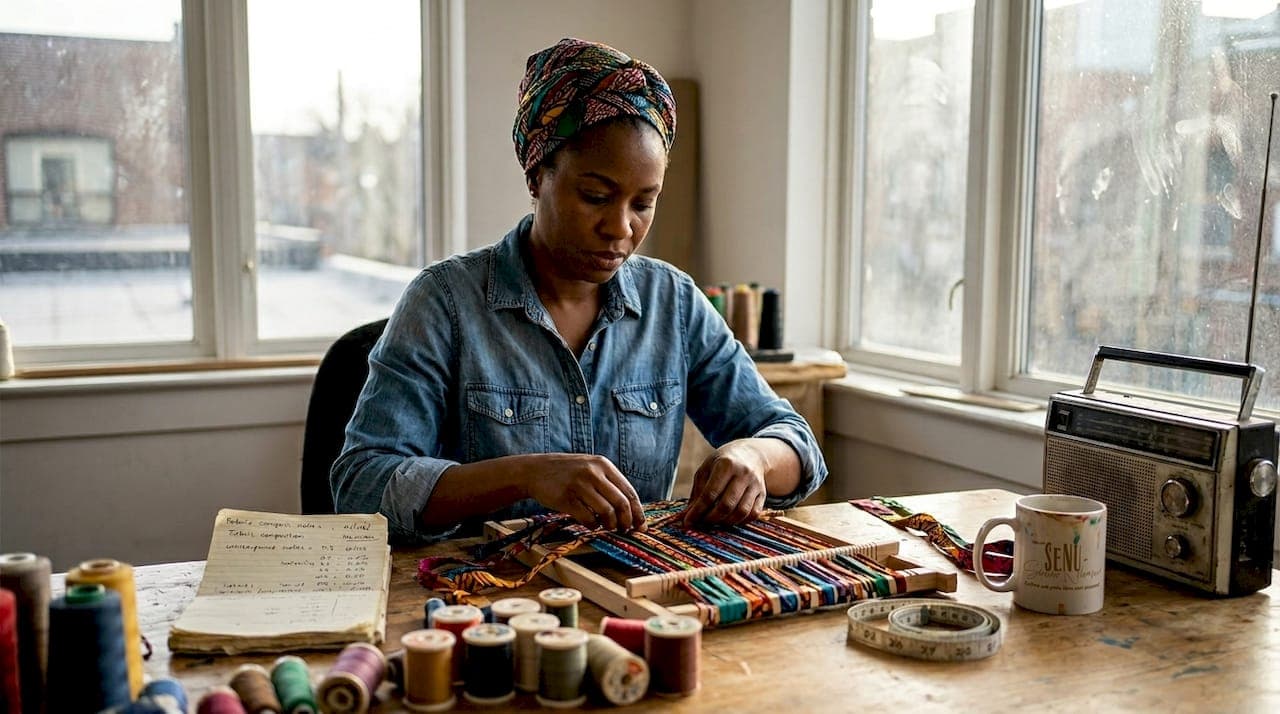
West African style has long been misunderstood as a single, uniform aesthetic defined only by bold prints and ceremonial dress. The truth is far richer and more layered. Modern West African style fuses traditional textiles and craftsmanship with contemporary silhouettes, creating a living, breathing movement that honors the past while speaking directly to the present. If you have ever felt drawn to clothing that carries meaning, tells a story, and reflects genuine artistry, this guide will show you exactly what that looks like and how to wear it with intention.
Table of Contents
- The roots and evolution of West African style
- Essential fabrics, colors, and prints redefined
- Ethical production and craftsmanship: The heart of modern style
- Cultural pride and storytelling: Wearing your identity
- How to embrace modern West African style: Practical guidance
- Explore modern West African style with Sena Nukunu
- Frequently asked questions
Key Takeaways
| Point | Details |
|---|---|
| Tradition meets innovation | Modern West African style honors ancestral fabrics and stories while reshaping silhouettes for today's fashion scene. |
| Ethics drive design | Brands champion sustainability and fair production, making each garment a statement of responsibility and pride. |
| Diverse expression | Contemporary looks feature not only bold prints, but also neutrals, gender-fluid cuts, and sustainable materials. |
| Cultural storytelling | Designs use prints and motifs to express personal and collective identity, fostering cultural pride. |
| Practical style tips | You can embrace modern West African style by mixing statement pieces with neutrals and shopping with ethical brands. |
The roots and evolution of West African style
Every thread in West African fashion carries a history that stretches back centuries. The Yoruba clothing history alone reveals how garments once signaled social rank, spiritual devotion, and community belonging. These were not simply clothes. They were declarations.
The core fabrics of West African fashion include Ankara, Aso-Oke, Adire, and Kente, each carrying symbolic patterns that convey proverbs, status, and stories passed down through generations. Designers like Kenneth Ize and Lisa Folawiyo have taken these foundations and reimagined them through modern tailoring, unexpected silhouettes, and global sensibilities, without erasing the cultural roots that give each piece its power.
Kente patterns are geometric and deeply intentional: gold signifies wealth, green represents growth, and black honors spiritual maturity. Every color choice is a conversation with history.
| Fabric | Region of origin | Symbolic meaning |
|---|---|---|
| Ankara | West Africa (broad) | Community, celebration, identity |
| Kente | Ghana (Ashanti) | Royalty, wealth, spiritual power |
| Adire | Nigeria (Yoruba) | Creativity, femininity, resistance |
| Aso-Oke | Nigeria (Yoruba) | Status, ceremony, ancestral pride |
Modern designers are also revisiting the ancestral agbada ensemble, reinterpreting this iconic three-piece silhouette for contemporary wardrobes while preserving its regal spirit. The result is fashion that feels both timeless and entirely fresh.
"Every stitch, brushstroke, and design carries the spirit of a legacy" — this is not just a phrase. It is the operating principle behind the most compelling West African fashion being made today.
Essential fabrics, colors, and prints redefined
Understanding tradition opens the door to appreciating how today's designers use and interpret these textiles and color stories in genuinely surprising ways.
Ankara is perhaps the most globally recognized West African fabric, known for its vivid wax-resist prints and bold geometric patterns. Kente, woven in silk or cotton, carries its symbolic color language into modern suiting and eveningwear. Adire, a hand-dyed indigo cloth from the Yoruba tradition, has found new life in minimalist, contemporary cuts. Aso-Oke, traditionally woven for weddings and ceremonies, now appears in structured jackets and wide-leg trousers that feel entirely at home in a modern wardrobe.
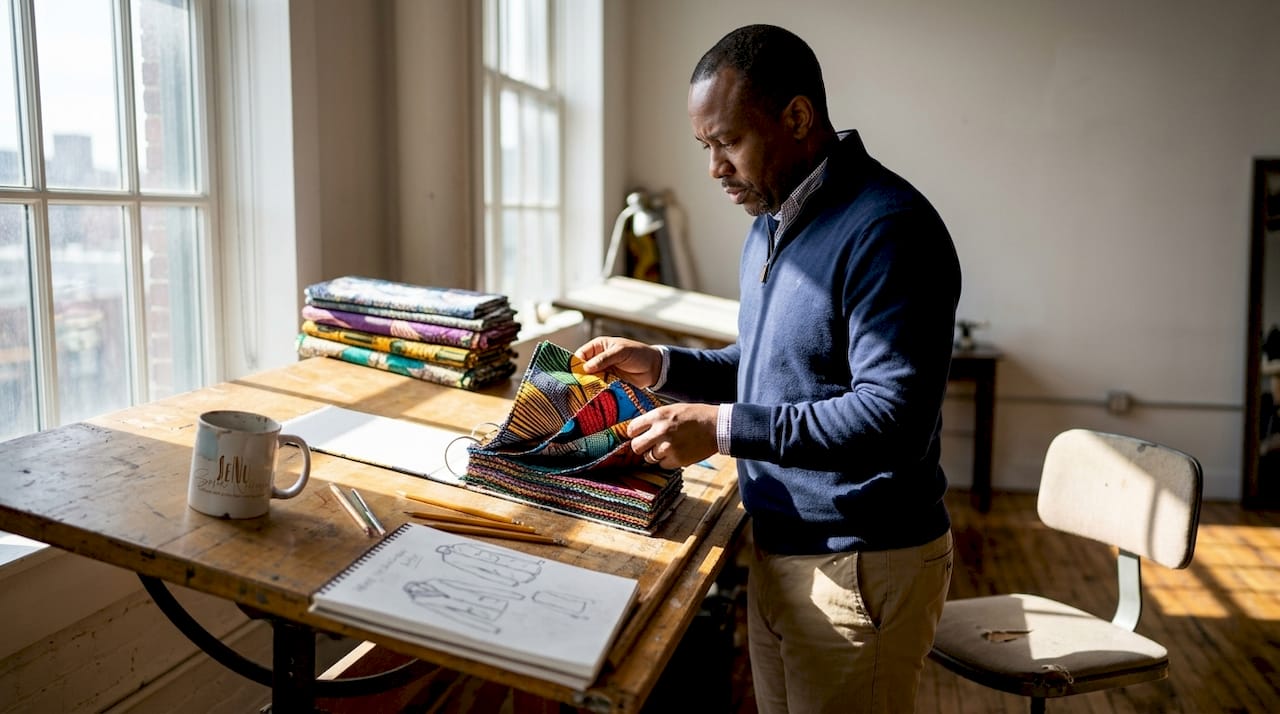
Modern use balances bold prints with neutrals and Western elements, creating outfits that feel wearable every day without losing their cultural weight. This shift has opened the aesthetic to a much wider audience.
Popular modern combinations include:
- Ankara prints paired with solid ivory or cream neutrals for a grounded, editorial look
- Indigo Adire with wide-leg silhouettes, like these modern palazzo pants, for effortless movement and cultural depth
- Kente-inspired prints in wrap silhouettes, such as the peacock wrap gown, that honor tradition through fluid, feminine form
- Neutral-toned Aso-Oke in structured blazers for a polished, professional statement
- Upcycled and sustainable fabric blends that bring environmental consciousness into the cultural conversation
The old assumption that West African fashion means only bright colors and festive occasions is giving way to a far more nuanced reality. Designers are proving that these textiles carry power in every palette.
Ethical production and craftsmanship: The heart of modern style
Once you know the materials and prints, it becomes clear that craftsmanship and ethics are not just add-ons. They are the foundation of what makes contemporary West African fashion meaningful.
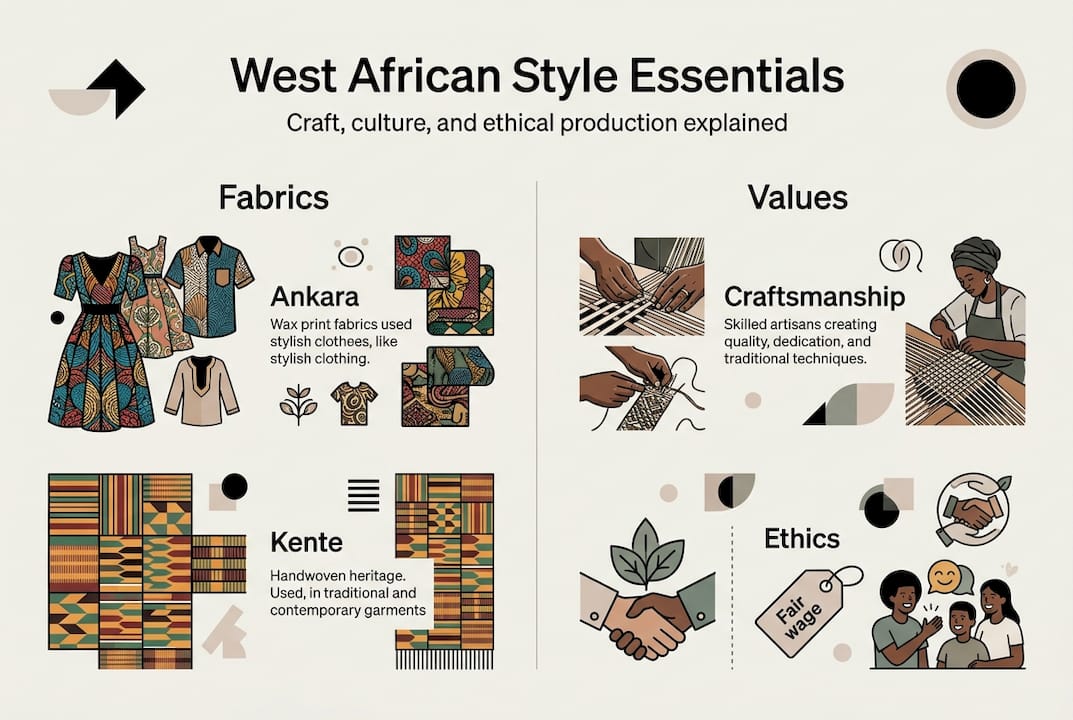
Ethical craftsmanship in this space prioritizes sustainability through made-to-order production, upcycling waste materials, artisan collaborations, and local manufacturing that reduces dependence on imports. Brands like Kwelaku, Kilentar, and Nkwo have set a new standard, proving that fashion can be both beautiful and responsible.
Here is how leading brands approach ethical production:
- Source locally by partnering with regional weavers, dyers, and tailors who carry generational knowledge
- Produce in limited quantities to reduce waste and ensure each piece receives genuine attention and care
- Use natural and upcycled materials wherever possible, honoring both the environment and traditional dyeing practices
- Pay fair wages to artisans, recognizing their skill as the true value behind every garment
- Tell the story of each piece, so the buyer understands the hands and heritage behind what they wear
Pro Tip: When shopping for West African fashion, look for brands that name their artisans, describe their sourcing practices, and produce in small batches. These details signal genuine commitment to sustainable artisan fashion rather than surface-level marketing.
The deeper you look into fashion craftsmanship ethics, the more you realize that buying ethically made West African clothing is an act of cultural respect and community support. Every purchase becomes a vote for a more equitable and artful world.
Local production is not just an economic choice. It is a cultural one, keeping skills alive, communities thriving, and stories intact.
Cultural pride and storytelling: Wearing your identity
Ethics and craftsmanship set the foundation, while storytelling and pride turn clothes into living narratives that connect you to something far larger than a single outfit.
Cultural pride through storytelling means that prints and narratives reference history and identity, worn as expressions of pride rather than appropriation. Yoruba fashion, for example, varies by state and community, with specific patterns, colors, and garment styles carrying distinct regional meanings. This is not a monolithic aesthetic. It is a constellation of voices.
Here is how designers infuse storytelling into their garments:
- Naming pieces after historical figures or proverbs to anchor each design in a specific cultural moment
- Using motifs that reference cosmology, such as the Adinkra symbols of Ghana, which encode philosophical ideas into visual form
- Collaborating with community elders to ensure that patterns are used with accuracy and respect
- Documenting the origin of each textile so that buyers understand the geographic and cultural context of what they wear
- Celebrating regional diversity by drawing from multiple West African traditions rather than flattening them into a single look
Pro Tip: Before purchasing a piece with a specific cultural motif, take a moment to learn what it represents. Brands that share this context freely are the ones most committed to African fashion narratives rooted in genuine respect. This knowledge transforms how you wear and carry each piece.
When you choose clothing that tells a true story, you participate in fashion empowerment that extends far beyond your own wardrobe. You become part of a movement that values memory, identity, and artistry as much as aesthetics.
How to embrace modern West African style: Practical guidance
Now that you are equipped with knowledge of tradition, craft, and identity, it is time to apply it to your wardrobe and lifestyle choices in a way that feels authentic and intentional.
Modern West African fashion is not limited to summer looks or bright colors. It includes sustainable neutrals, gender-fluid designs, and upcycled materials that challenge the oversimplification of "African fashion" as a single category. Regional diversity is real, and honoring it makes your style choices more meaningful.
Follow these steps to build a modern West African wardrobe with integrity:
- Start with one statement piece that genuinely speaks to you, whether that is a wrap dress, a structured jacket, or a matching set
- Learn the fabric before you buy. Understanding whether a piece uses Ankara, Adire, or Aso-Oke helps you appreciate its cultural weight
- Balance boldness with simplicity by pairing a printed statement piece with solid, neutral separates that let the fabric breathe
- Research the brand to confirm ethical sourcing, local production, and artisan partnerships before committing to a purchase
- Explore artisan empowerment trends to stay informed about which designers are leading the movement with integrity
- Wear with knowledge by being ready to share the story behind your outfit when someone asks. That conversation is part of the garment's purpose.
Pro Tip: Shop from brands that offer limited-quantity pieces rather than mass-produced runs. Scarcity in this context is a sign of quality and intentionality, not just exclusivity.
Explore modern West African style with Sena Nukunu
If this journey through fabric, symbolism, and ethical craftsmanship has inspired you, the next step is finding a brand that lives these values in every piece it creates. Sena Nukunu vibrant styles bring together the cultural richness of West African heritage and the clean, contemporary design that modern wardrobes deserve.
Every piece in the collection is crafted with care, produced ethically, and designed to make you feel both grounded and radiant. From the unique dress collection featuring wrap silhouettes and Ankara-inspired prints to the full range of modern collections that include sets, jackets, and statement separates, Sena Nukunu offers fashion that honors the artisans behind every stitch. When you wear a piece from this collection, you carry a story worth telling. Explore the full range and find the piece that speaks to your identity.
Frequently asked questions
What makes modern West African style distinctive compared to traditional attire?
Modern West African style combines traditional fabrics and patterns with contemporary silhouettes, clean tailoring, and ethical production to create unique statement clothing that bridges heritage and innovation.
Which fabrics are most prominent in modern West African fashion?
Ankara, Kente, Adire, and Aso-Oke are most frequently used, each carrying symbolic meanings and cultural stories that give every garment its depth and identity.
How does ethical production shape modern West African style?
Ethical production focuses on sustainable fabrics, local artisan work, and fair wages, with brands like Kwelaku and Nkwo leading the way through made-to-order models and community-centered manufacturing.
Can modern West African fashion include neutrals and gender-fluid designs?
Yes. Modern designers have expanded the palette to include sustainable neutrals and gender-fluid, upcycled styles that break old stereotypes and welcome a broader range of wearers.
How should I choose a modern West African outfit that expresses cultural pride?
Select garments made by ethical brands with locally sourced textiles and storytelling motifs that celebrate cultural roots and personal identity rather than reducing heritage to surface-level decoration.