TL;DR:
- Ethical West African fashion emphasizes fair wages, transparent sourcing, and traditional craftsmanship.
- Brands like IAMISIGO and Tongoro showcase meaningful, heritage-inspired designs rooted in community empowerment.
- Incorporating bold statement pieces with neutral basics can create impactful, culturally connected everyday styles.
Finding fashion that truly reflects your values, your heritage, and your identity is not as simple as scrolling through a marketplace. The global fashion industry is flooded with trend-driven pieces that borrow cultural aesthetics without honoring the communities behind them. For women who want to wear something that carries meaning, every purchase becomes a choice between authenticity and imitation. This guide walks you through a practical framework for evaluating ethical West African fashion, introduces brands that are redefining what a statement piece can be, and offers real inspiration for building a wardrobe that speaks your truth with pride and purpose.
Table of Contents
- How to evaluate cultural fashion inspiration: Criteria that matter
- Top West African ethical fashion brands: Curated inspiration list
- Comparing standout brands: Heritage, ethics, and signature style
- Choosing and styling your own West African-inspired statement pieces
- Why true cultural inspiration means going beyond trends
- Explore ethically made West African statement styles
- Frequently asked questions
Key Takeaways
| Point | Details |
|---|---|
| Use values-based criteria | Choose fashion inspiration by prioritizing heritage, transparency, and ethical artisan support. |
| Explore award-winning brands | IAMISIGO, Tongoro, and Studio 189 offer standout women's styles with authentic West African roots. |
| Compare for fit and story | A brand's impact, production model, and signature look should suit your style and values. |
| Style for empowerment | Mix bold prints, rich colors, and unique accessories for expressive, culturally resonant fashion. |
| Shop thoughtfully | Support ethical designers who create fashion as both art and empowerment for African communities. |
How to evaluate cultural fashion inspiration: Criteria that matter
With a clearer idea of your values, let's break down what criteria actually distinguish the best cultural fashion inspirations. Not every brand that uses African prints qualifies as a meaningful source of cultural expression. The difference lies in the details, and knowing what to look for protects you from supporting practices that do more harm than good.
Here are the key criteria to guide your evaluation:
- Ethical sourcing and fair wages: Artisans should be paid fairly and work in safe, dignified conditions. This is the foundation of any brand worth your loyalty.
- Material transparency: Look for natural dyes, organic fibers, and clear information about where materials come from. Slow fashion models, natural fibers, and artisan collaboration are central to ethical West African fashion.
- Heritage craftsmanship: Techniques like hand-weaving, resist-dyeing, and kente or bogolan production are not decorative choices. They are living traditions that deserve recognition and preservation.
- Limited runs and made-to-order production: Slow fashion means fewer pieces, less waste, and more intentionality. Brands that produce in small batches are investing in quality over quantity.
- Cultural storytelling through design: Prints, motifs, and color combinations often carry specific meanings rooted in community history. A brand that explains the story behind its designs is one that respects its source material.
- Practical considerations: Garment care requirements, price accessibility, and international shipping availability all affect how realistically you can incorporate these pieces into your life.
Understanding sustainable fashion principles helps you read between the lines when a brand makes broad claims about ethics without offering specifics. Ask questions. Look for certifications, artisan profiles, and production transparency before committing.
Pro Tip: Before purchasing from any new brand, search for their artisan stories or production process content. Brands that are genuinely ethical are proud to show you exactly how their garments are made and by whom.
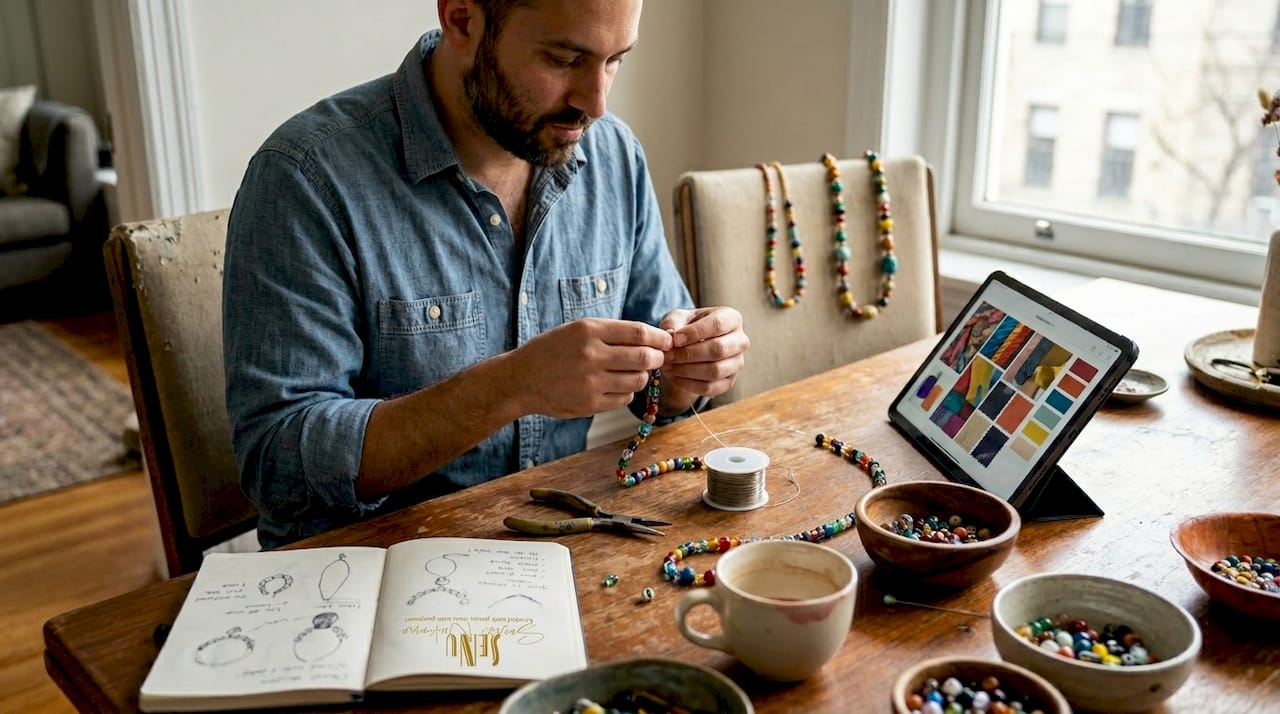
You can also explore African accessories designers who are redefining statement dressing through jewelry, bags, and beadwork. Accessories are often the most accessible entry point into cultural fashion, and they can transform even the simplest outfit into something that tells a story.
Top West African ethical fashion brands: Curated inspiration list
Now that you know what to look for, let's discover brands that exemplify these values through their collections, each with a distinctive approach to culture and craft.
- IAMISIGO (Nigeria/Ghana/Kenya): Founded by Bubu Ogisi, IAMISIGO is known for its use of natural dyes, zero-waste production, and striking sculptural silhouettes. Every collection draws from specific African cultural archives, making each piece a wearable research project.
- Tongoro Studio (Senegal): Founded by Sarah Diouf, Tongoro is 100% made in Africa and offers bold, graphic prints at a more accessible price point. It is a go-to for women who want confident, statement-making looks without sacrificing their values.
- Studio 189 (Ghana): Co-founded by Abrima Erwiah and Rosario Dawson, Studio 189 prioritizes artisan training and fair wages, producing hand-dyed batik and adinkra-printed pieces that have earned international recognition for their ethical impact.
- Kwame Adusei: A Ghanaian designer celebrated for balancing refined sophistication with maximalist vibrancy, perfect for women who want to power-dress with cultural intention.
- Kwasi Paul: Known for bold embellishments and a fearless use of color, Kwasi Paul's designs are celebrations of West African joy and abundance.
For women specifically, the best picks across these brands include:
- Bold wrap and maxi dresses in Ankara and kente-inspired prints
- Tailored kaftans with hand-embroidered detailing
- Beaded and woven accessories that anchor a full look
- Matching sets in hand-dyed fabric for a coordinated, intentional aesthetic
Pro Tip: If you are new to cultural fashion, start with one bold dress or a coordinated set. Explore vibrant styles that feel exciting but wearable before investing in more experimental silhouettes.
Understanding the connection between bold fashion and empowerment helps you see these pieces not just as clothing but as declarations. When you wear a garment rooted in West African heritage, you are participating in a living tradition.
Comparing standout brands: Heritage, ethics, and signature style
But how do these standout labels differ in practice? A side-by-side comparison brings their unique approaches and strengths into sharp focus.
| Brand | Production model | Price range | Best for | Key achievement |
|---|---|---|---|---|
| IAMISIGO | Zero-waste, natural dyes | $$$$ | Bold, artistic dressing | Zalando Visionary Award 2025 |
| Tongoro Studio | 100% made in Africa | $$ | Everyday statement prints | Global accessibility |
| Studio 189 | Artisan-led, fair wages | $$$ | Ethical maximalism | Hundreds of women-led artisan jobs created |
| Kwame Adusei | Small-batch, tailored | $$$$ | Power dressing | International runway recognition |
| Kwasi Paul | Made-to-order | $$$ | Maximalist celebration | Vibrant embellishment mastery |
Here is a quick guide to matching each brand to your personal style:
- Minimalist with cultural curiosity: Start with Tongoro Studio's clean graphic prints.
- Power dresser: Kwame Adusei's tailored silhouettes carry authority and elegance.
- Ethical maximalist: Studio 189's hand-dyed batik pieces are rich, layered, and meaningful.
- Art-forward fashion lover: IAMISIGO's sculptural designs are for those who see clothing as living art.
- Celebratory and joyful: Kwasi Paul's embellished pieces are made for moments worth remembering.
"Every stitch, brushstroke, and design carries the spirit of a legacy." When you choose a brand based on its craftsmanship in fashion, you are choosing to honor the hands and histories behind the garment.
These distinctions matter because your fashion choices are a form of self-expression. Knowing which brand aligns with your aesthetic and values means you spend intentionally and wear confidently.
Choosing and styling your own West African-inspired statement pieces
Armed with your shortlist, let's put this inspiration into action with creative ways to make these styles your own.
Styling cultural fashion is about balance and intention. You do not need to wear head-to-toe print to make a powerful statement. In fact, some of the most striking looks come from pairing one vibrant anchor piece with simple, neutral basics.
Here are practical ways to incorporate West African-inspired fashion into your everyday wardrobe:
- Let one piece lead: A bold Ankara maxi dress or a hand-dyed kaftan is enough. Build the rest of the outfit around it with white linen, black denim, or earth-tone separates.
- Use accessories as entry points: Beaded necklaces, woven bags, or adinkra-printed scarves can introduce cultural storytelling into any look without requiring a full outfit change.
- Mix proportions thoughtfully: Pair a voluminous, printed top with tailored trousers, or a fitted cultural jacket over a flowing skirt. Proportion play adds sophistication.
- Highlight the narrative: When you wear a piece with a specific cultural meaning, share it. Wearing unique statement pieces becomes even more powerful when you can speak to the story behind them.
- Care for your garments properly: Natural fiber and hand-dyed pieces require gentle handling. Cold water washing, air drying, and proper storage extend their life significantly. Learn how to care for African fabrics to protect both the beauty and the heritage woven into each piece.
Brands like Tongoro have built their identity around empowerment through bold prints and fluid silhouettes that celebrate the female form. That spirit translates directly into how you wear these pieces. Confidence is the most important styling tool you have.
Pro Tip: Photograph your cultural outfits and note what you paired together. Over time, you will build a personal style archive that reflects your evolving relationship with West African fashion.
Why true cultural inspiration means going beyond trends
Here is the perspective we want to offer, and it is one that the fashion industry rarely says out loud: trend-chasing and cultural fashion are fundamentally incompatible. When you chase trends, you consume. When you embrace heritage, you connect.
The brands we have highlighted are not trying to be fashionable in the seasonal sense. They are building something that lasts, rooted in lived stories, community resilience, and artisan mastery. Choosing these pieces is not about wearing the right thing this season. It is about choosing whose hands made your clothes, whose traditions shaped the design, and whose community benefits from your purchase.
Maximalist vibrancy, symbolic prints, and bold silhouettes are not just visual choices. They are acts of cultural affirmation. When you wear them, you are saying that beauty has roots, that style has memory, and that fashion can be a form of respect. Explore cultural storytelling examples to deepen your understanding of how design carries meaning across generations. That understanding transforms how you shop, how you wear, and how you see yourself.
Explore ethically made West African statement styles
Ready to bring your cultural fashion inspiration to life with pieces that honor artisan heritage and design? At Sena Nukunu, we have done the curation work for you, bringing together ethically made, culturally rich statement pieces that are ready to wear and ready to tell your story.
Every piece in our collection reflects our commitment to craftsmanship, cultural pride, and ethical production. Whether you are looking for a bold dress that commands a room or a vibrant set that celebrates your heritage every day, we have something that speaks to you. Shop statement dresses that are made with purpose, discover vibrant fashion rooted in West African legacy, or browse all collections to find the piece that feels like it was made for you.
Frequently asked questions
What makes a fashion brand truly 'ethical' in the West African context?
A brand is ethical when it pays fair wages to artisans, uses locally sourced and transparent materials, and supports slow production practices that empower communities rather than exploit them.
How can I style bold cultural statement pieces for everyday wear?
Balance one bold heritage anchor piece with neutral basics like white linen or black denim, and allow that single item to carry the full visual weight of your look.
Are these brands accessible internationally, and what about shipping times?
Most ethical West African brands ship internationally, but made-to-order production typically means delivery takes 2 to 4 weeks, so plan ahead for events or special occasions.
Why do ethical and artisan-crafted garments cost more?
The higher price reflects fair labor, quality natural materials, and the skilled, slow craftsmanship that sustains artisan communities and preserves traditional techniques for future generations.