TL;DR:
- Authentic West African fashion reflects cultural symbolism, skilled craftsmanship, and ethical sourcing.
- Key pieces include Kente cloth, Gele headwraps, and Adire fabrics, each with unique cultural meanings.
- Supporting artisanal brands preserves traditions and ensures respectful, meaningful cultural expression.
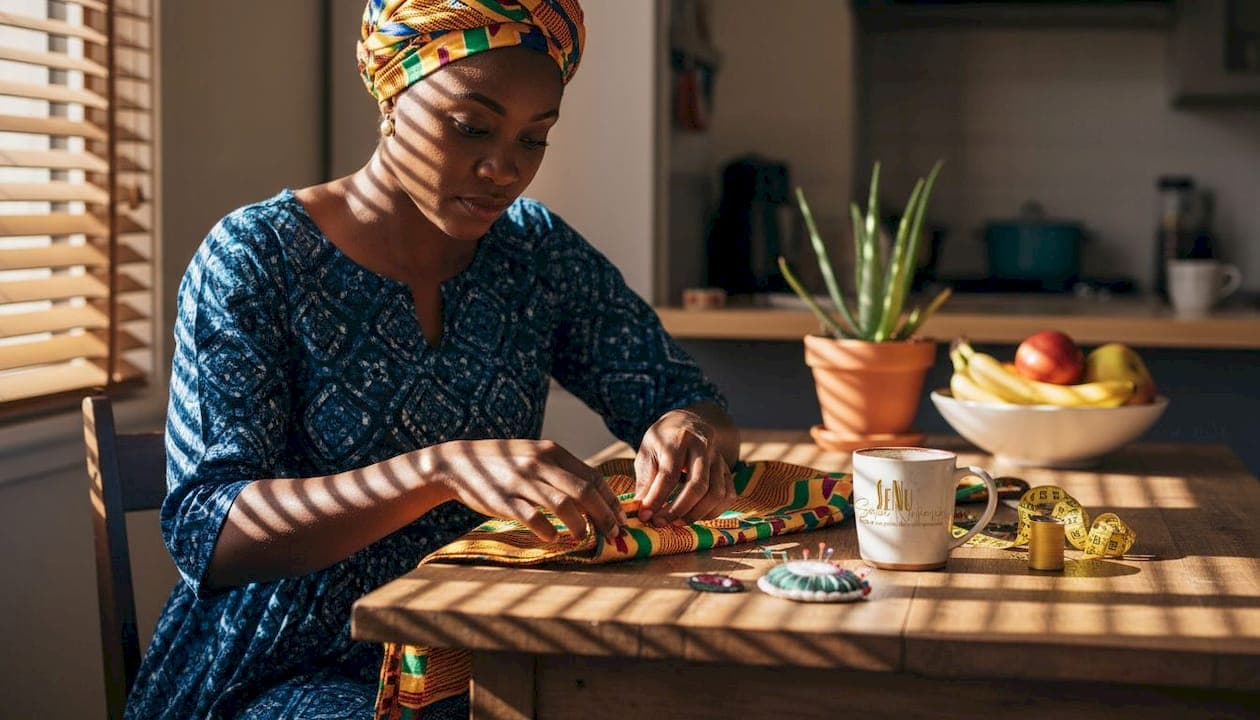
Finding a truly authentic West African statement piece in a world flooded with mass-produced imitations is one of the most meaningful challenges a fashion-conscious woman can face today. Every pattern, every thread, and every dye carries a story rooted in centuries of tradition, resilience, and artistry. Yet fast fashion has made it harder to tell the genuine from the generic. This guide walks you through the criteria for identifying real West African cultural fashion, the most iconic statement pieces available, a side-by-side comparison of their craftsmanship and symbolism, and how to make choices that honor both your personal style and the communities behind the cloth.
Table of Contents
- How to identify authentic West African fashion statements
- Top statement pieces: Headwraps, textiles, and accessories
- Comparing craftsmanship and symbolism: Kente, Adire, Aso Oke, and more
- Choosing ethical and culturally meaningful fashion: What to avoid and embrace
- An empowered approach to cultural fashion: What most guides miss
- Connect with authentic West African styles
- Frequently asked questions
Key Takeaways
| Point | Details |
|---|---|
| Authenticity matters | Choose hand-crafted, symbol-rich pieces to honor West African heritage and avoid fast fashion imitations. |
| Ethical impact | Support direct partnerships with artisans and brands that value ethical craftsmanship and cultural meaning. |
| Style with pride | Select statement pieces—like Gele, Kente, Adire—that genuinely reflect your cultural identity and make your fashion meaningful. |
| Avoid appropriation | Be mindful to buy from credible sources, respecting tradition while expressing individuality. |
How to identify authentic West African fashion statements
With an understanding of the selection challenge, let's outline the criteria for identifying true West African fashion statements. Authentic pieces are not just beautiful. They carry meaning, memory, and a living connection to the people who made them.
Symbolism in every stitch
West African textiles are a visual language. Colors, patterns, and motifs communicate royalty, courage, fertility, mourning, and social status. Kente cloth from Ghana uses gold to represent wealth and high status, while blue signals peacefulness and harmony. Adire fabrics from the Yoruba tradition use geometric motifs that tell personal and communal stories. When you wear a piece without understanding its symbols, you miss half of what makes it powerful.
Craftsmanship as a marker of authenticity
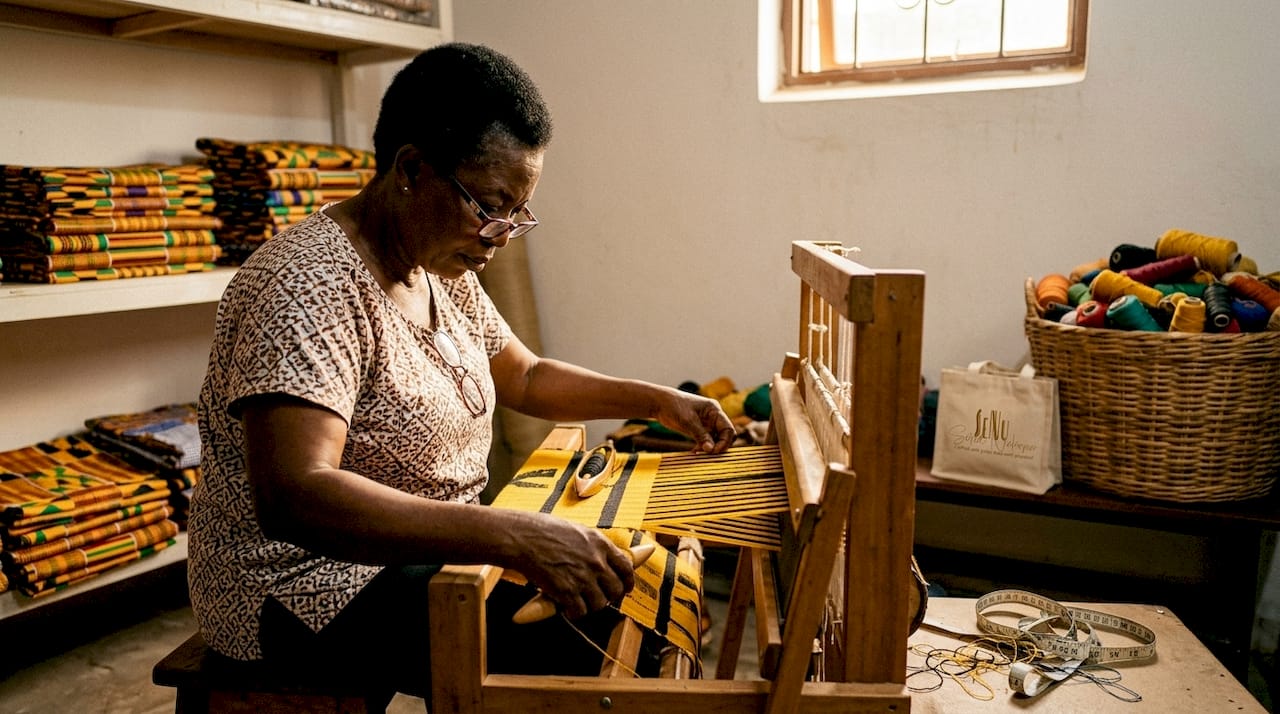
Handwoven Kente, hand-dyed Adire, and batik by ethical producers like Osei Duro represent ethical craftsmanship that mass production simply cannot replicate. These methods are labor-intensive, time-consuming, and deeply skilled. A handwoven Kente strip, for example, requires a master weaver to work for days or even weeks on a single garment. That investment of human care is visible in the result.
Ethical sourcing and direct artisan support
Authentic fashion means knowing where your piece comes from. Supporting sustainable West African fashion means buying from brands that maintain direct partnerships with local artisans, pay fair wages, and preserve traditional techniques. Look for transparency: does the brand tell you who made your piece and how?
Key markers of authenticity to look for:
- Hand-finishing details: uneven edges, slight variations in weave or dye that signal human hands
- Cultural context provided by the seller: history, symbolism, and origin of the textile
- Limited production quantities, not mass-manufactured runs
- Direct artisan credit or community partnership disclosed by the brand
- Certification or advocacy for protecting cultural IP
"Every stitch carries the spirit of a legacy. When craftsmanship is rushed or replicated without care, that spirit is lost."
Pro Tip: Ask the seller directly about the artisan or community behind your piece. A brand committed to authenticity will always have an answer.
Top statement pieces: Headwraps, textiles, and accessories
Now that you know what to look for in an authentic statement piece, let's explore the top styles and their unique cultural significance. West African fashion offers a rich spectrum of options, each with its own history and power.
Here are the most iconic statement pieces for women:
- Gele headwrap: The Gele is a Yoruba headwrap that communicates far more than style. According to Gele symbolism), it indicates a woman's marital status, social standing, and even the occasion she is attending. Styles range from the dramatic fan Gele to the structured infinity pleat and the convenient auto-Gele for everyday wear.
- Kente cloth ensembles: Originating from the Ashanti people of Ghana, Kente is strip-woven on narrow looms and assembled into breathtaking garments. Its patterns denote royalty and strength, making it one of the most recognized and revered textiles in the world.
- Adire fabrics: A Yoruba tie-dye tradition using indigo and other natural dyes, Adire features deeply symbolic motifs. Each design carries a name and a meaning, from representations of the cosmos to everyday objects elevated into art.
- Aso Oke attire: This strip-woven textile is a staple of Yoruba festive dress. Worn at weddings, naming ceremonies, and celebrations, Aso Oke signals community belonging and joyful occasion.
- Ankara prints: Printed cotton fabrics beloved across West Africa for their bold colors and versatility. While widely accessible, authentic Ankara sourced through ethical channels still supports regional textile industries.
- Buba and Iro sets: A classic Yoruba wrapper set combining a blouse (Buba) with a wrap skirt (Iro), these sets embody feminine elegance and cultural pride in everyday wear.
- Cowrie shell accessories: Cowrie shells have been used as currency and spiritual adornment across West Africa for centuries. Vests, necklaces, and belts featuring cowrie shells are among the most culture-inspired fashion statements you can wear.
For deeper context on the Yoruba clothing background, the traditions behind Buba, Iro, and Gele stretch back generations and remain vibrantly alive today.
Pro Tip: If you are new to West African fashion, start with an Ankara wrap dress or a Gele headwrap. Both are accessible entry points that still carry genuine cultural weight.
Comparing craftsmanship and symbolism: Kente, Adire, Aso Oke, and more
Having reviewed the signature statement pieces, let's put them side by side to clarify which fits your style or values best.
| Textile | Technique | Symbolism | Best occasion | Ethical impact |
|---|---|---|---|---|
| Kente | Strip-woven by hand | Royalty, strength, wealth | Formal events, celebrations | High when sourced directly |
| Adire | Hand-dyed, tie-resist | Personal and communal stories | Casual to semi-formal | High with artisan brands |
| Aso Oke | Strip-woven, hand-finished | Festivity, community, status | Weddings, ceremonies | High when locally produced |
| Ankara | Machine or hand-printed | Versatility, cultural identity | Everyday, casual, creative | Moderate, source-dependent |
| Gele | Fabric-wrapped, styled | Status, marital identity | Celebrations, formal events | High when paired with ethical sets |
Kente, Adire, and Aso Oke all involve labor-intensive handcraft methods that align naturally with sustainable fashion values. The difference between a handwoven Kente and a machine-printed imitation is not just aesthetic. It is the difference between supporting a master weaver's livelihood and funding a factory that undercuts traditional communities.
Key considerations when comparing pieces:
- Kente is ideal for formal occasions and carries the strongest global recognition as a symbol of African royalty
- Adire suits women who want wearable art with personal meaning and a quieter, more intimate cultural story
- Aso Oke is the go-to for celebrating milestones and community events with full cultural immersion
- Ankara offers the most everyday versatility but requires careful sourcing to ensure ethical production
Exploring fashion craftsmanship and heritage reveals that the time and skill invested in handmade pieces directly reflects in their durability and beauty. And understanding handmade West African style helps you appreciate why the price of a genuine piece reflects the human story behind it.
"Choosing handcrafted over mass-produced is not just a style decision. It is a vote for the survival of a living tradition."
Choosing ethical and culturally meaningful fashion: What to avoid and embrace
Now that you know how the iconic styles compare, let's ensure your choices make a positive impact, culturally and ethically.
The fast fashion erosion of traditional craftsmanship is real and measurable. Mass production floods markets with cheap imitations that undercut artisan livelihoods and strip cultural symbols of their meaning. The good news is that ethical brands are actively reversing this trend.
What to embrace:
- Brands with transparent artisan partnerships and community investment
- Pieces sold in limited quantities, reflecting genuine handcraft production timelines
- Sellers who educate you on the cultural meaning of what you are buying
- Supporting artisan West African heritage through your purchasing decisions
- Exploring West African fashion empowerment resources to deepen your understanding
What to avoid:
- Fast fashion knockoffs of Kente, Adire, or Gele that use the aesthetic without the cultural context
- Brands that cannot tell you where or how a piece was made
- Purchasing cultural symbols as costume or trend without understanding their significance
- Retailers contributing to the Ghana textile waste crisis through unethical sourcing
| Practice | Ethical impact | Cultural respect |
|---|---|---|
| Buy from artisan-partnered brands | High | High |
| Research symbolism before purchasing | None direct | High |
| Avoid fast fashion imitations | High | High |
| Ask about production methods | None direct | Moderate to high |
| Choose limited-edition pieces | High | Moderate to high |
Pro Tip: Before buying, search the brand name alongside words like "artisan partnership" or "ethical sourcing." Authentic brands are proud to share this information openly.
An empowered approach to cultural fashion: What most guides miss
Most style guides stop at aesthetics. They tell you what looks good and what is trending. What they rarely say is that you, as a consumer, hold real power in whether these traditions survive or fade.
When you choose a handwoven Kente over a printed imitation, you are not just making a style choice. You are sustaining a weaver's craft, funding a community, and keeping a language alive. That is a profound responsibility, and it is also a profound privilege.
The most empowering thing about West African fashion is that it asks you to show up with intention. It is not about wearing a trend. It is about wearing a story that belongs to a living people. Real empowerment comes from honoring that story, learning it, and sharing it with pride.
We believe that exploring a modern West African style perspective means going beyond what looks beautiful and asking what it means. When your fashion choices reflect genuine cultural respect and direct artisan support, you become part of something larger than a wardrobe. You become part of a movement.
Connect with authentic West African styles
Ready to make your next statement piece meaningful, ethical, and empowering? The journey from knowing to wearing starts with finding the right source.
At Sena Nukunu, every piece in our collection is chosen with cultural pride and ethical craftsmanship at the center. You can explore West African collections that feature ready-to-wear dresses, matching sets, and statement accessories rooted in West African heritage. Each item supports artisan communities and carries the story of its origin. If you are looking for something uniquely yours, our design services connect you with custom options that reflect your personal story. Step into a world where fashion is both beautiful and meaningful, and discover vibrant styles that honor the legacy behind every thread.
Frequently asked questions
What makes a West African fashion statement authentic?
Authenticity comes from hand-crafted methods, cultural symbolism in patterns, and direct support for local artisans, not mass-produced imitations that replicate the look without the cultural foundation.
Which statement piece best reflects my cultural pride?
Kente is renowned for royalty and strength, Gele for status and femininity), and Adire for symbolic motifs, each tailored to different occasions and personal meanings.
How can I avoid cultural appropriation when buying West African fashion?
Buy from brands with direct artisan partnerships and avoid mass-produced items or imitations that lack genuine cultural roots and community connection.
Are Ankara prints as culturally significant as Kente or Adire?
Ankara prints are popular for versatility, but Kente and Adire carry deeper historical and symbolic meanings unique to their specific cultural origins and artisan traditions.