TL;DR:
- Ethical fashion prioritizes human dignity, fair wages, safe working conditions, and transparency.
- Certifications like GOTS, Fairtrade, and OEKO-TEX help verify ethical and sustainable practices.
- West African-inspired brands support artisan communities, preserve cultural heritage, and promote empowerment.
Every time you choose what to wear, you are casting a vote for the kind of world you want to live in. Ethical fashion is more than a trend or a label on a hangtag. It is a movement built on fairness, dignity, and the belief that the hands that craft our clothing deserve respect and fair compensation. Many people confuse ethical and sustainable fashion, using the terms interchangeably when they each carry distinct meaning. This guide will walk you through the core principles, explain how certifications work and where they fall short, and show you how style and values can beautifully coexist, especially through the lens of West African-inspired craftsmanship.
Table of Contents
- What ethical fashion really means
- Certifications, sourcing, and supply chain transparency
- Ethical vs. sustainable fashion: What's the difference?
- Empowerment and style: Why ethical fashion matters for West African-inspired clothing
- Our take: What most ethical fashion guides miss
- Discover ethical style with Sena Nukunu
- Frequently asked questions
Key Takeaways
| Point | Details |
|---|---|
| Ethical fashion prioritizes people | It centers on human dignity, fair wages, safe working conditions, and empowering artisan communities. |
| Certifications guide, but aren’t everything | Seek transparency and community impact, not just labels, to avoid greenwashing. |
| Ethical and sustainable aren’t identical | Ethical fashion values people while sustainable fashion focuses on environmental stewardship. |
| Empowered style uplifts communities | Supporting ethical, culturally inspired brands directly benefits artisans and celebrates heritage. |
What ethical fashion really means
At its heart, ethical fashion prioritizes human dignity, fair labor practices, safe working conditions, and transparent supply chains in clothing production. It asks a simple but powerful question: who made this, and were they treated well? That question has the power to reshape entire industries.
Ethical fashion is grounded in several core pillars that guide how responsible brands operate:
- Human dignity: Every worker involved in the production process deserves to be treated with respect and compensated fairly.
- Fair labor: Wages should reflect the true cost of living in the region where garments are made, not the lowest rate a brand can negotiate.
- Safe working conditions: Factories and workshops must meet basic safety standards that protect artisans from harm.
- Artisan support: Brands that support artisan fashion create pathways for skilled craftspeople to earn sustainable livelihoods.
- Transparent sourcing: Components of ethical sourcing include supporting artisan communities, fair trade practices, and low carbon footprints throughout the supply chain.
"The average garment worker in a fast fashion system earns far less than a living wage, often laboring long hours with little protection or recourse."
This reality makes the choice to buy ethically a direct act of solidarity. When you invest in a piece that was made with care, every stitch carries the spirit of someone who was honored for their skill.
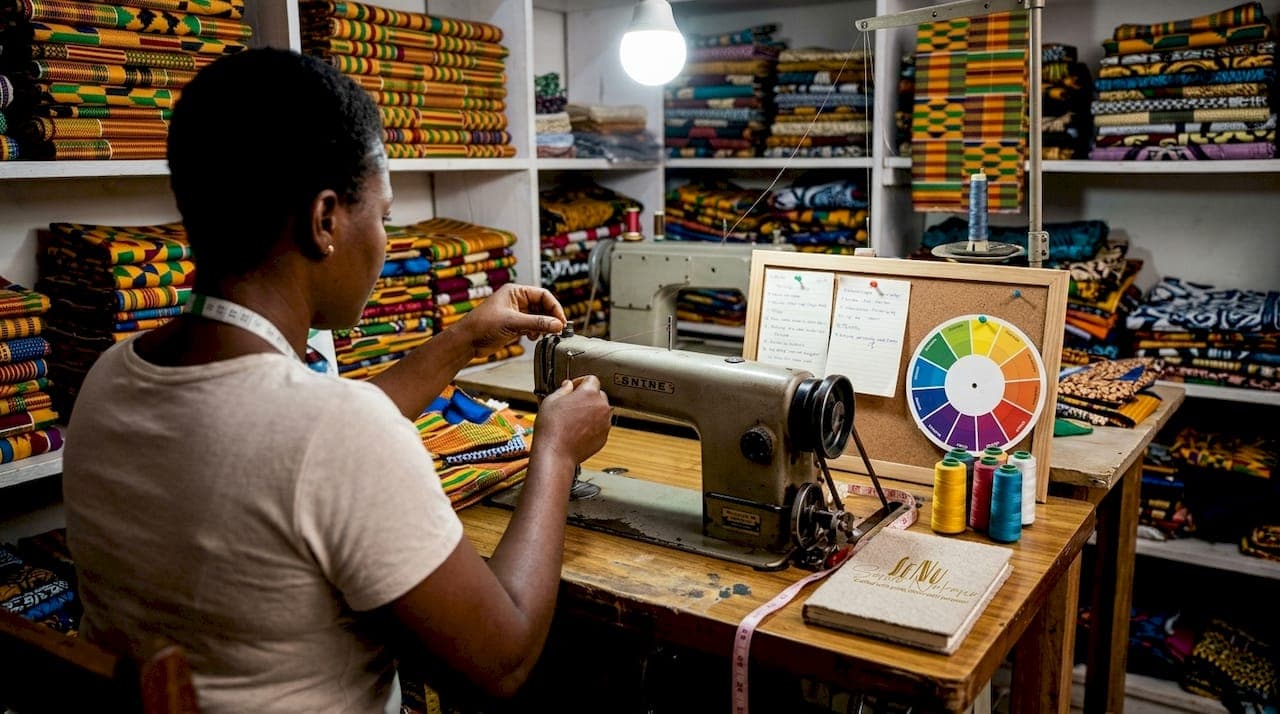
West African-inspired brands offer a vivid example of these principles in action. Rather than outsourcing to the lowest bidder, many of these brands work directly with local artisans whose families have practiced weaving, dyeing, and tailoring for generations. The result is clothing that is both culturally resonant and ethically grounded. When you choose handmade ethical style, you are not just buying a garment. You are becoming part of a living tradition.
Practical examples of ethical principles showing up in modern West African-inspired designs include hand-woven Kente cloth sourced from Ghanaian cooperatives, natural indigo dyeing practiced by Malian artisans, and tailoring workshops in Senegal that train young women and pay above-market wages. These are not abstract ideals. They are real decisions made by real brands that believe fashion should uplift, not exploit.
Certifications, sourcing, and supply chain transparency
Understanding the core values is only step one. The next challenge is knowing how to verify that a brand actually lives by those values. This is where certifications and supply chain transparency become essential tools for conscious consumers.
Several key certifications help signal ethical and sustainable practices. Key methodologies include certifications like GOTS, Fairtrade, and OEKO-TEX, which verify organic fibers, social responsibility, and environmental criteria across supply chains. Here is a quick comparison to help you understand what each one covers:
| Certification | Scope | Focus | What it guarantees |
|---|---|---|---|
| GOTS (Global Organic Textile Standard) | Fiber to finished product | Organic fibers and social criteria | No harmful chemicals, fair labor at every stage |
| Fairtrade | Farm and producer level | Fair wages and community investment | Minimum price guarantees and community premiums |
| OEKO-TEX Standard 100 | Finished fabric and product | Harmful substance testing | No toxic chemicals in the final garment |
Learn more about how GOTS details its certification process, including audits, traceability requirements, and which stages of production are covered.
Here are four steps to check whether a brand sources ethically:
- Look for recognized certifications. GOTS, Fairtrade, and OEKO-TEX are reputable starting points, though they cover different parts of the supply chain.
- Check wage commitments. Does the brand publicly state what it pays its workers? Transparency here is a strong indicator of integrity.
- Read their transparency reports. Annual reports or impact pages that name suppliers and share audit results are a positive sign.
- Follow empowering artisan trends and look for brands that highlight the artisans behind their collections, not just the finished product.
Pro Tip: Certifications are a helpful starting point, but they are not a silver bullet. A brand without a formal certification can still be deeply ethical if it practices radical transparency about its supply chain. Prioritize brands that show their impact over those that simply label it.
Supply chain visibility protects you from greenwashing, which is when brands use ethical language without the practices to back it up. When a brand openly shares where its fabric is sourced, who sews each piece, and what those workers are paid, that transparency builds genuine trust.
Ethical vs. sustainable fashion: What's the difference?
Now that we have explored certifications and transparency, it is time to clear up one of the most common points of confusion in conscious fashion: the difference between ethical and sustainable.
Ethical fashion focuses on people, while sustainable fashion focuses on the planet. Both matter deeply, and the best brands pursue both, but they address different problems. Ethical fashion is concerned with labor rights, fair wages, and worker dignity. Sustainable fashion is concerned with environmental impact, material choices, and carbon emissions. Understanding the distinction helps you ask better questions.
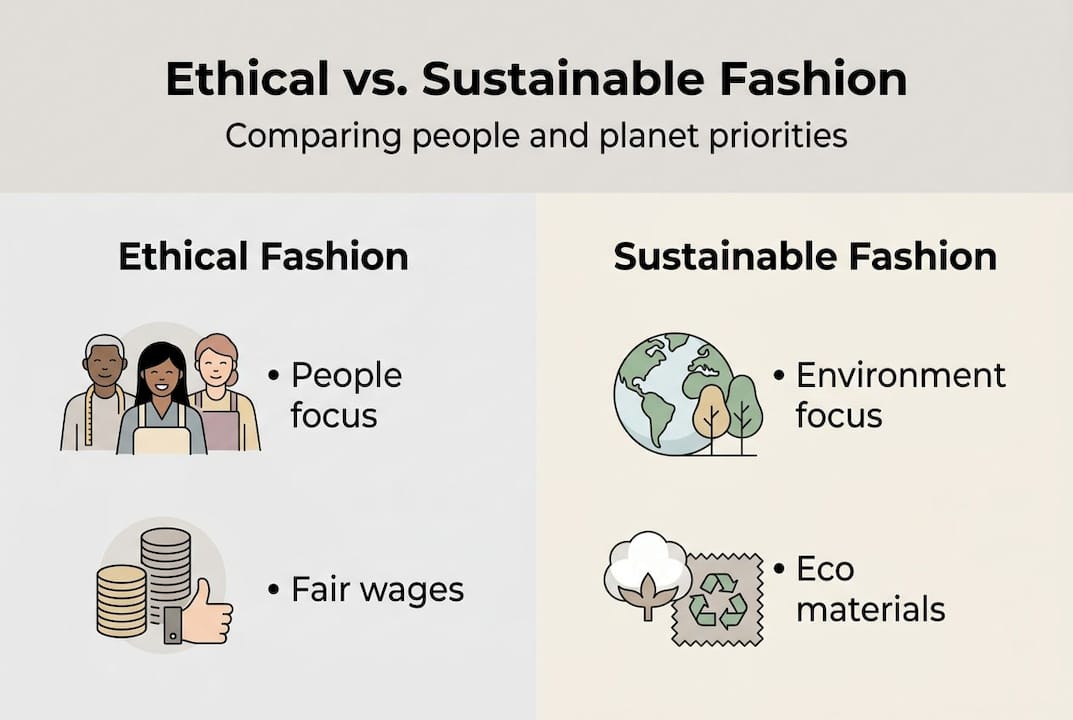
| Criteria | Ethical fashion | Sustainable fashion |
|---|---|---|
| Primary focus | People and labor rights | Environment and planet |
| Key concerns | Fair wages, worker safety, artisan support | Carbon footprint, waste, organic materials |
| Risk of failure | Exploitation hidden behind eco-friendly claims | Environmental harm masked by fair trade labels |
| West African example | Artisan cooperatives paying living wages | Using natural dyes and low-impact fibers |
Greenwashing is a real risk in both categories. A brand might promote recycled packaging while paying poverty wages. Another might feature stunning artisan photography while relying on synthetic, polluting fabrics. For sustainable fashion meaning and ethical values to align, a brand must honestly address both dimensions.
Pro Tip: Watch out for brands that lean heavily on recycled materials in their marketing but say nothing about who made the clothes or what those workers were paid. Real integrity shows up in both the environmental and the human story.
Explorers of sustainable fashion insights will find that the most trusted brands are those pursuing both ethical and sustainable practices simultaneously, acknowledging that people and planet are not competing priorities but deeply connected ones. When you choose clothing that honors both values, your wardrobe becomes a quiet act of transformation.
Empowerment and style: Why ethical fashion matters for West African-inspired clothing
Now that you understand the ethics and sustainability landscape, let us look at why these principles carry such profound meaning for West African-inspired designs, and how your wardrobe can directly empower communities.
Did you know? The fast fashion impacts of the global clothing industry account for approximately 10% of the world's carbon emissions, and GOTS-certified production now covers over 4 million employees worldwide.
This scale makes every conscious purchase count. Ethical West African brands empower through craftsmanship, turning cultural heritage into stylish, durable wear that carries meaning far beyond the fabric.
Here is how ethical fashion specifically empowers when rooted in West African tradition:
- Living wages: Artisans earn fair compensation that supports their families and strengthens local economies.
- Heritage preservation: Traditional weaving, printing, and dyeing techniques are kept alive and passed to the next generation.
- Creative empowerment: When artisans are valued as creative partners rather than low-cost labor, innovation flourishes.
- Community strength: Revenue that stays within artisan communities funds schools, healthcare, and infrastructure.
Supporting empowering West African styles means your purchase reaches far beyond the garment itself. It honors a lineage of skill and resilience that has shaped cultures for centuries. And the quality speaks for itself. Garments made with intention and care simply last longer, reducing waste and extending the life of your wardrobe in ways that also benefit the planet.
Style and values do not have to compete. In fact, the intersection of fashion heritage and ethics is where the most compelling clothing lives. When a dress carries the story of the artisan who made it, it becomes more than an outfit. It becomes a statement about who you are and what you believe.
Our take: What most ethical fashion guides miss
We have read a lot of ethical fashion guides, and most of them stop at certifications. They hand you a checklist and call it empowerment. But here is what we have learned: certifications verify compliance, not character. They confirm that a brand met a standard at a given moment. They cannot measure whether artisans feel proud of their work, whether communities are genuinely thriving, or whether a brand's relationship with its makers is rooted in respect.
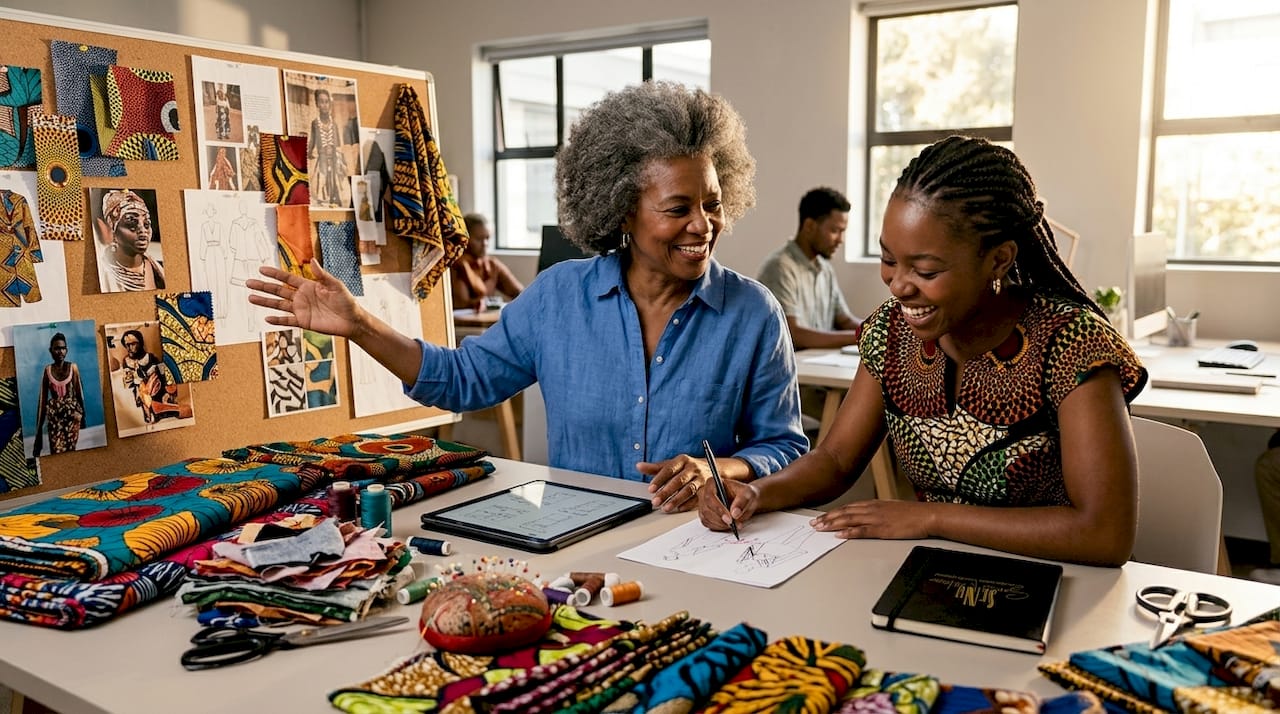
True ethical fashion storytelling goes deeper. It names the artisans. It shares their words. It shows you the workshop, the thread, the dyeing vat. It connects you to the culture-inspired fashion statements that gave the design its soul. Many brands use the language of empowerment without actually involving the communities they claim to uplift.
We believe the next frontier for ethical fashion is radical transparency paired with genuine partnership. Empowerment grows when brands invest in artisans' skills, celebrate their heritage publicly, and share both the wins and the challenges honestly.
"A label tells you what a brand claims. The story behind the label tells you who they truly are."
Discover ethical style with Sena Nukunu
You now have the knowledge to shop with intention, ask the right questions, and choose pieces that align with your values. The next step is finding clothing that brings all of this to life beautifully.
At Sena Nukunu, every piece in our collection is rooted in West African heritage, crafted with purpose, and designed to make you feel regal. You can shop ethical dresses that tell a story of resilience and artistry, or explore custom designs that let you wear your values and your style in perfect harmony. Our curated selections are made in limited quantities, with care and intention woven into every seam. Discover your next statement piece and become part of a community that believes fashion should always uplift.
Frequently asked questions
How can I tell if a fashion brand is ethical?
Look for trusted certifications like GOTS, Fairtrade, and OEKO-TEX, and prioritize brands that openly share who makes their clothes, what those workers are paid, and how their supply chain operates.
Is ethical fashion always sustainable?
Not necessarily. Ethical fashion focuses on people and fair labor, while sustainable fashion addresses environmental impact. The best brands pursue both, but each concept targets a different dimension of responsible production.
Why support West African-inspired ethical clothing?
Buying from these brands means your purchase directly empowers artisans, preserves vibrant cultural traditions, and ensures that craftsmanship and heritage continue to thrive for future generations.
Does buying ethical fashion really make a difference?
Absolutely. Even small shifts in your buying habits support fair wages and extending garment life by nine months saves significant resources and reduces the fashion industry's overall environmental and human impact.