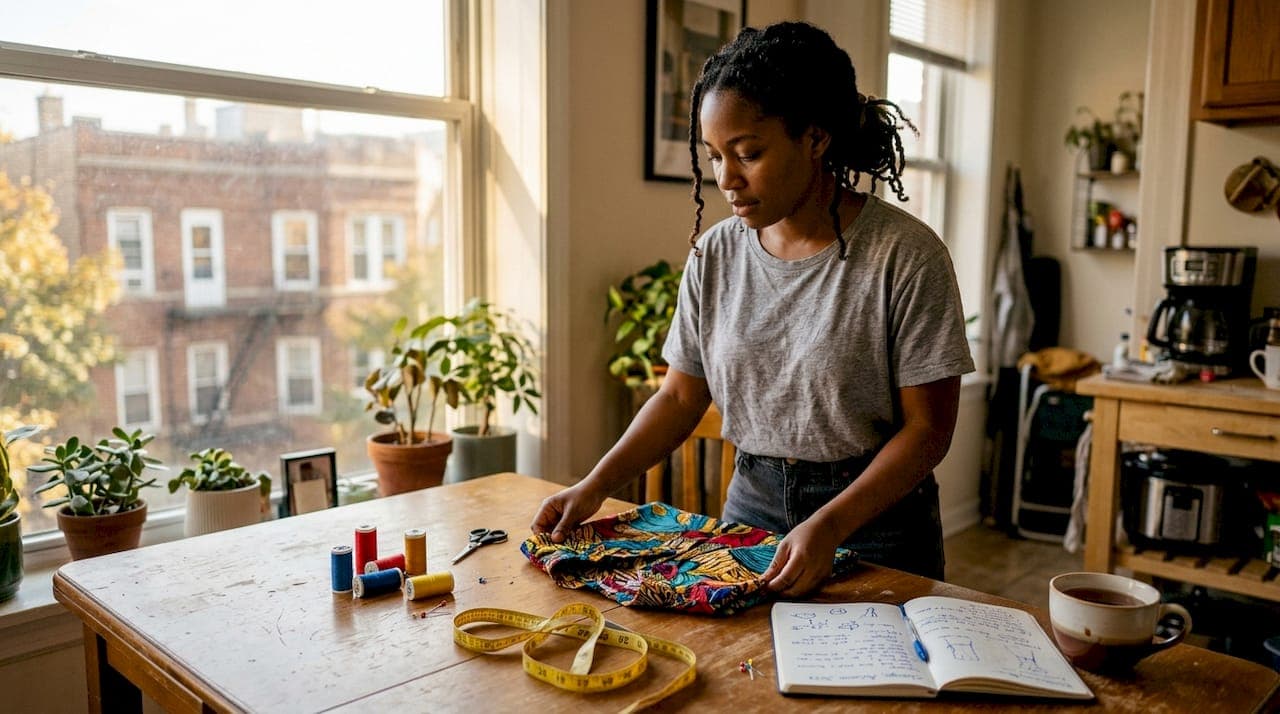
Fashion is more than what you wear — it's a declaration of identity, a bridge to heritage, and a catalyst for economic change. When you choose clothing crafted by West African artisans using traditional fabrics like Ankara and Kitenge, you're not just selecting a dress or a set. You're participating in a movement that empowers communities, preserves centuries-old techniques, and challenges the superficiality of fast fashion. This article explores how West African inspired styles empower fashion-conscious US women through cultural storytelling, ethical craftsmanship, and the fusion of tradition with contemporary aesthetics, offering practical guidance to embrace this transformative approach to style.
Table of Contents
- Key takeaways
- Understanding fashion empowerment through West African craftsmanship
- How West African styles influence contemporary US fashion trends
- Challenges and nuances in ethical West African fashion empowerment
- Applying fashion empowerment: How to embrace West African inspired styles ethically
- Explore empowering West African fashion with Sena Nukunu
- Frequently asked questions
Key Takeaways
| Point | Details |
|---|---|
| Artisan training empowerment | Ethical West African craftsmanship relies on artisan training, fair wages, and sustainable methods to empower communities and preserve traditional skills. |
| Direct trade impact | Direct trade connects consumers with artisan communities, increasing the share of payment that goes to creators and funding women’s empowerment and local development. |
| Heritage and modern fusion | Traditional fabrics such as Ankara and Kitenge are used in contemporary styles that honor heritage while appealing to modern aesthetics. |
| Transparency in partnerships | Brands that disclose artisan partnerships and provide long term commitments emphasize fair wages, traceability, environmental responsibility, and ethical sourcing. |
Understanding fashion empowerment through West African craftsmanship
Fashion empowerment means using clothing as a tool for cultural expression, economic justice, and personal identity. In the context of West African craftsmanship, this concept extends beyond aesthetics to encompass the entire production chain. When artisans in Burkina Faso, Ghana, or Nigeria create textiles using traditional methods, they're preserving skills passed down through generations while earning sustainable incomes that support their families and communities.
Artisan training and sustainable craftsmanship using African prints like Ankara and Kitenge form the backbone of this empowerment model. These methodologies prioritize skill development, fair wages, and environmental responsibility. Unlike mass-produced garments churned out by exploitative factories, each piece created through ethical West African fashion channels represents hours of skilled labor, cultural knowledge, and intentional design.
Direct trade models amplify this impact by connecting consumers directly with artisan communities. When you purchase fashion with purpose, a larger percentage of your payment reaches the creators themselves. This economic structure supports women's empowerment initiatives, funds education programs, and invests in community infrastructure. The ripple effects extend far beyond a single transaction.
Key elements of West African craftsmanship empowerment include:
- Preservation of handwoven fabrics like Kente and Aso Oke that carry symbolic meanings
- Training programs teaching traditional dyeing techniques such as indigo resist and batik
- Cooperative structures that give artisans collective bargaining power and shared resources
- Quality control systems ensuring cultural authenticity and technical excellence
- Environmental practices using natural dyes and sustainable fiber sources
Pro Tip: Look for brands that transparently share their artisan partnerships and production processes. Authentic empowerment models feature named communities, fair wage commitments, and long-term relationships rather than one-off sourcing arrangements.
This approach fosters economic independence while maintaining cultural pride. Artisans don't simply replicate Western designs with African fabrics. They innovate within their traditions, creating contemporary interpretations that honor ancestral techniques while meeting modern aesthetic preferences. The result is clothing that tells a story, carries meaning, and empowers everyone involved in its creation and wearing.
How West African styles influence contemporary US fashion trends
West African prints have moved from niche cultural expression to mainstream fashion influence, reshaping how US women approach color, pattern, and silhouette. Ankara fabric, with its bold geometric patterns and vibrant color combinations, originated from Dutch wax print techniques adopted and transformed by West African designers into distinctly African aesthetic languages. Kitenge, popular in East Africa but sharing roots with West African textile traditions, features similarly striking designs that communicate social status, celebration, and identity.
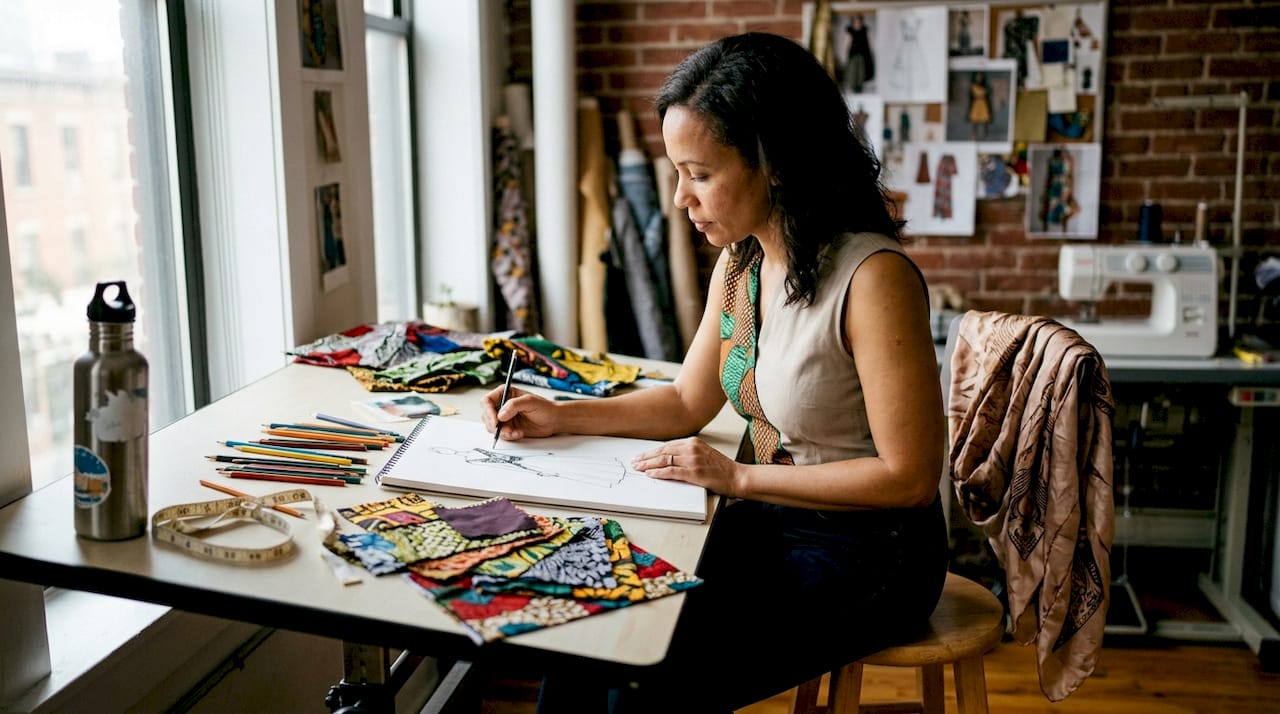
These traditional fabrics now appear in fusion styles that blend cultural heritage with contemporary US fashion sensibilities. A tailored blazer cut from Ankara fabric pairs African textile artistry with Western professional dress codes. Wide-leg palazzo pants in Kitenge print offer comfort and cultural statement simultaneously. Wrap dresses that echo traditional West African garment construction get updated with modern necklines and lengths suitable for diverse US settings.
Fashion politics and style choices reflect deeper identity questions. Traditional West African styles fuse with contemporary US fashion in ways that allow wearers to signal multiple affiliations. You can present as professionally polished while celebrating African heritage. You can dress rebelliously against fashion conformity while honoring conservative cultural values embedded in traditional prints. This duality creates space for complex identity expression unavailable through purely Western or purely traditional clothing choices.
| Traditional Element | Modern Fusion Application | Empowerment Outcome |
|---|---|---|
| Ankara geometric prints | Structured blazers and pencil skirts | Professional presence with cultural pride |
| Kente strip weaving | Accent details on contemporary silhouettes | Subtle heritage signaling in diverse settings |
| Wrap garment construction | Adjustable dresses with modern cuts | Comfort and adaptability honoring tradition |
| Bold color combinations | Statement pieces in minimalist wardrobes | Confidence through distinctive aesthetic |
| Symbolic motifs | Conversation-starting accessories | Cultural education through wearable art |
Pieces like the iron eclipse sovereign style demonstrate this fusion perfectly. The garment structure follows contemporary fashion lines while the fabric choice and cultural references root it firmly in West African aesthetic traditions. This balance allows US women to participate in global fashion conversations while maintaining authentic connections to African heritage.
The symbolic meanings embedded in West African prints add layers of empowerment beyond visual impact. Adinkra symbols from Ghana communicate concepts like strength, unity, wisdom, and resilience. Wearing these symbols becomes an act of affirmation, a daily reminder of values and aspirations. The clothing transforms from mere covering to wearable philosophy, empowering the wearer through constant connection to meaningful cultural concepts.
Challenges and nuances in ethical West African fashion empowerment
The path to truly empowering West African fashion faces significant obstacles that conscious consumers must understand to make informed choices. These challenges don't negate the value of ethical fashion but require nuanced approaches and realistic expectations.
Top five challenges in ethical African fashion empowerment:
- Supply chain transparency remains difficult to verify, with multiple intermediaries between artisans and consumers obscuring true production conditions and profit distribution
- Scaling ethical production while maintaining quality and fair wages creates tension between accessibility and exclusivity
- Cultural appropriation concerns arise when non-African designers use African prints without proper attribution, collaboration, or benefit-sharing
- Limited access to quality materials in some regions forces artisans to choose between authenticity and affordability
- Market education requires ongoing investment as consumers learn to value craftsmanship over fast fashion convenience
Fashion styles reflect political and social identities, creating additional complexity. Ethical African fashion counters fast fashion's exploitative model but faces supply chain challenges that make consistent ethical sourcing difficult. Fashion also serves as political identity marker, with conservative and rebellious expressions both finding voice through African inspired styles. A woman might choose modest silhouettes in vibrant Ankara to honor religious values while celebrating cultural heritage. Another might select body-conscious cuts in the same fabrics to challenge both Western beauty standards and traditional modesty expectations.
Research shows that traditional clothing enhances quality of life and cultural identity regardless of gender, fostering resilience and social cohesion. This finding challenges assumptions that fashion empowerment primarily benefits women. Men and non-binary individuals also gain psychological and social benefits from culturally connected clothing choices. The empowerment extends beyond individual confidence to community belonging and intergenerational connection.
"Cultural clothing serves as more than decoration. It functions as a psychological anchor, connecting wearers to heritage, community, and values that transcend temporary fashion trends. This connection builds resilience against cultural erasure and strengthens social cohesion within diaspora communities."
Balancing tradition with innovation presents ongoing tension. Artisans must evolve their techniques to meet contemporary market demands without compromising the cultural integrity that makes their work valuable. Too much innovation risks losing authentic connection. Too much tradition risks market irrelevance. Successful ethical fashion finds the sweet spot where cultural respect and contemporary appeal coexist.
Pro Tip: Support brands that address these challenges transparently rather than claiming perfection. Look for companies that acknowledge difficulties, share their problem-solving approaches, and demonstrate continuous improvement in their ethical practices.
Styles like adinkra tide palazzo pants show how thoughtful design navigates these challenges. The pants use authentic Adinkra symbolism while offering a contemporary silhouette that fits diverse lifestyles. The wide-leg cut provides comfort and modesty options while remaining fashion-forward. This design philosophy respects tradition without being bound by it.
Applying fashion empowerment: How to embrace West African inspired styles ethically
Transforming understanding into action requires practical strategies for selecting, styling, and supporting West African fashion that genuinely empowers artisan communities while expressing your personal identity.
Start by identifying authentic, ethically made pieces. Genuine West African inspired clothing typically features several markers. The fabric quality shows hand or high-quality machine printing with clear, vibrant colors that don't fade quickly. Construction details reveal skilled tailoring with finished seams and thoughtful design elements. Brand transparency includes information about artisan partnerships, production locations, and fair wage commitments. Certifications from organizations like the Ethical Fashion Initiative provide third-party verification of empowerment claims.
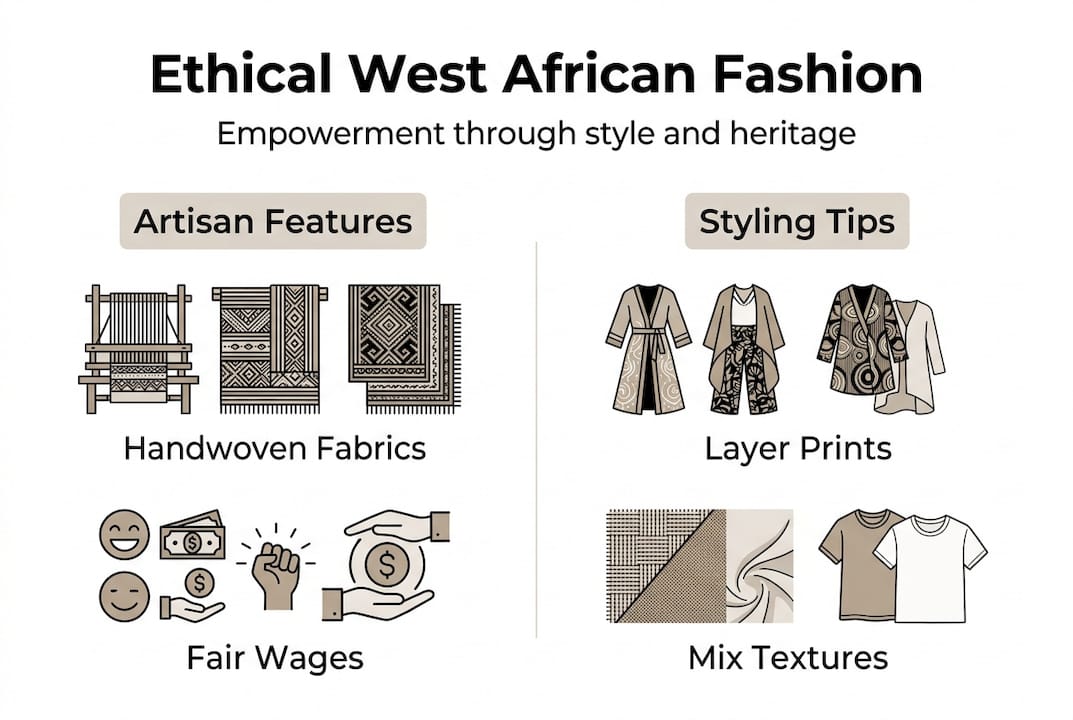
Styling strategies help incorporate vibrant prints into modern wardrobes without overwhelming your aesthetic. Begin with one statement piece like a dress or jacket, pairing it with solid neutrals that let the print shine. As you gain confidence, experiment with print mixing by combining different African prints that share a color family. Balance bold patterns with simple silhouettes or vice versa. Layer African print pieces under or over Western basics to create fusion looks that feel personally authentic.
Key styling approaches include:
- Workplace integration through tailored blazers or pencil skirts in African prints paired with solid blouses or shells
- Casual weekend looks combining African print tops with denim or neutral pants
- Special occasion statements using full dresses or matching sets that showcase the fabric's impact
- Accessory introductions through scarves, bags, or jewelry featuring African design elements
- Seasonal adaptation by choosing lighter prints and breathable fabrics for summer, richer tones for fall and winter
Supporting artisan communities extends beyond individual purchases. Engage with brands that practice direct trade and transparent profit sharing. Share your purchases on social media with proper attribution to educate your network about ethical fashion. Attend trunk shows or pop-up events where you can meet artisans or brand representatives directly. Invest in custom design services that allow you to collaborate with designers while ensuring fair compensation for their expertise.
Methodologies for empowerment include fusion of traditional West African styles with US fashion sensibilities. This approach creates accessible entry points for women new to African inspired fashion while maintaining cultural authenticity and supporting artisan communities through ethical production models.
Browse collections of unique African print dresses to see the range of styles available. From casual day dresses to elegant evening wear, the variety demonstrates how West African aesthetics translate across occasions and personal style preferences. Each piece offers an opportunity to express cultural appreciation while supporting empowerment initiatives.
Pro Tip: Invest in handwoven fabrics for lasting quality. While more expensive initially, these pieces become wardrobe anchors that improve with age, tell richer stories, and provide superior durability compared to mass-produced alternatives. The cost per wear decreases dramatically over time.
Care for your African inspired pieces properly to honor the craftsmanship. Hand wash or use gentle cycles for printed fabrics to preserve color vibrancy. Air dry when possible to maintain fabric integrity. Store pieces properly to prevent fading from sunlight exposure. This mindful care extends garment life while demonstrating respect for the artisans who created them.
Explore empowering West African fashion with Sena Nukunu
Ready to transform your understanding into action? Sena Nukunu offers a curated collection of culturally rich, ethically crafted West African inspired apparel designed specifically for fashion-conscious US women who value both style and substance.
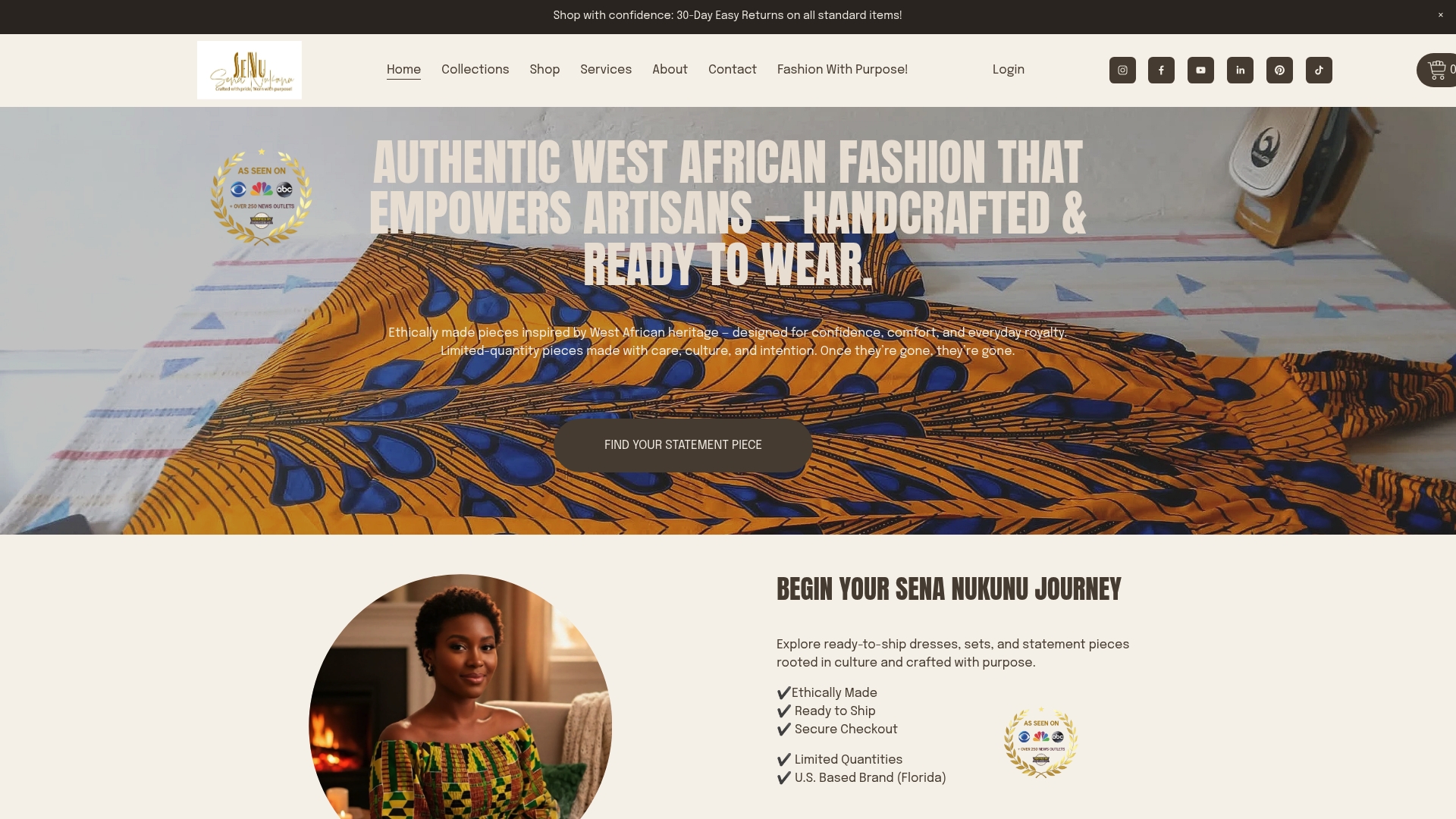
Our selection spans ready-to-wear African print dresses, statement sets, and versatile pieces that honor West African heritage while fitting seamlessly into contemporary lifestyles. Each garment supports sustainable craftsmanship and direct trade relationships with African artisan communities, ensuring your fashion choices create positive impact beyond your wardrobe. Explore Sena Nukunu vibrant styles to discover pieces that empower you and the artisans who craft them. For truly personalized expressions of cultural pride, our custom design services connect you directly with skilled designers who can bring your vision to life while maintaining ethical production standards and fair compensation practices.
Frequently asked questions
What is fashion empowerment and why does it matter?
Fashion empowerment uses clothing to express identity, cultural pride, and economic support for ethical production. It matters because your clothing choices can preserve traditional crafts, provide fair wages to artisans, and communicate your values while building confidence through culturally meaningful style.
How do West African fabrics symbolize heritage and resilience?
West African fabrics like Ankara, Kente, and Kitenge carry symbolic meanings through their patterns, colors, and motifs. Adinkra symbols represent concepts like strength and wisdom, while specific color combinations signal social status or occasions. Wearing these fabrics connects you to centuries of cultural knowledge and community resilience.
What makes West African fashion ethical compared to fast fashion?
Ethical West African fashion prioritizes artisan training, fair wages, sustainable materials, and transparent supply chains. Unlike fast fashion's exploitative labor practices and environmental damage, ethical production supports community development, preserves traditional techniques, and creates clothing designed for longevity rather than disposability.
How can I participate in ethical fashion empowerment as a consumer?
Participate by purchasing from brands with transparent artisan partnerships and fair wage commitments. Support direct trade models, invest in quality pieces over quantity, care for garments to extend their life, and educate others about ethical fashion. Choose customization services that compensate designers fairly for their expertise.
Can I wear West African styles without appropriating culture?
Yes, when you approach it respectfully. Purchase from African-owned brands or those with genuine partnerships benefiting African communities. Learn about the cultural significance of patterns and symbols you wear. Give proper attribution when sharing your style, and view your clothing as cultural appreciation rather than costume.