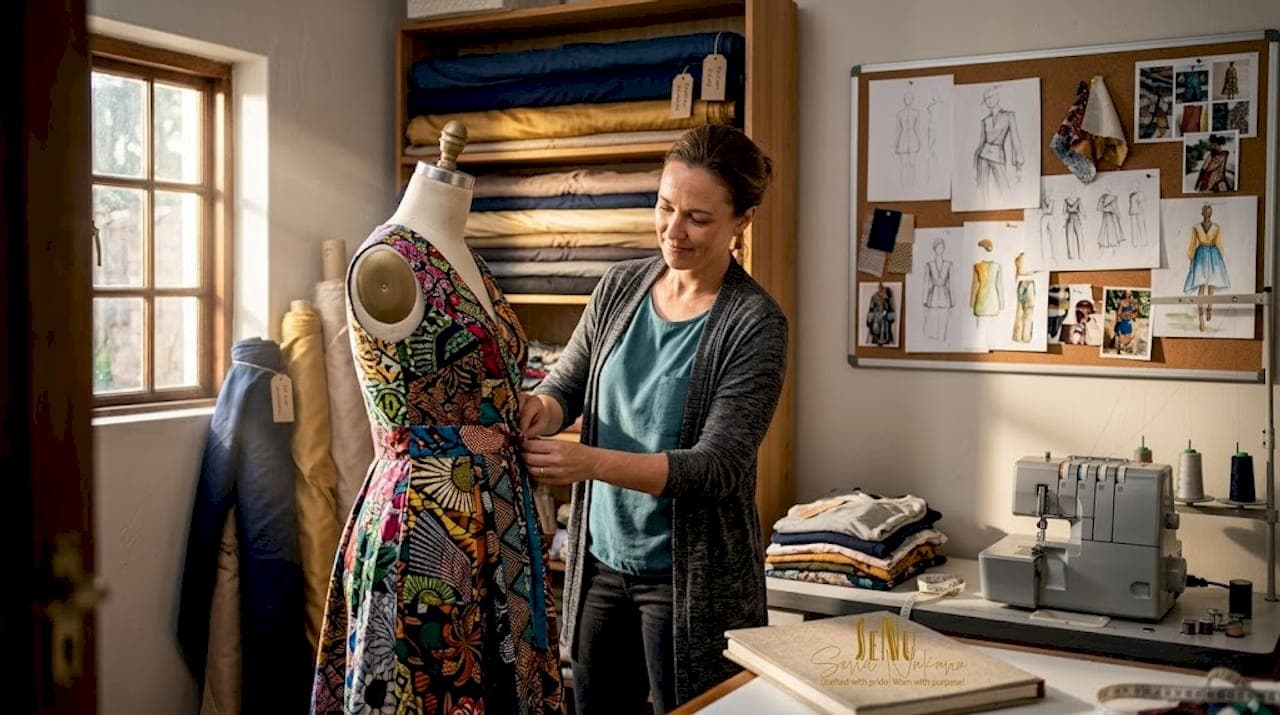
TL;DR:
- Ready-to-wear fashion is affordable, accessible, and produced in standard sizes for immediate wear.
- It differs from couture and bespoke, which are handcrafted, custom-fitted, and more exclusive.
- West African RTW combines cultural heritage with ethical craftsmanship, supporting artisans and community impact.
You probably own at least a dozen ready-to-wear pieces right now, and yet the term itself might feel unfamiliar. Most fashion lovers wear ready-to-wear every single day without knowing its origins, how it differs from couture, or the powerful role it plays in cultural storytelling. Ready-to-wear is not just a production method. It is a movement that shapes what we wear, what we value, and whose stories get told through fabric and form. For those of us drawn to West African heritage and ethical craftsmanship, understanding ready-to-wear opens a door to fashion that is both deeply personal and globally meaningful.
Table of Contents
- What is ready-to-wear fashion?
- How ready-to-wear differs from haute couture and bespoke
- The global impact and growth of ready-to-wear fashion
- West African ready-to-wear: Balancing heritage and ethical craftsmanship
- Why ready-to-wear's reputation is due for a rethink
- Discover vibrant West African ready-to-wear for your wardrobe
- Frequently asked questions
Key Takeaways
| Point | Details |
|---|---|
| Ready-to-wear defined | Ready-to-wear means clothes made in standard sizes for immediate use, not custom tailored. |
| Couture vs. RTW | Haute couture is handcrafted and exclusive, while RTW brings fashion to everyone. |
| Global impact | Ready-to-wear dominates the fashion market, making style accessible and shaping cultural trends. |
| Heritage matters | West African RTW fuses tradition and ethics, supporting artisans and women. |
| Sustainable options | You can choose RTW brands that use ethical sourcing and preserve artisan skills. |
What is ready-to-wear fashion?
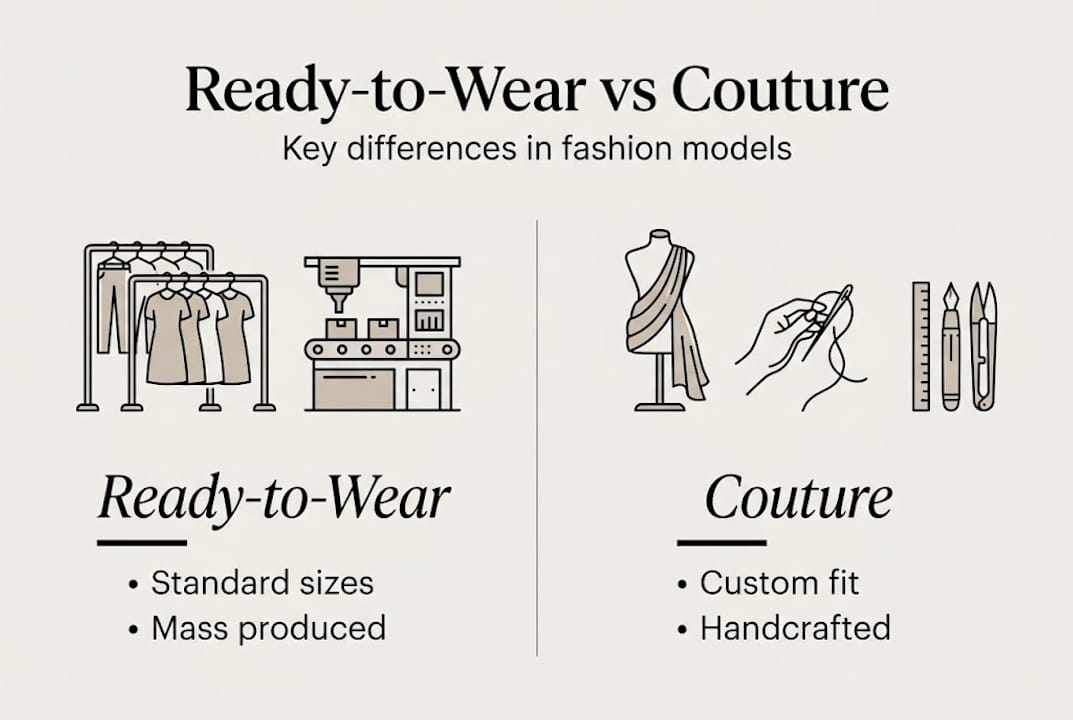
At its core, ready-to-wear definition means factory-made garments produced in standard sizes for immediate purchase and wear, without needing custom tailoring, distinguishing it from haute couture or bespoke clothing. You walk into a store or browse online, find your size, and it is ready to go. No waiting weeks for fittings. No custom measurements. Just beautiful clothing, made to fit a range of bodies, available now.
This model did not always exist. Before the Industrial Revolution, most clothing was either made at home or commissioned from a tailor. The rise of textile machinery in the 19th century changed everything, making it possible to produce garments at scale and sell them to a much wider public. Fashion, once reserved for the wealthy, became something ordinary people could access and enjoy.
Here is how ready-to-wear sizing actually works, because it is more nuanced than most people realize:
- Proportional grading: Sizes are scaled using proportional measurements across the body, not just a simple increase in every dimension.
- Industry standards: Brands follow established sizing charts that account for bust, waist, hip, and length ratios.
- Fit variations: Different brands interpret sizing differently, which is why the same number can fit differently across labels.
- Inclusive sizing: Many ethical and culturally inspired brands are expanding size ranges to honor diverse body types.
"Every stitch in a ready-to-wear garment carries the potential for a story, a community, and a legacy, if the hands that made it are honored and the culture it draws from is respected."
Exploring ready-to-wear African attire shows how this model has been thoughtfully adapted to carry cultural weight alongside commercial convenience. The result is clothing that is accessible without being disposable, and meaningful without being exclusive.
How ready-to-wear differs from haute couture and bespoke
Once you understand what ready-to-wear is, it helps to see where it stands in relation to the most exclusive forms of fashion. The differences are significant, and they shape everything from price to purpose.
Haute couture is the pinnacle of fashion craftsmanship. Regulated by the Chambre Syndicale de la Haute Couture in Paris, it requires that garments be handcrafted to order for private clients, using the highest quality materials. A single piece can take over 1,000 hours to complete, and the price tag reflects that investment. Couture builds brand prestige and pushes creative boundaries, but it is accessible to very few.
Bespoke clothing sits between couture and ready-to-wear. It is custom-fitted to an individual's measurements, often crafted by skilled artisan tailors, and produced one piece at a time. Bespoke is more accessible than couture but still commands a premium price and a longer production timeline.
Here is a clear comparison to help you see how these three categories stack up:
| Feature | Ready-to-Wear | Haute Couture | Bespoke |
|---|---|---|---|
| Production | Mass or small-batch | Fully handcrafted | Made-to-measure |
| Fit | Standard sizes | Custom to client | Custom to client |
| Price | Affordable to mid-range | Very high | High |
| Accessibility | Wide | Very limited | Limited |
| Cultural role | Broad storytelling | Prestige and innovation | Personal expression |
| Timeline | Immediate | Months | Weeks |
The key advantages of ready-to-wear come down to three things:
- Access: More people can own beautifully designed clothing without a custom budget.
- Affordability: Lower production costs translate to more approachable price points.
- Variety: Brands can offer a wider range of styles, colors, and cultural influences.
Couture still matters deeply. It is where design innovation lives, and it sets the visual language that filters down into ready-to-wear collections. But it is RTW that actually reaches people, and that is where cultural stories find their widest audience. Exploring West African craftsmanship and ethics reveals how these values can thrive beautifully within the ready-to-wear model.
The global impact and growth of ready-to-wear fashion
Ready-to-wear is not just a fashion category. It is the engine that drives the entire global apparel industry. The numbers are striking. The luxury RTW market was valued at $72.6 billion in 2024 and is projected to grow to $129.4 billion by 2033, at a compound annual growth rate of 6.7%. Ethical fashion, which aligns closely with conscious RTW values, was valued at $8.07 billion in 2024 and is expected to reach $11.78 billion by 2030.
| Segment | 2024 Value | Projected Value | Growth Rate |
|---|---|---|---|
| Luxury RTW | $72.6B | $129.4B (2033) | 6.7% CAGR |
| Ethical Fashion | $8.07B | $11.78B (2030) | Steady growth |
These figures tell a story about shifting consumer values. People are not just buying clothes. They are investing in what clothing represents: sustainability, cultural pride, and ethical production.
For brands rooted in West African heritage, this shift is a real opportunity. Consumers increasingly want to know where their clothes come from, who made them, and what values the brand holds. This is exactly where culturally grounded RTW shines. Reading about sustainable fashion trends shows how artisan empowerment and ethical sourcing are becoming central to the industry's future.
Pro Tip: When shopping for ready-to-wear, look for brands that share information about their production process, fabric sourcing, and the communities they support. Transparency is one of the clearest signs of an ethical label.
Understanding the principles of sustainable fashion can also help you make purchasing decisions that align with your values and support the artisans who pour their skill and heritage into every piece.
West African ready-to-wear: Balancing heritage and ethical craftsmanship
West African ready-to-wear represents something genuinely exciting in the global fashion landscape. It is a hybrid model, one that blends the scalability of RTW with the soul of artisan craftsmanship, and the result is clothing that carries real cultural meaning.
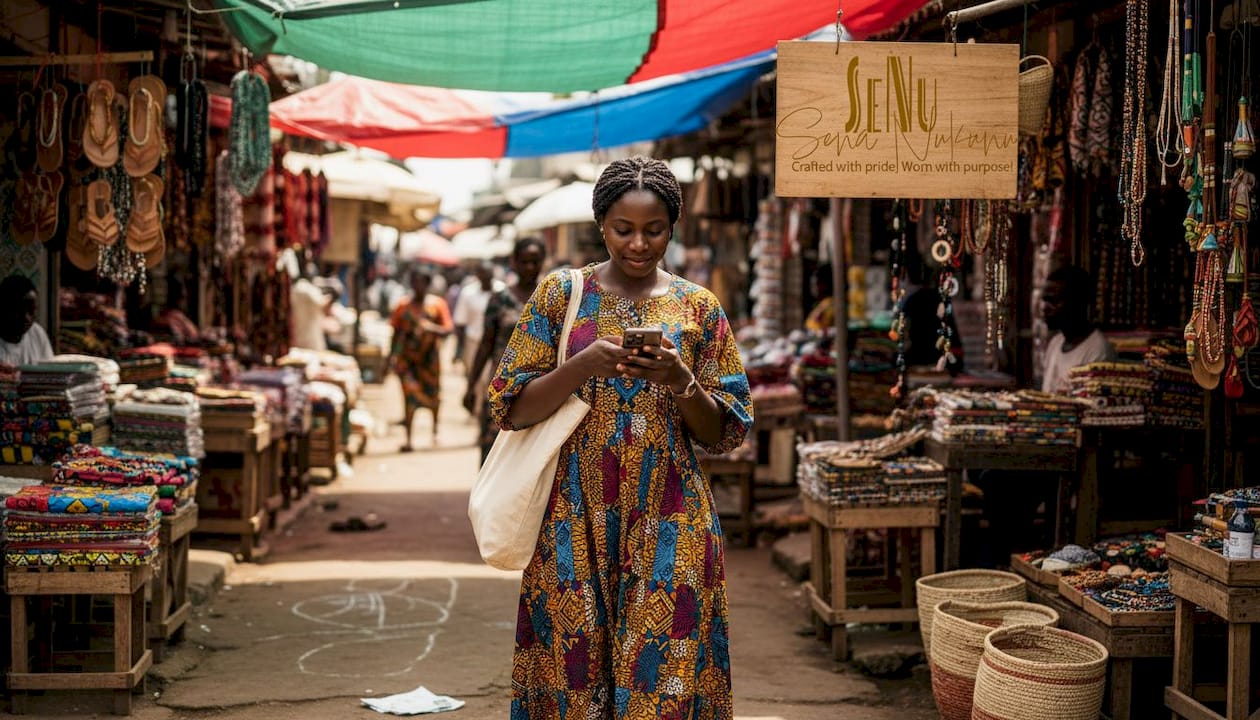
Rather than choosing between tradition and accessibility, the most thoughtful West African RTW brands choose both. They use native fabrics like kente, ankara, and kaba, incorporate hand-embroidery and hand-dyeing techniques, and produce in small batches to maintain quality and intentionality. This approach directly challenges the idea that RTW reduces craftsmanship, proving instead that it can redistribute skilled labor and honor heritage at scale.
Here is what to look for when choosing West African RTW that truly supports artisans and communities:
- Fabric provenance: Does the brand name the fabrics it uses and explain their cultural significance?
- Artisan transparency: Are the makers acknowledged, and are their working conditions described?
- Small-batch production: Limited quantities often signal greater care and intentionality in the process.
- Preferred fibers: Sustainability benchmarks suggest that top-quartile ethical brands use preferred fibers in over 58% of their materials.
- Community impact: Does the brand reinvest in the communities it draws from?
"When you wear a piece that carries the spirit of West African heritage, you are not just wearing clothing. You are wearing a story, a community, and a legacy that deserves to be seen."
Learning about West African fashion statements can deepen your appreciation for the design language behind these pieces. And if you want to take meaningful action, exploring how supporting artisan heritage works in practice gives you a clear path forward.
Pro Tip: Follow brands that share behind-the-scenes content about their makers and materials. That kind of storytelling is a strong indicator that the brand's values are genuine, not just marketing.
Understanding how cultural heritage shapes fashion also reveals why these choices matter far beyond your wardrobe. Every purchase becomes a vote for the kind of industry you want to see.
Why ready-to-wear's reputation is due for a rethink
Ready-to-wear has long carried a stigma. Mass-produced. Generic. Disposable. We understand why that reputation exists, but we also believe it is overdue for a serious rethink.
The truth is that RTW is a format, not a value judgment. What matters is who is making the clothing, what materials they are using, and what story the garment carries. When a brand uses the RTW model to bring West African artisan techniques to a wider audience, that is not a compromise. That is innovation with purpose.
Women who choose culturally rooted RTW are doing something quietly powerful. They are shifting the industry's center of gravity, away from disposable fast fashion and toward clothing that holds meaning across generations. This is especially visible in West African design, where fashion empowerment through West African style is not a trend but a lived commitment to identity, community, and pride.
We believe ready-to-wear, at its best, is one of the most democratic and culturally generous formats fashion has ever produced. The key is choosing brands that treat it that way.
Discover vibrant West African ready-to-wear for your wardrobe
Now that you understand the depth and power behind ready-to-wear fashion, it is time to bring that knowledge into your closet. At Sena Nukunu, every piece is crafted with intention, honoring West African heritage while embracing the convenience and accessibility that modern life calls for.
Browse our curated selection of unique ready-to-wear dresses and bold statement pieces that celebrate culture without compromise. Explore our full West African collections and find the styles that speak to your story. When you shop with purpose, you empower artisans, preserve traditions, and wear something that truly means something. Visit Sena Nukunu and discover your next statement piece today.
Frequently asked questions
What makes an outfit 'ready-to-wear'?
A ready-to-wear outfit is made in standard sizes for immediate purchase and wear, without requiring tailoring or custom fitting. It is designed to be accessible and convenient for a wide range of body types.
How is ready-to-wear different from couture?
Ready-to-wear focuses on standardized, accessible styles, while couture garments are handcrafted, custom fit, and often take over 1,000 hours to produce, making them far more expensive and exclusive.
Can ready-to-wear fashion be sustainable and support artisans?
Absolutely. Many ethical brands use small-batch production and preferred fiber benchmarks to ensure RTW preserves heritage skills and meets meaningful sustainability standards.
What does West African ready-to-wear look like?
West African ready-to-wear blends traditional fabrics like ankara and kente with artisan detailing and contemporary silhouettes, creating vibrant, culturally rich pieces that are both accessible and deeply meaningful.