TL;DR:
Mass production and imports threaten traditional West African textile crafts and local artisans’ livelihoods.
Identifying authentic artisan fashion involves examining craftsmanship details and asking brands about maker stories.
Supporting artisan brands through purchases, advocacy, and cultural engagement helps preserve cultural heritage.
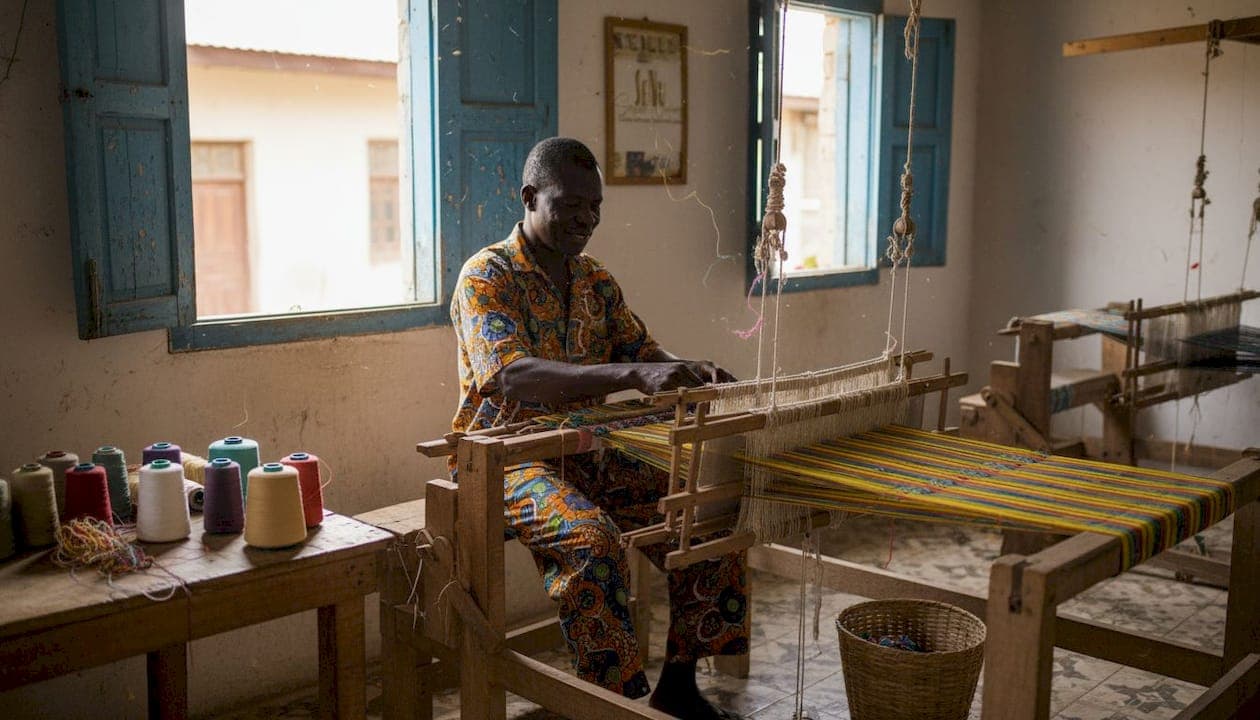
Every stitch in a handwoven kente cloth carries a story that no factory can replicate. Yet mass production and secondhand imports are quietly eroding the textile traditions that West African communities have built over centuries. The result is a fashion landscape where cultural identity gets swapped for convenience, and skilled artisans lose their livelihoods to cheap, disposable clothing. But you have real power here. This guide will show you exactly how to identify authentic artisan fashion, support the makers behind it, and amplify the voices that keep these vibrant traditions alive.
Table of Contents
-
Understanding the impact of mass production on West African fashion
-
How to identify artisan fashion: Tips for conscious shoppers
-
Amplifying artisan voices: Celebrate culture and craftsmanship
-
Our take: Why supporting artisan fashion is a modern necessity
Key Takeaways
| Point | Details |
|---|---|
| Mass production threatens culture | Cheap imports undermine artisan textile traditions, making cultural preservation urgent. |
| Look for authentic details | Handmade fabrics, ethical labels, and transparent brands help you spot genuine artisan clothing. |
| Support beyond shopping | Advocate, join campaigns, and amplify stories to empower artisans and preserve heritage. |
| Choose artisan brands | Buying from ethical, local businesses directly impacts artisan livelihoods and community pride. |
Understanding the impact of mass production on West African fashion
The global fashion industry moves fast, and not always in a direction that honors tradition. When cheap, mass-produced clothing floods local markets, it undercuts the prices that artisans need to survive. Secondhand imports compound the problem, filling markets with garments that cost almost nothing, making it nearly impossible for a skilled tailor to compete on price alone.
The Kantamanto market in Accra is one of the most striking examples of this tension. Once a hub for locally made textiles, it has become overwhelmed with imported secondhand clothing, leaving local weavers and tailors with shrinking demand and dwindling income. This is not just an economic issue. It is a cultural one.
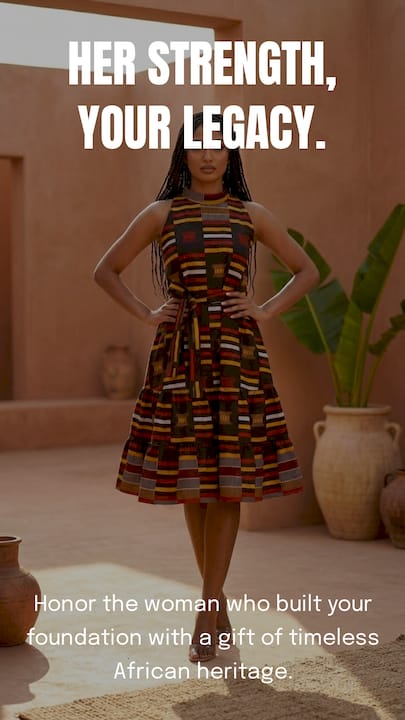
When traditional textiles disappear from everyday life, so do the techniques, the symbols, and the stories woven into them. Understanding craftsmanship and culture in West African fashion means recognizing that a garment is never just fabric. It is a living record of community values, history, and identity.
Here is a quick comparison of what separates artisan-produced clothing from mass-produced alternatives:
| Feature | Artisan-produced | Mass-produced |
|---|---|---|
| Production method | Handcrafted, small batch | Factory automated, high volume |
| Cultural meaning | Embedded in design and fabric | Absent or decorative only |
| Maker livelihood | Directly supported | Rarely benefits local artisans |
| Environmental impact | Lower, intentional | Higher, often wasteful |
| Uniqueness | One-of-a-kind or limited | Identical, interchangeable |
The losses extend beyond economics. Consider what is at stake:
-
Generational knowledge passed from elder weavers to apprentices gets interrupted
-
Symbolic textile patterns tied to ceremonies and identity fade from use
-
Local economies built around fabric markets weaken
-
Cultural pride erodes when people stop wearing traditional dress
Supporting West African style empowerment starts with understanding this full picture. The impact of mass production is real, measurable, and reversible, but only if conscious shoppers choose differently.
“Fashion is one of the most powerful tools for cultural preservation. When we choose artisan-made clothing, we are not just buying a garment. We are investing in a living tradition.”
How to identify artisan fashion: Tips for conscious shoppers
Knowing the problem is the first step. Knowing how to shop differently is where real change begins. Authentic artisan clothing has distinct qualities that set it apart, and once you know what to look for, you will spot them immediately.
Bespoke tailoring and ethical brands are leading the revival of local textile traditions, and they tend to share certain markers of quality and intention. Here is what to look for when evaluating a piece:
Physical details to examine:
-
Slight variations in pattern or stitching that signal handwork
-
Rich, densely woven fabrics like kente, ankara, or mudcloth
-
Hand-finished seams and edges rather than machine-uniform hems
-
Natural dye variations that give fabric depth and character
-
Embroidery or beadwork that shows individual artistry
Brand transparency to seek:
-
Clear information about who made the garment and where
-
Named artisan communities or cooperatives in product descriptions
-
Ethical sourcing statements and fair wage commitments
-
Limited production runs that reflect intentional, small-batch making
Understanding craftsmanship importance helps you ask the right questions before you buy. A brand that values its makers will always be proud to tell you about them.
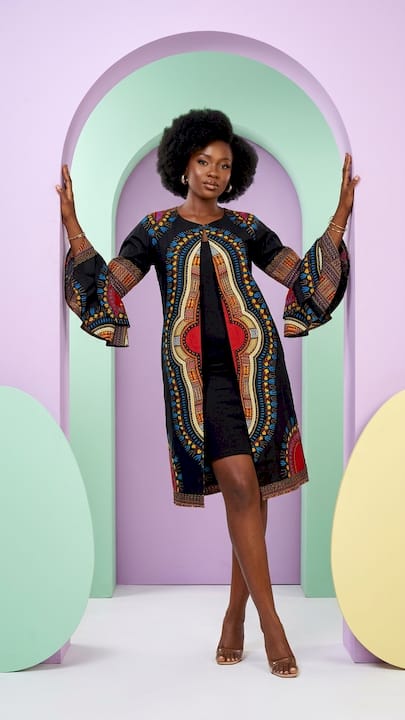
| Marker | Artisan piece | Mass-produced piece |
|---|---|---|
| Fabric texture | Handwoven, varied | Uniform, synthetic |
| Stitching | Slightly irregular, intentional | Machine-perfect, rigid |
| Brand story | Maker-focused, specific | Vague or absent |
| Price point | Reflects true labor cost | Artificially low |
| Availability | Limited, seasonal | Always in stock, endless |
Pro Tip: When shopping online or in person, ask the seller one direct question: “Can you tell me about the person or community who made this?” A brand committed to ethical fashion storytelling will answer with pride and detail. If the answer is vague or generic, that tells you something important.
Authentic artisan fashion may cost more upfront, but it holds its value in ways that fast fashion never can. You are not just buying a dress. You are wearing a piece of someone’s skill, time, and cultural legacy.
Supporting artisan brands through purchasing and advocacy
Once you can identify artisan fashion, the next step is building habits that consistently support it. This goes beyond a single purchase. It is about creating a pattern of choices that sends a clear message to the market.
Here are five practical steps to make your support count:
-
Buy directly from artisan brands. Skip the middlemen and shop from platforms and designers who work directly with makers. Your money reaches the artisan faster and in greater amounts.
-
Prioritize limited-edition and small-batch collections. These signal intentional production and often fund specific artisan communities.
-
Participate in cultural campaigns. Initiatives like Ghana’s National Friday Wear encourage people to wear locally produced textiles regularly, normalizing artisan fashion in everyday life.
-
Choose brands with verified ethical commitments. Look for fair wage policies, artisan partnerships, and transparent supply chains.
-
Invest in versatile statement pieces. A well-made artisan jacket or matching set worn repeatedly does more good than ten fast-fashion items worn once.
Advocacy matters just as much as purchasing. Here is how to extend your impact:
-
Share your artisan purchases on social media with the maker’s story
-
Tag the brand and encourage your followers to explore their collections
-
Write honest reviews that highlight craftsmanship and cultural value
-
Recommend artisan brands to friends looking for meaningful gifts
Exploring a sustainable fashion empowerment approach means seeing your wardrobe as a form of community investment. Building an Afrocentric wardrobe around intentional pieces is one of the most joyful and purposeful ways to do that.
Pro Tip: Set a personal goal to replace one fast-fashion purchase per season with an artisan piece. Over a year, that is four intentional choices that directly support makers, preserve traditions, and build a wardrobe with genuine depth and meaning.
Amplifying artisan voices: Celebrate culture and craftsmanship
Buying artisan fashion is powerful. Talking about it is even more powerful. When you share the story behind a garment, you multiply its cultural impact far beyond your own wardrobe.
Ethical brands and bespoke tailoring are reviving local traditions, but they need visibility to thrive. Here is how you can help amplify artisan voices in your everyday life:
-
Attend cultural fashion events that showcase West African designers and textile traditions
-
Follow and engage with artisan brands on social media, not just to like posts but to comment, share, and start conversations
-
Wear your artisan pieces with intention and be ready to tell the story behind them when someone asks
-
Collaborate with local cultural organizations that celebrate West African heritage through fashion, art, and community gatherings
-
Support artisan-focused media by reading, sharing, and subscribing to publications that center maker stories
Personal style stories carry enormous weight. When you wear a statement artisan piece and share where it came from, you become part of the cultural narrative. You are not just a customer. You are a storyteller, a bridge between the maker and the wider world.
“Cultural pride is not a trend. It is a foundation. When we celebrate the artisans who carry our traditions forward, we ensure that those traditions have a future.”
Celebrating craftsmanship also means educating the people around you. Many consumers simply do not know the difference between artisan-made and mass-produced clothing. Your enthusiasm and knowledge can change that, one conversation at a time. Every time you choose to wear and speak about artisan fashion, you are contributing to a movement that values people, culture, and craft over speed and disposability.
Our take: Why supporting artisan fashion is a modern necessity
Conventional wisdom says buy what fits your budget and your schedule. We understand that. But this framing misses something essential: the true cost of cheap fashion is paid by the artisans who lose their livelihoods and the communities who lose their cultural identity.
We believe that countering mass production is not a sacrifice. It is an upgrade. When you choose artisan fashion, you gain something that no mass-produced garment can offer: a genuine connection to the hands, the heritage, and the heart behind what you wear.
The uncomfortable truth is that convenience has been normalized at the expense of culture. Most people do not realize they are participating in the erosion of something irreplaceable. But awareness changes behavior, and behavior changes markets.
We also believe that craftsmanship and heritage are not nostalgic luxuries. They are living, breathing expressions of resilience and creativity that deserve a place in your everyday wardrobe. Real empowerment comes from knowing the story behind what you wear and choosing to honor it.
Explore authentic West African artisan styles
You now have the knowledge, the tools, and the inspiration to make fashion choices that truly matter. The next step is finding pieces that bring all of this to life in your wardrobe.
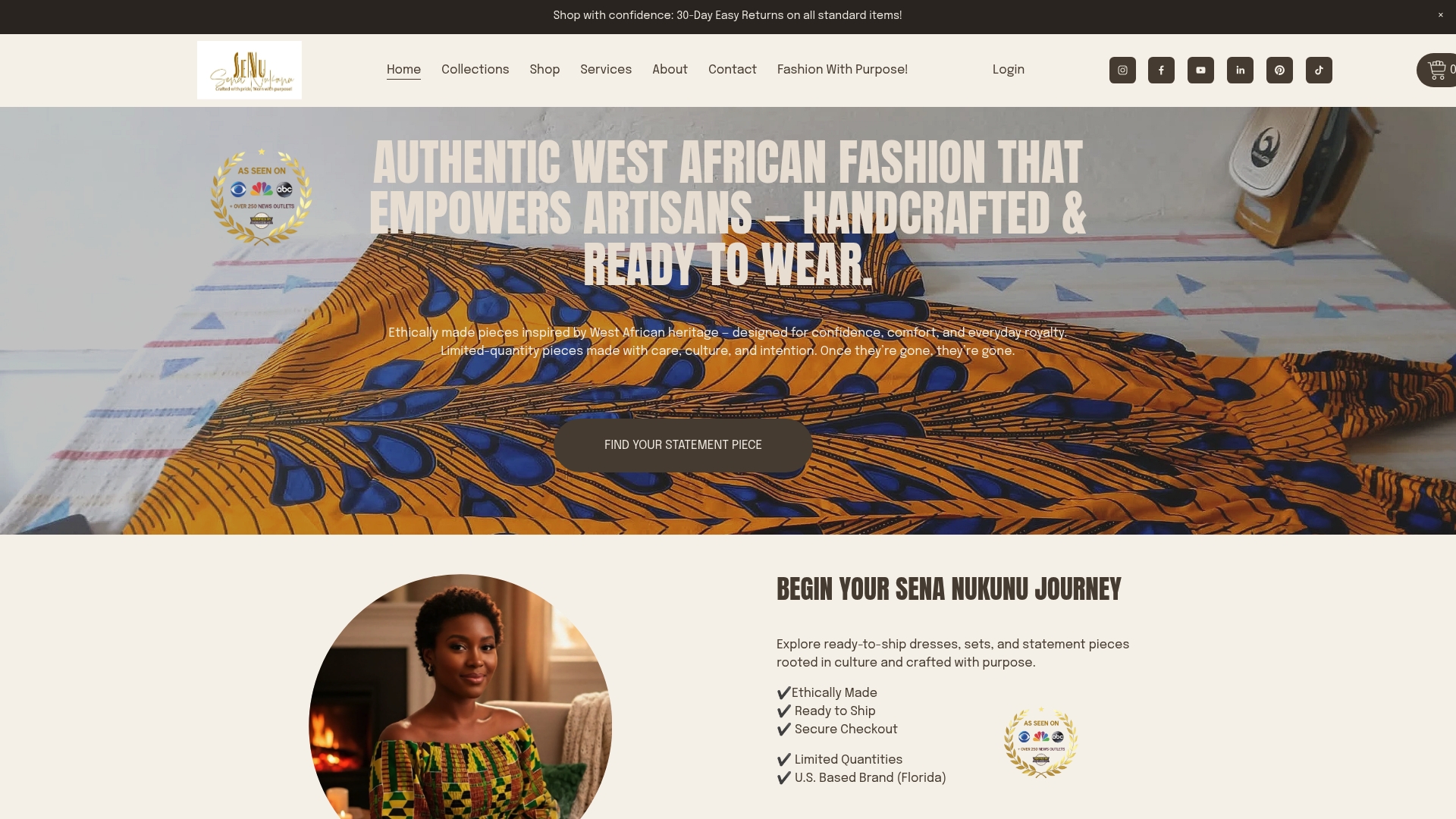
At Sena Nukunu, we curate ready-to-wear designs rooted in West African heritage, crafted with care and produced ethically in limited quantities. Every piece is made to empower you and honor the artisans behind it. Explore vibrant artisan styles that speak to your cultural pride and personal power. Browse our unique artisan dress styles for statement pieces ready to wear today, or discover our full range of artisan collections to find the perfect expression of your story.
Frequently asked questions
How can I ensure the fashion I buy is truly artisan-made?
Look for handmade details like fabric variation and hand-finished seams, seek brands that name their makers and share production stories, and ask sellers directly about their sourcing and ethical commitments.
What is Ghana’s National Friday Wear campaign?
It is a government initiative that encourages citizens to wear locally produced textiles every Friday, designed to promote artisan tailors and keep traditional textile practices alive and economically viable.
Why does mass production threaten artisan fashion?
Mass production and secondhand imports flood markets with clothing priced far below what artisans can match, forcing skilled makers out of business and causing traditional techniques and cultural textile knowledge to disappear.
How can I amplify artisan voices beyond buying their products?
Share artisan stories and your personal style moments on social media, attend cultural fashion events that celebrate West African heritage, and actively recommend ethical brands to your community to grow their visibility and impact.