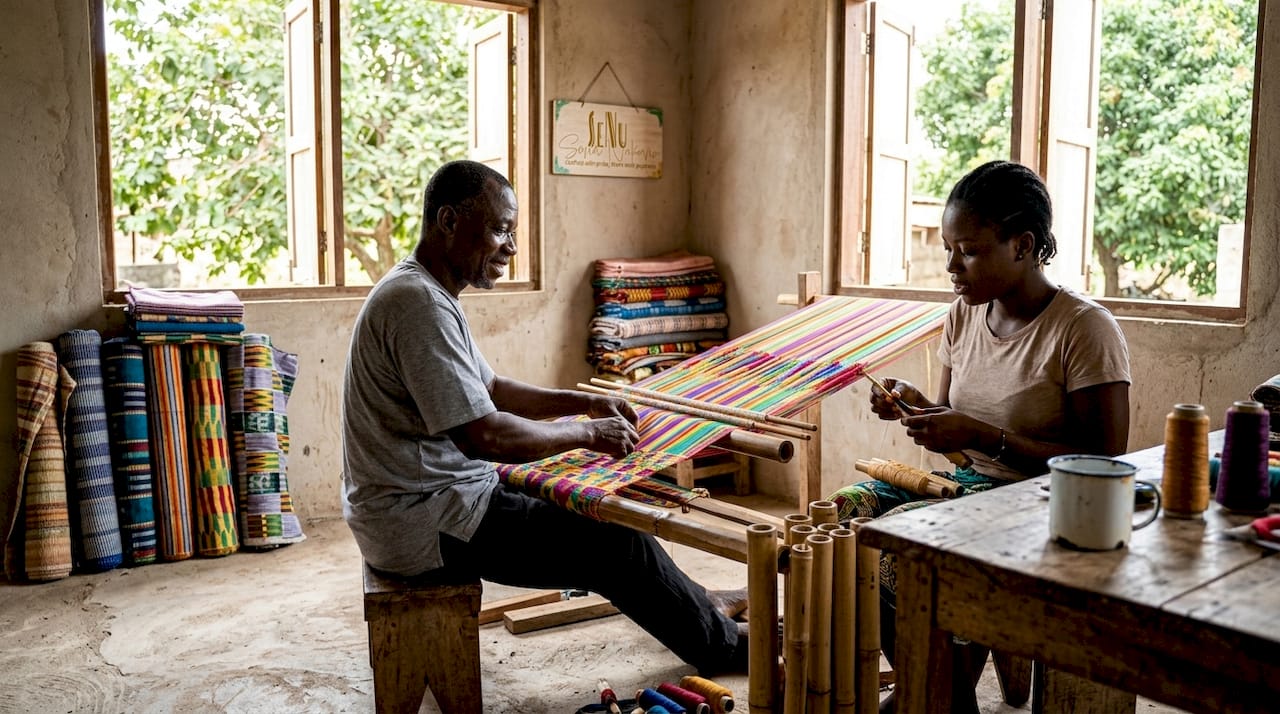
Finding unique, ethically made clothing that honors West African heritage while supporting artisans sustainably presents a challenge for many fashion-conscious women. You want pieces that tell a story, celebrate cultural pride, and minimize environmental impact, yet the market often feels opaque. Sustainable fashion rooted in West African traditions offers a powerful solution, blending natural fibers, artisan techniques, and ethical production to create statement pieces you can wear with confidence. This article reveals five key sustainable fashion trends transforming West African style, helping you make informed wardrobe choices that empower communities and preserve heritage.
Table of Contents
- Key takeaways
- Criteria for choosing sustainable fashion that honors West African heritage
- Top sustainable fashion trends in West Africa shaping 2026 wardrobes
- Comparing sustainable fashion approaches: artisan empowerment vs global luxury collaborations
- Making mindful wardrobe decisions: practical tips for supporting sustainable West African fashion
- Discover unique sustainable styles celebrating West African heritage
- Frequently asked questions
Key Takeaways
| Point | Details |
|---|---|
| Sustainable fiber certifications | Look for GOTS or OEKO TEX to verify sustainable and ethical materials and production. |
| Local natural fibers | Prioritize pieces made from cotton raffia and hemp sourced locally to connect with West African traditions and reduce environmental impact. |
| Fair cooperative partnerships | Seek brands that collaborate with West African artisan cooperatives to ensure fair wages and preservation of traditional techniques. |
| Small batch approach | Choose made to order and small batch items to minimize waste and keep cultural authenticity. |
| Transparent production questions | Ask brands about cooperative partnerships and production timelines to verify transparency and genuine artisan connections. |
Criteria for choosing sustainable fashion that honors West African heritage
When selecting sustainable fashion focused on West African culture, you need clear benchmarks to evaluate authenticity and ethical impact. Start by seeking GOTS or OEKO-TEX certified pieces that ensure sustainable fibers and safe production methods. These certifications verify that materials meet strict environmental and social standards, giving you confidence in your purchase.
Prioritize locally produced pieces using natural fibers like cotton, raffia, and hemp. These materials connect directly to West African agricultural traditions and biodegradable properties reduce environmental harm. Look for brands that collaborate directly with West African artisan cooperatives, ensuring fair wages and preserving traditional techniques. Transparency in these partnerships signals genuine commitment rather than surface-level marketing.
Small-batch and made-to-order models help maintain uniqueness while reducing waste. Mass production often compromises both cultural authenticity and environmental sustainability. When you choose limited-quantity pieces, you support thoughtful craftsmanship and minimize overproduction. Check for cultural authenticity through fabric choices, beading patterns, and tailoring methods that reflect genuine West African design traditions rather than appropriated aesthetics.
Explore various design services that connect you with authentic artisan work and empower artisan programs focused on community development. These resources help you understand the people and processes behind your clothing, building meaningful connections between your wardrobe and the artisans who create it.
Pro Tip: Ask brands specific questions about their cooperative partnerships and production timelines. Authentic relationships with artisan communities will be detailed and transparent, while vague answers often signal less genuine commitments.
Top sustainable fashion trends in West Africa shaping 2026 wardrobes
West African designers are leading the sustainable fashion movement with five prominent trends that blend tradition with modern sensibility. Natural fibers like cotton, raffia, and hemp have become treasured luxury materials, valued for their environmental benefits and cultural significance. These fibers provide breathability, durability, and a connection to ancestral agricultural practices.
-
Natural fiber luxury: Designers elevate cotton, raffia, and hemp into high-end pieces that rival synthetic luxury materials. The tactile quality and sustainable properties make these fibers desirable for statement dresses and everyday wear alike.
-
Crochet and knitwear revival: Traditional techniques like crochet and hand-knitting incorporate sustainable practices while preserving artisan skills. These items often feature intricate patterns passed down through generations, making each piece a wearable cultural artifact.
-
Cultural embellishments: Beads, cowries, and traditional embroidery highlight heritage and storytelling. These details transform simple garments into conversation pieces that celebrate West African identity and craftsmanship.
-
Sharp tailoring with cultural fabrics: Modern silhouettes merge with traditional prints and weaves, creating versatile pieces that work in professional and social settings. This trend demonstrates how cultural fashion can be both authentic and contemporary.
-
Elevated everyday wear: Artisan-made pieces designed for daily life support sustainable livelihoods while offering style versatility. From Adinkra tide palazzo pants to unique African dresses, these items prove sustainable fashion fits seamlessly into modern wardrobes.
These trends reflect a broader movement where sustainability and cultural pride intersect. You can build a wardrobe that honors tradition while meeting contemporary style needs, supporting artisan communities with every purchase.
Pro Tip: Mix statement cultural pieces with elevated everyday wear to maximize versatility. A hand-beaded jacket pairs beautifully with simple tailored pants, letting you showcase artisan work without overwhelming your look.
Comparing sustainable fashion approaches: artisan empowerment vs global luxury collaborations
Two primary approaches shape sustainable West African fashion's future, each with distinct benefits and challenges. Understanding these models helps you make choices aligned with your values.
| Approach | Benefits | Challenges |
|---|---|---|
| Artisan cooperatives | Preserve culture, ensure fair wages, maintain authenticity | Limited scale, slower production, higher costs |
| Global luxury collaborations | Financial growth, wider reach, increased visibility | Risk of appropriation, unequal partnerships, cultural dilution |
Artisan cooperatives preserve culture and ensure fair wages but face limitations in scale and production speed. These grassroots models prioritize community empowerment and cultural integrity over rapid growth. Upcycling and local weaving are survival strategies embedded in West African culture, offering sustainable solutions rooted in tradition.
Global luxury brand collaborations bring financial growth and international exposure but may appropriate designs without equitable partnerships. When major fashion houses partner with West African artisans, the results can boost income and visibility. However, without careful structuring, these relationships risk exploiting cultural heritage while concentrating profits outside the communities that originated the designs.
Challenges include cultural appropriation, textile waste, and difficulty scaling artisan production ethically. The Kantamanto Market in Ghana receives millions of pounds of textile waste annually, highlighting the environmental crisis facing the region. Solutions focus on cooperatives and policy support like Ghana's $2 billion plan to boost ethical production infrastructure.
Consumers can support models that balance scale with cultural respect by:
- Researching brand partnerships to verify equitable profit sharing
- Prioritizing cooperatives that reinvest in artisan communities
- Supporting policy initiatives that protect cultural intellectual property
- Choosing brands transparent about their supply chain and labor practices
The most promising path forward combines cooperative strength with strategic partnerships that respect cultural ownership. Explore Sena Nukunu vibrant styles for examples of ethical production that honors West African heritage while delivering modern quality.
Making mindful wardrobe decisions: practical tips for supporting sustainable West African fashion
Building a sustainable, culturally authentic wardrobe requires intentional choices and ongoing education. Start by prioritizing brands offering traceability and small-batch or made-to-order options. Nigeria's sustainable fashion market is growing rapidly, with 74% of consumers valuing traceable, artisan-made pieces. This growth makes it easier to find authentic options that align with your values.
Support local artisan cooperatives to boost community livelihoods directly. When you purchase from cooperatives, more of your money reaches the people creating your clothing. These organizations often provide education, healthcare, and economic stability for entire communities, making your wardrobe choices a form of meaningful impact.
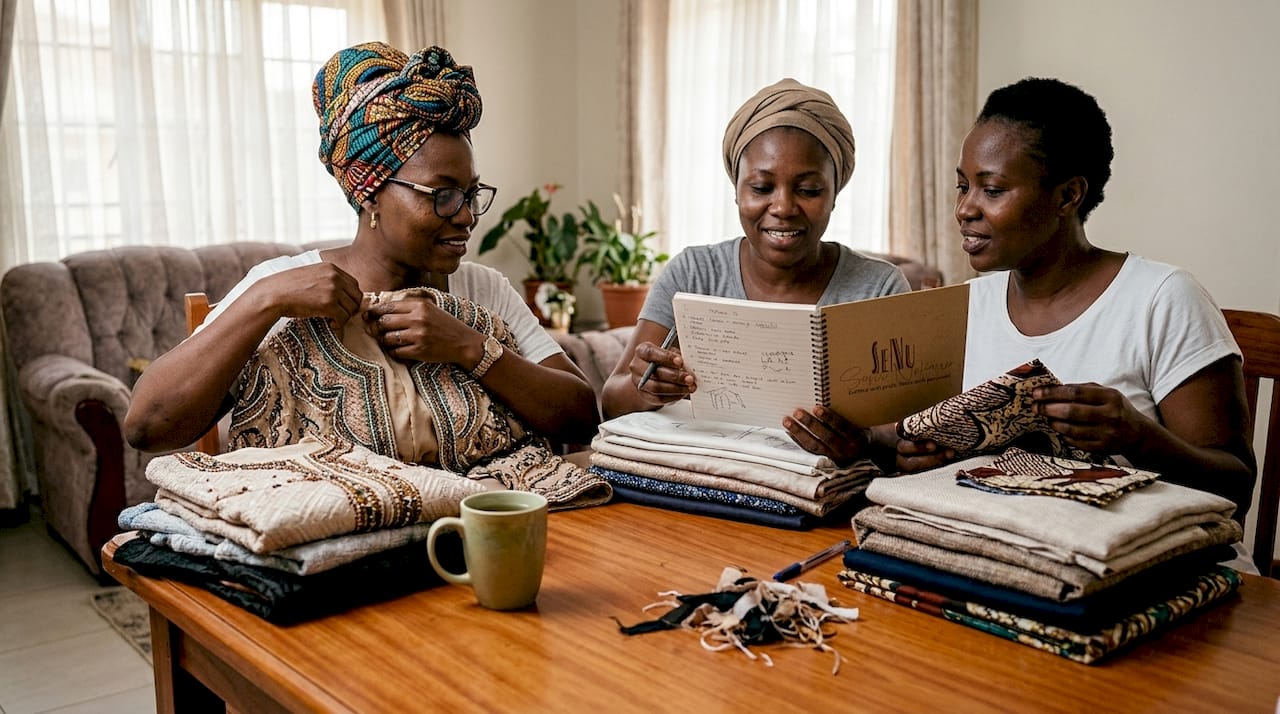
Mix statement cultural pieces with elevated everyday wear for versatility. You don't need an entirely new wardrobe to embrace sustainable West African fashion. A few key pieces like unique African hoodies or African inspired accessories can transform your existing wardrobe while supporting artisan work.
Watch for certifications and brand transparency on sourcing and labor. GOTS and OEKO-TEX certifications verify environmental and social standards, but also look for brands that openly share artisan stories and production processes. Transparency signals genuine commitment to ethical practices.
Consider these additional strategies:
- Start with one or two statement pieces rather than overwhelming yourself with a complete wardrobe overhaul
- Follow West African designers and cooperatives on social media to learn about new collections and cultural context
- Attend virtual or in-person fashion events showcasing sustainable West African work
- Join communities of conscious consumers to share recommendations and hold brands accountable
- Invest in quality over quantity, choosing pieces that will last years rather than seasons
Pro Tip: Create a personal values checklist before shopping. List your priorities like fair wages, natural fibers, cultural authenticity, and local production, then use it to evaluate potential purchases. This simple tool keeps you focused on what matters most to you.
Discover unique sustainable styles celebrating West African heritage
Now that you understand the trends and criteria shaping sustainable West African fashion, you're ready to explore authentic collections that bring these principles to life. Sena Nukunu offers ethically made pieces featuring vibrant West African prints, artisan collaborations, and sustainable natural fibers.
Each piece in our collection celebrates cultural heritage while supporting fair labor practices and environmental responsibility. From African inspired dresses to complete Sena Nukunu collections, you'll find handmade designs crafted with care and purpose. Our partnerships with artisan cooperatives ensure that your purchase directly empowers communities preserving traditional techniques.
Explore Sena Nukunu vibrant styles to discover how sustainable fashion can honor West African heritage while fitting seamlessly into your modern lifestyle. Every piece tells a story of craftsmanship, cultural pride, and ethical production, giving you confidence that your wardrobe reflects your values.
Frequently asked questions
What are the key natural fibers used in sustainable West African fashion?
Cotton, raffia, and hemp are the primary natural fibers favored for their sustainability and cultural significance. These materials provide durability, biodegradability, and support local agriculture. They connect modern sustainable fashion to ancestral traditions while offering environmental benefits that synthetic materials cannot match.
How can consumers ensure they support ethical artisan cooperatives?
Look for transparency in sourcing, fair wage policies, and certifications like GOTS or OEKO-TEX. Choose brands that openly share cooperative partnerships and production stories, providing detailed information about the artisans creating your clothing. Ask specific questions about profit sharing and community reinvestment to verify genuine commitment beyond marketing claims.
What challenges does sustainable fashion face in West Africa today?
Key issues include cultural appropriation, textile waste, and difficulties scaling artisan production sustainably. The Kantamanto Market receives massive amounts of discarded clothing, creating environmental crises. Solutions focus on community cooperatives, upcycling initiatives, and supportive policies like Ghana's $2 billion ethical production plan that builds infrastructure for sustainable growth.
Are there certifications that verify sustainable fashion authenticity?
Yes, certifications like GOTS and OEKO-TEX ensure sustainable fiber use and ethical production standards. These third-party verifications examine everything from organic farming practices to safe dye processes and fair labor conditions. Buying certified items supports environmental and social responsibility while giving you confidence in the authenticity of sustainability claims.