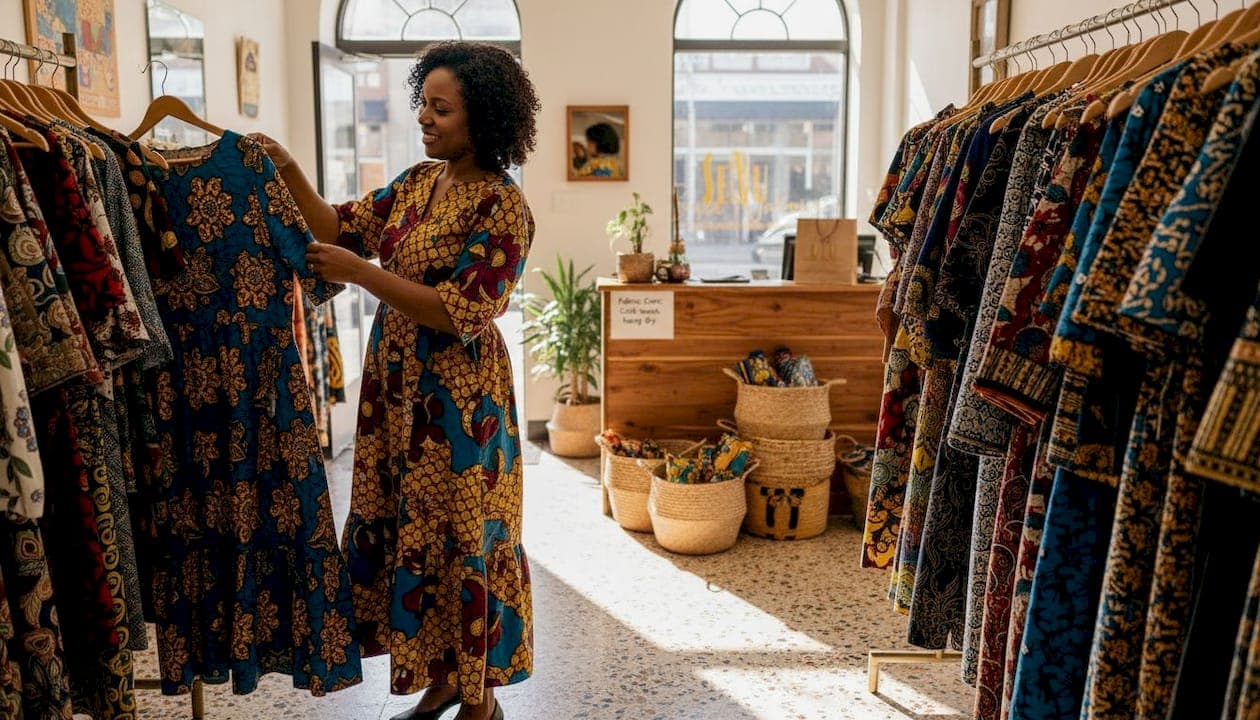
TL;DR:
- RTW African fashion is rapidly growing, offering accessible, culturally rich, and immediate options for women.
- Traditional fabrics like Ankara and Kente are reimagined in modern, stylish garments that honor heritage.
- Ethical RTW supports artisans through fair wages, local sourcing, and cultural preservation, countering fast fashion.
West African fashion carries a reputation for being deeply personal, custom crafted, and built around the tailor-client relationship. That image is powerful and true, but it tells only part of the story. A vibrant shift is underway, and ready-to-wear African attire is stepping into its own as a meaningful, culturally rich option for women who want to wear their heritage with confidence, right now, without waiting weeks for a fitting. In this article, we explore what ready-to-wear really means in the context of West African fashion, the fabrics that make it sing, the ethical choices that make it matter, and how it compares to the bespoke tradition many of us grew up loving.
Table of Contents
- Understanding ready-to-wear African attire
- Fabrics and styles: Fusing tradition with modern design
- Ethical production: How RTW supports artisans and sustainability
- RTW vs. bespoke: Comparisons, trade-offs, and cultural impact
- The real future of African RTW: Finding a sustainable balance
- Explore vibrant, ethical ready-to-wear African fashion
- Frequently asked questions
Key Takeaways
| Point | Details |
|---|---|
| Convenience and culture | Ready-to-wear African attire delivers rich tradition with instant, accessible style. |
| Textiles matter | Distinctive fabrics like Ankara and Kente define the look and feel of RTW garments. |
| Ethics and artisans | Choosing ethical RTW supports local craftspeople and preserves cultural heritage. |
| RTW vs. bespoke | Both RTW and bespoke attire have unique roles and value in today’s fashion world. |
Understanding ready-to-wear African attire
Ready-to-wear, often abbreviated as RTW, refers to clothing that is pre-made in standard sizes and available for immediate purchase. Unlike bespoke garments, which are crafted to a single person's exact measurements and style preferences, RTW pieces are designed to fit a range of body types and are ready to go the moment you find them. In the world of West African fashion, this distinction carries real weight.
For generations, custom-made wear was the standard for traditional attire like Agbada (a flowing wide-sleeved robe worn across West Africa), Iro ati Buba (a two-piece Yoruba ensemble of wrapper skirt and blouse), Kaftans, and Ankara ensembles. Today, RTW is rising to meet the needs of a new generation of fashion-conscious women who want both speed and soul.
So what kinds of garments fall under the RTW umbrella in West African fashion? Here are some of the most beloved styles:
- Kaftans: Loose, flowing garments with roots in North and West African dress, now reimagined in bold Ankara prints
- Jumpsuits and wide-leg sets: Modern silhouettes cut from traditional fabrics, blending comfort with cultural pride
- Wrap dresses and midi dresses: Feminine, versatile pieces that honor traditional draping techniques
- Senator suits: Structured two-piece ensembles popular across Nigeria, now available in RTW cuts
- Boubous: Grand, draped garments from Senegal and Mali, adapted into wearable everyday pieces
Why is RTW growing so rapidly? Busy lifestyles play a big role. Many women in the diaspora and across West Africa simply do not have weeks to wait for a tailor. They want to celebrate their culture at a birthday dinner, a work event, or a casual Saturday outing without the lead time that bespoke requires. RTW also opens the door for global audiences who may not have access to a skilled West African tailor nearby but still feel a deep pull toward modern West African style.
"Ready-to-wear is not a compromise. It is an invitation, welcoming more people into the beauty and meaning of West African fashion, on their own schedule."
Accessibility, affordability, and instant gratification are powerful forces, and when combined with genuine cultural craftsmanship, they create something truly special.
Fabrics and styles: Fusing tradition with modern design
The soul of any West African garment lives in its fabric. Understanding the textiles used in RTW African attire helps you appreciate not just what you are wearing, but the stories woven into every thread. West African fabrics like Ankara, Aso Oke, Adire, Funtua cotton, and Kente are finding new life in contemporary RTW silhouettes, and the results are stunning.
Here is a quick guide to the key fabrics and the garments they inspire:
| Fabric | Origin and meaning | Common RTW garment |
|---|---|---|
| Ankara | Dutch-wax printed cotton, widely adopted across West Africa | Wrap dresses, jumpsuits, sets |
| Aso Oke | Hand-woven Yoruba cloth, used for ceremonies | Statement jackets, headwraps |
| Adire | Yoruba resist-dyed indigo fabric | Midi dresses, blouses |
| Funtua cotton | Nigerian-grown cotton, breathable and lightweight | Casual kaftans, wide-leg trousers |
| Kente | Woven Ghanaian cloth with symbolic color meanings | Accent pieces, structured dresses |
What makes RTW so exciting right now is the creativity designers bring to these fabrics. Traditional Aso Oke, once reserved for weddings, is now showing up as a structured blazer you can wear to a gallery opening. Adire, with its gorgeous indigo tones, is being cut into flowing midi dresses that feel both ancient and effortlessly modern.
Styling RTW pieces well means honoring the fabric's origin while making it your own. A few approaches that work beautifully:
- Mix textures: Pair an Ankara wrap skirt with a simple white linen top to let the print breathe
- Layer intentionally: A Kente-accented jacket over a neutral dress creates a striking focal point
- Accessorize with purpose: Beaded jewelry and leather sandals rooted in West African craft traditions elevate any RTW look
- Embrace color boldly: These fabrics were designed to be seen, so resist the urge to tone them down
Pro Tip: When shopping for RTW African attire, look for pieces that describe the specific fabric used. A brand that names its textiles is a brand that respects the cultural story behind them. Explore authentic West African cultural fashion to deepen your understanding of what makes each fabric unique.
The fusion of tradition and modernity is not a dilution of culture. It is culture evolving, breathing, and finding new ways to be worn and loved.
Ethical production: How RTW supports artisans and sustainability
Not all ready-to-wear is created equal, and this is where your choices as a consumer carry real power. The rise of RTW African fashion has two very different faces. One is rooted in fast fashion, mass production, and cultural appropriation without credit or compensation. The other is built on artisan partnerships, fair wages, and a genuine commitment to preserving the traditions that make these garments meaningful.
Ethical West African RTW emphasizes artisan partnerships, sustainable practices, and cultural preservation as its foundation. What does that look like in practice?
- Fair wages: Artisans and seamstresses are paid living wages, not exploitative piece rates
- Local sourcing: Fabrics and materials are sourced within West Africa, supporting regional economies
- Small-batch production: Limited runs reduce waste and ensure each piece receives genuine care
- Cultural credit: Designers acknowledge the communities and traditions their work draws from
- Artisan partnerships: Long-term relationships with weavers, dyers, and tailors rather than one-off contracts
The contrast with mass production is sharp. Fast fashion versions of African prints often use synthetic approximations of Ankara or Kente, manufactured overseas with no connection to West African communities. The cultural symbol is extracted while the community that created it sees nothing in return.
"When you choose ethical RTW, you are not just buying a dress. You are casting a vote for the kind of fashion industry you believe in."
Ethical RTW also supports sustainable fashion trends that empower rather than exploit. Small-batch production means less landfill waste. Local sourcing means lower carbon footprints. And artisan partnerships mean that the skills of master weavers and dyers are passed down rather than lost.
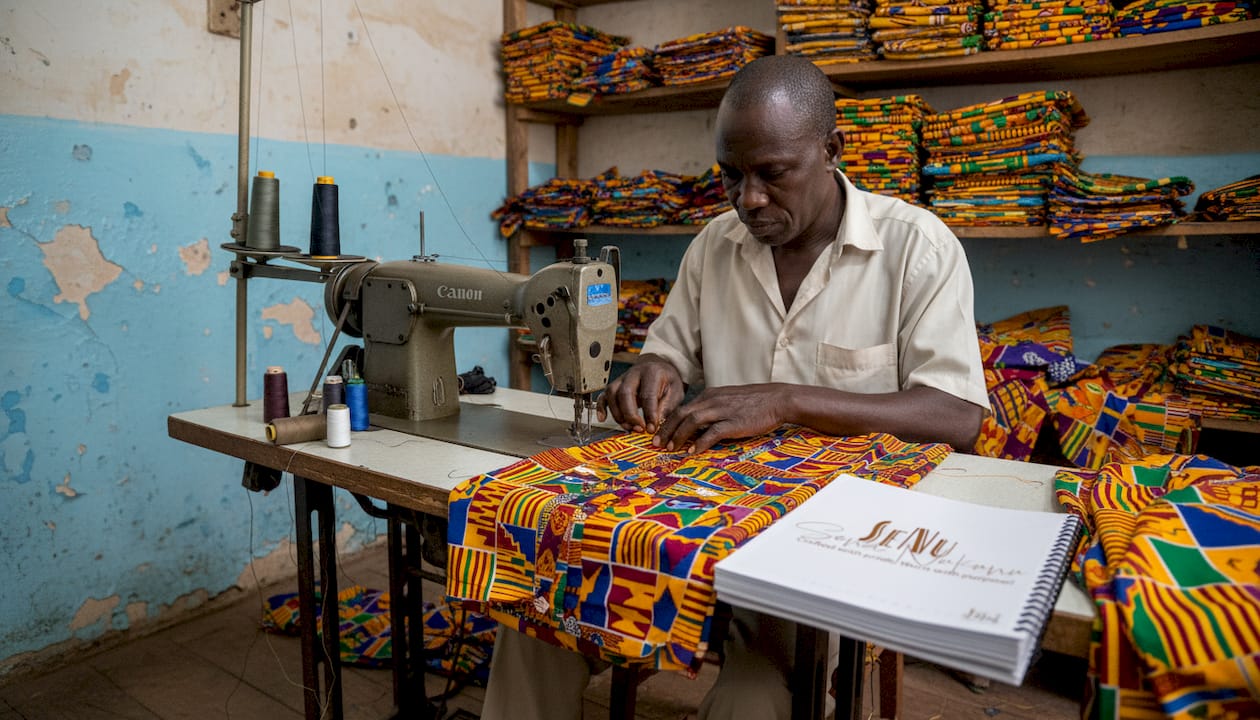
Pro Tip: Before purchasing, ask three questions: Who made this? Where was the fabric sourced? How many pieces were produced? Brands that answer these questions openly are the ones worth supporting. Understanding why handmade fashion matters will sharpen your eye for the real thing.
RTW vs. bespoke: Comparisons, trade-offs, and cultural impact
The conversation between RTW and bespoke is not a rivalry. It is a relationship, and understanding the trade-offs helps you make choices that align with your values, your lifestyle, and your love of West African fashion.
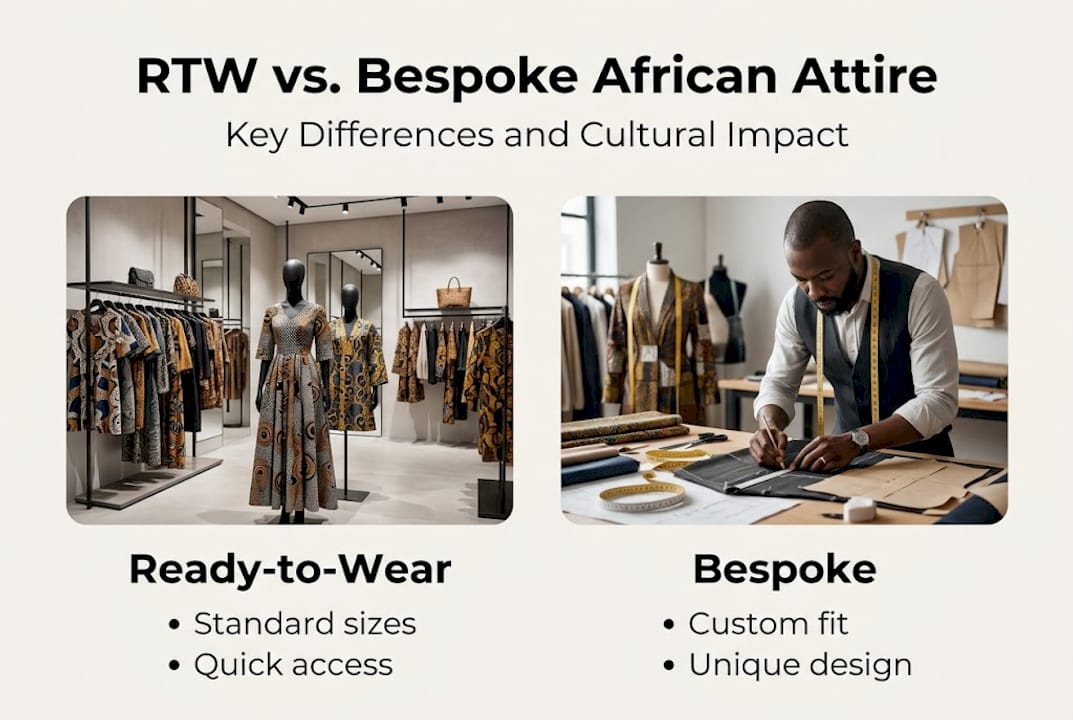
| Dimension | Ready-to-wear | Bespoke |
|---|---|---|
| Fit | Standard sizes, may need minor alterations | Perfect fit, tailored to your body |
| Speed | Immediate availability | Weeks to months of lead time |
| Cost | Generally more affordable | Higher investment |
| Accessibility | Available globally online | Requires access to a skilled tailor |
| Cultural expression | Curated by designer's vision | Deeply personal and individual |
| Sustainability | Varies by brand ethics | Typically less waste per garment |
Here are the key tensions worth thinking through:
- Tradition vs. innovation: Bespoke carries the weight of generations of tailoring knowledge. RTW pushes that knowledge into new forms and reaches new audiences.
- Personal fit vs. accessibility: A perfectly fitted Agbada is a joy, but not everyone has a master tailor nearby. RTW bridges that gap.
- Cultural depth vs. speed: Bespoke allows for deep collaboration between wearer and maker. RTW offers a curated interpretation of that same cultural richness.
- Economic impact: Both models can support artisans, but only when structured with intention and fairness.
The mass production threat once eroded local craft traditions in West Africa, but ethical RTW is actively working to reverse that damage. The most promising path forward is a hybrid model, where RTW pieces are designed with artisan input, produced in small batches, and sold with full cultural transparency.
Craftsmanship in fashion does not have to live only in bespoke ateliers. It can thrive in a well-made RTW dress that was cut by skilled hands and finished with care.
The real future of African RTW: Finding a sustainable balance
Here is the perspective we hold at Sena Nukunu, and we believe it is worth saying plainly: the RTW vs. bespoke debate is a false choice. The healthiest future for West African fashion is one where both coexist, inform each other, and grow together.
The danger is not RTW itself. The danger is RTW without ethics, without artisan involvement, and without cultural accountability. When brands treat West African textiles as mere aesthetics to be copied and sold cheaply, they hollow out the very traditions that make these garments powerful. But when RTW is built on genuine partnerships with weavers, dyers, and designers rooted in West African communities, it becomes a force for preservation, not erosion.
We believe the future belongs to hybrid models, where artisan-led design meets the accessibility of ready-to-wear. Consumers like you hold enormous power in shaping that future. Every purchase you make is a signal. Choosing to support artisan fashion means choosing a fashion world where heritage is honored, craftspeople are empowered, and culture is worn with pride rather than stripped of meaning.
Explore vibrant, ethical ready-to-wear African fashion
You now have the knowledge to shop with intention and wear your values beautifully. At Sena Nukunu, every piece in our collection is crafted with cultural pride, artisan partnership, and ethical production at the center.
Whether you are drawn to bold Ankara prints, flowing kaftans, or structured statement sets, our curated selection brings West African heritage directly to you, ready to wear and ready to make an impact. Shop African-inspired dresses that honor the traditions behind every thread, discover collections designed to empower and inspire, and explore vibrant styles that carry the spirit of West Africa into your everyday life. Your wardrobe can be a story worth telling.
Frequently asked questions
What is the difference between ready-to-wear and bespoke African attire?
Ready-to-wear is pre-made in standard sizes for immediate purchase, while bespoke pieces are custom tailored to individual measurements. As bespoke tailoring remains the norm for traditional attire, RTW is growing fast for its convenience and accessibility.
What are common fabrics used in ready-to-wear African attire?
Popular fabrics include Ankara, Aso Oke, Adire, Funtua cotton, and Kente, each carrying unique cultural origins and symbolic patterns. These culturally rich West African fabrics are now being used in contemporary RTW silhouettes that honor their heritage.
How does ethical RTW African attire support local artisans?
Ethical RTW models partner directly with artisans, provide fair wages, prioritize local sourcing, and help preserve traditional crafts for future generations. This approach, highlighted in discussions about West Africa as a fashion hub, creates lasting economic and cultural impact.
Is RTW African attire considered sustainable fashion?
Yes, when produced in small batches with local artisans and responsible sourcing, RTW can reduce waste and actively promote cultural heritage. Brands committed to ethical RTW production demonstrate that sustainability and style are not mutually exclusive.