TL;DR:
- African Heritage Style merges traditional textiles and craftsmanship with modern silhouettes for everyday wear.
- Techniques like stripweaving, wax printing, and mud dyeing carry cultural stories and regional diversity.
- Ethical collaborations support artisans, preserve traditions, and empower communities through sustainable fashion.
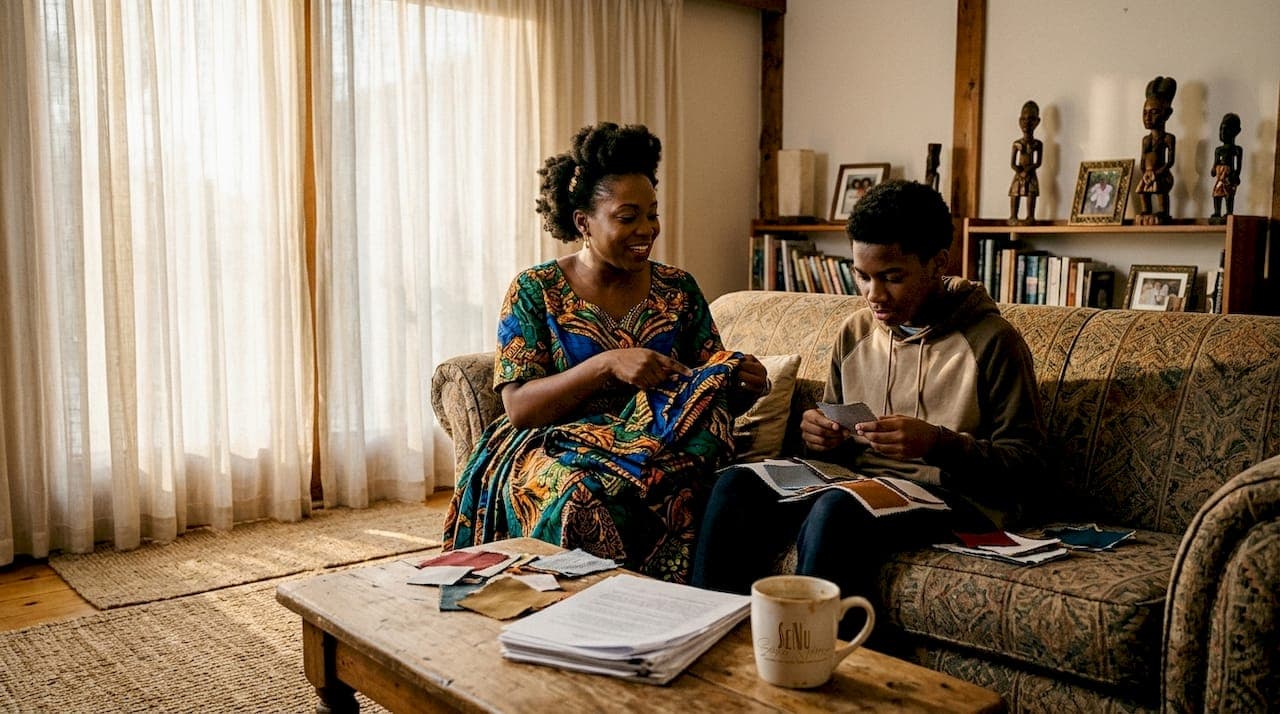
African Heritage Style is far more than traditional clothing pulled from a history book. It is a living, breathing fusion of centuries-old West African artisanship and modern silhouettes that you can wear with confidence every single day. Many people assume this style belongs only to ceremonies or cultural events, but that misconception sells it short. African Heritage Style fuses traditional textiles, patterns, and craftsmanship with modern everyday wear, making it as relevant on a city street as it is at a celebration. This guide walks you through what defines this style, the techniques behind it, the stories it carries, and why it matters for ethical, empowered fashion today.
Table of Contents
- What defines African Heritage Style?
- Key techniques and textiles in African Heritage Style
- Cultural stories, symbolism, and regional diversity
- Modern fusion: Ethical production and everyday empowerment
- Why African Heritage Style is redefining everyday fashion
- Experience African Heritage Style with Sena Nukunu
- Frequently asked questions
Key Takeaways
| Point | Details |
|---|---|
| Fusion of tradition and modernity | African Heritage Style transforms classic techniques into wearable, contemporary statements. |
| Symbolism and diversity | Patterns and textiles reflect rich stories, status, and regional identities. |
| Ethical and sustainable fashion | Consumers support cultural pride and community empowerment through mindful shopping choices. |
| Empowerment for every day | Heritage-inspired clothing brings cultural celebration into daily life, not just ceremonies. |
What defines African Heritage Style?
Having set the foundation, let's clarify what distinguishes African Heritage Style from both historical and modern perspectives. At its heart, this style is about intentional fusion. It blends traditional West African textiles, patterns, and techniques with contemporary cuts and silhouettes, creating garments that honor the past while speaking fluently to the present. This is not a single aesthetic or a single culture. West Africa alone is home to hundreds of ethnic groups, each with its own textile traditions, color languages, and symbolic systems.
One of the most important things to understand is that African Heritage Style is not monolithic. What you see in a Ghanaian Kente wrap differs vastly from a Malian Bogolan mud cloth coat or a Nigerian Adire indigo dress. Patterns symbolize status and stories, and styles shift dramatically by region and ethnic group. Wearing this style with awareness means recognizing that diversity rather than flattening it into one generic look.
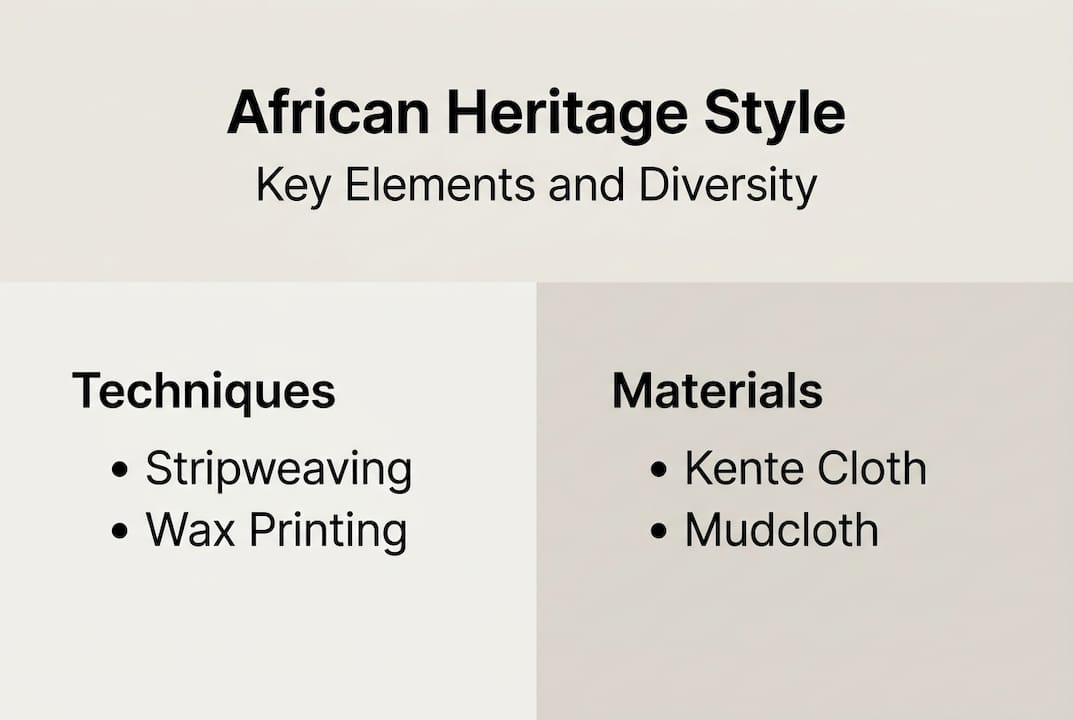
Here is a quick look at how traditional ceremonial pieces compare to contemporary everyday ones:
| Feature | Traditional ceremonial | Contemporary everyday |
|---|---|---|
| Occasion | Festivals, rites, royalty | Daily wear, events, street style |
| Silhouette | Draped, wrapped, layered | Tailored, structured, fitted |
| Textile source | Hand-loomed, artisan-made | Artisan or ethically sourced hybrid |
| Symbolism | Highly coded, community-specific | Expressive, personal, culturally aware |
Key characteristics that define authentic African Heritage Style include:
- Intentional textile selection: Fabrics are chosen for cultural meaning, not just aesthetics.
- Symbolic pattern use: Designs carry stories, not just decoration.
- Artisan craftsmanship: Pieces are made with skill passed down through generations.
- Modern wearability: Cuts and finishes are adapted for contemporary life.
"Every stitch and pattern in African Heritage Style carries the spirit of a legacy, bridging cultures across time and geography."
Exploring culture and ethics in heritage style helps you understand why intentionality matters so deeply when you choose these pieces. You are not just selecting an outfit. You are participating in a living tradition, and that is a powerful thing. Understanding how heritage shapes fashion gives you an even richer appreciation for what you wear.
Key techniques and textiles in African Heritage Style
Now that we understand its core definition, let's explore the signature techniques and materials that give African Heritage Style its distinctive flair. The craftsmanship behind these garments is genuinely extraordinary, and knowing the methods helps you appreciate why each piece carries such weight.
Here are the four most iconic techniques you will encounter:
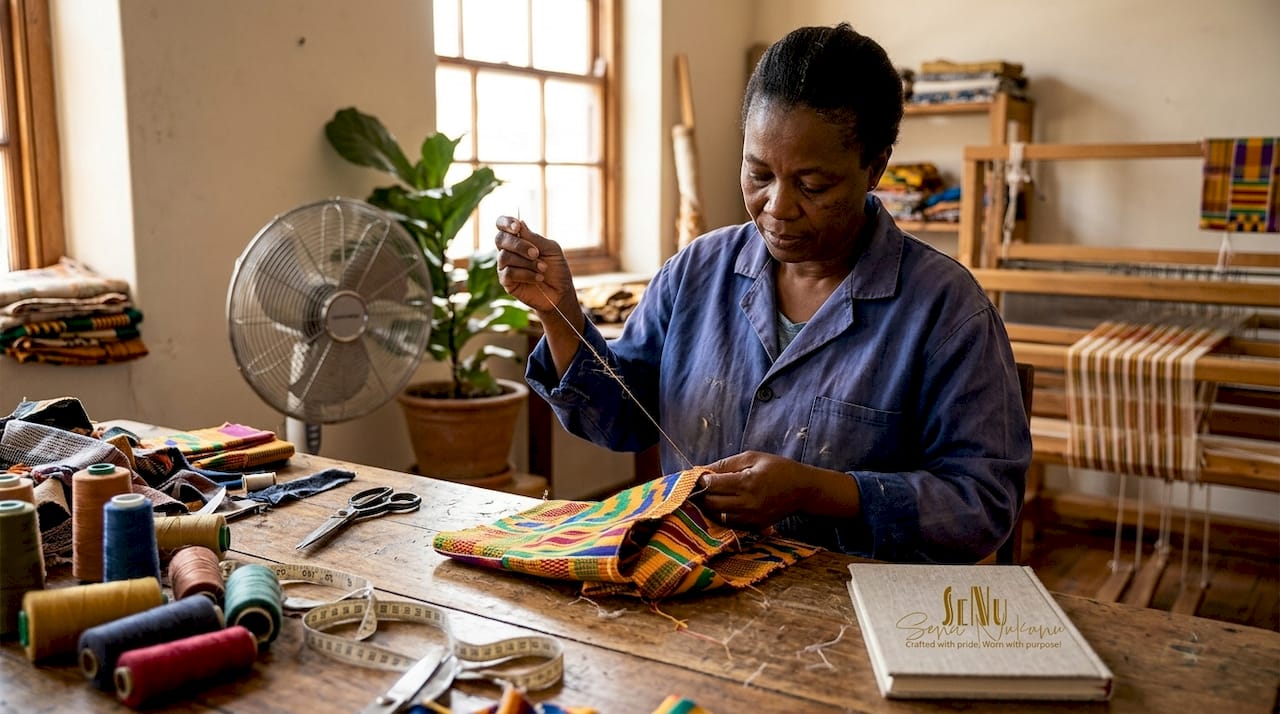
- Stripweaving: This ancient method involves weaving narrow strips of fabric on a horizontal loom, then sewing them together into a larger cloth. Stripweaving dates to 11th-century Mali, and Kente cloth from Ghana was historically reserved for royalty and spiritual leaders. The geometry and color combinations in Kente are not random. They encode proverbs, social rank, and occasion.
- Wax printing: Also called Ankara, this bold, colorful fabric is beloved across West Africa. Interestingly, wax prints originated from Dutch wax production intended for Indonesia, but West African communities adopted and transformed the aesthetic into something entirely their own, giving it new cultural meaning and identity.
- Mud dyeing (Bogolan): Originating in Mali, this technique uses fermented mud and plant-based dyes to create earthy, geometric patterns on cotton cloth. The process is labor-intensive and deeply tied to community ritual and identity.
- Resist dyeing (Adire): Practiced widely in Nigeria by Yoruba artisans, this method uses cassava paste or tied knots to resist dye penetration, creating intricate indigo patterns that are unique to each maker.
Modern adaptations have introduced machine-assisted stitching and digital pattern printing, but the most respected pieces still honor hand-production at their core. When you invest in modern craftsmanship insights, you begin to see the difference between a piece made with purpose and one that simply borrows an aesthetic.
Pro Tip: When shopping for African Heritage pieces, ask about the sourcing of textiles and the production process. Authentic sourcing supports artisan communities and ensures you are not inadvertently contributing to cultural appropriation or exploitative manufacturing. Learning why handmade ethical fashion matters will sharpen your eye for quality.
| Technique | Origin region | Key material | Cultural role |
|---|---|---|---|
| Stripweaving (Kente) | Ghana, Togo | Cotton, silk | Royalty, ceremony, identity |
| Wax print (Ankara) | Pan-West African | Cotton | Community, celebration, daily wear |
| Mud dyeing (Bogolan) | Mali | Cotton, mud dye | Ritual, protection, rites of passage |
| Resist dyeing (Adire) | Nigeria (Yoruba) | Cotton, indigo | Artisan identity, community pride |
Cultural stories, symbolism, and regional diversity
With techniques in mind, let's examine how textiles become living stories that reflect regional identities and deeper meanings. One of the most profound aspects of African Heritage Style is that the fabric itself speaks. Patterns are not generic. They encode stories, status, and community identity in ways that words sometimes cannot.
In Kente weaving, specific color combinations carry distinct meanings. Gold represents royalty and wealth. Green signals growth and renewal. Black connects to spiritual maturity and ancestral energy. A person who understands these codes reads a garment the way others read a text. This is why wearing these patterns with knowledge, rather than simply for visual appeal, transforms your relationship with what you put on your body.
Regional diversity is equally striking. Consider these distinctions:
- Ghana: Kente and Kente-inspired weaves dominate, with bold geometric patterns tied to Ashanti royal traditions.
- Nigeria: Aso-oke fabric and Adire indigo work reflect Yoruba artistry, while Aso-ebi group dressing expresses community solidarity.
- Mali: Bogolan mud cloth carries earthy tones and abstract symbols tied to Bambara spiritual and social life.
- Senegal: Woven Manjak cloth and vibrant bazin riche fabric reflect a blend of Islamic influence and local weaving traditions.
- Côte d'Ivoire: Baule and Dan weaving traditions produce intricate cloth used in both ceremony and daily life.
"To wear African Heritage Style with intention is to carry a community's voice, history, and resilience on your body."
Understanding design symbolism deepens your appreciation for each choice you make. When you explore inspired fashion statements, you start to see how modern designers translate these regional languages into wearable, contemporary pieces that still honor their roots.
Pro Tip: Before wearing a pattern from a specific ethnic tradition, take a moment to learn its origin and meaning. This simple act of respect transforms your style choice into a genuine cultural conversation rather than a surface-level trend.
Modern fusion: Ethical production and everyday empowerment
Understanding the depth of meaning leads us to how today's designers are making African Heritage Style fit for both ethics and daily life. The modern fusion movement is not just about aesthetics. It is about building a fashion ecosystem that is honest, empowering, and sustainable.
Modern fusion avoids cultural appropriation through authentic sourcing and empowers consumers to make fashion choices that align with their values. This means working directly with West African artisans, paying fair wages, and preserving techniques that might otherwise disappear under the pressure of fast fashion.
Here is how ethical production plays out in practice:
- Direct artisan partnerships: Designers collaborate with weavers, dyers, and tailors in West Africa, ensuring skills are valued and compensated fairly.
- Limited-quantity production: Small runs reduce waste and ensure each piece receives proper attention and care.
- Transparent sourcing: Consumers can trace where their fabric comes from and who made it.
- Cultural consultation: Designers work with community members to ensure patterns and symbols are used respectfully and accurately.
For everyday empowerment, the shift is equally significant. African Heritage Style is no longer reserved for special occasions. Contemporary cuts in heritage fabrics mean you can wear a structured Ankara blazer to a meeting, a Bogolan-print dress to brunch, or a Kente-trimmed set to a gallery opening. The versatility is real and intentional.
Key benefits of choosing ethically made heritage pieces include:
- Supporting artisan livelihoods and preserving ancient craft traditions.
- Wearing clothing with genuine cultural depth and personal meaning.
- Reducing your fashion footprint through intentional, limited-production buying.
- Expressing identity and pride through every outfit, every day.
Exploring sustainable fashion trends shows how this movement is growing globally. Understanding ready-to-wear ethics and the principles behind sustainable fashion will help you shop with both heart and purpose.
Why African Heritage Style is redefining everyday fashion
With modern adaptation in mind, here is a perspective on the bigger impact African Heritage Style is already making in fashion. Most global mass-market fashion is deliberately stripped of meaning. It is designed to be disposable, trend-chasing, and culturally neutral to maximize reach. African Heritage Style is the opposite of that. It is specific, storied, and rooted in community.
What strikes us most is that this style does not ask you to choose between beauty and meaning. You get both, and that is rare. African Heritage Style empowers cultural pride through wearable heritage, blending ancient techniques with modern ethical production in a way that challenges the entire logic of fast fashion.
The uncomfortable truth is that most people underestimate how much fashion shapes identity. When you wear a piece that carries genuine history, your relationship with your wardrobe changes. You become more intentional, more selective, and more connected to the people whose hands shaped what you wear. That is not a trend. That is a shift in values, and it is one that ethically crafted West African style is leading with quiet, confident purpose.
Experience African Heritage Style with Sena Nukunu
If you are inspired to bring cultural empowerment into your wardrobe, here is how to take the next step. At Sena Nukunu, every piece is crafted with the same intentionality, artisanship, and cultural respect this article celebrates. We believe fashion should tell your story and honor the communities whose creativity makes it possible.
Browse our heritage style collections to find ready-to-wear statement pieces that fuse West African tradition with modern elegance. If you are looking for something specific, our unique dresses selection features vibrant, ethically made options for every occasion. For something truly personal, explore our custom design services and wear a piece crafted just for you, rooted in heritage and made with purpose.
Frequently asked questions
What makes African Heritage Style different from traditional African fashion?
African Heritage Style blends ancient techniques with modern ethical production and everyday silhouettes, making it a living, wearable expression of cultural pride rather than a purely ceremonial tradition.
Which materials and techniques are signature to African Heritage Style?
Common techniques include stripweaving, wax printing, mud dyeing, and resist dyeing, with fabrics like Kente, Ankara, and Adire at the forefront. Stripweaving dates to 11th-century Mali, and Kente is a traditional Ghanaian cloth with deep royal roots.
Does supporting African Heritage Style contribute to sustainability?
Yes. Choosing these pieces supports ethical production and artisan communities. Modern fusion promotes empowerment through authentic sourcing, fair wages, and sustainable, limited-quantity craft traditions.
Are African Heritage pieces suitable for daily and statement wear?
Absolutely. Contemporary designers create heritage-inspired pieces versatile enough for everyday outfits and special occasions alike. African Heritage Style is designed for modern empowerment, not just ceremony.