TL;DR:
- Handmade West African fashion emphasizes cultural significance, sustainability, and ethical labor practices.
- It offers durable, unique garments that foster emotional connection and support artisan communities.
- While more costly, it provides a meaningful alternative to fast fashion’s environmental and social impact.
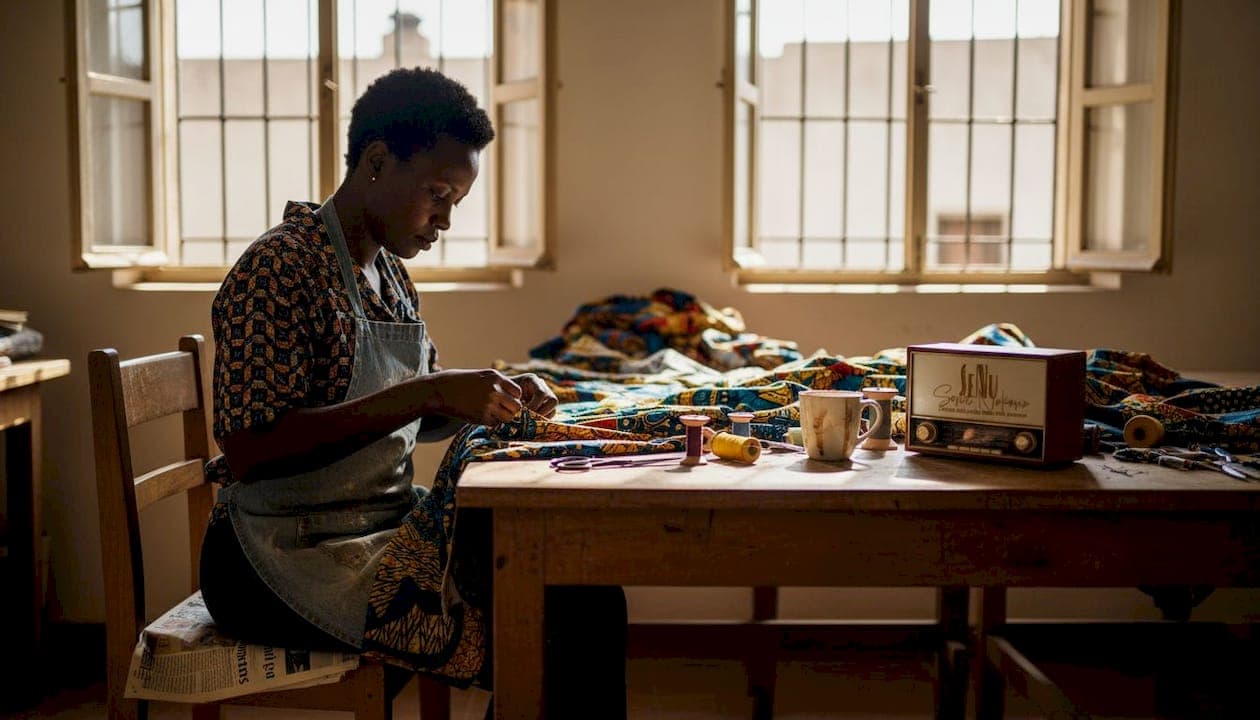
When you reach for something to wear, the story behind that garment matters more than most people realize. Handmade fashion rooted in West African heritage is not simply a trend or a luxury choice. It is a response to a global crisis in how clothes are made, worn, and discarded. Every piece crafted by skilled artisans carries cultural memory, fair labor, and a commitment to the earth. If you have ever felt the pull toward clothing that means something, that feels alive with purpose and pride, this is where that instinct leads.
Table of Contents
- Handmade vs. fast fashion: The real impact
- Cultural heritage and emotional connection
- Ethics, empowerment, and supporting artisans
- The challenges and misconceptions of handmade fashion
- A fresh perspective: What most articles miss about handmade fashion
- Explore vibrant handmade styles and support authentic West African craftsmanship
- Frequently asked questions
Key Takeaways
| Point | Details |
|---|---|
| Eco-friendly choice | Handmade fashion reduces waste and pollution while supporting fair labor practices. |
| Cultural meaning | West African heritage adds emotional value and promotes sustainability through storytelling. |
| Empowers artisans | Ethically made clothing uplifts local makers and supports creative dignity. |
| Mindful consumption | Handmade fashion encourages buying fewer, more meaningful pieces rather than overconsuming. |
| Authenticity matters | True impact comes from valuing handmade items and supporting genuine artisan communities. |
Handmade vs. fast fashion: The real impact
Building on that idea, let's clarify what truly sets handmade apart from mass-produced fashion. The numbers are striking. Fast fashion accounts for 10% of global carbon emissions and is responsible for roughly 20% of industrial water pollution worldwide. Those are not abstract figures. They represent rivers, communities, and ecosystems affected by the relentless cycle of cheap production and rapid disposal.
Handmade fashion operates on an entirely different philosophy. It aligns with the slow fashion movement, which prioritizes quality over quantity, locally sourced and eco-friendly materials, fair wages for makers, and garments built to last for years rather than seasons. This approach reduces textile waste significantly because pieces are made with intention, not just volume.
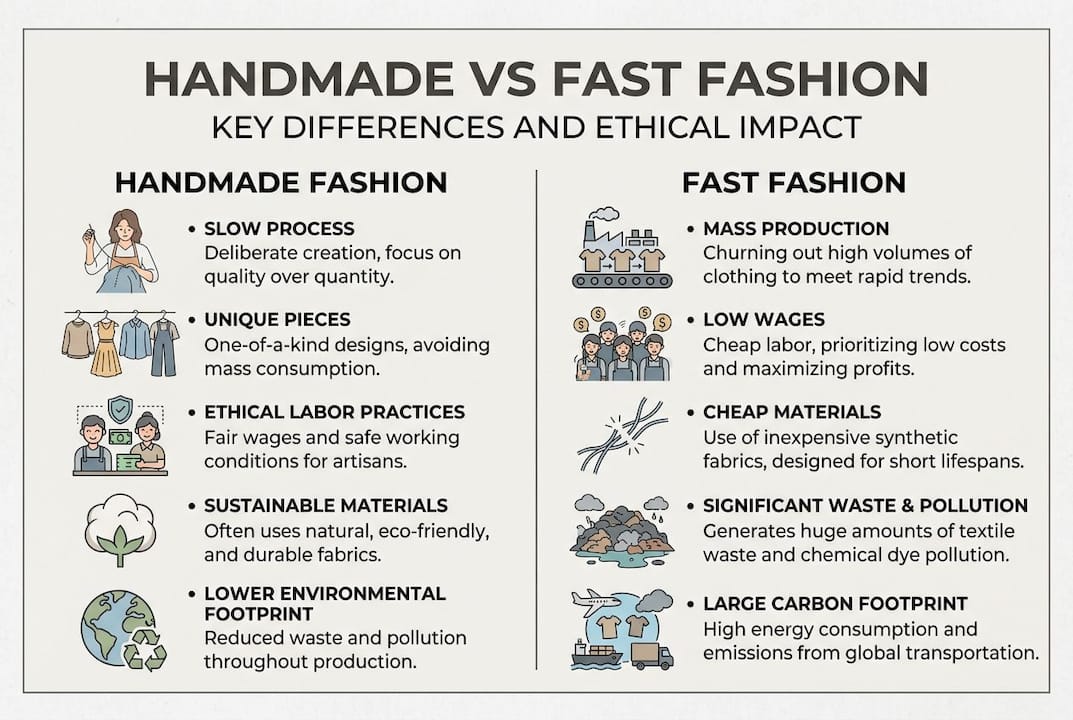
West African artisans have practiced this philosophy long before it had a trendy name. Weavers, dyers, and sewers across Ghana, Senegal, Nigeria, and beyond have always worked with sustainable fashion principles that honor materials and time. Their craft is not a reaction to fast fashion. It is a living tradition that fast fashion disrupted.
Here is a quick comparison to make this concrete:
| Feature | Handmade fashion | Fast fashion |
|---|---|---|
| Production volume | Limited, intentional | Mass produced |
| Material sourcing | Local, eco-conscious | Often synthetic, global |
| Labor practices | Fair wages, skilled artisans | Often underpaid, unsafe |
| Garment lifespan | Years to decades | Weeks to months |
| Environmental footprint | Significantly lower | High carbon and water impact |
The practical benefits of choosing handmade are clear:
- Durability: Artisan-made pieces are constructed with care, meaning fewer replacements and less waste over time.
- Traceability: You can often trace exactly who made your garment and how.
- Unique design: No two handmade pieces are identical, giving your wardrobe genuine character.
- Community investment: Your purchase flows directly back to the maker and their community.
Exploring West African slow fashion trends reveals just how deeply this tradition of conscious craftsmanship runs across the continent, and why it deserves a central place in the global conversation about ethical style.
Cultural heritage and emotional connection
While sustainability is a major draw, the deeper story is about emotion and heritage. When you wear a piece rooted in West African design, you are not just wearing fabric. You are wearing symbols, stories, and centuries of resilience.
Research confirms what many wearers already feel intuitively. Traditional cultural symbols boost perceived environmental benefits and emotional attitudes toward sustainable fashion, and emotional factors actually outweigh rational ones when it comes to purchasing decisions. In other words, the feeling a garment gives you is as powerful as any data point.
West African textiles are rich with meaning. Kente cloth from Ghana carries royal and spiritual significance in its colors and patterns. Adire fabric from Nigeria tells stories through indigo-dyed designs passed down through generations. Bogolan from Mali uses fermented mud to create earthy, grounded patterns tied to community identity. These are not decorative choices. They are visual languages.
"Every stitch carries the spirit of a legacy. When you wear culture, you carry it forward."
This emotional resonance is exactly why fashion storytelling matters so much. Brands that share the origin of a pattern, the name of the weaver, or the meaning behind a symbol give buyers something no algorithm can replicate: a genuine human connection. You can explore powerful fashion storytelling examples that show how West African artisans use their craft to communicate identity and pride.
Why does this matter for your wardrobe choices? Because clothing that carries meaning gets worn more, cared for more, and discarded less. That emotional bond is itself a sustainability strategy. A culture-inspired fashion statement is not just bold style. It is a commitment to something larger than a single outfit.
Ethics, empowerment, and supporting artisans
Beyond cultural appeal, handmade fashion can make a tangible difference for communities. The ethical dimension of choosing artisan-made clothing goes far beyond avoiding harm. It actively builds something better.
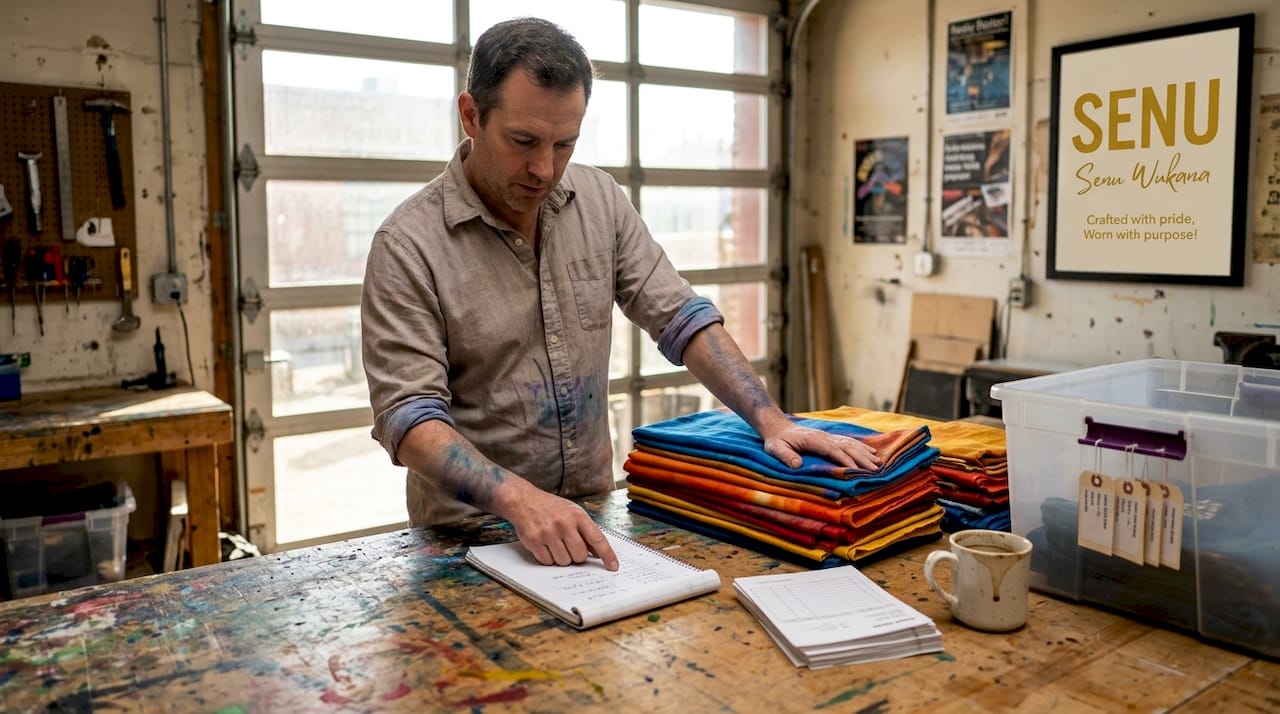
Fair wages, safe working conditions, and creative dignity are the foundation of truly ethical fashion. Handmade fashion supports fair wages and durable, eco-friendly production, which stands in direct contrast to the exploitative labor conditions that define much of the fast fashion industry. When artisans are paid fairly, they invest in their families, their communities, and their craft.
Women are at the heart of West African fashion production. From weavers to tailors to dye artists, women make up a significant portion of the artisan workforce, and supporting this industry is a direct act of fashion empowerment for women across the continent and in diaspora communities.
Here is how you can make a meaningful impact as a conscious buyer:
- Research the brand's supply chain. Look for transparency about who makes the clothing and how they are compensated.
- Choose limited-edition and small-batch pieces. These signal intentional production and direct artisan involvement.
- Ask questions. Ethical brands welcome curiosity about their makers and materials.
- Prioritize quality over quantity. Buying one well-made piece beats buying five disposable ones.
- Share the story. When you wear something meaningful, tell people about it. Cultural education spreads through conversation.
Learning more about supporting West African artisans gives you a practical roadmap for making purchases that truly honor the people behind the craft.
Pro Tip: Before buying any piece labeled "handmade" or "artisan," look for specific details: the maker's name, the region of origin, or the technique used. Vague claims without these details are a warning sign.
The challenges and misconceptions of handmade fashion
With all these benefits, there are still important realities and myths to address. Handmade fashion is not without its complexities, and honest buyers deserve a clear picture.
The most common objection is cost. Handmade pieces are almost always more expensive than fast fashion alternatives, and that gap can feel significant. But the price reflects something real: skilled labor, quality materials, ethical wages, and time. A piece that lasts ten years and carries cultural meaning is a fundamentally different investment than a shirt worn twice and discarded. The craftsmanship in fashion conversation often centers on this point, and it is worth sitting with.
Scalability is another honest challenge. Handmade production cannot match the volume of industrial manufacturing. That means limited availability, longer wait times, and the reality that not every buyer can access these pieces easily. This is not a flaw. It is a feature of intentional, low-waste production. But it does mean handmade fashion alone cannot solve the global clothing crisis.
Perhaps the most surprising challenge is what researchers call moral licensing. Sustainable behaviors like buying secondhand or handmade actually correlate positively with increased overall purchasing, suggesting that doing something good can unconsciously give people permission to consume more. This is a trap worth naming.
Here are honest questions to ask yourself as a conscious shopper:
- Do I actually need this piece, or am I buying it to feel virtuous?
- Will I wear this regularly, or is it an impulse driven by a good story?
- Am I building a wardrobe with intention, or just replacing fast fashion habits with slower ones?
Pro Tip: A smaller wardrobe of meaningful statement pieces worn often does far more good than a large collection of ethical purchases that rarely leave the closet. Explore handmade collections with that filter in mind.
A fresh perspective: What most articles miss about handmade fashion
Most conversations about handmade fashion stop at the purchase. Buy ethical, support artisans, done. But we believe the real work begins after you bring a piece home.
True stewardship means wearing your pieces often, caring for them properly, and sharing their stories. It means resisting the urge to keep buying, even from ethical brands, when what you already own is enough. West African artisan communities have always understood that a garment's value grows through use, not accumulation. A well-worn wrapper or a faded hand-dyed cloth tells a richer story than something kept pristine in a closet.
Owning fewer, more meaningful pieces is not a sacrifice. It is a form of cultural respect. When you invest in a statement piece rooted in heritage, you are accepting a kind of responsibility: to wear it with pride, to explain its origins when asked, and to pass that knowledge forward. That is how culture survives and thrives across generations.
Explore vibrant handmade styles and support authentic West African craftsmanship
Ready to see handmade fashion in action and support West African artisans? At Sena Nukunu, every piece in our collection is crafted with purpose, cultural pride, and ethical care. We believe that what you wear should feel as meaningful as it looks.
When you explore vibrant handmade styles at Sena Nukunu, you are choosing garments that carry real stories, support real makers, and honor a living heritage. From bold dresses to intricate matching sets, our curated selection brings West African artisanship directly to you. Browse our handmade collections to find your next statement piece, or learn about our design services for something truly personal. Every purchase is a step toward a more conscious, connected wardrobe.
Frequently asked questions
How does handmade fashion reduce environmental impact?
Handmade fashion uses quality materials and intentional production methods that reduce waste and emissions, standing in sharp contrast to the 10% of global carbon emissions tied to mass-produced fast fashion. Longer garment lifespans also mean fewer pieces end up in landfills.
What makes West African handmade fashion unique?
West African handmade fashion weaves cultural symbols and tradition into every piece, creating an emotional and ethical depth that mass production simply cannot replicate. Each garment carries a story rooted in community, identity, and generations of artisan knowledge.
Are handmade clothes always more ethical?
Handmade clothes generally offer fair wages and ethical production, but buyers should look for specific transparency about makers and materials, since not every brand using the word "handmade" upholds genuine artisan standards.
Why are handmade clothes more expensive?
The higher price reflects skilled labor, quality materials, and ethical wages that prioritize sustainability over speed. Unlike fast fashion's high-volume, low-cost model, handmade production invests in the maker and the craft at every step.
Does buying handmade fashion guarantee sustainable behavior?
Not automatically. Research shows that sustainable purchases can trigger moral licensing, where doing something good unconsciously justifies buying more overall. Conscious shoppers should pair ethical choices with genuine restraint and intentionality.