TL;DR:
- Authentic African diaspora fashion emphasizes visible craft, cultural roots, and genuine community impact, not superficial trends. In 2026, bold silhouettes, intricate embellishments, and hybrid techniques redefine heritage-inspired styles for everyday wear. Supporting ethical brands ensures the preservation of artisan traditions and promotes cultural continuity beyond material appearance.
Finding clothing that genuinely reflects West African heritage, holds up to ethical scrutiny, and still turns heads on a Tuesday morning is no small task. The fashion world is full of "inspired-by" pieces that look the part but lack the soul, the craft, or the community connection that makes diaspora style so powerful. The good news is that 2026 is bringing some of the most intentional, visually stunning, and culturally grounded African diaspora trends we have ever seen, and knowing how to identify, evaluate, and wear them makes all the difference. This guide walks you through everything: from reading a brand's authenticity signals to comparing the season's boldest silhouettes to finding pieces that move gracefully between your morning commute and your Saturday celebration.
Table of Contents
- How to spot authentic African diaspora style trends
- Top African diaspora style trends making waves in 2026
- Trend comparison: Which African diaspora styles suit your personal vibe?
- Why "ethical" African diaspora fashion means more than just materials
- Explore vibrant, ethically made African-inspired fashion
- Frequently asked questions
Key Takeaways
| Point | Details |
|---|---|
| Authenticity over labels | Choose style trends that show visible craft, support artisans, and describe heritage connections clearly. |
| Maximalism leads 2026 | Dramatic structures, embellishments, and layered looks define the year's biggest diaspora fashion moments. |
| Tradition fuels innovation | Blending West African craft with modern tailoring creates technically and culturally rich statement pieces. |
| Ethics means supporting artisans | True ethical fashion goes beyond sourcing and focuses on preserving artisan livelihoods and cultural heritage. |
| Explore and personalize | Use trend comparisons to map your perfect style and shop options that fit both identity and values. |
How to spot authentic African diaspora style trends
Having framed the need for both style and heritage, the next step is learning the hallmarks of truly authentic African diaspora trends. Not every garment stamped with kente-inspired print or adorned with cowrie shells tells a complete story. The difference between cultural celebration and surface-level borrowing lives in the details, and training your eye to see those details is one of the most empowering skills a style-conscious shopper can develop.
Start with three core criteria when evaluating any brand or piece:
- Visible craft: Hand-stitching, artisan embroidery, woven panels, and textured surfaces are signs that human hands and inherited skill shaped the garment. Mass-produced items often mimic these looks through printing or machine replication, which flattens the depth of the original technique.
- Historical grounding: Authentic pieces usually come with context. A jacket that references the significance of Kente weaving in Ghanaian royalty, or a dress constructed using Kpando strip-weaving traditions, carries meaning that a generic "African print" skirt does not.
- Genuine social impact claims: Brands that actually support artisans will tell you who made the piece, where, and under what conditions. Look for specifics, not sweeping statements.
Warning signs are equally important to recognize. Vague language like "African-inspired" without any reference to a specific tradition, region, or technique is a red flag. So is the absence of any mention of artisan compensation, community investment, or supply chain transparency. The ethics in African heritage fashion conversation is growing louder, and brands that avoid it entirely are telling you something important.
Understanding ethical textile sourcing goes beyond checking whether a fabric is organic. It asks whether the people who grew it, spun it, dyed it, and cut it were paid fairly and whether their community benefits from the transaction. Sustainable West African style is rooted in exactly this kind of thinking.
"To assess ethically made clothing, look for craft preservation and artisan viability signals, not just certified labels."
Pro Tip: When shopping online, search for the brand's "about" or "our makers" page before you look at the products. A brand that leads with artisan stories, photographs of workshops, and honest discussions of compensation is one that puts ethics into practice, not just into marketing copy.
Top African diaspora style trends making waves in 2026
With clear criteria in mind, it is time to spotlight the key 2026 diaspora style directions changing what it means to dress for heritage and for impact. These are not fleeting microtrends. They are rooted in generations of craft wisdom, shaped by diaspora designers who carry their ancestors' knowledge into modern silhouettes, and celebrated on runways and city streets alike.
According to style watchers covering Black creatives, maximalist silhouettes, heavy embellishment, and structural layering are defining diaspora fashion in 2026. Here is what that looks like in practice:
Trend 1: Maximalist silhouettes
Think agbada-inspired volume, dramatic bishop sleeves, and structured shoulders that command a room without saying a word. These silhouettes draw from West African ceremonial dress traditions where scale communicates dignity, celebration, and community status. The contemporary reinterpretation keeps the drama but adds wearability through breathable fabrics and relaxed fits, so you can wear a wide-sleeved set to a work meeting and still feel grounded in something meaningful. Explore authentic diaspora fashion statements to see how these silhouettes translate into ready-to-wear pieces.
Trend 2: Heavily embellished garments
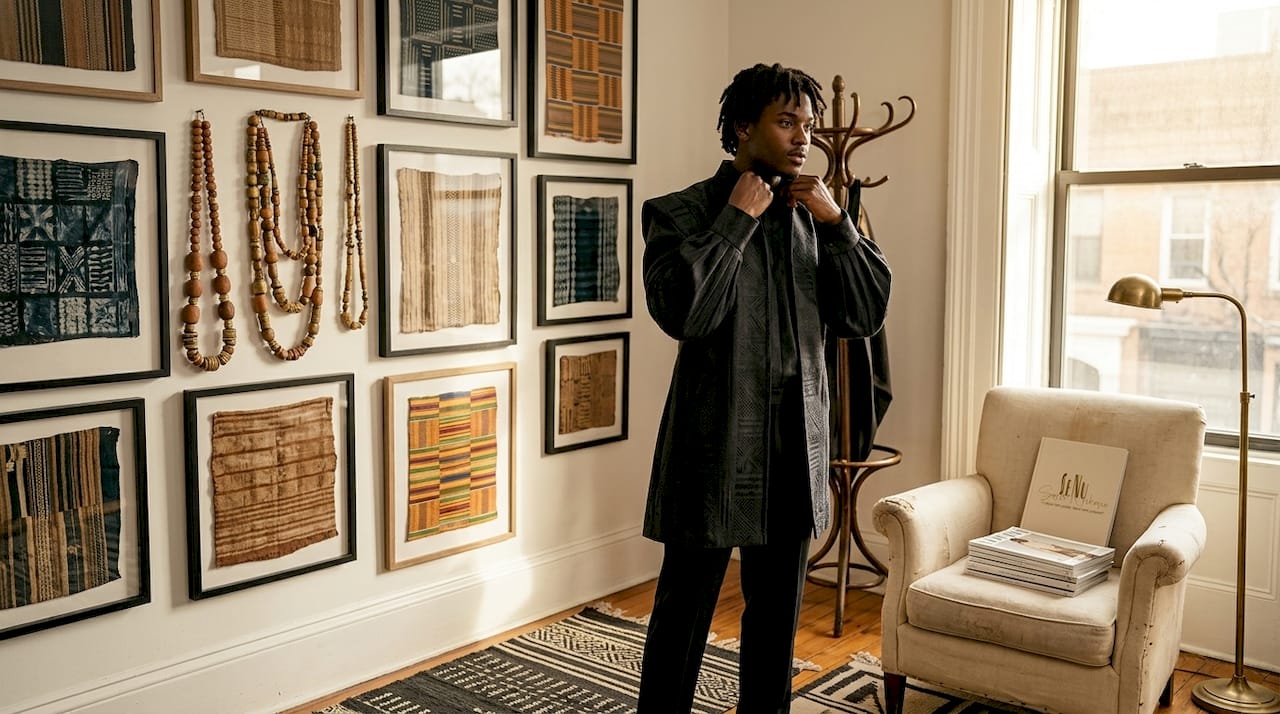
Beading, hand-embroidery, textured patchwork, and layered appliqué are having a defining moment. These techniques are not decorative add-ons. They are visual languages, communicating identity, status, and story in the way that a written paragraph might in another medium. A single beaded collar can represent hours of skilled labor and decades of learned craft. Wearing it is a form of honoring that labor.
Trend 3: Hybrid craft pieces
Crochet panels woven into tailored blazers, strip-woven textiles set into structured dresses, and raffia accents on modern silhouettes represent a beautiful tension between old technique and new form. These pieces appeal to women who love culture-inspired fashion but also want to move freely in their day-to-day lives. The hybrid approach makes heritage accessible without stripping it of depth.
Here is a quick summary of the leading trends and what they offer:
- Maximalist silhouettes offer drama, cultural reference, and contemporary wearability.
- Embellished garments prioritize artisan craft, visual storytelling, and ceremonial resonance.
- Hybrid craft pieces blend ancestral technique with modern silhouettes for versatile daily wear.
"The maximalist moment in African diaspora fashion is not about excess. It is about visibility, pride, and the refusal to take up less space than you deserve."
Trend spotlight: Tradition meets innovation on the runway
Moving from overall trends to standout examples, it is worth celebrating how artisan craft traditions power innovation in ready-to-wear collections and on global runways. The story of diaspora fashion in 2026 is also the story of individual makers whose skills traveled across generations and oceans.
Designers like Rachel Scott have brought craft-intensive runway pieces into conversations that previously excluded them, showing that hand-stitching, artisan crochet, and heritage techniques belong at the highest levels of fashion visibility. Scott's work, in particular, demonstrates how Jamaican crochet artisan traditions can be elevated into globally recognized luxury aesthetics without erasing their origins. The craft remains the statement.
Consider what this means for the pieces you choose to wear:
- Hand-crafted embellishment signals that a skilled artisan invested time, knowledge, and care into your garment.
- Runway visibility of these techniques creates broader appreciation, which in turn supports demand for artisan-made pieces.
- Home workshop origins are not a limitation. They are a mark of distinction, a sign that the piece you are holding came from someone's hands, not a factory floor.
Understanding how heritage shapes fashion helps clarify why these runway moments matter beyond aesthetics. When a designer showcases woven textiles from West African traditions on an international stage, it reinforces that those traditions are not artifacts of the past. They are living, evolving, and worthy of global admiration.
The artisan-to-luxury pipeline is one of the most exciting narratives in contemporary fashion, and diaspora designers are leading it with intention and pride. A woman who chooses a crochet-detailed blazer inspired by Ghanaian craft is not just buying a jacket. She is participating in a long, vibrant conversation between cultures, generations, and creative visions.
Trend comparison: Which African diaspora styles suit your personal vibe?
After celebrating all this artistry, the practical question becomes: which trend actually fits your life? Here is a simple comparison to help you see the differences at a glance.
| Trend | Silhouette style | Craft level | Versatility | Boldness | Everyday wearability |
|---|---|---|---|---|---|
| Maximalist silhouettes | Wide, structured, dramatic | Medium to high | Moderate | Very high | Moderate with styling |
| Embellished garments | Fitted to relaxed | Very high | Moderate | High | Lower, occasion-focused |
| Hybrid craft pieces | Relaxed, tailored | High | High | Medium to high | High |
Each of these diaspora style directions carries distinct statements and contexts, which means the right choice depends on your daily rhythm and comfort zone. Here is a simple process for testing a new trend before fully committing:
- Start with one statement piece. Choose a wide-sleeved top or an embellished jacket rather than a full maximalist outfit.
- Pair it with your simplest basics. A bold piece paired with neutral trousers or solid-color leggings lets the craft speak without visual competition.
- Wear it for a full day. Comfort and confidence are the real tests. If you feel grounded and expressive, the trend fits your vibe.
- Ask what the piece means. Knowing its cultural reference deepens your connection to it and makes wearing it feel intentional rather than decorative.
- Assess its range. Can it move from a work setting to a weekend gathering? Versatility adds long-term value to investment pieces.
Understanding empowerment through African style is also about recognizing that the right piece for you is the one that makes you feel most fully yourself, not the one that follows the most headlines. Consulting a guide to ethical sourcing when comparing brands helps ensure your choice supports the communities behind the craft.
Pro Tip: If you are new to maximalist diaspora dressing, start with a piece that has bold structure but a neutral or earth-toned color palette. This gives you the silhouette impact without requiring a full wardrobe reimagination, and it pairs beautifully with pieces you already own.
Why "ethical" African diaspora fashion means more than just materials
Here is something worth saying plainly: the fashion industry has trained us to equate "ethical" with materials. Organic cotton. Recycled polyester. Low-impact dye. These things matter, but for African diaspora fashion, reducing ethics to a fabric certification misses the deeper and more urgent point entirely.
The real ethical debate in West African textiles centers on preserving entire textile systems and artisan livelihoods, not simply the avoidance of fast fashion. When mass production floods a market with cheap imitations of kente or bogolan cloth, it does not just undercut prices. It erases the economic ecosystem that skilled weavers, dyers, and embroiderers depend on to survive and to pass their knowledge to the next generation. That is a loss no recycled fiber can compensate for.
True empowerment in this space looks like brands that name their artisans, explain their techniques, and invest in the communities where the craft originates. It looks like limited-production runs that prioritize quality and meaning over volume. It looks like storytelling that treats the maker as central rather than invisible. The social impact of artisan fashion is measured in generational skill transfer, in the ability of a weaver's daughter to continue her craft because there is still a market for it, and in the cultural continuity that keeps traditions alive and evolving rather than frozen in museums.
When you invest in a piece from a brand that genuinely supports artisan viability, you are contributing to something that no material certification alone can deliver. You are helping sustain a living tradition. That is what ethical diaspora fashion actually means, and it is worth holding brands to that higher, more honest standard.
Explore vibrant, ethically made African-inspired fashion
Now that you know what to look for and what the season's most powerful trends offer, the most meaningful next step is finding pieces that actually embody these values.
At Sena Nukunu, every piece in our collection is chosen with exactly these criteria in mind: visible craft, cultural grounding, and genuine artisan support. Whether you are drawn to the dramatic volume of a maximalist silhouette, the intricate detail of an embellished set, or the wearable elegance of a hybrid craft piece, you will find it here. Browse our collections to discover ready-to-ship styles that bridge heritage and everyday confidence, or shop dresses curated to carry both beauty and meaning. Discover more vibrant styles and find the piece that tells your story.
Frequently asked questions
What makes a brand truly ethical in African diaspora fashion?
A brand is considered ethical when it preserves craft tradition, ensures fair compensation for artisans, and remains transparent about its supply chain, going well beyond artisan viability and craft preservation as simple talking points into actual, documented practice.
Are maximalist silhouettes only for special occasions?
No. New diaspora trends reinterpret maximalist shapes for everyday wear through versatile, comfortable designs, and 2026 sees these silhouettes integrated into daily style choices rather than reserved only for events.
How can I recognize authentic craft in African-inspired clothing?
Look for hand-embroidery, artisan technique explanations, and storytelling around the garment's origins. Craft-heavy garments featuring hand-stitching and detailed artisan methods are strong markers of authentic diaspora workmanship.
Can ethically made African fashion be affordable?
While prices are often higher than fast fashion because they reflect real labor and craft value, some brands balance artisan support with accessibility through capsule collections, limited runs, and direct-to-consumer models that reduce unnecessary markups.
Is it appropriate to wear African diaspora style if I'm not of African heritage?
Yes, when approached with genuine respect, curiosity, and a desire to honor the garment's meaning, anyone can appreciate and wear diaspora style. The key is to engage with the story behind the piece, support ethical brands, and wear it with intention rather than as mere costume.