TL;DR:
- African designers are transforming global fashion by merging cultural heritage with modern styles. Supporting them fosters ethical practices, empowers women, and sustains artisan economies. Long-term impact requires ongoing investment beyond mere visibility.
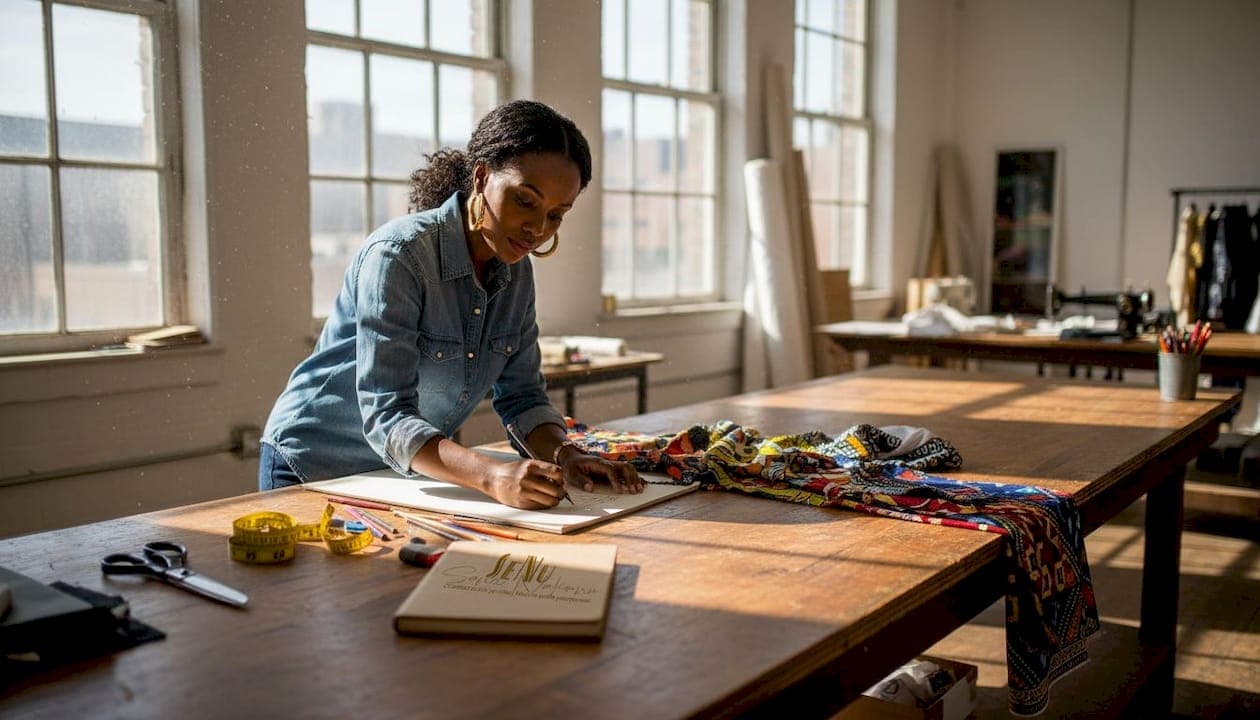
Global fashion has never belonged to one corner of the world, yet the stories shaping runways and retail have long skewed toward a narrow set of Western voices. That is changing, and changing fast. African designers are not simply participating in global fashion; they are rewriting its rules, weaving cultural legacy, vibrant artistry, and ethical purpose into every piece they create. African designers blend cultural heritage with contemporary styles, offering unique narratives outside Western perspectives. For conscious consumers who want their wardrobe to carry meaning, this movement is one of the most exciting invitations in fashion today.
Table of Contents
- How African designers are reshaping global fashion
- The real impact: Ethics, sustainability, and artisan economies
- Spotlight on demand: Why the world is embracing African design
- How you can celebrate African designers in your everyday style
- Why celebration alone isn't enough: A deeper look
- Shop and support: Experience African design for yourself
- Frequently asked questions
Key Takeaways
| Point | Details |
|---|---|
| Unique cultural influence | African designers enrich wardrobes with heritage-driven, trendsetting pieces that stand out. |
| Empowering ethical shopping | Choosing African-made fashion directly supports women artisans and builds fairer economies. |
| Sustainable global impact | Conscious celebration of African designers promotes sustainability across the fashion industry. |
| Growing global demand | Worldwide appetite for African design is surging, with haute couture projected to grow 42% by 2033. |
| Beyond visibility | True support means investing in the long-term success and infrastructure of African designers. |
How African designers are reshaping global fashion
When you think about what makes a garment truly memorable, it is rarely just the cut or the color. It is the story behind it. African designers understand this deeply, and they bring entire worlds into their work, drawing on generations of cultural memory, craft traditions, and community identity.
"Every stitch, brushstroke, and design carries the spirit of a legacy" — and nowhere is that more visible than in the work coming out of West Africa today.
These designers do not simply reference tradition. They transform it. Ankara prints become sculptural silhouettes. Kente weaves find new life in contemporary blazers. Adinkra symbols are reinterpreted in minimalist jewelry. This approach to African fashion storytelling is what makes these pieces feel genuinely different from anything produced through a Western lens.
What sets African design apart is a set of attributes that are both deeply rooted and boldly modern:
- Bold, intentional color palettes drawn from natural dyes and ceremonial traditions
- Intricate geometric and symbolic prints that carry cultural meaning across generations
- Heritage-driven silhouettes that honor body diversity and communal aesthetics
- Handcraft techniques passed down through artisan families and village cooperatives
- Narrative-rich textiles where fabric itself tells a story of origin, identity, and resilience
The global fashion industry has taken notice. Major houses are now collaborating with African creators, but it is the independent designers rooted in their own communities who are driving the most authentic and lasting change. Understanding cultural heritage in fashion reveals why these pieces carry an emotional weight that fast fashion simply cannot replicate.
For you as a conscious shopper, choosing a culture-inspired fashion statement means wearing something that speaks long after you have left the room. It is a choice that values depth over disposability and legacy over trends.
The real impact: Ethics, sustainability, and artisan economies
Supporting African designers goes far beyond aesthetics. Every purchase you make ripples outward, touching real lives, sustaining real skills, and building real economic futures.
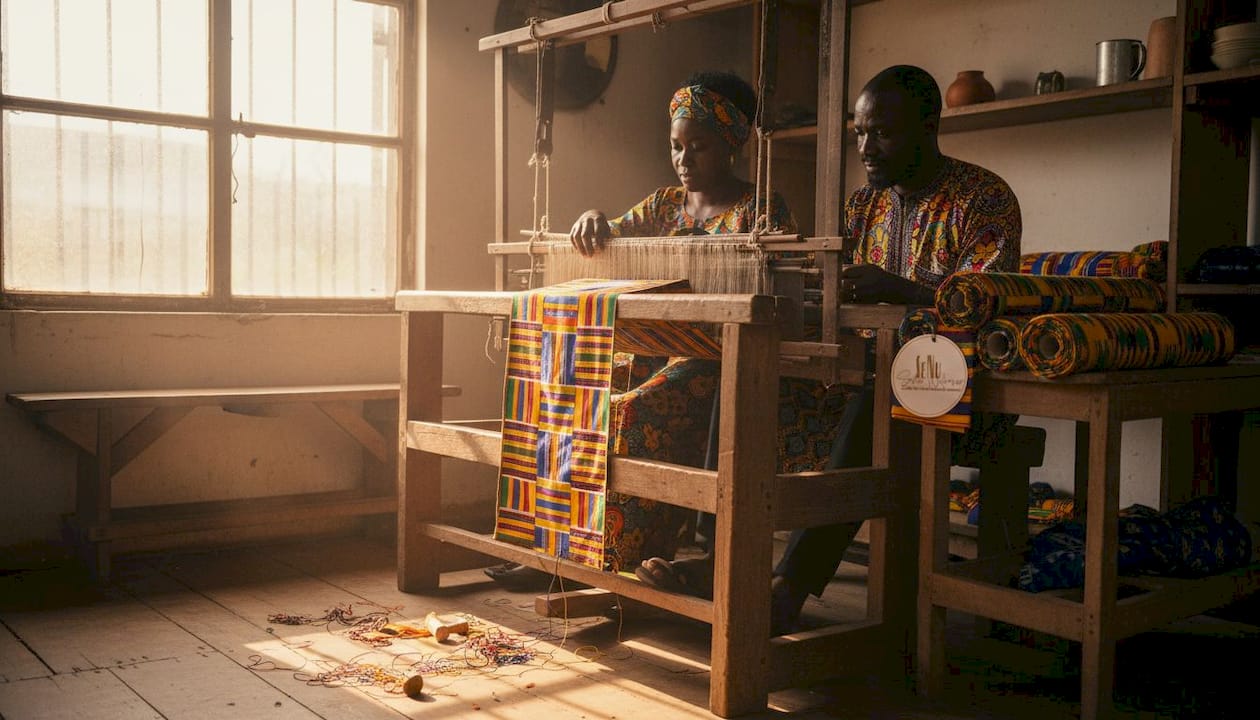
Women are at the heart of this industry. The numbers are striking: women lead African fashion, comprising over 60% of the workforce, with the sector holding the potential to add $50 billion to GDP by 2030 and create 400,000 jobs. Buying from African designers is not a passive act of appreciation. It is an active investment in women's economic empowerment.
| Impact area | What your purchase supports |
|---|---|
| Women's livelihoods | Wages for over 60% female workforce |
| Artisan preservation | Handcraft skills passed across generations |
| Community economies | Local supply chains over global fast fashion |
| Environmental practices | Natural dyes, low-waste production methods |
| Cultural continuity | Keeping heritage alive through wearable art |
Beyond employment, many African fashion brands practice sustainability through necessity and philosophy. Natural fiber sourcing, low-volume production runs, and traditional dyeing methods all produce a dramatically smaller environmental footprint than the mass-market alternatives filling most Western retail floors. Learning about sustainable trends and artisans shows how these practices are deliberate, not incidental.
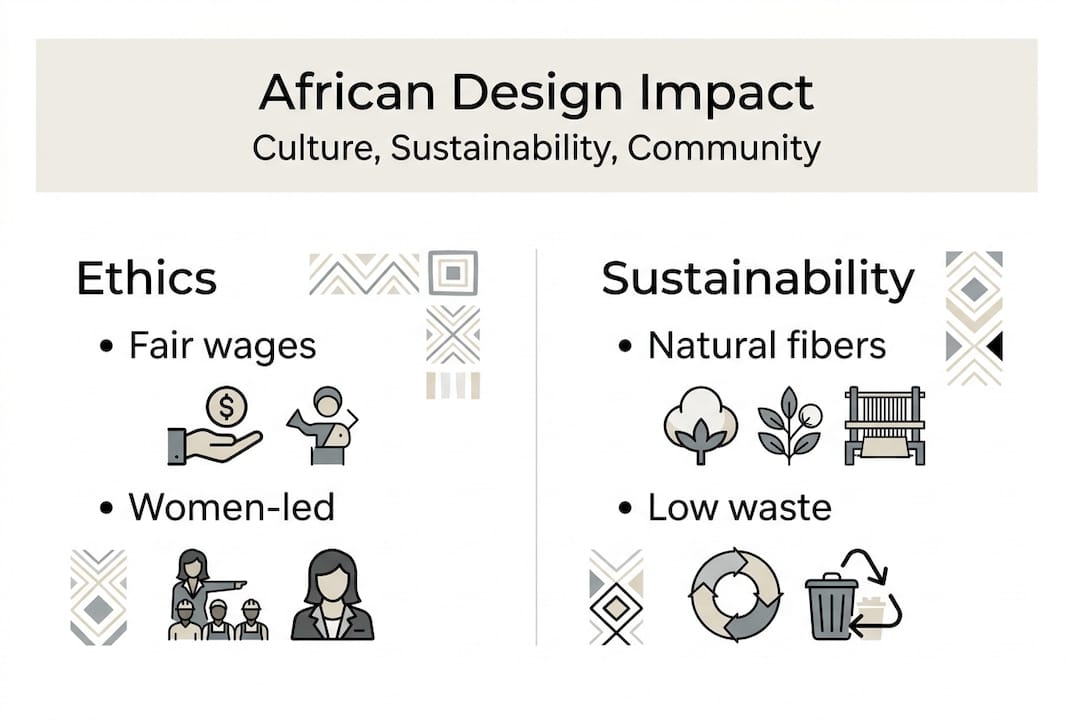
Understanding sustainable fashion principles helps you ask better questions when you shop: Who made this? How? What materials were used? These questions matter, and ethical West African brands welcome them proudly.
Pro Tip: When evaluating a brand's ethics, look for transparent artisan stories, named makers, limited production quantities, and fair trade affiliations. If a brand celebrates handmade ethically crafted style openly on its platform, that transparency is a strong signal of genuine ethical commitment.
Spotlight on demand: Why the world is embracing African design
The global appetite for African design is not a passing trend. It is a measurable, accelerating shift in what consumers want from fashion. Demand for African haute couture is predicted to increase by 42% by 2033 according to a UNESCO report, reflecting a worldwide turn toward cultural authenticity and away from homogenized Western aesthetics.
What is fueling this demand? Consumers are increasingly rejecting the idea that style innovation flows in only one direction. They want variety, meaning, and proof that their spending aligns with their values. African designers offer all three.
| Feature | African designers | Western luxury houses |
|---|---|---|
| Cultural storytelling | Deep, community-rooted narratives | Often borrowed or reinterpreted |
| Production ethics | Artisan-led, small-batch, transparent | Varies widely, often opaque |
| Design originality | Heritage-driven, truly unique | Trend-cycle dependent |
| Community impact | Direct support for local economies | Profits concentrated globally |
| Exclusivity | Limited quantities, handcrafted | Manufactured exclusivity |
So how do you, as a global shopper, find authentic pieces from African designers? Here are practical steps to guide your search:
- Research the brand's origin story. Genuine African designers will share who they are, where their materials come from, and which communities they work with.
- Look for limited-quantity collections. Authentic artisan-made pieces are never mass-produced. Small runs signal real craftsmanship.
- Explore curated platforms. Browsing African-inspired wardrobe pieces through trusted sources helps you avoid cultural appropriation and supports real designers.
- Ask about materials and process. Ethical brands embrace these questions. Hesitation or vague answers are red flags.
- Choose ready-to-wear African attire from designers who explain the cultural context behind every design choice.
The world is embracing African design because these pieces offer something rare: fashion that carries genuine meaning, honors real people, and looks extraordinary doing it.
How you can celebrate African designers in your everyday style
Celebrating African design does not require a complete wardrobe overhaul. Small, intentional choices compound into powerful personal statements. Here is how you can start weaving this rich tradition into your everyday look:
- Statement dresses and matching sets that showcase Ankara or Kente-inspired prints as the centerpiece of your outfit
- Artisan-made jewelry featuring Adinkra symbols, beadwork, or hand-forged metals that carry cultural meaning
- Printed scarves and head wraps offering a versatile, accessible entry point to West African textile traditions
- Embroidered jackets and outerwear that transform everyday staples into culturally vibrant conversation starters
- Handwoven bags and accessories that pair beautifully with both casual and formal looks
Every one of these choices does more than elevate your style. Celebrating African designers empowers women in everyday ethical, culturally rich attire by supporting sustainable practices and artisan economies. When you wear a piece with intention, you carry someone's craft, someone's story, and someone's livelihood with you.
Sharing matters too. When you post a photo, tag the designer. Tell the story of the piece. Explain where it comes from and who made it. This kind of amplification extends a designer's reach far beyond what advertising alone can achieve.
Pro Tip: Follow the artisans and designers on social media, not just the brands. Hearing directly from the makers behind your clothing deepens your connection to the garment and helps spread their story to new audiences.
Exploring empowering West African styles curated for women in the U.S. is one of the most direct ways to begin this journey with confidence and intention.
Why celebration alone isn't enough: A deeper look
Here is something most fashion guides quietly skip over: visibility, while valuable, is not the same as impact. The global spotlight on African designers is genuinely exciting, but celebration without commitment risks becoming another trend cycle that fades when the next aesthetic emerges.
True support means going further than sharing a photo or purchasing once. It means advocating for policies that protect artisan intellectual property, supporting brands that pay fair wages consistently, and pushing platforms to stock African designers year-round, not just during cultural moments. As global appetite grows, true impact requires investment beyond visibility to build infrastructure.
At Sena Nukunu, we believe the most powerful thing you can do is make African design a permanent, considered part of your life, not a seasonal experiment. Investing in African fashion means choosing these designers when it is not trending, speaking their names in conversations, and supporting the systems that allow their work to thrive long-term. That is the difference between appreciation and genuine solidarity.
Shop and support: Experience African design for yourself
Reading about the beauty and impact of African design is one thing. Wearing it transforms the experience entirely. When you hold a piece crafted with intention, sewn by skilled hands, and rooted in generations of cultural pride, you feel the difference immediately.
At Sena Nukunu, every piece in our collection is ethically made, culturally inspired, and ready to become a treasured part of your wardrobe. Browse our selection of African-inspired dresses crafted for women who want their style to carry meaning, or explore our full range of curated designer collections and find the statement piece that speaks to you. Your next favorite garment is waiting.
Frequently asked questions
What makes African designers unique in global fashion?
African designers blend cultural heritage with contemporary styles, creating looks and narratives you simply will not find in Western-dominated fashion spaces.
How does buying from African designers support ethical fashion?
Your purchase helps create jobs, empowers women, and sustains artisan communities. Women comprise over 60% of the African fashion workforce, and the sector could create 400,000 new jobs by 2030.
Is demand for African haute couture growing?
Yes. African haute couture demand is predicted to grow by 42% by 2033, according to UNESCO, reflecting a powerful global shift toward cultural authenticity in fashion.
How can I incorporate African design in my everyday wardrobe?
Start with statement accessories or a single ready-to-wear dress, then gradually build a collection of pieces that reflect the cultural stories and artisan traditions you want to celebrate.
Why does visibility alone not guarantee progress for African designers?
Visibility raises awareness, but lasting progress requires investment in infrastructure and ethical practices. As global appetite expands, real impact demands systemic support, not just seasonal celebration.