TL;DR:
- Heritage fashion is rooted in specific textile traditions, cultural codes, and community practices that carry deep meaning and legacy. When worn ethically, it supports artisans, preserves cultural identity, and promotes empowerment, unlike superficial aesthetic adaptations. Authenticity in heritage fashion relies on traceable origin, fair production, and tangible community benefits, emphasizing operational integrity over storytelling.
There is a quiet revolution happening every time someone chooses to wear a garment rooted in cultural memory rather than trend cycles. Heritage fashion, particularly from West Africa, is one of the most misunderstood areas in the global style conversation. Many assume it simply means wearing bold prints or traditional patterns, but heritage fashion in a West African context is anchored in unique textile traditions, careful production methods, and a living legacy that stretches across generations. This article unpacks what heritage fashion really means, how it is made, what ethical empowerment looks like in practice, and how your choices as a conscious wearer can create lasting change.
Table of Contents
- What heritage fashion really means
- How heritage fashion is crafted: process, people, and authenticity
- Legal, ethical, and power dynamics: picking real heritage over surface aesthetics
- Empowering artisans and communities: how your choices create impact
- A fresh perspective: why operational empowerment beats heritage 'storytelling'
- Discover and wear empowered heritage fashion
- Frequently asked questions
Key Takeaways
| Point | Details |
|---|---|
| Heritage fashion defined | It is rooted in specific cultural traditions, protected practices, and techniques—not just patterns. |
| Craft and empowerment matters | True heritage pieces are made by artisans using traditional methods, supporting socio-economic agency. |
| Legal and ethical proof | Legal protections, fair contracts, and authentic sourcing confirm real heritage over surface trends. |
| Your choices drive impact | By seeking empowered, fair pieces, you help preserve traditions and uplift communities. |
What heritage fashion really means
Heritage fashion is not a mood board. It is not a color palette lifted from a culture to dress up a seasonal collection. True heritage fashion is grounded in specific, named textile traditions, the knowledge systems behind them, and the communities who have practiced them for centuries. As one important framework puts it, heritage fashion is anchored in specific named textile traditions and their production methods, not simply in visual similarity to traditional designs.
West African styles have long set the standard for what this looks like in practice. Consider kente cloth, woven in Ghana with a complexity that takes years to master, with every color and pattern combination carrying precise cultural meaning. Yoruba textiles from Nigeria, including aso-oke and adire, involve resist-dyeing, hand-weaving, and community knowledge passed from elders to younger generations. These are not decorative choices. They are coded systems, where knowing which cloth to wear and when reflects a person's identity, status, spiritual connection, and community belonging.
"Every stitch, brushstroke, and design carries the spirit of a legacy, connecting the wearer to generations of artistry and resilience."
This distinction matters enormously because of what is at stake when heritage is flattened into "just a look." When a garment is celebrated for its surface aesthetics while its origin, makers, and meaning are stripped away, the culture is borrowed without credit, and the community receives nothing in return. Cultural heritage in West African fashion is a living, breathing practice, not a static archive. Understanding this is the first step toward wearing it with integrity.
Here is why the distinction between heritage and aesthetic matters practically:
- Authenticity means the garment's design, materials, and production can be traced to a specific tradition and community.
- Meaning refers to the cultural codes embedded in textile patterns, colors, and construction techniques.
- Empowerment is the direct benefit that flows back to artisans, families, and communities when heritage is honored rather than appropriated.
- Accountability is what separates brands who source responsibly from those who simply adopt a visual style without ethical investment.
When you choose heritage fashion with all four elements intact, you are not just making a style statement. You are participating in a living culture, and that participation carries real power.
How heritage fashion is crafted: process, people, and authenticity
Understanding the meaning of heritage, let's examine how these garments are actually made and why each step matters for empowerment and authenticity.
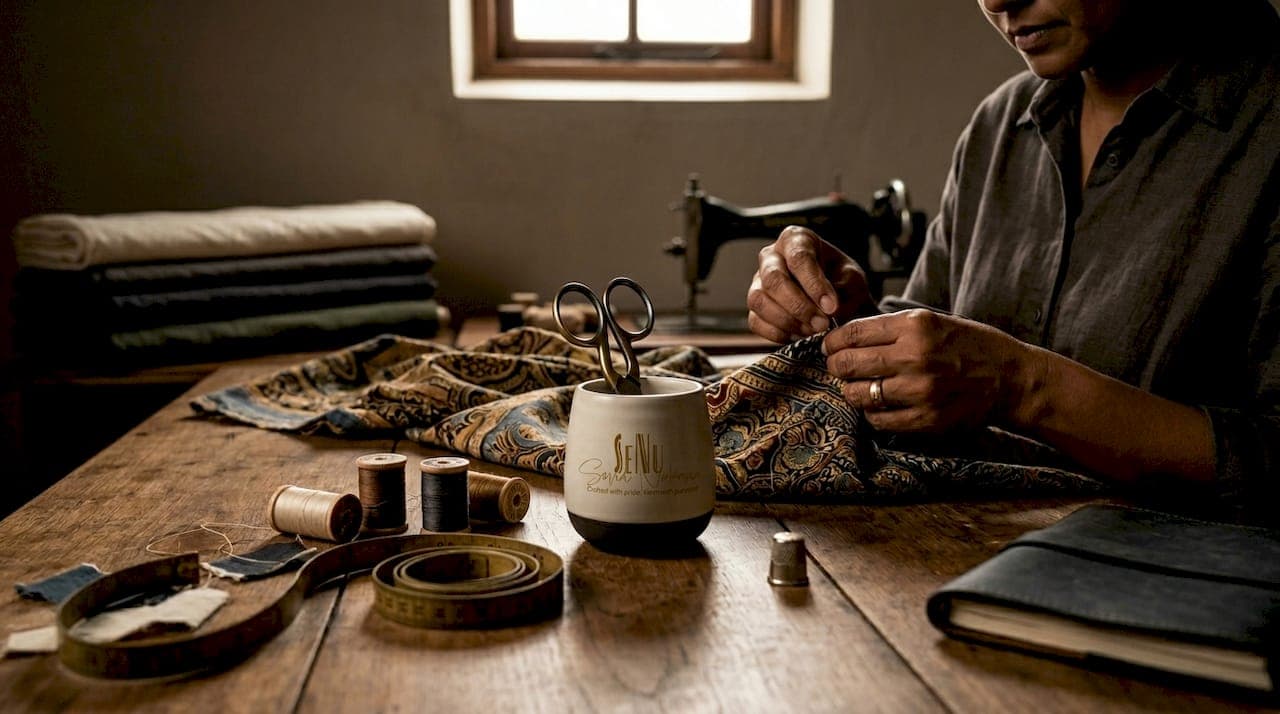
The journey from raw material to finished garment in authentic West African heritage fashion is rarely a straight line. It involves multiple skilled hands, traditional knowledge systems, and community-based labor structures that prioritize craft over speed. Tracing the craft process is key for ethically minded shoppers: who makes it, what techniques are used, and how it impacts authenticity.
Here is a step-by-step look at how genuine heritage garments come to life:
-
Material sourcing. Authentic heritage fashion often begins with locally sourced or traditionally prepared materials. In West Africa, this might mean hand-spun cotton, natural dyes derived from plants and minerals, or specialty yarns sourced from regional suppliers. The choice of material is never arbitrary. It connects the garment to its geographic and cultural origin.
-
Artisan involvement. Skilled weavers, dyers, embroiderers, and tailors form the backbone of heritage production. Many are organized through women's cooperatives or family-based workshops where knowledge is transferred through direct mentorship. These artisans are not factory workers on an assembly line. They are custodians of living craft traditions.
-
Traditional techniques. Methods like strip-weaving for kente, adire tie-dye, and hand embroidery are techniques that cannot be fully replicated by machines. Each piece carries slight variations that reflect the individual maker's skill and creative interpretation. That variation is a feature, not a flaw. It is the signature of human artistry.
-
Quality and integrity checks. In ethical production settings, garments are reviewed against both cultural accuracy and construction quality. This protects the integrity of the tradition and ensures that buyers are receiving something that honors its origin, not just something that looks the part.
-
Ethical exchange. Fair wages, transparent contracts, and community reinvestment complete the chain. Heritage craft and ethics are inseparable. Authentic heritage fashion is not cheap to produce, and it should not be priced as if it were.
Pro Tip: When exploring heritage brands, ask directly about their supply chain. A brand that knows and names its artisan partners is far more likely to be practicing genuine ethical production than one that offers only vague language about "inspired by" traditions.
The reality is that sustainable artisan empowerment depends on consumers who value process as much as product. Every time you invest in a garment made with these methods, you help sustain an ecosystem of skilled craftsmanship that global fast fashion has been quietly eroding for decades.
Legal, ethical, and power dynamics: picking real heritage over surface aesthetics
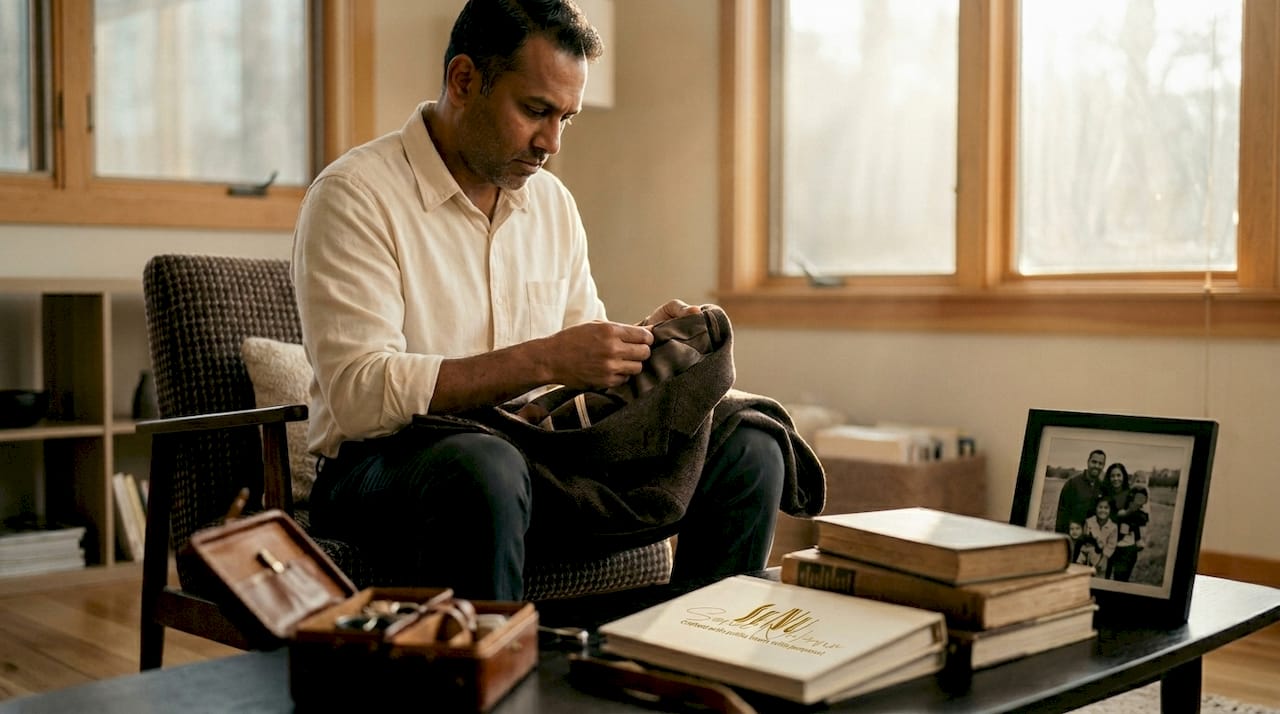
Once you know how authentic heritage pieces are crafted, it is crucial to see how ethics, law, and branding shape your options and your impact as a wearer.
The legal landscape around heritage fashion is still evolving, but important protections are already in place. Ghana has granted Geographical Indication status to kente cloth, formalizing its production standards and protecting its brand value from exploitation by outside manufacturers who might otherwise copy the pattern without any connection to Ghanaian weavers. Geographical Indication, or GI, is the same legal framework used to protect products like Champagne or Parmigiano-Reggiano. Its application to kente signals a growing recognition that cultural textiles deserve formal legal protection.
Yet as powerful as legal protections can be, they do not tell the whole story. Heritage is created, not simply inherited, and it reflects contemporary social power as much as ancient tradition. Who gets to define what counts as authentic? Who profits from the story? These are political and economic questions, not just cultural ones.
Here is a comparison of what authentic heritage fashion looks like versus heritage as an aesthetic label:
| Factor | Authentic heritage fashion | Heritage as aesthetic only |
|---|---|---|
| Origin traceability | Named community, specific region | "Inspired by" or vague cultural reference |
| Artisan involvement | Documented, paid fairly | Absent or unverified |
| Legal protection | GI or craft certification where applicable | None |
| Cultural accuracy | Patterns and methods verified | Superficial pattern adoption |
| Community benefit | Reinvested in artisan livelihoods | Profits remain with the brand |
| Pricing | Reflects true labor cost | Often underpriced, suggesting mass production |
Pro Tip: If a garment labeled "heritage" or "tribal" has no information about who made it or where, treat that silence as a red flag. Transparency is a baseline requirement for authentic heritage fashion.
The concept of empowerment in West African styles is not just about how a garment makes you feel when you wear it. It is about whether the production of that garment actually empowered the people behind it. The fashion industry's history is filled with brands that borrow cultural aesthetics while leaving the originating communities behind. Understanding these dynamics helps you make choices that reflect your values, and that is where the real power lies.
Fashion and social impact are deeply linked, and the more you understand the legal and ethical landscape, the sharper your ability to distinguish meaningful heritage pieces from trend-chasing imitations.
Empowering artisans and communities: how your choices create impact
After distinguishing authentic heritage from imitations, let's see how your purchases can truly empower the communities behind the style.
Real empowerment is measurable. Empowerment benchmarks include whether the garment ecosystem supports artisans' autonomy and socio-economic resilience. That means asking not just "Is this beautiful?" but "Did the person who made this benefit fairly from the transaction?"
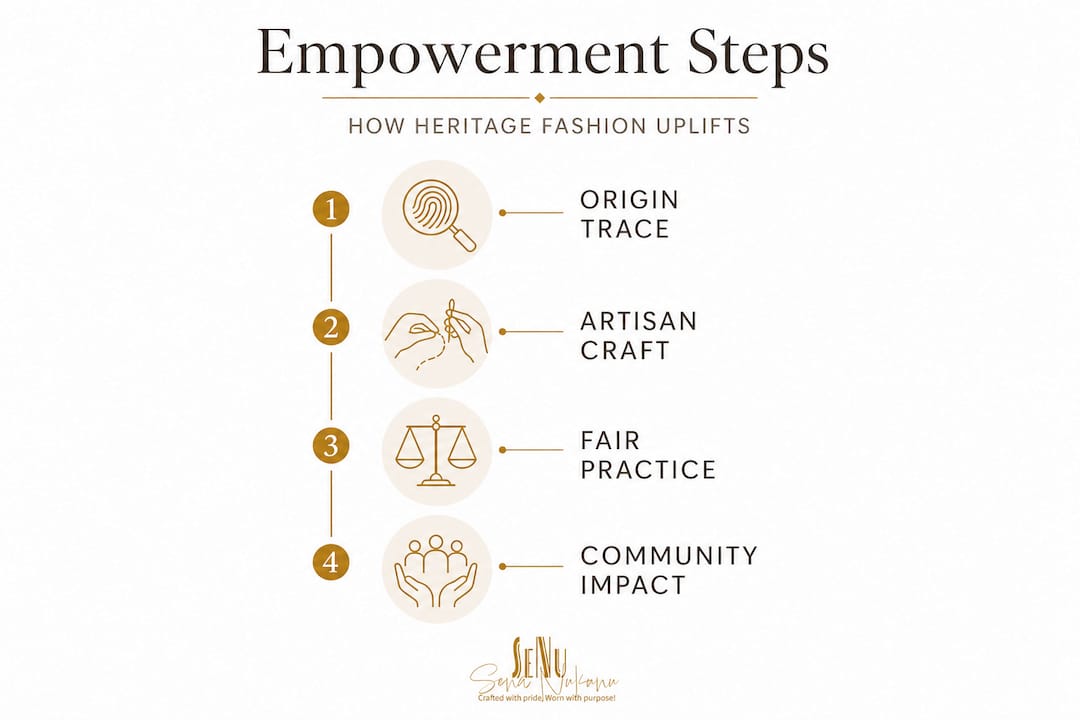
UNESCO's global research reinforces this point directly. Empowering women artisans is tied to preserving intangible heritage and boosting gender equality. When women weavers, dyers, and embroiderers are compensated fairly and supported through community structures, the knowledge they carry becomes sustainable. When they are not, those traditions quietly disappear within a generation.
Here is a quick reference for evaluating a brand's empowerment commitments:
| Empowerment indicator | What to look for | Why it matters |
|---|---|---|
| Fair wages | Stated wage policy or living wage commitment | Ensures artisans earn enough to live and reinvest in craft |
| Artisan contracts | Formal, documented agreements | Protects makers from exploitation |
| Community investment | Education, health, or infrastructure programs | Builds long-term resilience beyond individual sales |
| Gender equity | Women's leadership roles in production | Honors the central role of women in textile traditions |
| Transparency | Named artisans, published supply chain | Validates authenticity claims |
Before you buy, consider asking these questions directly:
- Who made this piece, and where? A brand committed to artisan empowerment will be proud to answer.
- How are makers compensated? Look for specific language about fair wages and contracts, not general statements about "supporting communities."
- What percentage of revenue returns to artisans? This is the clearest indicator of whether empowerment is rhetoric or reality.
- Does the brand invest in artisan training or community development? Long-term investment signals genuine partnership, not just transactional sourcing.
"Supporting artisan heritage is not charity. It is cultural preservation, economic justice, and an act of pride all woven into a single garment."
Your style choices are a form of supporting artisan heritage. And when you wear heritage fashion that honors its origins, you are carrying forward a story of resilience, creativity, and community that deserves to be seen. Fashion, culture, and empowerment are not separate conversations. They are the same one.
A fresh perspective: why operational empowerment beats heritage 'storytelling'
Here is something the heritage fashion conversation does not say loudly enough: a beautiful origin story is not the same as a just supply chain.
Brands across the global fashion industry have learned that consumers respond powerfully to cultural narratives. The result? A wave of labels that lead with compelling stories about ancient traditions and artisan communities, while paying workers below living wages and offering no formal contracts. The feel-good story becomes a marketing asset, not a genuine commitment. Empowerment signals should be operational, meaning they show up in contracts, fair wages, and transparency, not only in narrative.
We believe that global hype around African fashion has created both opportunity and risk. The opportunity is real: more consumers than ever are curious about and drawn to West African textiles, and that attention can direct meaningful resources toward artisan communities. The risk is equally real: when "African-inspired" becomes a marketing category rather than a cultural commitment, the tradition gets diluted and the communities get bypassed.
The uncomfortable truth is that heritage status can be claimed by anyone with a skilled graphic designer and a compelling brand voice. What cannot be faked is a verified supply chain, a named artisan, a fair contract, and a community that is visibly better off for the relationship. Those are the standards we hold ourselves to at Sena Nukunu, and they are the standards we encourage you to apply when exploring authentic cultural statements in any heritage fashion context.
Operational empowerment is slower, harder, and more expensive than storytelling. It is also the only kind that lasts.
Discover and wear empowered heritage fashion
You have taken the time to understand what heritage fashion truly means, how it is made, and why the ethics behind it matter as much as the beauty on the surface. Now it is time to let that knowledge shape how you shop.
At Sena Nukunu, every piece we carry is selected with these principles in mind. From statement dresses that honor West African textile traditions to vibrant matching sets that let you wear your cultural pride with ease, our collections are built around artisan craftsmanship, ethical sourcing, and the kind of timeless confidence that comes from knowing the story behind what you wear. Browse our curated selection of unique dresses crafted with care and purpose, or explore vibrant styles across our full collection and discover pieces that empower you and the communities behind them.
Frequently asked questions
How can I verify if a garment is truly heritage fashion?
Check for traceable origin, artisan involvement, and legal or craft certifications, not just design elements. Geographical Indication status and formal production standards reflect real heritage credentials that go beyond visual style.
Why does who made my clothing matter in heritage fashion?
Artisan involvement preserves cultural skill, supports fair labor, and increases the authenticity and lasting value of each piece. UNESCO links artisan work with both preserving heritage and advancing economic autonomy for communities.
Can heritage fashion be sustainable?
Yes, especially when it uses traditional techniques, natural materials, and ethically empowers artisan communities. Traditional craft with natural materials enhances both sustainability and social value in ways that mass production cannot replicate.
Is heritage fashion only about African styles?
While this guide focuses on West African heritage, other regions also have rich textile and garment traditions worth exploring and honoring with the same ethical standards.
What questions should I ask brands claiming to offer heritage fashion?
Ask about origin, artisan partnerships, and their measurable support for community empowerment and fair labor. Ethical sourcing guides recommend transparency, fair labor, and community impact as the clearest indicators of genuine empowerment.