TL;DR:
- A handcrafted fashion checklist helps consumers choose authentic, ethically made West African garments with confidence. It emphasizes natural fibers, visible artisan craftsmanship, transparent listings, proper care, and cultural respect. Investing in quality pieces promotes longevity, cultural integrity, and ethical fashion principles.
A handcrafted fashion checklist is a structured evaluation tool that helps conscious consumers select authentic, ethically made artisan clothing with confidence. When you shop West African fashion, the stakes are high: you want cultural integrity, genuine craftsmanship, and garments built to last. This guide walks you through every critical checkpoint, from fabric quality and stitching details to product listing red flags and long-term care. Senanukunu's approach to ethical artisan fashion reflects exactly what this checklist protects: pieces that carry a legacy, not just a label.
1. Your handcrafted fashion checklist starts with material quality
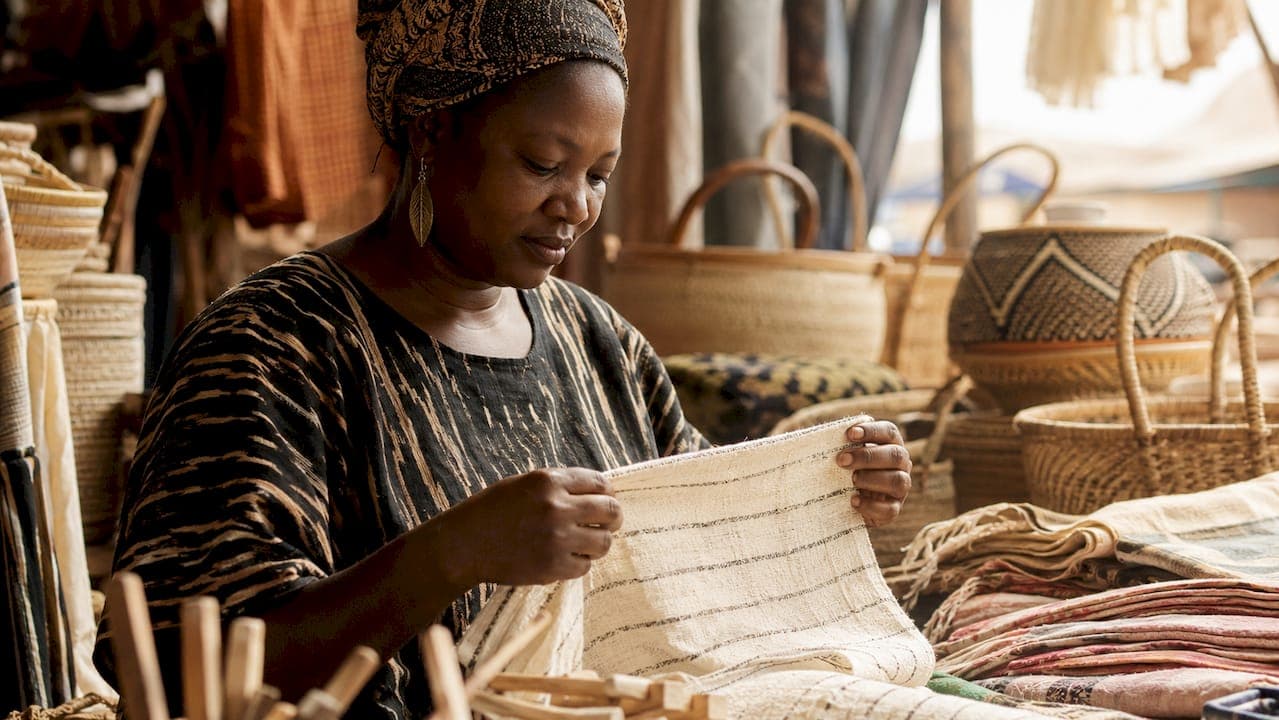
Material quality is the single most reliable indicator of a garment's longevity and cultural authenticity. West African artisan fashion traditionally uses natural fibers, and that tradition exists for good reason. Prioritizing linen, silk, and cotton over synthetics reduces environmental impact and produces garments that breathe, age gracefully, and hold their shape across years of wear. Synthetics pill, trap heat, and degrade faster under hand-washing conditions common to artisan care routines.
West African textiles worth knowing include kente cloth (hand-woven in Ghana from cotton and silk), ankara (vibrant cotton prints), kuba cloth (woven from raffia in the Democratic Republic of Congo), and adire (Yoruba hand-dyed indigo fabric). Each carries distinct cultural meaning and requires specific care. Recognizing these fabrics by name tells you immediately whether a seller understands what they are offering.
- Natural fibers: Cotton, linen, silk, and raffia are the foundation of authentic West African textile traditions.
- Durability markers: Tightly woven fabric with consistent thread tension resists tearing and holds color longer.
- Breathability: Natural fibers regulate body temperature, which matters for garments designed for warm climates.
- Care compatibility: Natural fabrics tolerate cold-water hand washing without losing structure, a key sustainable fashion tip.
- Avoid: Polyester blends marketed as "inspired by" traditional textiles. They mimic the look but not the feel or longevity.
Pro Tip: Rub a small corner of the fabric between your fingers. Natural fibers feel slightly textured and warm. Synthetics feel slick and cool, even at room temperature.
2. Craftsmanship indicators that confirm genuine artisan work
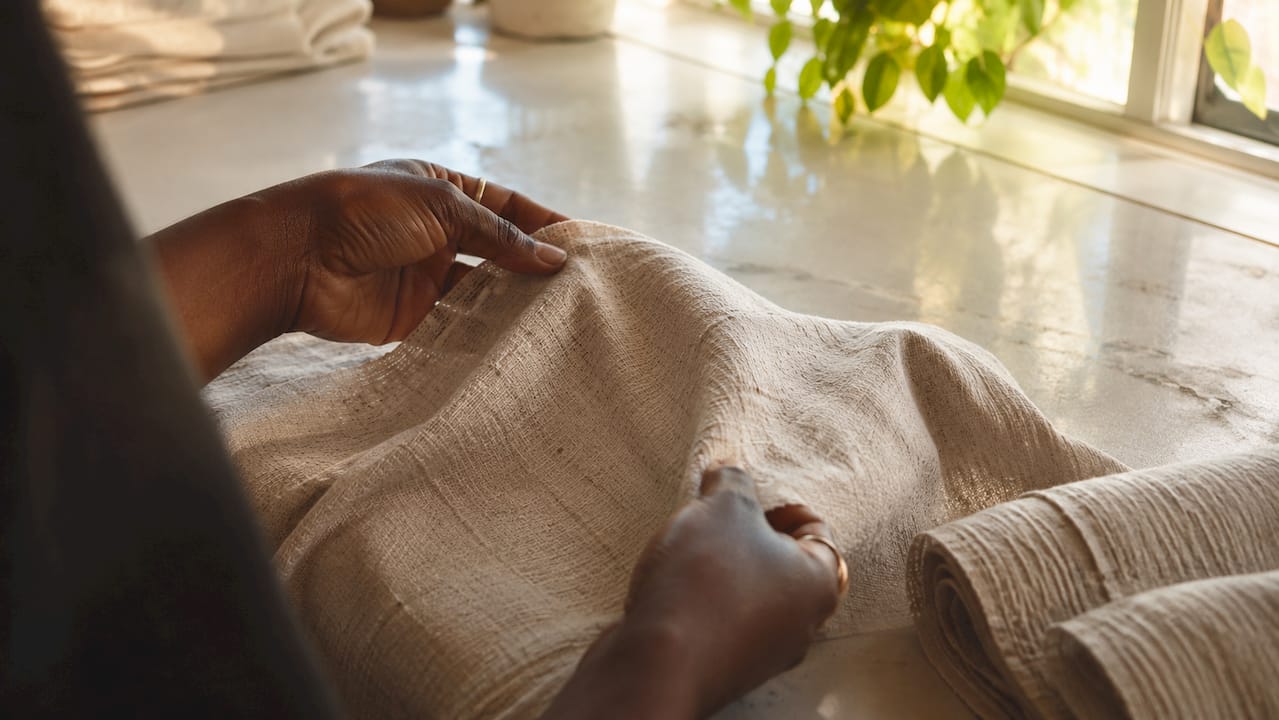
Authentic artisan clothing carries physical evidence of the maker's hand. Quality stitching sits flat, with consistent tension and no loose threads at stress points like seams, armholes, and waistbands. Reinforced stress points signal that a maker thought about how the garment will be worn, not just how it will photograph.
Hand embroidery, hand-dyed sections, and handwoven panels each show distinct irregularities that machine production cannot replicate. A slight variation in embroidery spacing or a subtle shift in dye saturation is a feature, not a flaw. It confirms that a human being made this piece. Recognizing authentic African craftsmanship requires training your eye to value those variations rather than dismiss them.
Key craftsmanship signals to check:
- Seam finishing: Edges should be clean, whether whip-stitched, bound, or serged. Raw, fraying edges on interior seams indicate rushed production.
- Pattern alignment: On printed fabrics like ankara, patterns should align at seams. Misalignment signals mass cutting without artisan attention.
- Embellishment security: Beads, shells, and embroidered motifs should be firmly attached with no loose threads or missing elements.
- Consistency within a collection: A maker's style should feel coherent across pieces, reflecting a recognizable aesthetic rooted in West African heritage.
Pro Tip: Ask the seller for a photo of the garment's interior seams. A maker proud of their craft will share it without hesitation. Reluctance is a red flag.
Artisan craftsmanship methods vary by region and tradition, so learning the specific techniques associated with a garment's origin adds another layer of verification.
3. How to read a product listing before you buy
A trustworthy handmade product listing answers five questions before you ask them: what the material is, how it was made, what the exact dimensions are, what customization is available, and how to care for it. Effective listings feature multiple photos, scale references, and detailed descriptions that leave no room for guesswork about sizing or finish.
Use this numbered checklist when evaluating any artisan clothing listing:
- Material specifics: The listing names the exact fabric, its origin, and its fiber content. "Cotton blend" without percentages is insufficient.
- Production method: The listing states whether the piece is hand-sewn, handwoven, hand-dyed, or machine-assisted. Transparency here reflects maker confidence.
- Exact dimensions: Measurements appear in inches or centimeters, not just S/M/L labels. Artisan sizing varies widely by maker.
- Care instructions: Washing temperature, drying method, and ironing guidance appear clearly. Missing care details suggest the seller does not fully know the fabric.
- Customization limits: The listing specifies what can and cannot be altered, along with realistic lead times for custom orders.
- Scale photos: At least one photo shows the garment on a body or next to a common object for size reference.
- Maker voice: The description reads as personal and specific, not generic marketing copy. Phrases like "I hand-dye each piece in small batches" signal authenticity.
Strong handmade listings include production methods, material origins, and a distinct maker voice that builds buyer trust. Generic copy that could describe any garment from any seller is a warning sign.
When something remains unclear after reading the full listing, ask one or two targeted questions. Limiting your questions to specific unknowns respects the maker's time and gets you faster, more useful answers.
4. Sustainable care habits that extend garment life
Caring for handcrafted West African garments correctly is as important as choosing them wisely. Washing less frequently, using cold water, and air drying are the three most effective steps for reducing fabric abrasion and environmental impact. Heat from dryers breaks down natural fibers faster than almost any other factor.
Sustainable fashion is about better choices, not perfect ones. Repairing and properly storing existing garments extends their life far more effectively than replacing them with new purchases. A loose button or a small seam split is a five-minute repair, not a reason to retire a piece.
- Washing: Turn garments inside out before washing. Use a gentle, pH-neutral detergent formulated for delicates or natural fibers.
- Drying: Lay flat or hang in shade. Direct sunlight fades hand-dyed fabrics, particularly adire and batik.
- Storage: Fold kente and woven pieces flat rather than hanging them. Hanging stretches woven structures over time.
- Repairs: Keep a small sewing kit with thread colors matched to your key pieces. Address loose threads immediately before they become tears.
- Spot cleaning: Treat stains immediately with cold water and a soft cloth. Avoid rubbing, which spreads the stain and damages fibers.
Pro Tip: Store delicate hand-dyed pieces in breathable cotton bags, not plastic. Plastic traps moisture and accelerates fabric degradation, especially in humid climates.
Sustainable fashion choices that extend garment life also support the artisans who made them. Every additional year you wear a piece is a vote for the slow fashion model over disposable consumption.
5. Selecting pieces that reflect your style and honor the culture
Choosing artisan fashion well requires both self-knowledge and cultural respect. The one-item rule is the most practical styling principle for artisan pieces: pair one deliberate statement garment with simple basics. This approach focuses attention on the craftsmanship and avoids a cluttered aesthetic that competes with the piece's cultural weight.
West African artisan fashion carries stories. An ankara wrap dress or a kente-trimmed jacket is not a costume. It is a cultural artifact made wearable. Selecting pieces with that awareness means asking whether you understand what you are wearing and whether your styling honors its origin.
- Versatility first: Choose pieces that work across at least two occasions, whether a market day or a dinner out. Versatility justifies the investment and reduces the temptation to buy more.
- Trend awareness with restraint: Artisan pieces are inherently timeless. Avoid selecting a piece solely because it matches a current trend. Trends pass; craftsmanship does not.
- Statement versus basics: Invest more in statement pieces with intricate detailing. Basics like solid-color wraps or simple linen sets can be more affordable without sacrificing quality.
- Ethical sourcing alignment: Confirm that the maker or platform you buy from pays artisans fairly and operates with supply chain transparency. Conscious fashion values align purchasing power with personal ethics.
- Cultural appreciation: Learn the name, origin, and significance of the textile or technique before wearing it publicly. That knowledge deepens your connection to the piece and the people who made it.
High-quality artisan garments cost more upfront but deliver better cost-per-wear than multiple cheaper alternatives. That math makes the investment both financially and ethically sound.
Key Takeaways
A complete artisan clothing checklist covers material quality, craftsmanship verification, listing transparency, garment care, and culturally informed selection to produce purchases you will wear and value for years.
| Point | Details |
|---|---|
| Prioritize natural fibers | Choose cotton, linen, silk, or raffia over synthetics for durability and cultural authenticity. |
| Verify craftsmanship physically | Check seam finishing, pattern alignment, and embellishment security before purchasing. |
| Read listings critically | Confirm material origin, exact dimensions, care instructions, and maker voice in every listing. |
| Care extends garment life | Wash less, use cold water, air dry, and repair promptly to maximize longevity. |
| Apply the one-item rule | Pair one artisan statement piece with simple basics to honor the craftsmanship and avoid clutter. |
What I have learned from years of choosing artisan fashion
Most people approach artisan fashion the same way they approach fast fashion: they see something beautiful, they buy it, and they move on. That approach misses the entire point. The piece sitting in your closet unworn because it "doesn't go with anything" is not a styling failure. It is a selection failure. You bought the garment without asking whether it fit your actual life.
The shift that changed everything for me was slowing down before the purchase, not after. Reading the full listing, asking one specific question, holding the fabric standard in my mind before clicking "add to cart." That discipline eliminated buyer's remorse almost entirely. It also made each piece I own feel more intentional, more connected to the maker's story and the textile's heritage.
The uncomfortable truth about artisan fashion is that quality costs what it costs. Trying to find a "deal" on handcrafted West African clothing usually means finding something that is not actually handcrafted. The cost-per-wear argument is real: a $180 hand-embroidered ankara dress worn 60 times costs $3 per wear. A $40 imitation worn 8 times costs $5 per wear, and it carries none of the cultural weight. Invest in fewer pieces, know them deeply, and wear them with pride.
— Sena
Senanukunu: Where the checklist meets the collection
Every principle in this guide shaped how Senanukunu curates its collections. Each piece is ethically produced, culturally grounded, and made to be worn with intention, not just admired.
Senanukunu offers a curated selection of vibrant West African styles including ready-to-wear dresses, matching sets, and statement jackets, all crafted with the material quality and artisan transparency this checklist demands. Limited quantities mean each piece receives the attention it deserves. Browse the full artisan collections and bring your checklist with you. You will know exactly what to look for, and you will find it there.
FAQ
What is a handcrafted fashion checklist?
A handcrafted fashion checklist is a structured set of criteria for evaluating artisan clothing before purchase, covering material quality, craftsmanship indicators, listing transparency, and care requirements. It helps conscious consumers avoid misrepresented or low-quality pieces.
How do I verify that a West African garment is genuinely handmade?
Look for physical signs of hand production: slight embroidery irregularities, hand-dyed color variation, and reinforced stress points at seams. A detailed maker voice in the product listing and interior seam photos also confirm authenticity.
What fabrics should I prioritize in artisan West African fashion?
Prioritize natural fibers like cotton, linen, silk, and raffia. These materials are central to West African textile traditions, breathe well, and last longer with proper care than synthetic alternatives.
How do I care for handcrafted garments to make them last?
Wash less frequently using cold water and a gentle detergent, then air dry flat or in shade. Repair loose threads and seams immediately, and store woven pieces folded rather than hung to preserve their structure.
Is it worth paying more for ethically made artisan clothing?
Yes. Well-made artisan garments deliver better cost-per-wear than cheaper alternatives because they last longer and require less frequent replacement. The investment also supports fair wages for the artisans who made them.