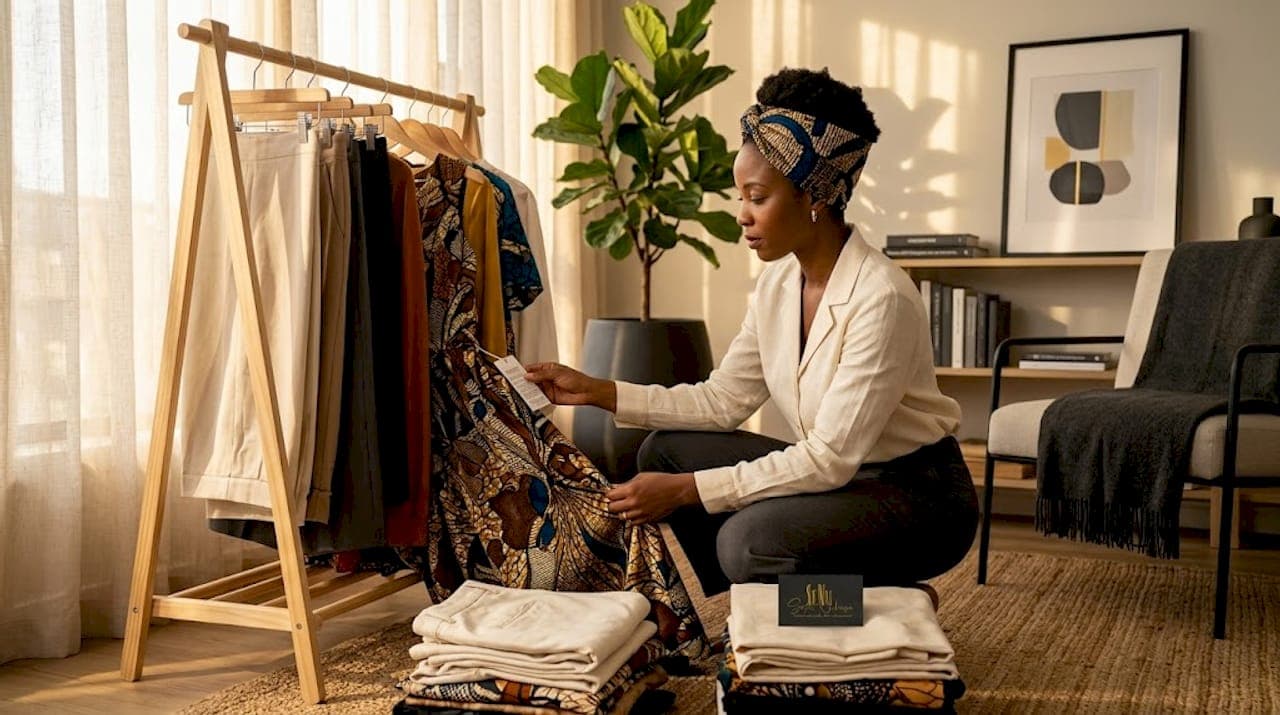
TL;DR:
- A West African capsule wardrobe combines intentionality, cultural heritage, and timeless textiles.
- It includes neutral basics paired with vibrant prints like Ankara and Adire for versatile outfits.
- Supporting artisan-made fabrics and accessories promotes sustainability and cultural preservation.
You've stood in front of a full closet and still felt like you had nothing to wear. That frustration is real, and it's even more acute when you want your wardrobe to reflect something deeper than just trends. You want color, culture, and craftsmanship. You want every piece to feel intentional and rooted in something meaningful. A West African capsule wardrobe solves exactly that problem, giving you a carefully curated collection that is vibrant, versatile, and rich with identity, so you can dress with confidence and cultural pride every single day.
Table of Contents
- Why a West African capsule wardrobe?
- Gathering your essentials: Core pieces and fabrics
- Step-by-step: Build, mix, and match your capsule
- Tips to avoid common mistakes and make it your own
- What most style guides miss about West African capsules
- Ready for your next step? Curate with artisan collections
- Frequently asked questions
Key Takeaways
| Point | Details |
|---|---|
| Start with essentials | Build your base with neutral, tailored West African wardrobe staples. |
| Incorporate signature prints | Layer in 2-3 authentic prints like Adire or Ankara for variety and impact. |
| Maximize outfit options | Each print should pair well with most basics for dozens of unique looks. |
| Support authentic craftsmanship | Choose ethically made pieces that reflect both culture and sustainability. |
| Personalize and enjoy | Add accessories and rotate seasonally to keep your capsule fresh and expressive. |
Why a West African capsule wardrobe?
Now that we've set the scene, let's understand why this style of wardrobe is worth your attention.
The beauty of a capsule wardrobe is that it asks you to slow down and be intentional. Instead of filling your closet with items that rarely connect, you build a tight, purposeful collection where every piece earns its place. When you weave West African fashion into that philosophy, something remarkable happens. Your wardrobe stops being just a collection of clothes and starts becoming a living expression of heritage, resilience, and artistry.
West African fashion carries centuries of storytelling in its patterns, colors, and silhouettes. The bold geometry of Ankara fabric, for example, isn't just visually striking. Each motif often carries meaning tied to community, royalty, or spiritual beliefs. When you wear a piece made from authentic Adire, the hand-dyed indigo resist fabric rooted in Yoruba tradition, you are wearing a form of cultural text. That depth is what separates a West African capsule from any ordinary minimalist closet.
Understanding West African style empowerment is central to appreciating why this approach works so well for modern women in the U.S. and beyond. You don't have to choose between looking polished for a professional setting and feeling culturally connected. The right capsule makes both possible at once.
Here's what makes a West African capsule wardrobe so powerful:
- Timeless over trendy: Cultural prints like Ankara and Adire transcend seasonal fashion cycles, so your investment lasts.
- Maximum outfit variety from fewer items: Building a culture-inspired fashion statement wardrobe means smart pairing potential across every piece you own.
- Emotional connection: Clothing that honors your heritage fosters daily confidence and a sense of belonging.
- Ethical consciousness: A smaller, intentional wardrobe supports artisans and reduces the waste associated with fast fashion.
"Your wardrobe is one of the most intimate expressions of who you are. Make it tell the right story."
The capsule philosophy aligns beautifully with the values embedded in West African fashion traditions: quality over quantity, purpose over impulse, and legacy over novelty.
Gathering your essentials: Core pieces and fabrics
With a clear understanding of the benefits, you need to know what to shop for in your new capsule.
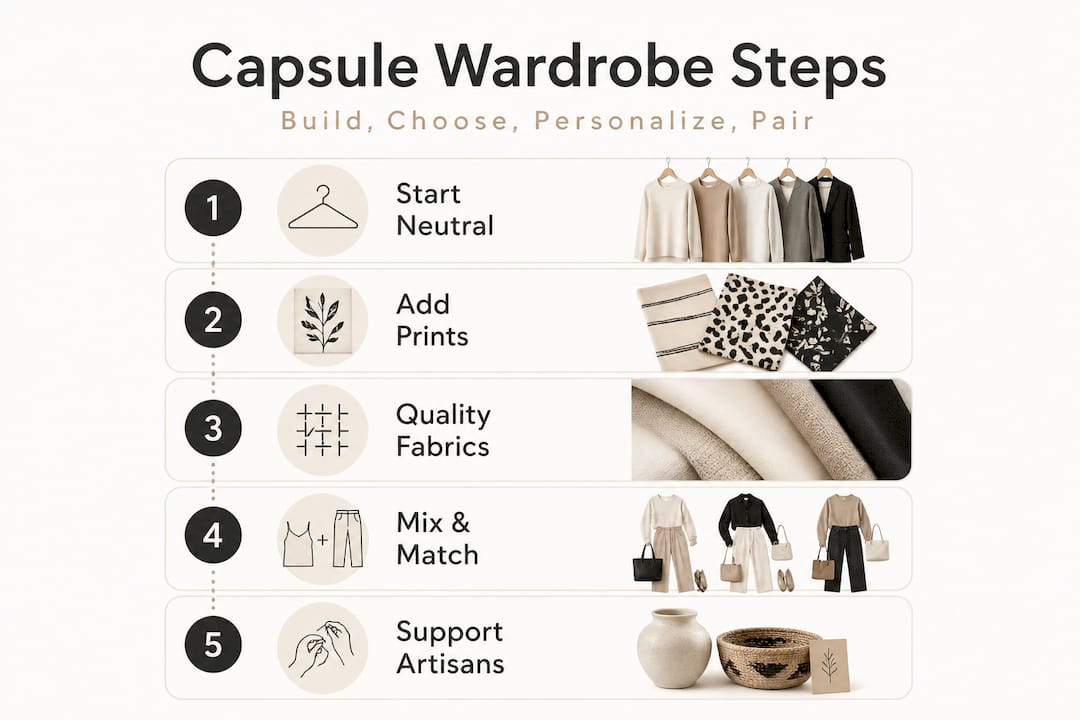
The most effective West African capsule wardrobe is built in two layers. The first layer consists of neutral, foundational staples that serve as your canvas. The second layer introduces signature cultural prints that become the voice of your wardrobe. These two layers work together to create cohesion without sacrificing individuality.
Experts recommend that you start with neutral staples, such as white shirts and tailored trousers in beige or navy, then layer two to three cultural print pieces like Adire and Ankara, ensuring each print pairs with multiple bases for over 20 distinct outfits. That math is the secret weapon of the capsule approach.
Your foundational pieces should include:
- White fitted blouses or shirts in breathable cotton or linen for layering ease
- Tailored trousers in navy, beige, or black for maximum pairing potential
- A simple wrap skirt or midi skirt in a solid, earthy tone
- A classic black dress or a shift dress that can transition from day to evening
- Neutral outerwear such as a structured blazer or light jacket in a solid color
Your cultural print selections should be chosen with intention. Adire fabric, rooted in Yoruba culture of West Africa, uses a resist-dyeing technique that produces distinctive indigo patterns. Ankara fabric, also widely known as African wax print, features bold, symmetrical designs in vivid colors. Both fabrics are traditionally made on cotton, which makes them comfortable, breathable, and practical for everyday wear.
| Fabric Type | Origin | Key Characteristics | Best Used For |
|---|---|---|---|
| Adire | Yoruba, Nigeria | Indigo tones, resist-dyed, handcrafted | Skirts, blouses, statement dresses |
| Ankara | West Africa broadly | Bold wax prints, vivid colors, cotton base | Dresses, sets, jackets, matching coordinates |
| Kente | Ghana | Woven silk or cotton strips, regal patterns | Accent pieces, event wear, structured items |
| Batik | Widespread in West Africa | Layered color patterns, earthy tones | Relaxed tops, wraps, casual dresses |
Exploring African-inspired wardrobe essentials helps you understand which pieces form the strongest foundation for mixing and matching. The goal is to select prints that share at least one color with your neutral base pieces, ensuring effortless coordination.
The quality of fabric matters enormously when it comes to craftsmanship and ethics. Authentic West African textiles are designed to age gracefully, growing richer with wear rather than deteriorating quickly. When you invest in genuine artisan-made pieces, you're choosing garments that carry that durability alongside their cultural significance.
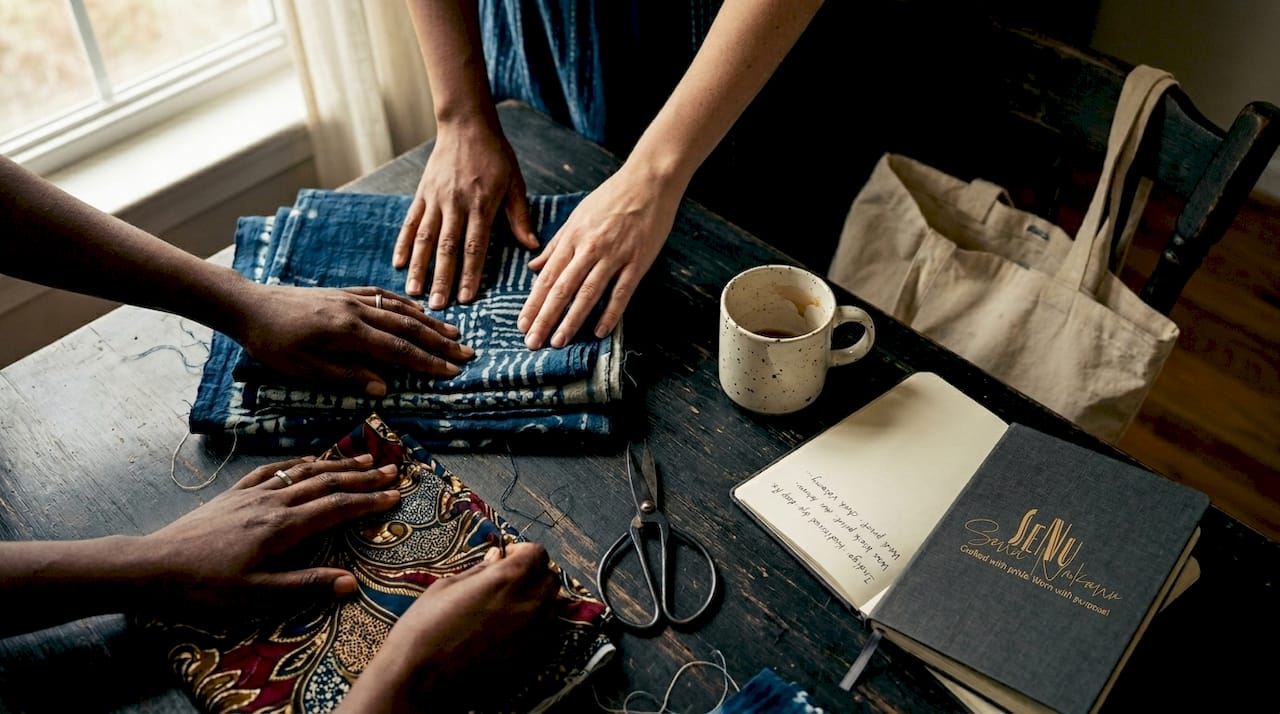
Pro Tip: When selecting your two to three print pieces, lay them next to your neutral staples before purchasing. If each print shares at least one color with your basics, you've found a winner that will multiply your outfit options significantly.
Step-by-step: Build, mix, and match your capsule
You've got the pieces; now, here's how to bring them together for endless style.
Building your capsule isn't just about collecting items. It's about creating a system where everything connects. Follow this process and you'll find that your wardrobe practically styles itself.
-
Audit what you already own. Before buying anything new, pull out every item you currently wear with joy and confidence. Identify any neutral basics you already have that could anchor your capsule without additional expense.
-
Choose your neutral base first. Select three to five neutral pieces that form the backbone of your wardrobe. Think of these as the canvas that allows your cultural prints to truly shine. Classic silhouettes in quality fabrics serve you well here.
-
Select your signature print pieces with intention. Referring to the capsule wardrobe strategy, aim for two to three statement print garments that each pair with at least three of your neutral pieces. This rule alone unlocks over 20 unique outfit combinations from a small collection.
-
Plan your outfit combinations before you shop. Write out or sketch at least five outfit combinations using your chosen pieces. If the combinations feel natural and varied, your selections are working. If you struggle to mix and match, reconsider a piece before committing.
-
Add accessories as the final layer. Accessories are where personality truly shines. Beaded necklaces, hand-woven headbands, leather sandals, or an artisan-crafted clutch can transform a simple neutral outfit into a full cultural expression without adding complexity to your core wardrobe.
-
Wear and refine over time. Your capsule is a living collection. After a month of regular use, you'll know which pieces you reach for constantly and which ones feel out of place. Use that knowledge to refine and strengthen your selection.
| Outfit scenario | Base piece | Print piece | Accessories |
|---|---|---|---|
| Casual weekend | White blouse | Ankara wrap skirt | Leather sandals, beaded earrings |
| Professional meeting | Navy trousers | Structured Ankara blazer | Block heels, minimal jewelry |
| Evening event | Black shift dress | Adire statement jacket | Strappy heels, wrist cuff |
| Relaxed errand day | Beige linen trousers | Ankara printed top | Flat sandals, woven bag |
Following a thoughtful step-by-step African outfit guide ensures you never feel overwhelmed when getting dressed. The key is to always return to your pairing rules: one statement print per outfit, balanced by calm, neutral companions.
Learning to create authentic cultural fashion statements isn't about wearing as much print as possible. It's about wearing the right print, in the right context, with the right intention.
Pro Tip: A single Ankara blazer over a simple white shirt and tailored black trousers is one of the most powerful professional outfits you can build. It reads polished and cultured simultaneously, with virtually no effort at all.
Tips to avoid common mistakes and make it your own
Once you've started building, some common hurdles and opportunities for personalization are worth considering.
Every capsule wardrobe journey has its pitfalls, and the West African version is no exception. Knowing what to avoid saves you time, money, and frustration along the way.
Common mistakes to sidestep:
- Overloading on prints. Too many cultural prints at once can overwhelm the eye and actually reduce the versatility of your wardrobe. Stick to two or three statement pieces and let them breathe among your neutrals.
- Buying for occasions that rarely happen. A capsule wardrobe should serve your actual life, not an idealized version of it. Invest in pieces that fit your everyday routine, whether that's work, errands, social events, or all three.
- Ignoring fabric authenticity. Mass-produced imitations of Ankara or Adire rarely carry the same quality, richness, or meaning as genuinely crafted textiles. Always investigate the origin and production process of what you're purchasing.
- Forgetting accessories as capsule pieces. Accessories are part of your capsule too. A few intentional pieces, such as an artisan-beaded bracelet, a woven bag, or a printed headwrap, can expand your outfit range without adding garments.
- Treating the capsule as permanent. Your life changes, and so should your wardrobe. Revisit your collection seasonally, retiring pieces that no longer serve you and introducing one or two new items that align with the evolving you.
Learning how to support artisan fashion is one of the most meaningful choices you can make when curating your capsule. Every authentic purchase directly supports a craftsperson and keeps traditional techniques alive.
"A wardrobe built on authenticity and care is far more powerful than one built on volume alone. Choose quality. Choose legacy."
The rise of sustainable fashion trends rooted in West African artisanship shows us that conscious consumption and stunning style are not opposites. They are natural companions, and your capsule wardrobe is living proof of that truth.
Pro Tip: Personalize your capsule with one piece from a local West African artisan each season. It keeps your wardrobe fresh, supports community-based craft, and ensures no two seasons of your style ever feel exactly the same.
What most style guides miss about West African capsules
Most capsule wardrobe guides on the internet focus on one thing: minimalism. They celebrate the number of pieces you own, or rather, the number you've removed. While reducing closet clutter is genuinely freeing, this narrow focus misses something essential, especially when it comes to culturally rooted fashion.
A West African capsule wardrobe isn't primarily about owning less. It's about owning right. The distinction matters. Understanding how heritage shapes fashion reveals that West African dressing traditions have always been intentional, but never sparse for the sake of it. Celebratory dressing, layering of meaning through pattern, and the communal pride of wearing textiles made by neighbors and community members, these are not minimalist values. They are values of richness, connection, and identity.
The typical style guide also overlooks the artisan economy entirely. Choosing an ethically crafted Adire dress is not just a style decision. It is a vote for a craftsperson's livelihood, for the continuation of a technique that may be hundreds of years old, and for an economy that values human skill over machine efficiency. That context changes everything about how you approach a purchase.
The principle of modern craftsmanship and ethics pushes back against the idea that fashion is only about aesthetics. Real versatility isn't just how many outfits you can assemble. It's whether your clothing reflects who you are, what you value, and the story you want to carry forward. A capsule built on those foundations will always outperform one built purely on mix-and-match math.
We believe the most chic wardrobe is also the most intentional. And intentionality, in this context, means honoring culture, supporting makers, and wearing your identity with pride.
Ready for your next step? Curate with artisan collections
If you're ready to put this plan into action, finding trusted, artisan-driven sources is your next step.
At Sena Nukunu, we've done the work of curating so you don't have to start from scratch. Every piece in our selection is chosen with the capsule-minded, culture-proud woman in mind, ready to wear, thoughtfully made, and rooted in authentic West African heritage. Whether you're building your first cultural capsule or refining one you've already started, we invite you to explore vibrant styles that speak to your identity and your values.
Browse our curated collections to find statement dresses, coordinated sets, and signature jackets that pair beautifully with the neutral staples already in your closet. If you want a first look at what's arriving next, discover latest styles and be among the first to add limited-quantity artisan pieces to your capsule before they sell out. Your wardrobe is waiting to tell a richer story.
Frequently asked questions
What makes a West African capsule wardrobe unique?
Its foundation combines versatile neutral staples with signature cultural prints like Adire and Ankara, creating a wardrobe that balances both everyday practicality and deep cultural heritage. As capsule wardrobe research confirms, this combination can yield over 20 distinct outfits from a small, intentional collection.
How many pieces should be in a West African capsule wardrobe?
A well-balanced selection includes 10 to 15 core neutral pieces plus two to three cultural prints that each pair with multiple basics, giving you a rich variety of combinations without a cluttered closet.
Which fabrics and prints are most authentic?
Adire and Ankara prints on cotton are traditional choices rooted in West African craft traditions, prized for their vibrant patterns, cultural meaning, and lasting comfort in everyday wear.
How can I ensure my capsule wardrobe supports artisans?
Purchase directly from verified independent designers or platforms that openly champion artisan craftsmanship and transparent production practices, as this ensures your investment creates genuine community impact.
Can I adapt a West African capsule wardrobe for professional settings?
Absolutely. Start with classic tailored neutral pieces as your base and introduce cultural prints through a structured blazer, a refined blouse, or a coordinated set for a look that feels polished, expressive, and entirely professional.