TL;DR:
- Artisan craftsmanship emphasizes skill, tradition, and cultural heritage over mass-produced uniformity.
- Hand techniques like weaving, embroidery, and block printing create unique, culturally meaningful garments.
- Choosing artisan fashion supports sustainability, cultural preservation, fair labor, and long-lasting quality.
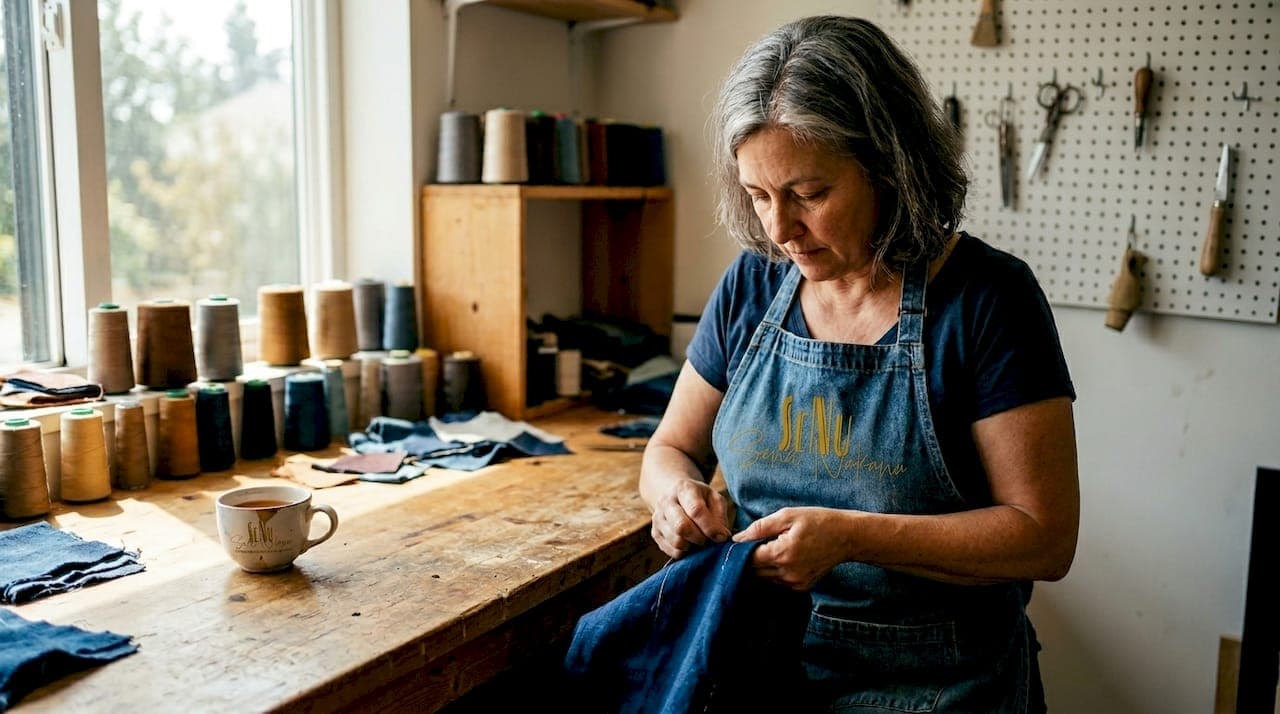
Not everything labeled "handmade" carries the same weight. You've likely noticed that some garments feel alive, like they hold a story in every thread, while others feel mechanical despite their handmade tags. That gap has a name: artisan craftsmanship. Artisan craftsmanship emphasizes quality, individuality, and human touch over mass uniformity, and understanding that distinction changes how you shop, what you wear, and whose work you support. This guide walks you through what artisan craftsmanship truly means, the methods behind it, and why it matters more than ever in today's fashion landscape.
Table of Contents
- What is artisan craftsmanship?
- Signature methods and techniques of artisans
- Artisan craftsmanship vs. mass production
- The cultural power and modern relevance of artisan-made fashion
- A fresh perspective: What most guides miss about artisan craftsmanship
- Explore artisan-crafted fashion for yourself
- Frequently asked questions
Key Takeaways
| Point | Details |
|---|---|
| True artisan craftsmanship | Combines tradition, skill, and individuality to create apparel that can't be mass-produced. |
| Signature methods matter | Hand-weaving, embroidery, and block printing each add authenticity, durability, and unique flair. |
| Artisan vs. mass production | Artisan goods last longer, have lower environmental impact, and support ethical fashion systems. |
| Cultural and ethical value | Choosing artisan-made fashion supports heritage and empowers communities, especially in West Africa. |
What is artisan craftsmanship?
At its core, artisan craftsmanship is the practice of creating objects with exceptional skill, care, and traditional hand methods passed down through generations. In fashion, this means garments are not simply assembled. They are shaped, stitched, and finished by skilled hands that understand materials deeply, honor cultural traditions, and bring artistic vision to every piece.
The word artisanal specifically refers to something made in a traditional or non-mechanized way, emphasizing quality and craftsmanship. But artisan craftsmanship goes further than technique alone. It carries a living cultural legacy. When a weaver in Ghana sits at a hand loom and creates fabric, she is not simply producing cloth. She is continuing a practice that has defined community identity, spiritual meaning, and social values for centuries.
Here is what separates true artisan craftsmanship from generic handmade goods:
- Technical mastery: Skills refined over years, often decades, of dedicated practice
- Artistic vision: Each piece reflects the maker's cultural knowledge and creative interpretation
- Human touch: Variability and warmth that no machine can replicate
- Ethical intention: A commitment to fair labor, sustainable materials, and community wellbeing
- Cultural transmission: Methods and motifs passed from elder artisans to the next generation
"Every stitch carries the spirit of a legacy. Artisan fashion is not just clothing. It is wearable storytelling."
The importance of craftsmanship in fashion cannot be overstated. In an era of fast fashion and disposable trends, artisan-made pieces offer something irreplaceable: connection. When you wear a garment crafted by an artisan, you are wearing proof of someone's time, expertise, and pride. That is worth knowing before you shop.
Browsing artisan-crafted items gives you a direct sense of how this philosophy translates into real, wearable art. The difference is visible, tactile, and deeply felt.
Signature methods and techniques of artisans
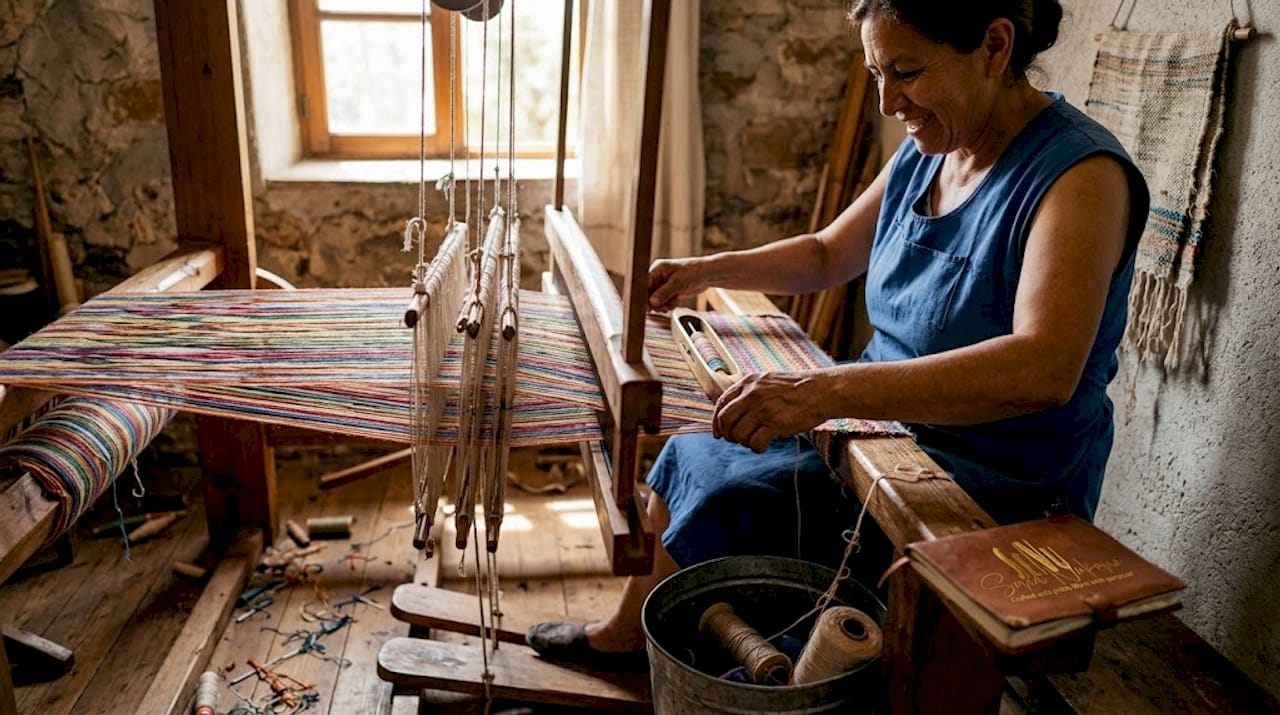
Artisan craftsmanship comes alive through specific methods, and understanding those techniques helps you recognize quality when you see it. Key methodologies include hand-sewing, saddle stitch, hand shaping, block printing, hand weaving, embroidery, beading, edge painting, and pattern cutting. Each technique carries a distinct purpose and produces results that machines simply cannot replicate.
| Technique | Description | Value to the garment |
|---|---|---|
| Hand weaving | Fabric created on a loom by hand, thread by thread | Unique texture, cultural pattern integrity |
| Embroidery | Decorative stitching applied by hand needle or frame | Dimensional detail, visual storytelling |
| Block printing | Carved blocks pressed with natural dye onto fabric | One-of-a-kind surface patterns, organic variation |
| Saddle stitching | Two-needle hand stitching for seams and edges | Exceptional durability and clean finish |
| Beading | Hand-applied beads sewn into fabric or trim | Cultural symbolism, tactile richness |
In West Africa, hand weaving holds particular cultural significance. Kente cloth from Ghana, for example, is woven in narrow strips that are then sewn together, with every color and pattern combination carrying symbolic meaning. Learning more about West African handcraft techniques reveals just how layered this artistry really is.
Here is how artisans typically transform fabric into a finished piece:
- Material selection: Artisans choose natural or culturally significant fabrics based on the garment's purpose
- Pattern design: Designs are drawn by hand or passed down as inherited templates with cultural significance
- Cutting and shaping: Fabric is cut by hand using pattern knowledge refined over years of practice
- Stitching and assembly: Seams are stitched by hand or guided by skilled use of a foot pedal machine
- Surface embellishment: Embroidery, beading, or printing is added to bring visual identity to the piece
- Finishing and quality check: Edges are painted or sealed, and the artisan personally inspects every detail
Pro Tip: When evaluating an artisan piece, run your fingers along the seams. Hand-stitched seams often feel slightly irregular but incredibly tight. That subtle inconsistency is the mark of human precision, not error.
Understanding how craftsmanship sustains culture helps you see each technique not just as a method but as a act of cultural preservation happening in real time.
Artisan craftsmanship vs. mass production
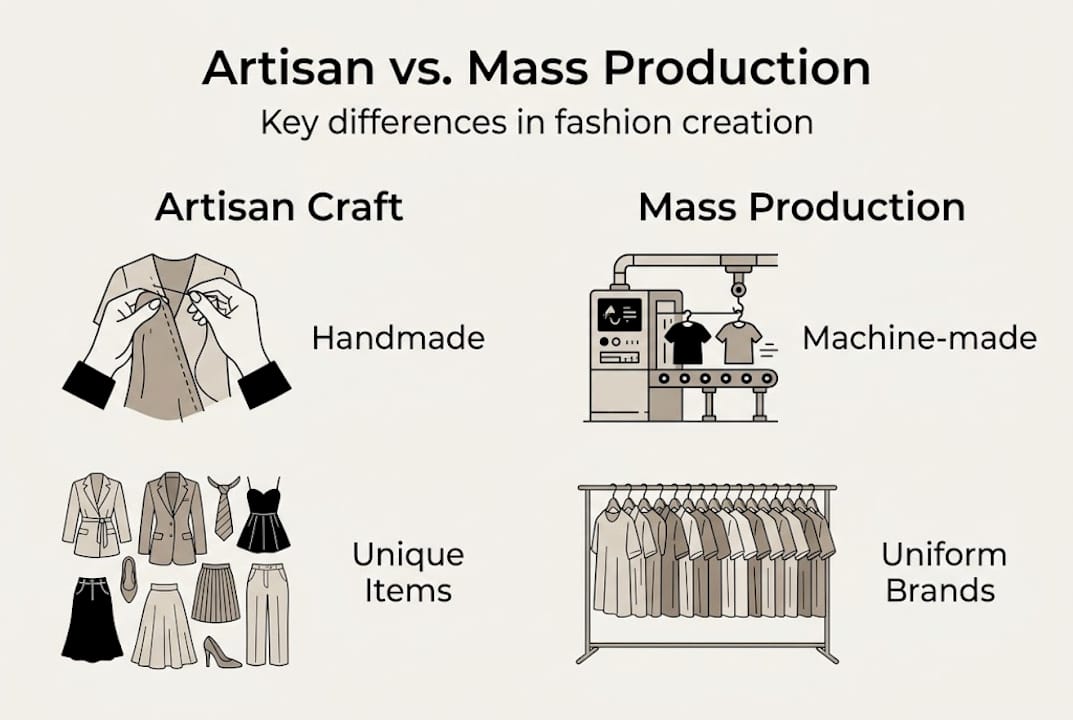
Knowing how artisans work, let's see exactly how their approach stacks up against mass production. The difference is not just about process. It shapes the quality, durability, and deeper meaning of every garment.
| Factor | Artisan craftsmanship | Mass production |
|---|---|---|
| Quality control | Personal inspection by the maker | Automated QA with acceptable error rates |
| Durability | Built to last years or decades | Often designed for limited wear cycles |
| Cultural value | Carries heritage, meaning, and story | Aesthetic only, no cultural depth |
| Environmental impact | Low waste, natural materials, small batches | High waste, synthetic materials, overproduction |
| Labor practices | Fair wages, skilled labor, community ties | Often low wages, high turnover, poor conditions |
| Uniqueness | Every piece slightly different | Identical across thousands of units |
Artisans adapt to material variations, produce durable goods with lower environmental impact, and preserve heritage, while mass production prioritizes speed and affordability but leads to waste and exploitation. That tradeoff matters enormously when you consider what ends up in landfills each year.
Studies on luxury production insights show that 70% of luxury consumers say craftsmanship is the primary factor in their purchasing decisions. That statistic reflects a broader shift happening in fashion: people are hungry for meaning, not just merchandise.
Some shoppers hesitate around artisan pieces because they assume higher price equals less accessibility. But here is what that thinking misses:
- Repairability: Artisan garments can be mended by the same methods used to make them
- Longevity: A well-made artisan piece often outlasts five to ten mass-produced alternatives
- Cost-per-wear: When divided by years of use, artisan fashion frequently costs less in the long run
- Emotional value: You form a relationship with pieces that carry a story and a maker's care
Exploring handcrafted apparel and sustainability gives you a fuller picture of why choosing artisan over mass-produced is one of the most powerful fashion decisions you can make. The rise of sustainable fashion trends confirms that conscious consumers are already voting with their wardrobes.
The cultural power and modern relevance of artisan-made fashion
With a clear view of what makes artisan goods special, let's examine their deep-rooted cultural and ethical value in today's fashion world. Artisan craftsmanship is not a trend. It is a living tradition that shapes communities, carries identity, and offers the fashion world something no factory can manufacture: soul.
West African artisans face real challenges from imported fabrics and colonial legacies, but they are seeing a meaningful revival through ethical initiatives, diaspora-led brands, and a growing global appetite for authentic, culturally rooted clothing. That revival is not just good for artisans. It is good for the fashion ecosystem as a whole.
Here is what artisan-made fashion genuinely offers beyond aesthetics:
- Reduces textile waste by producing in small, intentional batches
- Empowers women artisans who are often the primary weavers, dyers, and embroiderers in West African communities
- Reconnects the diaspora with their heritage through garments that speak the visual language of home
- Supports local economies by keeping production wages within artisan communities
- Keeps traditions alive so skills like kente weaving, adinkra printing, and bogolanfini dyeing are not lost
Pro Tip: When you buy artisan fashion rooted in West African tradition, ask the brand about the specific community or region where the garment was made. That kind of transparency is a mark of genuine ethical commitment, and it deepens your connection to the piece you wear.
The rise of "hybrid" fashion, which blends ancient textile traditions with contemporary silhouettes and styling, is making artisan-made clothing more wearable than ever for everyday life. A tailored dress in handwoven kente fabric or a structured jacket trimmed with hand embroidery bridges the old and the new with effortless grace.
"Fashion rooted in heritage does not look backward. It carries the past forward into every room you walk into."
Learning about supporting artisan heritage and reading fashion storytelling examples shows how cultural heritage influences every design choice made with purpose and pride.
A fresh perspective: What most guides miss about artisan craftsmanship
Here is what mainstream fashion guides rarely tell you: artisan craftsmanship is not automatically expensive, and the belief that it is has kept too many people away from truly meaningful clothing. When brands build direct partnerships with artisans rather than routing through multiple intermediaries, the price gap between artisan and mass-produced fashion narrows significantly. That is the "artisan paradox," and it is one of the most overlooked truths in ethical fashion.
What you gain from that direct relationship goes far beyond pricing. You gain transparency. You know who made your garment, where, and why. That knowledge changes how you wear something. Garments made with real care and intention become wardrobe anchors, pieces you reach for again and again because they feel right in a way that fast fashion never does.
Choosing ethically crafted West African style is not a sacrifice of style for ethics. It is a discovery that the most beautiful, enduring pieces are almost always the ones made with the most intentional hands.
Explore artisan-crafted fashion for yourself
Ready to bring the beauty and story of artisan craftsmanship into your own wardrobe? You now understand the difference between fashion that is simply made and fashion that is crafted with purpose, heritage, and pride. That knowledge deserves to be worn.
At Sena Nukunu, every piece in our collection reflects the values you've read about here: ethical production, cultural artistry, and the empowering spirit of West African tradition. Whether you are drawn to a flowing statement dress or a vibrant matching set, you'll find garments that carry real meaning. Browse our West African artisan dresses to find your next treasured piece, or explore vibrant collections that celebrate the full richness of West African style. Each item is crafted in limited quantities, so every purchase supports real artisans doing remarkable work.
Frequently asked questions
What does artisan craftsmanship mean in fashion?
It means creating apparel with skilled, hands-on methods that celebrate individuality, heritage, and quality over mass production. As defined clearly, artisan craftsmanship emphasizes skill, tradition, and quality over mass uniformity.
How can you identify true artisan-made clothing?
Look for visible handwork like unique stitching, varied patterns, natural dyes, and direct info on the makers or traditions involved. Hand-sewing, block printing, and hand weaving create unique patterns impossible to mass-replicate.
Is artisan craftsmanship more sustainable than mass production?
Yes, artisans use low-waste methods, natural materials, and create goods meant to last, reducing environmental impact significantly. Artisan goods have a lower environmental impact and are built to last longer than mass-produced items.
Why do variations or 'imperfections' add value in artisan fashion?
These variations show authenticity and proof of handcraft, making each piece unique and not a factory clone. Variability is celebrated as authenticity, not a defect, in true artisan goods.