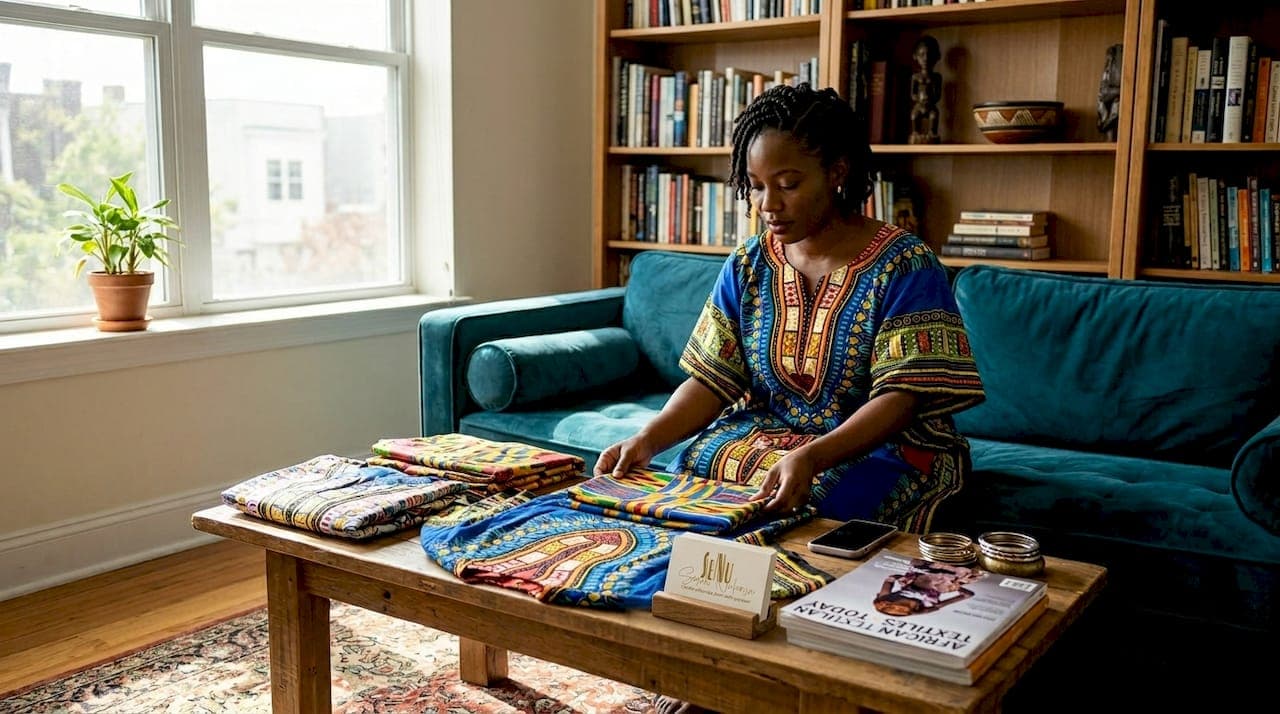
Finding authentic, ethically made Afrocentric fashion can feel like searching for a rare gem in a crowded marketplace. Mass-produced imitations flood online stores, making it genuinely hard to know whether the piece you love was crafted with care or churned out without cultural respect. But here is the truth: building a wardrobe rooted in West African heritage is one of the most empowering, meaningful choices you can make. This guide walks you through every step, from understanding what makes Afrocentric fashion truly distinctive to selecting pieces that honor artisans and celebrate a living, breathing legacy.
Table of Contents
- What makes Afrocentric fashion unique?
- Preparing your wardrobe: Essential Afrocentric pieces
- Step-by-step: Building your Afrocentric look
- Common mistakes and how to avoid them
- Ensuring authenticity and celebrating your new look
- Explore vibrant Afrocentric styles and empower artisans
- Frequently asked questions
Key Takeaways
| Point | Details |
|---|---|
| Embrace your heritage | Build a wardrobe that connects you to West African culture and empowers local artisans. |
| Choose authentic pieces | Select ethically made clothing and accessories with traditional motifs and craftsmanship. |
| Celebrate your style confidently | Verify authenticity, avoid mass-produced replicas, and proudly showcase your unique Afrocentric look. |
| Support sustainable practices | Prioritize brands and artisans who focus on ethical sourcing and sustainability. |
What makes Afrocentric fashion unique?
Afrocentric fashion is not simply a trend. It is a living expression of identity, history, and pride, woven into every fabric choice, pattern, and silhouette. Rooted in the rich traditions of West Africa, these designs carry stories that span generations, connecting the wearer to a cultural lineage that is both ancient and vibrantly alive today.
At its core, Afrocentric fashion is defined by three pillars:
- Cultural symbolism: Patterns like kente, adinkra, and ankara are not decorative alone. Each motif carries meaning, from resilience and unity to wisdom and love.
- Artisan craftsmanship: Skilled weavers, tailors, and dyers pour their expertise into every piece, creating garments that mass production simply cannot replicate.
- Ethical intention: Authentic Afrocentric fashion prioritizes fair wages, sustainable materials, and community empowerment over speed and volume.
As noted in fashion empowerment resources for U.S. women, Afrocentric designs reflect West African symbolism and craftsmanship in ways that go far beyond surface aesthetics. When you wear these pieces, you are participating in a cultural conversation that spans continents.
"Every stitch, brushstroke, and design carries the spirit of a legacy, bridging cultures and honoring the hands that brought it to life."
This is why Afrocentric fashion resonates so deeply with fashion-forward individuals who want their clothing to mean something. Style becomes a statement of values, not just an outfit.
Preparing your wardrobe: Essential Afrocentric pieces
Understanding the uniqueness of Afrocentric fashion sets the stage for selecting your wardrobe essentials. The goal is not to own everything at once but to build a curated collection of pieces that work together, each one carrying cultural weight and versatile style.
Here are the foundational items worth investing in:
- Kaftans: Flowing, elegant, and deeply rooted in West African tradition, kaftans move beautifully and suit both casual and formal occasions.
- Kente dresses and gowns: Bold, geometric kente patterns make an immediate statement. A well-crafted kente smocked dress is a wardrobe anchor.
- Palazzo pants: Wide-leg palazzo pants in vibrant prints offer comfort and drama in equal measure.
- Matching sets: Coordinated two-piece sets in ankara or kente prints create effortless, polished looks for any occasion.
- Statement jackets: A structured jacket in an intricate West African print elevates any outfit instantly.
| Piece | Best occasion | Key fabric | Cultural significance |
|---|---|---|---|
| Kaftan | Everyday, celebrations | Ankara, cotton | Royalty, comfort |
| Kente dress | Formal events, ceremonies | Kente cloth | Heritage, prestige |
| Palazzo pants | Casual, travel | Ankara, linen | Freedom, expression |
| Matching set | Brunch, events | Ankara, wax print | Unity, identity |
| Statement jacket | Layering, work | Kente, embroidered | Strength, artistry |
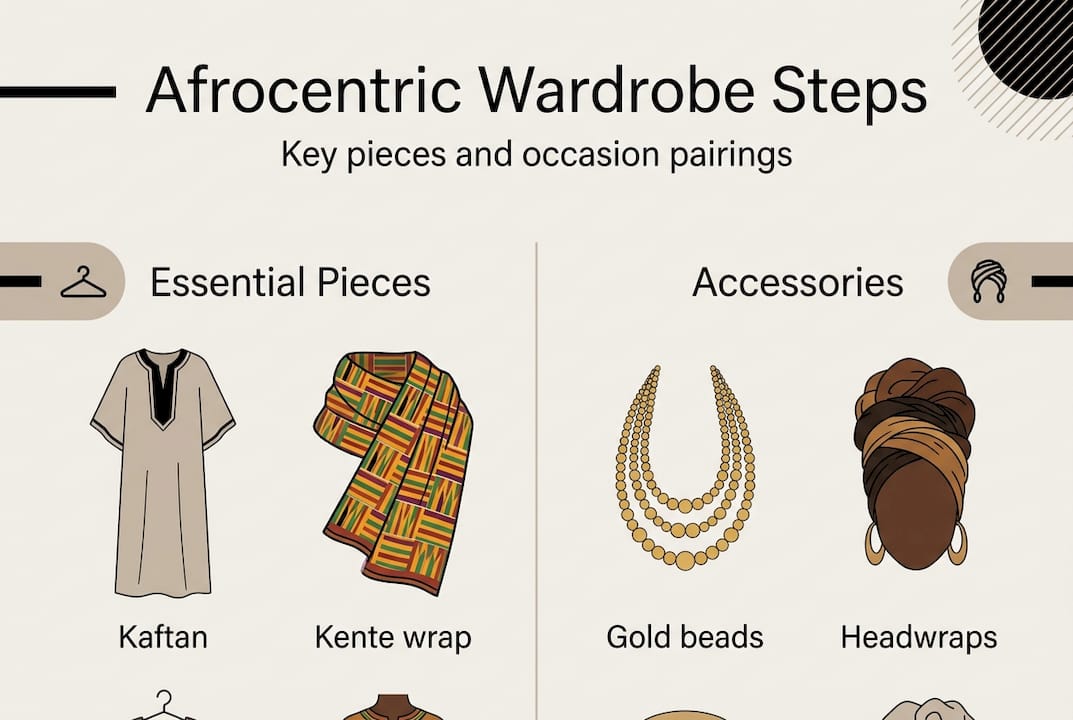
As retail event outfits from vibrant collections show, kente, kaftans, and palazzo pants are the cornerstones of a well-rounded Afrocentric wardrobe. Accessories also play a vital role. Beaded necklaces, woven bags, and headwraps amplify your look and honor the cultural motifs you are celebrating. Explore Afrocentric accessories to find pieces that complete your outfits with intention.
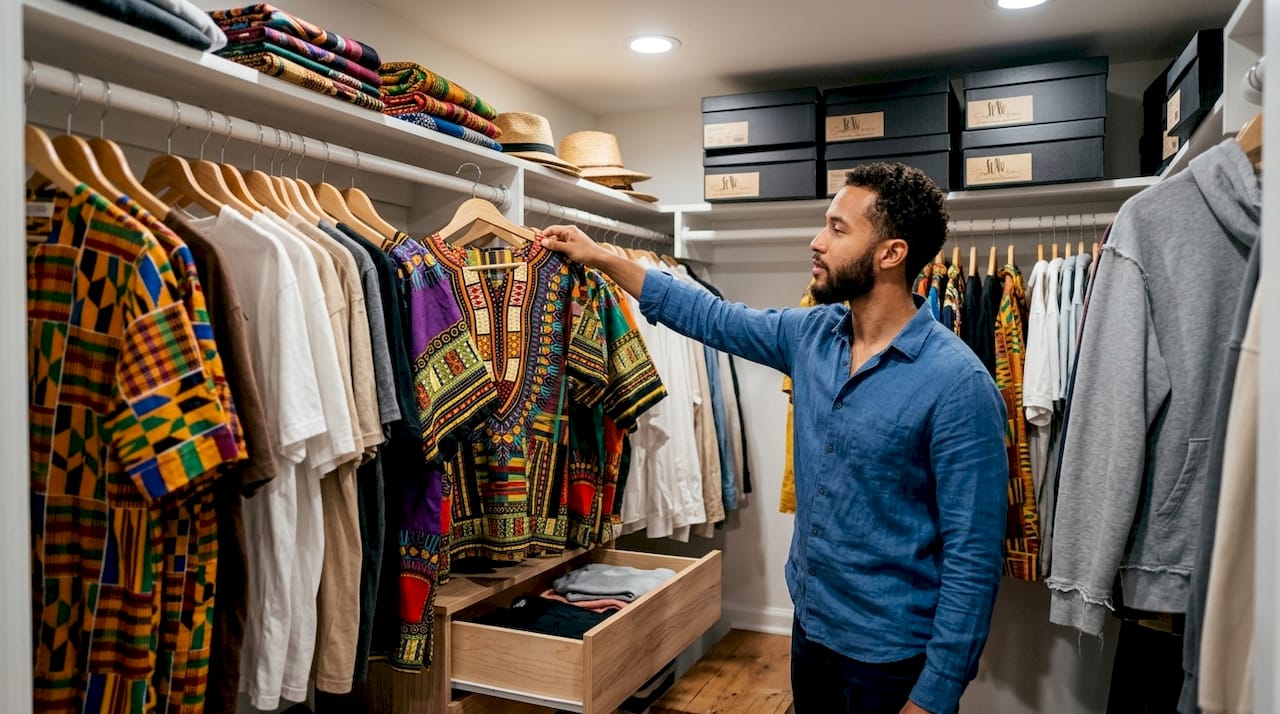
Pro Tip: Start with one or two anchor pieces in neutral kente or ankara colorways. These mix easily with simpler basics, letting you ease into the aesthetic without feeling overwhelmed.
Step-by-step: Building your Afrocentric look
With your essentials ready, follow these steps to build a wardrobe that represents your cultural and ethical values.
- Evaluate the fabric first. Run your fingers over the textile. Authentic kente is woven in narrow strips and joined together, creating a distinctive texture. Ankara wax prints have a rich, slightly waxy feel on both sides. If a fabric feels thin or the print looks faded and identical on both sides, it may be a low-quality replica.
- Research the brand's sourcing story. Ethical brands are transparent. They name their artisans, describe their production process, and explain where materials come from. Sustainable artisan fashion prioritizes ethical materials and empowers the communities behind each piece.
- Match pieces to your lifestyle occasions. Think about where you will actually wear each item. A kente wrap gown is stunning for celebrations and formal events, while palazzo pants and a matching top work beautifully for everyday wear.
- Layer with intention. Accessories are not afterthoughts. A beaded choker, a woven clutch, or a bold headwrap can transform a simple dress into a full cultural expression.
- Check for limited-quantity craftsmanship. Pieces made in small batches by skilled artisans hold more cultural and material value than mass-produced alternatives. Limited runs also mean your look stays genuinely unique.
| Occasion | Recommended piece | Accessory pairing |
|---|---|---|
| Formal celebration | Kente wrap gown | Gold beaded jewelry, headwrap |
| Everyday wear | Palazzo pants and top set | Woven bag, simple earrings |
| Work or brunch | Structured kaftan | Leather sandals, minimal necklace |
| Cultural festival | Full ankara matching set | Bold headwrap, stacked bracelets |
Pro Tip: When mixing prints, keep one piece as the focal point and let the other items stay solid or subtly patterned. This creates balance without losing the vibrancy that makes Afrocentric fashion so powerful.
Common mistakes and how to avoid them
Even with the right steps, there are common mistakes to watch for as you curate your wardrobe. Knowing what to avoid saves you money, protects your integrity as a conscious consumer, and ensures the artisans behind these designs receive the recognition they deserve.
- Buying mass-produced replicas: Many fast-fashion brands copy West African prints without any cultural understanding or artisan involvement. These pieces look similar but carry none of the meaning or quality. Always verify the brand's connection to authentic production.
- Ignoring textile symbolism: Wearing a pattern without understanding its meaning can lead to unintentional misrepresentation. Take a moment to learn what the motifs on your garment signify. It deepens your appreciation and your ability to share the story.
- Prioritizing price over purpose: Authentic, ethically made pieces cost more because they are worth more. The price reflects fair wages, quality materials, and skilled labor. Choosing the cheapest option often means someone in the supply chain paid the real cost.
- Overlooking sustainability: Fast fashion harms both the environment and artisan communities. Ethical fashion supports both cultural preservation and artisan livelihoods, making sustainability a non-negotiable value for conscious shoppers.
- Treating Afrocentric fashion as a costume: These garments are not novelty items. They are expressions of living culture. Wear them with respect, curiosity, and a genuine desire to connect with the heritage they represent.
"Choosing authentic Afrocentric fashion is an act of solidarity, honoring the artisans, the culture, and the communities that make these designs possible."
Exploring empowering West African styles through trusted sources helps you stay informed and make choices that align with your values.
Ensuring authenticity and celebrating your new look
Once you have avoided the common pitfalls, here is how to confirm authenticity and celebrate your wardrobe with confidence. Verification does not have to be complicated. A few simple checks go a long way.
Use this checklist before every purchase:
- Transparent sourcing: Does the brand name its artisans or describe its production community?
- Material integrity: Is the fabric described accurately, with details about weave, origin, or dye process?
- Limited or small-batch production: Are pieces made in limited quantities, signaling handcrafted care rather than factory output?
- Cultural context: Does the brand explain the symbolism or heritage behind the design?
- Ethical pricing: Is the price point reflective of fair labor and quality materials?
Once your pieces arrive, wear them proudly. Share your look on social media and tag the brand, because visibility matters. When you celebrate your outfit, you amplify the artisan's work and invite others into the conversation. Celebrating your new look empowers both the wearer and the communities behind the designs, creating a ripple effect of cultural pride and economic support.
For ongoing inspiration, follow artisan communities, explore curated collections, and invest in event-ready Afrocentric outfits that carry real stories. The more you learn, the more intentional and joyful your wardrobe becomes.
Pro Tip: Create a small style journal or digital folder where you save the stories behind each piece you own. Knowing the origin of a garment makes wearing it even more meaningful, and it gives you something beautiful to share with others.
Explore vibrant Afrocentric styles and empower artisans
You now have a clear, step-by-step path to building an Afrocentric wardrobe that is authentic, ethical, and deeply personal. The next step is finding pieces that truly live up to that standard.
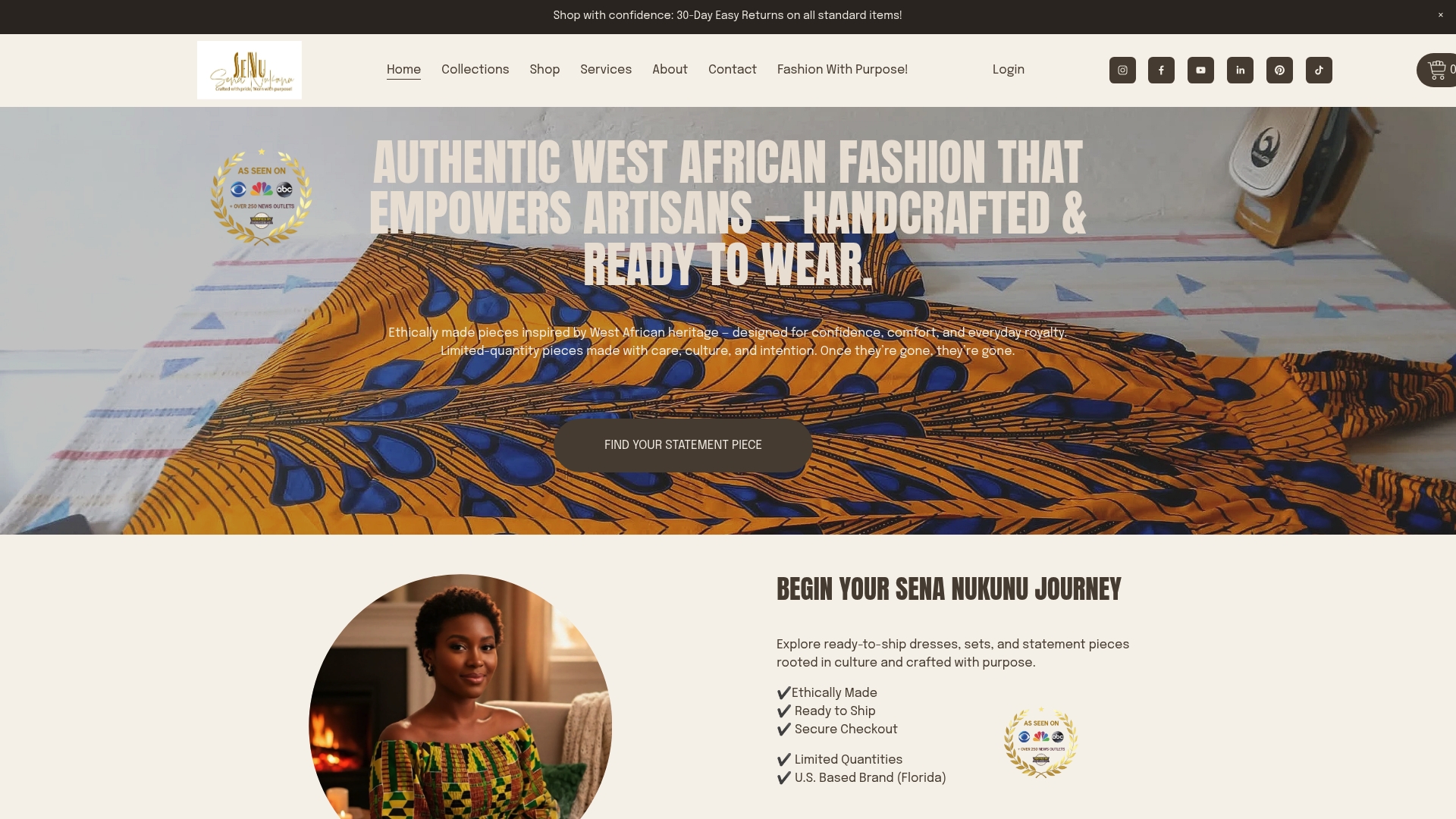
At Sena Nukunu, every garment in our unique dress collection is crafted with cultural pride and artisan care, ready to ship and ready to wear. From the bold energy of the sankofa flame palazzo pants to custom creations through our design services, we offer a curated selection that honors West African heritage at every stitch. Browse our collections, find the pieces that speak to you, and wear your values with confidence.
Frequently asked questions
How can I tell if an Afrocentric fashion item is ethically made?
Look for brands that source directly from artisans, use sustainable materials, and openly share their manufacturing processes. Sustainable fashion empowers artisans and ensures ethical practices are upheld throughout the supply chain.
Are Afrocentric styles suitable for formal events?
Absolutely, many Afrocentric designs like kente gowns and embroidered kaftans are ideal for celebrations and formal occasions. Event outfits including kente and palazzo pants are specifically crafted to make a regal impression.
Where can I find authentic Afrocentric accessories?
Check specialized shops and brands that offer artisan-made accessories highlighting traditional West African motifs. Platforms like Sena Nukunu feature artisan-made accessories that honor cultural symbolism and complete your look with purpose.
What does 'Afrocentric' mean in modern fashion?
It refers to clothing inspired by African heritage, especially West African cultures, with designs and craftsmanship that honor cultural history and symbolism. Afrocentric designs reflect West African symbolism and craftsmanship in ways that are both timeless and contemporary.