TL;DR:
- Authentic apparel authentically represents cultural origins, artisan involvement, and transparent sourcing, ensuring true craftsmanship.
- Choosing genuine pieces supports artisan communities, preserves traditional techniques, and promotes ethical fashion practices rooted in respect and storytelling.
Walk into any shopping mall or scroll through any major retailer today, and you'll encounter the word "authentic" plastered across tags, banners, and social media captions without a single explanation of what it actually means. The fashion industry has quietly turned a word that once held deep cultural weight into a marketing shorthand, and the result is that many shoppers feel genuine confusion about what they're buying and who made it. This guide is here to change that. You'll learn what authentic apparel truly means, how to recognize it, and why choosing it matters deeply, especially when it comes to West African heritage fashion.
Table of Contents
- Defining authentic apparel: More than just a label
- The pillars of authenticity: Culture, ethics, and craftsmanship
- Spotting authentic apparel vs. imitations: What to look for
- Empowering your style: Choosing and caring for authentic pieces
- The uncomfortable truth about authenticity and fashion
- Explore vibrant, authentic styles from Sena Nukunu
- Frequently asked questions
Key Takeaways
| Point | Details |
|---|---|
| Authentic apparel is holistic | Genuine garments express cultural roots, ethical sourcing, and skilled craftsmanship. |
| Learn to spot the real thing | Look beyond labels—seek maker stories, unique variations, and artisan involvement. |
| Empowerment through choice | Choosing authentic apparel supports heritage, empowers artisans, and enriches your style. |
| Care ensures longevity | Proper care and appreciation help authentic pieces last and carry their story further. |
Defining authentic apparel: More than just a label
The word "authentic" gets thrown around so often that it has nearly lost its meaning in fashion circles. Brands of every size use it to signal quality, but very few stop to explain what they mean, and that gap between language and reality costs real artisans their livelihood, their recognition, and their legacy.
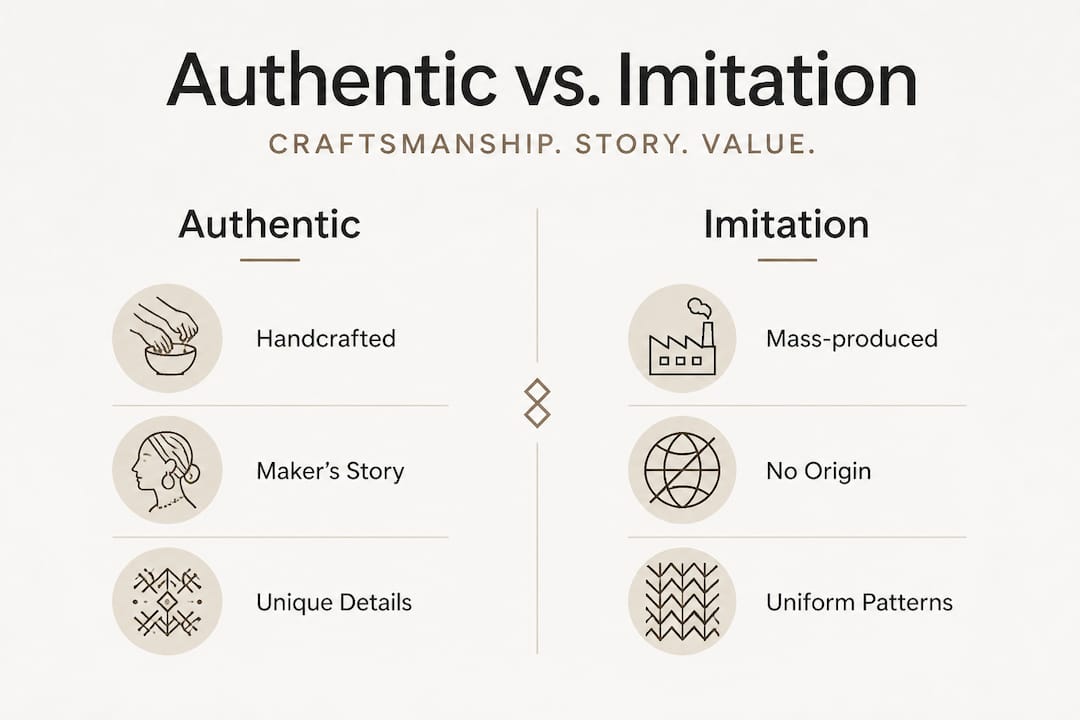
Authentic apparel, at its core, is clothing that honestly represents the cultural origin, crafting method, and human story behind its creation. It is not simply a garment that looks inspired by a certain tradition. It is a piece that what makes apparel genuine through its materials, its makers, and its transparent history. That distinction matters enormously.
Here is what truly separates authentic apparel from everything else:
- Cultural origin: The design, pattern, or motif draws directly from a specific cultural tradition with respect and historical accuracy.
- Artisan involvement: Real human hands with real training in traditional methods shaped the garment, not anonymous factory lines.
- Transparent sourcing: You can trace where the fabric came from, who dyed it, who wove it, and how those people were treated.
- Honest storytelling: The brand openly shares the cultural meaning behind its designs rather than using heritage as a decorative theme.
- Limited and purposeful production: Authentic pieces are rarely mass produced, because true craftsmanship takes time and intention.
"Every stitch, brushstroke, and design carries the spirit of a legacy — and that legacy deserves to be named, honored, and worn with knowledge."
Mass market brands frequently borrow visual elements from rich cultural traditions, particularly African and South Asian ones, without crediting the source or compensating the communities whose heritage they are borrowing. This practice, sometimes called aesthetic appropriation, strips clothing of its deeper meaning and reduces centuries of cultural wisdom to a trend. Recognizing this pattern is the first step toward becoming a more intentional shopper.
The role of cultural storytelling in fashion is precisely to keep that meaning alive. When a brand tells you why a pattern was created, which community developed it, and how wearing it today honors that tradition, you are experiencing genuine cultural storytelling in action.
The pillars of authenticity: Culture, ethics, and craftsmanship
Now that you know it's more than a label, it's essential to understand what pillars support true authenticity. Think of these three pillars as a triangle. Remove one, and the structure of authenticity collapses entirely.
-
True connection to cultural roots. Authentic West African-inspired apparel doesn't just borrow colors or shapes. It draws on patterns that carry specific meanings, such as Kente cloth's geometric symbols representing royalty and unity, or Kanga prints that communicate regional identity and personal expression. When a designer works from within that tradition or with deep, respectful knowledge of it, the result carries something no factory template can replicate. Patterns become visual vocabulary, and the garment becomes a conversation between generations.
-
Ethical sourcing and fair treatment for artisans. Heritage and craftsmanship in fashion depend on fair relationships between creators and the people who wear their work. Ethical authenticity means artisans receive fair wages, work in safe conditions, and have their creative contributions credited and compensated. When you purchase from a brand that prioritizes these values, your money actively supports a more just creative economy. African heritage in apparel is inseparable from the communities who created it, and ethical sourcing ensures those communities continue to thrive.
-
Mastery in crafting techniques honored by time and tradition. Handwoven fabrics, hand-dyed textiles, and hand-stitched embroidery require years of practice and cultural transmission from one generation to the next. These are not skills that can be replicated overnight by a machine. The slight variations you see in handcrafted pieces are not flaws. They are proof of a human presence, and they give each garment a unique identity that mass production simply cannot offer. Ethical West African styles honor this mastery by keeping traditional techniques at the center of the design process.
Pro Tip: Don't just trust the label. Ask about the maker directly. A truly authentic brand will be proud to tell you who crafted your piece, where they trained, and what community their techniques come from. If a brand goes quiet when you ask these questions, that silence speaks volumes.
Spotting authentic apparel vs. imitations: What to look for
Once you know what goes into authenticity, let's see how those traits can be identified in the clothing you buy. The difference between genuine and imitation pieces is often visible, tactile, and traceable, once you know where to look.
Here are the clearest signs of authentic apparel:
- Slight variations in pattern or stitching that signal hand production
- Artisan stories or maker profiles provided by the brand
- Natural fabric textures that feel substantial and breathe well against the skin
- Limited production runs that reflect the time constraints of skilled handiwork
- Cultural context provided alongside the product description
And here are the red flags that signal imitation:
- Perfectly uniform patterns with no variation at all (machine-printed)
- No information about who made the piece or where
- Synthetic fabrics that feel thin or plasticky
- Extremely low prices that cannot possibly reflect ethical labor
- Vague language like "African-inspired" with no specific cultural reference
The guide to spotting authentic West African apparel reinforces that genuine pieces almost always come with some form of provenance, meaning a traceable origin story you can follow from fabric to finished garment. Here is a quick comparison to make the difference clearer:
| Feature | Authentic apparel | Imitation apparel |
|---|---|---|
| Pattern consistency | Slight, natural variation | Perfectly uniform, machine-made |
| Fabric quality | Natural, breathable, substantial | Synthetic, thin, or plasticky |
| Artisan credit | Named makers or community credit | Anonymous or factory-labeled |
| Cultural context | Specific and detailed | Vague or absent |
| Price point | Reflects skilled labor and materials | Suspiciously low |
| Production volume | Limited and intentional | Mass produced |
Many shoppers report genuine frustration when trying to assess cultural fashion statements, because the visual language of West African design has been so widely copied that recognizing the real thing requires more than a glance. This is why researching the brand behind a garment is just as important as evaluating the garment itself.

Empowering your style: Choosing and caring for authentic pieces
Knowing how to spot authenticity is just the first step. Choosing and caring for these unique treasures is equally meaningful for your style and cultural celebration. When you invest in an authentic piece, you are entering into a relationship with a tradition, and like all meaningful relationships, it deserves attention and care.
Here is a practical checklist for making confident, informed purchases:
- Research the brand. Look for transparency about where pieces are made, who makes them, and what cultural traditions inform the designs. A brand that is genuinely committed to authenticity will make this information easy to find.
- Ask about provenance. Before you buy, trace the piece back to its origin as much as possible. Which country or community does the textile tradition come from? What does the pattern symbolize? Knowing this transforms your purchase from a transaction into a cultural connection.
- Check for artisan involvement. Does the brand credit individual artisans or cooperatives? Can you learn anything about the training or regional techniques used?
- Assess the fabric. Handle the piece if possible, or look for detailed fabric descriptions online. Natural fibers like cotton, silk blends, and hand-dyed textiles are strong indicators of genuine craftsmanship. Learning to empower your wardrobe with heritage pieces starts with understanding what you are actually buying.
- Trust your instincts and do your research. If something feels too cheap or the cultural framing feels superficial, it probably is. Use resources that guide you on how to choose authentic fashion to refine your eye over time.
Caring for authentic pieces requires the same intentionality you bring to choosing them. Here is a quick reference for preserving their quality:
| Garment type | Recommended care | What to avoid |
|---|---|---|
| Hand-dyed fabrics | Cold hand wash, mild soap | Machine washing, hot water |
| Woven textiles | Dry clean or gentle hand wash | Wringing or twisting |
| Embroidered pieces | Spot clean, lay flat to dry | Direct sunlight for extended periods |
| Printed cotton sets | Cold machine wash, gentle cycle | Bleach or harsh detergents |
Pro Tip: Document the story behind each piece you acquire. Keep a small note or digital record of the cultural context, the artisan's name if known, the region it comes from, and why you chose it. Over time, your wardrobe becomes a living collection of cultural memory, not just clothing.
Styling authentic apparel for modern life is also more straightforward than many women assume. A vibrant Ankara print dress pairs beautifully with minimalist jewelry to let the fabric speak. A bold matching set can anchor an entire look with confidence. The key is to wear these pieces as the centerpiece they were created to be, not as accessories or afterthoughts.
The uncomfortable truth about authenticity and fashion
Let's step back and consider what choosing authentic apparel really means for women, artisans, and fashion as a whole. Here is something the industry rarely admits openly: the word "authentic" is one of the most abused terms in retail marketing, precisely because it sells.
A striking number of fashion brands use heritage imagery because it feels exotic, compelling, and emotionally resonant to buyers, without having any real relationship with the communities whose traditions they borrow. They have learned that authenticity is emotionally persuasive, so they perform it through packaging and language while cutting costs through mass production. The result is a kind of cultural theater, and shoppers are the audience.
The value of true handmade apparel is not just aesthetic. It is economic and moral. When you pay a fair price for a genuinely crafted piece, that money flows to an artisan who has spent years mastering a skill. It supports communities where craft traditions are a primary source of income and cultural identity. It keeps techniques alive that would otherwise disappear under the pressure of industrial fashion.
We believe that real empowerment in fashion is not about wearing the most expensive or the most visible piece in the room. It is about wearing what you genuinely understand, knowing its origin, honoring its story, and making a deliberate choice to support the people behind it. That requires effort. It requires asking more questions than most shopping experiences encourage. It sometimes requires spending more money on fewer pieces, which is genuinely countercultural in an era of fast fashion and constant newness.
The women we most admire in this space are not necessarily the ones with the largest wardrobes. They are the ones who can tell you the story behind every piece they wear, because they chose with intention.
Explore vibrant, authentic styles from Sena Nukunu
Ready to embrace authentic style and support genuine creators? Here's where to begin your search.
At Sena Nukunu, every piece in our collection is chosen with the same intention we've described throughout this guide. We work with artisans whose skills carry generations of West African heritage, and we are committed to transparency, fair practices, and celebrating the cultural stories behind each design.
Explore our curated selection of ready-to-wear dresses, vibrant matching sets, and statement pieces that are as meaningful as they are beautiful. Each item ships ready to wear and comes with the cultural context you deserve to know. When you invest in a Sena Nukunu piece, you are not just adding to your wardrobe. You are joining a community of women who choose craftsmanship, cultural pride, and empowerment, every single time they get dressed.
Frequently asked questions
How can I tell if a garment is truly authentic?
Look for artisan stories, unique handcrafted details, ethical sourcing practices, and a direct connection to cultural heritage. A genuinely authentic retail brand will provide this information openly, not hide behind vague marketing language.
Does authentic apparel always cost more?
Authentic apparel often reflects the true cost of ethical sourcing and skilled artisan labor, which can mean a higher price point, but handmade fashion tends to outlast fast fashion significantly and supports fair wages for the people who create it.
What makes West African-inspired apparel unique?
West African-inspired apparel features bold cultural patterns with deep historical meanings, vibrant color combinations, and techniques like hand-weaving and hand-dyeing that reflect generations of artistic mastery.
Is it possible to find sustainable and authentic apparel?
Yes, many genuine brands combine sustainability with cultural authenticity by partnering with artisan communities and choosing handcrafted, eco-conscious materials that honor both people and the environment.
Recommended
- Discover true artisan craftsmanship: meaning, methods, style
- Why craftsmanship in fashion matters: heritage + ethics
- Handcrafted apparel: culture, quality & sustainability
- Why handmade fashion matters: ethically crafted West African style
- Traditional Italian Artisans – Why Craftsmanship Matters – San Rocco Italia