
TL;DR:
- African prints carry cultural stories, symbols, and meanings rooted in community traditions.
- Their global popularity is driven by media, exhibitions, and influencer exposure showcasing authentic heritage.
- Consumers seek these textiles for their uniqueness, ethical production, and connection to cultural authenticity.
African prints are far more than decoration. Many people see the bold patterns and striking colors and assume they're purely aesthetic choices, but that reading misses everything that makes these textiles so enduring and powerful. African prints visibly communicate identity, memory, and meaning, carrying stories that span generations, communities, and continents. Their rising popularity in global fashion isn't a coincidence or a passing trend cycle. It's the result of deep cultural roots meeting a world that's hungry for authenticity, meaning, and connection in what we wear.
Table of Contents
- Cultural meaning and symbolism: More than just patterns
- Fashion trends and global influence: Mainstream appeal
- Consumer demand and sustainability: Changing preferences
- Styling African prints: How to make a statement
- A fresh perspective: Why meaning matters more than trend
- Discover vibrant African prints at Sena Nukunu
- Frequently asked questions
Key Takeaways
| Point | Details |
|---|---|
| Cultural meaning matters | African prints carry powerful stories and connections that make them unique in the fashion world. |
| Global trend appeal | These prints are now recognized by mainstream fashion for their vibrant aesthetics and versatility. |
| Sustainable choices | Choosing African prints helps support artisans and promotes ethical, eco-friendly fashion. |
| Statement piece potential | African print garments standout as affordable, memorable ways to express personal style. |
| Intentional styling | Combining prints thoughtfully creates distinctive modern looks for any wardrobe. |
Cultural meaning and symbolism: More than just patterns
When you look at a piece of African print fabric, you're looking at a visual language. Each pattern, color combination, and motif carries intention. These are not random design choices made by a machine or a trend committee. As research confirms, African prints convey identity and meaning, and every pattern carries a deliberate message about who is wearing it, why, and for what occasion.
In many West African communities, the choice of print is tied directly to social roles and personal milestones. A grandmother selecting a fabric for a grandchild's naming ceremony makes a different choice than a young woman dressing for her wedding introduction. The colors signal celebration, mourning, fertility, or power. The motifs, whether geometric, floral, or figurative, often reference proverbs, ancestral stories, or spiritual beliefs. This is cultural fashion storytelling at its most intimate and intentional.
These prints serve different purposes depending on context:
- Ceremonial occasions: Specific prints are selected for funerals, weddings, festivals, and religious gatherings, each carrying appropriate meanings for the event.
- Regional identity: Kente cloth from Ghana, Bogolan (mud cloth) from Mali, and Adire from Nigeria each reflect a distinct community's artistry, values, and history.
- Social and generational roles: Elders often choose prints that communicate authority and wisdom, while youth select patterns that reflect aspiration and vibrancy.
- Everyday expression: Even daily wear carries meaning, reflecting personal values, family affiliation, or cultural pride.
"Every pattern tells a story. When you wear African print, you are not just putting on fabric. You are wearing someone's legacy, carrying a community's history on your body."
This depth of meaning explains why African prints have such remarkable staying power. Unlike trend-driven textiles that come and go with seasonal palettes, these fabrics are rooted in something much older and more resilient than fashion cycles. The reason they continue to captivate is not just that they look beautiful, though they absolutely do. It's that they mean something. They serve as cultural fashion statements that connect the wearer to something larger than themselves, to ancestry, to community, and to a living tradition that continues to evolve with purpose and pride.
Understanding this symbolism transforms how you engage with these prints. When you know that the colors in a piece reference prosperity, or that the pattern references a proverb about community strength, wearing it becomes an act of participation rather than appropriation. It becomes a conversation across time.
Fashion trends and global influence: Mainstream appeal
The cultural depth of African prints laid the foundation, but their global rise was also driven by visibility. International fashion media, landmark exhibitions, and a new generation of African designers brought these textiles from local markets to major runways, and the world took notice. As one widely cited report found, global visibility and media attention from fashion exhibitions and press coverage have been central to driving the worldwide popularity of African fashion.
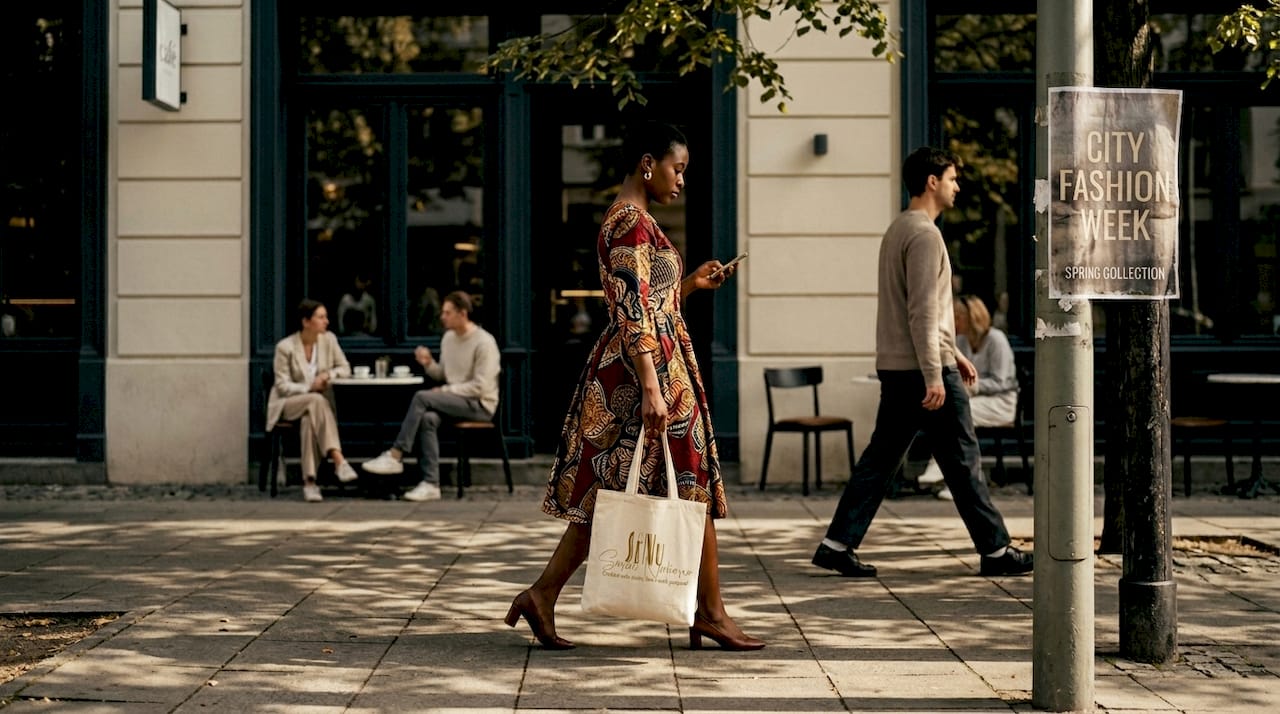
Ankara fabric, one of the most recognized African prints globally, now appears in collections from Lagos to London to Los Angeles. Wax print designs, once considered purely local to West and Central African communities, have been adopted and adapted by international luxury brands, streetwear labels, and independent designers alike. This expansion has opened a global conversation about ownership, authenticity, and the power of authentic cultural fashion.
Here's a look at how African prints function differently across local and global fashion contexts:
| Element | Local tradition | Global fashion |
|---|---|---|
| Purpose | Identity, ceremony, storytelling | Style, trend, statement |
| Selection process | Cultural knowledge, occasion-specific | Aesthetic preference |
| Meaning | Deeply embedded in community values | Often appreciated aesthetically |
| Designers | Artisans, community makers | International and African designers |
| Reach | Community and regional | Runways, retail, social media |
Several forces have accelerated this global spread:
- Celebrity and influencer adoption: Global artists and cultural figures wearing African prints on red carpets and in music videos bring massive visibility.
- African diaspora communities: Communities across the United States, Europe, and beyond have carried these traditions into new geographies, creating demand and awareness.
- International exhibitions: Museum shows and cultural events have elevated African textile traditions as art, not just craft, shifting how the world sees them.
- Social media: Platforms like Instagram and Pinterest have made African prints a visual staple, connecting designers directly with consumers across the world.
The result of this global moment is meaningful for those of us who love these prints. More people are discovering fashion empowerment through African-inspired styles, and more designers are bringing their cultural heritage to audiences who are genuinely seeking that connection. If you're exploring how to build your own wardrobe around these pieces, a thoughtful African outfit guide can help you move from admiration to intentional personal style.
The global influence of African prints is not a sign that they've been diluted. It's a sign that the world is finally paying attention to a tradition that has always deserved it.
Consumer demand and sustainability: Changing preferences
Something significant is shifting in how people shop for fashion. Consumers, especially younger buyers, are moving away from disposable, fast-fashion items and toward clothing that has story, longevity, and ethical grounding. African prints sit perfectly at the intersection of these values. Research confirms that youth style cycles and social media visibility are sustaining demand for African prints while keeping them affordable and accessible.
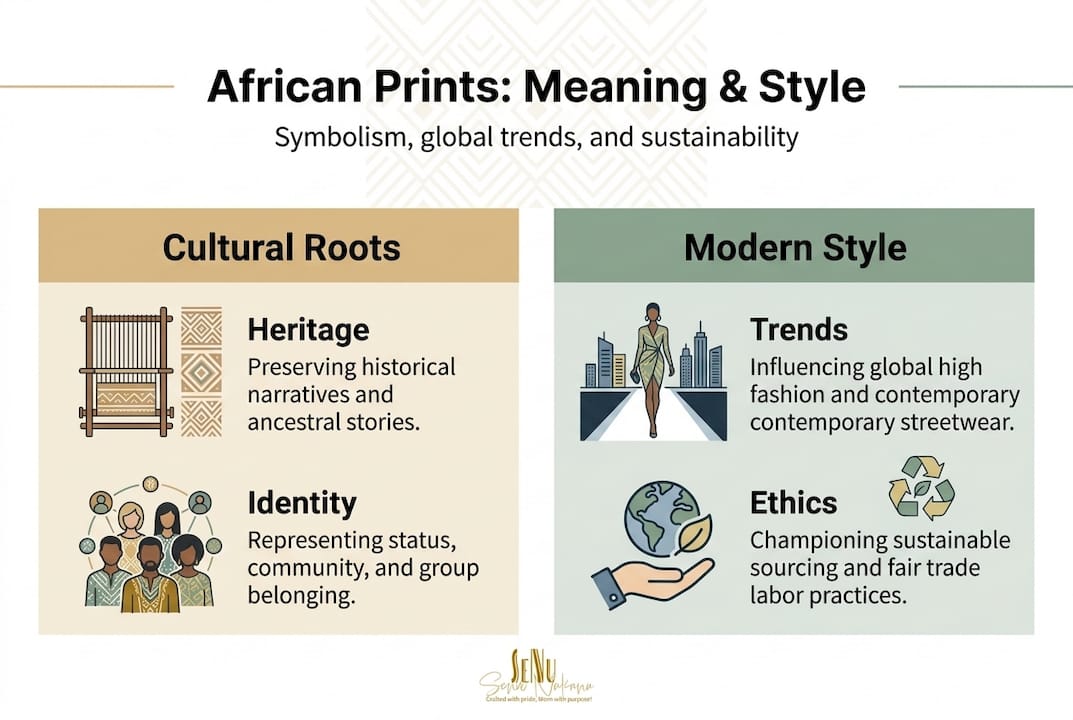
Here's a snapshot of what's driving modern consumer interest in African prints:
| Consumer motivation | How African prints deliver |
|---|---|
| Uniqueness | Limited runs and artisan-made designs resist mass replication |
| Cultural curiosity | Rich symbolism invites learning and connection |
| Sustainability | Artisan production supports ethical labor practices |
| Affordability | Range of price points across markets |
| Social identity | Prints make a visible statement about values and taste |
The steps that lead a conscious consumer toward African print fashion often look like this:
- Awareness: Social media exposure or cultural experience sparks curiosity about African prints.
- Research: The buyer learns about the cultural meaning, artisan origins, and ethical production behind specific pieces.
- Values alignment: The buyer connects the print's heritage to their personal values around sustainability, community, and authenticity.
- Purchase decision: Knowing that their purchase supports artisans and honors a living tradition, the buyer feels confident and proud in their choice.
- Community sharing: They wear the piece, share it, and introduce others to the tradition, completing a cycle of awareness and appreciation.
This process is not just shopping. It's participation in a larger cultural movement that honors craft and community. Many African prints are created using techniques passed down through generations, and buying them supports artisans whose skills are irreplaceable. This is exactly why sustainable fashion trends rooted in West African artistry continue to grow in appeal, and why conscious consumers feel good about choosing these pieces.
Understanding ready-to-wear ethics can help you ask the right questions when you shop, ensuring the pieces you choose genuinely support the communities and traditions they represent.
Pro Tip: When shopping for ethically made African prints, look for brands that disclose their production process, name their artisan partners, use limited production runs, and are transparent about where and how the fabric is sourced. These signals separate meaningful fashion from trend-chasing imitation.
Styling African prints: How to make a statement
Wearing African prints well is about more than putting on a striking garment. It's about choosing intentionally, pairing thoughtfully, and letting the fabric speak. Research shows that prints are affordable, recognizable, and ideal for statement pieces, which is exactly why they work so beautifully as the centerpiece of an outfit.
Here's how to embrace African prints in ways that feel both authentic and personal:
- Start with one statement piece. A bold Ankara dress, a richly patterned jacket, or a matching set allows the print to lead. Build everything else around it simply, so the fabric gets the attention it deserves.
- Balance bold prints with neutral basics. Pair a vibrant print top with solid-colored trousers, or let an African print skirt anchor a white blouse. This balance is visually strong without overwhelming the eye.
- Layer prints with intention. More advanced styling can mix complementary prints, particularly when they share color families or motif styles. This takes confidence, but the result is stunning when done thoughtfully.
- Let the occasion guide the print. Rich, formal patterns in deep jewel tones suit celebrations and evening events. Lighter, geometric prints in bright colors work beautifully for daytime wear and casual outings.
- Incorporate prints into your existing wardrobe. You don't need to reinvent your whole closet. Adding even one or two African-inspired pieces creates instant visual interest and cultural resonance.
- Explore unexpected silhouettes. African prints look extraordinary in flowing palazzo pants, structured blazers, wrap dresses, and asymmetric cuts. The fabric elevates every silhouette it touches.
Pro Tip: Accessories make or break an African print look. Keep jewelry minimal and let the fabric shine. Gold tones complement most warm-print palettes beautifully. If you want to experiment with a relaxed, editorial feel, try pairing a print top with something unexpected like wide-leg palazzo pants for a look that's both grounded and dynamic.
The goal is never to wear African prints as a costume or a trend moment. The goal is to wear them as what they are: living artifacts of a culture that has dressed with meaning, artistry, and pride for centuries. When you bring that respect to your styling choices, the result is always remarkable.
A fresh perspective: Why meaning matters more than trend
Here's something we believe deeply, and it goes against the grain of how most fashion content talks about African prints: trend alone is not a good reason to wear them. The mainstream fashion conversation often reduces these textiles to aesthetics, celebrating the colors and patterns while skipping over the weight of what they carry. That's a loss for everyone, including the people wearing them.
The most powerful thing about African prints is not that they're popular right now. It's that they have always been meaningful. As scholarship confirms, prints connect wearers to stories, social roles, and ceremony contexts, and that connection is what makes them genuinely timeless.
Our advice: seek understanding before you seek style. Learn about the print you're drawn to. Understand what community it comes from. Choose pieces that were made with care, by people who respect that heritage. This approach transforms fashion from consumption into connection, and that's exactly what fashion storytelling in the African tradition has always been about. Wear with knowledge, and you wear with power.
Discover vibrant African prints at Sena Nukunu
If this journey through cultural meaning, global influence, and intentional styling has sparked something in you, we invite you to take the next step.
At Sena Nukunu, we bring West African heritage to life through carefully curated, ethically crafted pieces that carry both beauty and meaning. Every garment in our collection is designed to empower you, honor the artisans behind the work, and make a statement that goes far beyond trend. Explore vibrant styles that are ready to wear and ready to tell your story. Browse our full range of collections to find your statement piece, or discover how our design services can help you build a wardrobe rooted in purpose, culture, and confidence.
Frequently asked questions
What makes African prints different from other textiles?
African prints are unique for their culturally rooted patterns, symbolism, and connection to identity and ceremonies, unlike mass-produced fabrics. Research confirms that African prints communicate identity, cultural memory, and meaning in ways that purely decorative textiles simply cannot.
How have African prints influenced global fashion?
African prints have become mainstream thanks to international fashion media, exhibitions, and influencers showcasing their vibrant styles across runways and social platforms. As coverage documents, media and exhibitions drive popularity by bringing African textile traditions to audiences who might otherwise never encounter them.
Why are African prints considered sustainable fashion?
Many African prints are created using artisanal techniques passed down through generations, supporting local craftspeople and aligning with ethical consumer values. Their artisan-centered production makes them a natural fit for shoppers who want their clothing to do good while looking beautiful.
How should I style African prints for a modern look?
Pair African prints with simple accessories and contemporary cuts for a bold, unique statement that works in both casual and formal settings. Start with one strong statement piece, build around it with neutral tones, and let the fabric lead the visual conversation.