
TL;DR:
- Honoring Black culture in fashion involves wearing, supporting, and understanding garments rooted in African heritage with respect.
- It emphasizes cultural storytelling, supporting Black-owned brands, and learning the symbols behind patterns and textiles.
Honoring Black culture in fashion is defined as the intentional practice of wearing, purchasing, and learning about garments rooted in African and African American heritage with respect and purpose. The ways to honor Black culture in fashion go far beyond wearing a print or a color. They include supporting Black-owned brands, understanding the symbolism behind patterns like Adinkra, and viewing each outfit as a form of cultural storytelling. Fashion inspired by Black culture carries centuries of resilience, creativity, and identity. When you approach it with knowledge and care, every choice becomes a meaningful act of celebration rather than a surface-level trend.
1. Incorporate African-inspired prints with intentional styling
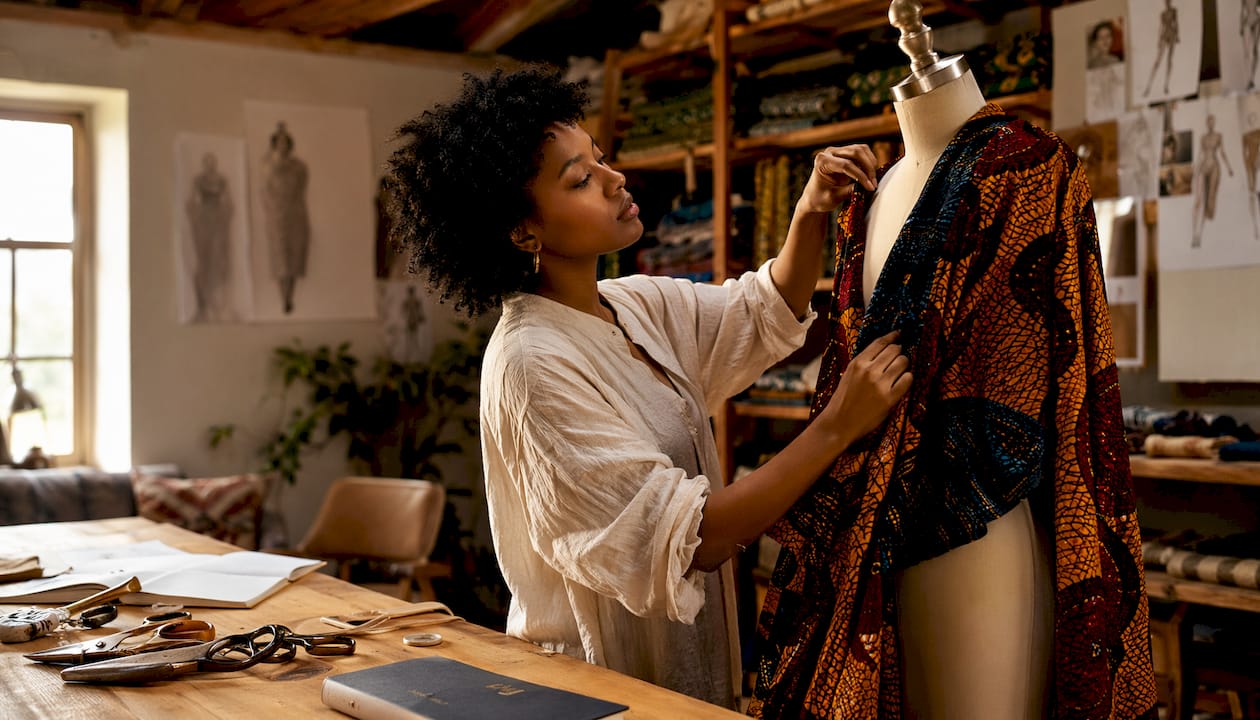
Color and pattern function as a visual language in fashion, where earth tones symbolize grounding and geometric patterns represent unity and progress. That means your outfit communicates something before you say a word. Choosing these elements with awareness turns getting dressed into an act of cultural pride.
Earth tones like deep brown, indigo, and terracotta appear across West African textile traditions for specific reasons. They connect the wearer to the land, to ancestry, and to community. Wearing them thoughtfully honors that connection rather than reducing it to a color trend.
A practical styling formula that works well:
- Choose one hero printed piece as the focal point of your look, such as a bold Ankara wrap dress or a kente-trimmed jacket.
- Balance it with neutral separates in cream, black, or tan to let the print speak without visual noise.
- Add minimal accessories that complement rather than compete, such as wooden jewelry or leather sandals.
- Wear these looks year-round, not only during Black History Month. Cultural pride has no seasonal calendar.
Pro Tip: When selecting a print, research its regional origin. A Kente pattern from Ghana carries different meaning than a Bogolan print from Mali. Knowing the difference shows genuine respect for the culture you are celebrating.
The styling formula of one hero piece balanced with neutrals is widely recommended for creating authentic, wearable looks that feel polished in both professional and community settings. This approach also makes African-inspired fashion accessible for everyday wear, not just special occasions. You can explore how African diaspora style trends translate heritage prints into modern wardrobes for practical inspiration.
2. Support Black-owned fashion brands to build community and legacy
Purchasing from Black-owned brands is one of the most direct ways to honor Black culture in fashion. Supporting these brands promotes economic empowerment and cultural preservation at the same time. Your dollars fund the artisans, the designers, and the communities that keep these traditions alive.
Events like ESSENCE LUXE have demonstrated high engagement and sell-outs for Black designers, showing that demand for culturally rooted fashion is strong and growing. Platforms like these create spaces where narrative-driven commerce replaces extractive consumption. When you shop with intention, you participate in that ecosystem.
Key ways to support Black-owned fashion brands:
- Research before you buy. Look for brands that share their story, their sourcing, and their community ties openly.
- Prioritize reciprocity. Brands that reinvest in Black communities honor culture authentically rather than just selling an aesthetic.
- Follow curated marketplaces that vet and platform Black designers, giving you confidence in your choices.
- Share what you buy. Word of mouth within your community amplifies the impact of your purchase.
Pro Tip: Before buying from a brand that claims cultural inspiration, check whether its founders, designers, or artisans are from the communities whose heritage the brand represents. Authentic brands are transparent about this.
Learning how to support artisan fashion and West African heritage gives you a clear framework for making purchases that matter. The goal is not just to look good. It is to do good through what you wear.
3. Learn the history and symbolism behind Black fashion
Black culture in fashion is prescriptive and activist, functioning as a survival tool and storytelling device that reclaims narratives and challenges Eurocentric norms. That framing changes how you see a garment. A printed dress is not just clothing. It is a statement with roots.
Exhibitions like "Sunday Best" at the Art Gallery of Ontario offer nearly 150 years of Black fashion history, presenting clothing as a living archive of resistance and identity. Visiting or studying these showcases deepens your understanding in ways that no shopping trip can replicate. History gives context, and context gives meaning.
"Adinkra symbols are language-based motifs representing values like strength, wisdom, and unity. Using them without understanding their lineage can be performative rather than reverent. Respectful wear begins with knowledge." — Black Fashion Week USA
The table below outlines key cultural symbols and their meanings to help you wear them with awareness:
| Symbol or Pattern | Origin | Core Meaning |
|---|---|---|
| Adinkra symbols | Akan people, Ghana | Values such as strength, wisdom, and endurance |
| Kente cloth | Ashanti Kingdom, Ghana | Royalty, wealth, and cultural identity |
| Bogolan (mud cloth) | Mali | Protection, rites of passage, and community bonds |
| Ankara prints | Pan-African, West Africa | Celebration, identity, and everyday pride |
Understanding these distinctions transforms how you shop, style, and speak about what you wear. You can read more about why African prints are popular and what their cultural significance means for modern fashion choices.
4. View your fashion choices as an offering to future generations
Black Fashion Week USA curators advise choosing fashion that communicates cultural legacy and ancestor respect, treating each garment as an offering to the future rather than a response to a trend. That shift in perspective changes everything about how you build a wardrobe. You stop chasing what is new and start investing in what is lasting.
This means selecting pieces with craft and intention behind them. A hand-woven fabric, a limited-edition print, or a garment made by an artisan carries weight that fast fashion cannot replicate. Every stitch in that piece carries the spirit of a legacy.
Practical ways to build a legacy wardrobe:
- Choose quality over quantity. One well-made culturally inspired piece outlasts ten disposable trend items.
- Document your pieces. Know where each garment came from, who made it, and what it represents.
- Pass pieces down. Clothing that carries cultural meaning becomes a family heirloom, not a discarded item.
- Resist fast fashion versions of cultural prints. Mass-produced imitations strip meaning from the original.
Fashion as legacy-building also means engaging with fashion storytelling examples that show how garments carry cultural narratives across generations. When you wear a piece with that awareness, you become part of the story.
5. Celebrate Black fashion through community events and cultural platforms
Fashion shows and events like Juneteenth celebrations provide platforms for showcasing Black cultural creativity and community strength. These events are not just entertainment. They are living demonstrations of what celebrating Black fashion looks like in practice.
Attending or supporting these events connects you to a broader community of people who share your values. You see how designers interpret heritage in real time, and you gain inspiration that no online catalog can fully provide. Community events also reinforce that fashion is a collective act, not just a personal one.
Ways to engage with Black fashion events and platforms:
- Attend local Juneteenth fashion shows, cultural markets, and community showcases.
- Follow Black fashion weeks and designer showcases that highlight emerging talent.
- Support Black fashion media, publications, and content creators who document and celebrate the culture.
- Engage with museum exhibitions and gallery shows that frame Black fashion as art and history.
Contemporary Black designers blend traditional African patterns with modern silhouettes, balancing heritage with individual creativity. Seeing that work in person, at events and shows, gives you a richer understanding of how the culture evolves without losing its roots.
Key Takeaways
Honoring Black culture in fashion requires intentional choices that combine cultural knowledge, community support, and a commitment to legacy over trends.
| Point | Details |
|---|---|
| Learn before you wear | Research the origin and meaning of prints, symbols, and patterns before incorporating them. |
| Support with purpose | Buy from Black-owned brands that reinvest in their source communities, not just those that sell cultural aesthetics. |
| Wear culture year-round | African-inspired fashion honors heritage every day, not only during Black History Month or special occasions. |
| Build a legacy wardrobe | Choose quality, artisan-made pieces that carry cultural meaning and can be passed down. |
| Engage with community | Attend cultural events, follow Black fashion platforms, and participate in the broader conversation. |
Fashion as a living act of respect
I have spent years watching fashion trends come and go, and the ones that last are always the ones rooted in something real. What strikes me most about honoring Black culture through fashion is that it asks you to slow down. The culture has never been about chasing what is new. It has always been about carrying what matters forward.
What most style guides miss is that this practice is not a checklist. You do not buy one Ankara dress and consider yourself done. It is an ongoing education. Every time I learn something new about a symbol, a textile tradition, or a designer's story, my relationship with what I wear deepens. That depth is what separates cultural celebration from cultural consumption.
The uncomfortable truth is that fashion can extract as easily as it can honor. The difference lies entirely in the intention and the knowledge you bring to it. When you understand that African American fashion is distinct in its cultural identity and its history of resistance, you stop seeing it as a trend to borrow and start seeing it as a legacy to respect.
Fashion is one of the most powerful forms of storytelling we have. Wear it like you mean it.
— Sena
Culturally rooted fashion worth wearing every day
Senanukunu was built on the belief that fashion can carry culture with pride and purpose. Every piece in the collection draws from West African heritage, crafted with care by artisans who understand that clothing is more than fabric.
Whether you are looking for a statement dress for a cultural event or a wearable everyday piece that reflects your values, Senanukunu offers a curated selection of ready-to-wear styles that balance tradition with modern design. Each limited-quantity piece is made ethically, with the community in mind. When you wear Senanukunu, you wear something that means something. Visit Senanukunu to find your next culturally inspired piece.
FAQ
What does it mean to honor Black culture in fashion?
Honoring Black culture in fashion means wearing, purchasing, and learning about garments rooted in African and African American heritage with intentionality and respect. It involves understanding cultural symbols, supporting Black-owned brands, and treating fashion as a form of storytelling rather than a trend.
Are African-inspired prints appropriate for everyday wear?
African-inspired prints are absolutely appropriate for everyday wear, not just special occasions or Black History Month. Wearing them regularly, with knowledge of their cultural meaning, is a more genuine form of celebration than reserving them for one month a year.
What are Adinkra symbols and why do they matter in fashion?
Adinkra symbols are language-based motifs from the Akan people of Ghana, each representing a specific value such as strength, wisdom, or unity. Using them in fashion without understanding their meaning can be performative, so learning their origins before wearing them is a sign of genuine respect.
How do I identify a Black-owned brand that practices authentic cultural representation?
Look for brands that are transparent about their founders, designers, and sourcing, and that actively reinvest in Black communities. Authentic brands share their cultural story openly and prioritize reciprocity over aesthetics alone.
How is fashion connected to Black history and resistance?
Black fashion has functioned as a survival tool and activist statement for centuries, reclaiming identity and challenging Eurocentric norms through clothing. Exhibitions like "Sunday Best" at the Art Gallery of Ontario document nearly 150 years of this history, showing how garments serve as a living archive of resilience and cultural pride.