TL;DR:
- A cultural wardrobe is a carefully curated collection of ethically sourced garments that reflects personal heritage and values. Building one involves choosing meaningful, versatile pieces in cohesive colors and durable fabrics while maintaining ethical sourcing and respectful styling. This intentional approach creates a wardrobe that tells a meaningful story and honors cultural traditions with confidence.
A cultural wardrobe is defined as a curated collection of garments that reflects your heritage, values, and personal identity through authentic, ethically sourced fashion. Knowing how to build a cultural wardrobe means going beyond buying clothes. It means choosing pieces that carry meaning, honor artisans, and work together across seasons and occasions. In 2026, this practice sits at the intersection of personal style, ethical consumption, and cultural pride. Whether you are rooted in West African tradition, South Asian textiles, or any other living heritage, the principles of thoughtful curation, smart budgeting, and respectful styling apply universally. Every piece you choose becomes part of a larger story you tell the world.
How to build a cultural wardrobe: choosing key pieces, fabrics, and colors
A cultural wardrobe starts with versatile foundational garments that can be worn across multiple settings. Think of pieces like printed wrap dresses, structured jackets in heritage fabrics, matching sets, and statement tops that pair with both traditional and contemporary bottoms. These items form the backbone of your collection and should be chosen for longevity, not just occasion.
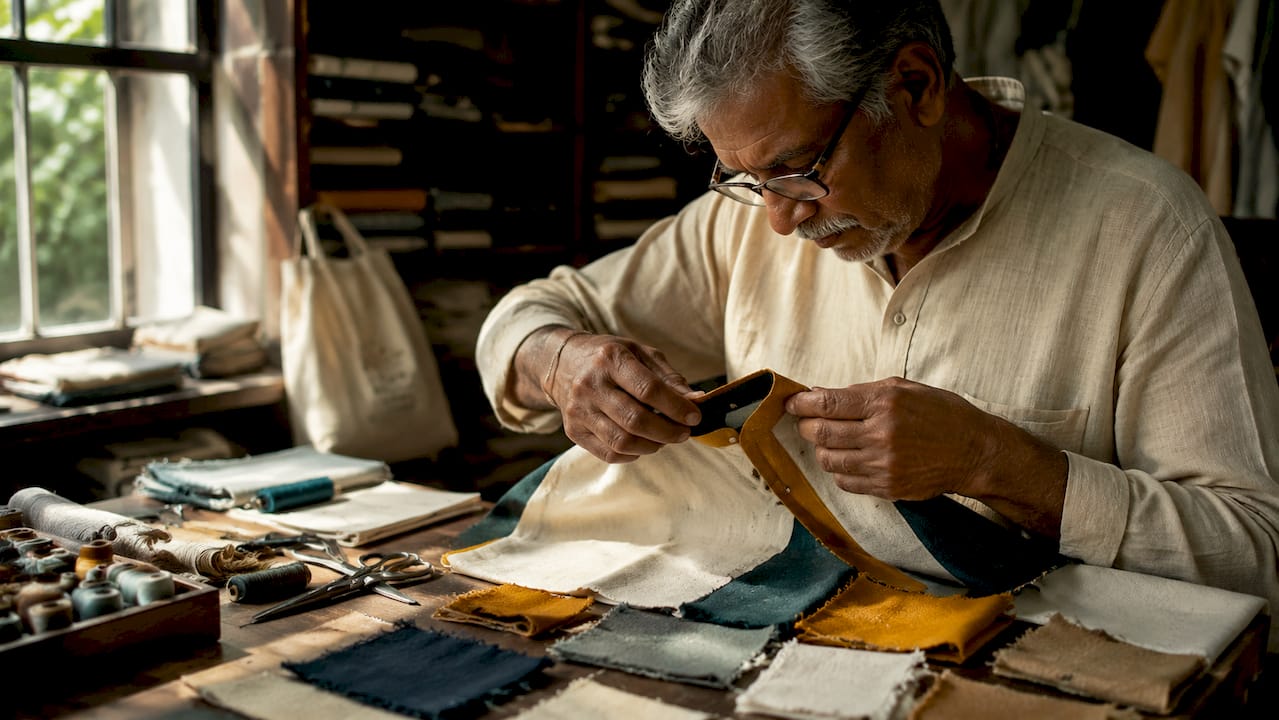
Fabric choice is one of the most consequential decisions you will make. Cotton-silk blends and linen-silk create longer-lasting wardrobes than delicate silks or organzas reserved only for events. These breathable blends hold their shape, travel well, and feel comfortable in warm climates, making them ideal for everyday cultural wear. Tussar silk is another strong choice for its natural texture and durability.
Color is your most powerful tool for cohesion. A 60/30/10 color formula works reliably: 60% neutral bases like ivory, sand, and warm brown; 30% primary cultural tones such as kente gold, indigo, or terracotta; and 10% accent colors reserved for jewelry, embroidery, and accessories. This formula reduces decision fatigue and keeps your wardrobe feeling intentional rather than chaotic.
| Fabric | Best Use | Example Garment |
|---|---|---|
| Cotton-silk blend | Everyday wear, warm climates | Printed wrap dress, matching set |
| Linen-silk | Transitional seasons | Structured jacket, wide-leg pants |
| Tussar silk | Smart casual, cultural events | Statement blouse, draped top |
| Kente-woven cotton | Statement occasions | Accent jacket, ceremonial set |
| Ankara cotton | Year-round versatility | Midi skirt, fitted dress |
How to budget and plan for a diverse cultural wardrobe
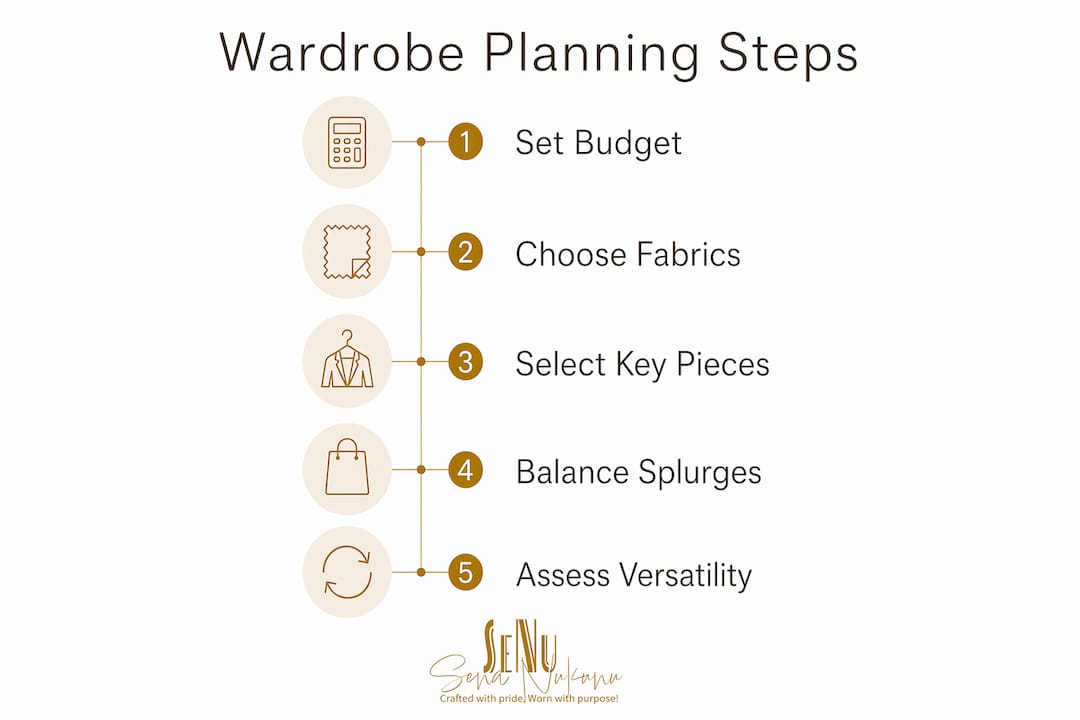
Smart budgeting separates a wardrobe that grows with you from one that stalls after two purchases. The 50/30/20 budget rule is the most effective allocation for cultural wardrobes: 50% on basics like everyday dresses and separates, 30% on mid-tier versatile pieces that transition between casual and formal, and 20% on strategic splurges like handcrafted jewelry and quality footwear. This structure keeps your spending grounded while leaving room for the pieces that truly elevate a look.
Balancing affordable basics with intentional splurges is a skill. You do not need to spend heavily on every item. A well-made Ankara cotton dress at a moderate price point becomes a statement piece when paired with a handcrafted gold cuff or beaded earrings. The accessories carry the cultural weight; the garment provides the canvas.
Modern shopping tools make this easier than ever. Resale platforms like ThredUp and Poshmark carry authentic cultural garments at reduced prices. Some platforms now offer augmented reality fit previews, which reduce costly returns and help you commit to pieces with confidence.
Here are the key budget planning tips to follow:
- Set a per-piece ceiling before you shop. Decide in advance what you will spend on basics versus statement pieces.
- Avoid impulse buys at cultural festivals or pop-up markets. Beautiful pieces are everywhere, but only buy what fits your color formula and existing wardrobe.
- Track cost-per-wear. A $120 dress worn 40 times costs $3 per wear. A $30 dress worn twice costs $15 per wear.
- Invest in tailoring. Minor alterations costing $4–$10 can transform an off-the-rack piece into something that looks bespoke.
- Build slowly and deliberately. Aim for 8–12 core pieces in year one rather than 30 items you rotate rarely.
Pro Tip: Before purchasing a new cultural piece, hold it against your three most-worn neutrals at home. If it works with at least two of them, it earns a place in your wardrobe.
How to source ethical and authentic cultural fashion pieces
Ethical sourcing is the foundation of a cultural wardrobe that you can wear with genuine pride. Verifying supply chains for fair artisan compensation, environmental sustainability, and genuine cultural respect protects communities and enhances garment authenticity. A beautiful piece loses its meaning when the person who made it was not fairly paid.
Over 60% of young designers cite cultural heritage as their primary inspiration. That statistic means the market is full of heritage-inspired fashion, but not all of it is produced with the communities it draws from in mind. Asking the right questions before you buy is a non-negotiable part of building a cultural wardrobe.
Understanding artisanal craftsmanship and its role in ethical production helps you distinguish genuine cultural fashion from mass-produced imitations. Look for brands that name their artisans, share production stories, and operate in limited quantities. These signals indicate real accountability.
Use this checklist when vetting a cultural fashion source:
- Ask for origin documentation. Where was the fabric woven? Who made the garment? Reputable brands answer these questions directly.
- Look for limited production runs. Mass production and cultural authenticity rarely coexist. Small-batch or made-to-order pieces signal genuine craft.
- Support designers from the culture. Purchasing from West African designers, South Asian artisan collectives, or Indigenous-owned labels keeps economic value within the community.
- Avoid costume-like styling cues. If a brand markets a cultural garment as a "costume" or "themed" item, walk away.
- Read the brand's sourcing story. Brands committed to ethical fashion practices publish transparent sourcing narratives, not vague sustainability claims.
How to style cultural pieces respectfully and fashionably
The One-Hero styling rule is the single most effective principle for wearing cultural fashion without creating a costume effect. Choose one dominant cultural element, such as a kente-print jacket, an Ankara midi skirt, or an embroidered blouse, and anchor the rest of the outfit in neutral basics. This approach lets the cultural piece speak clearly while keeping the overall look polished and wearable.
Combining structured and flowing pieces harmonizes traditional and modern aesthetics. A fitted indigo-dyed top paired with wide-leg ivory trousers creates visual balance. A flowing printed dress worn with a structured belt and minimal jewelry reads as both contemporary and culturally grounded.
Cultural protocols matter deeply when choosing cultural attire outside your own community. Consulting community insiders and respecting modesty guidelines and dress codes for ceremonies prevents cultural disrespect. Listening with humility is not optional. It is the mark of a thoughtful wearer.
Here are practical styling combinations that work across settings:
- Office wear: Ankara print blouse + tailored ivory trousers + leather loafers
- Weekend casual: Printed wrap skirt + white fitted tee + woven sandals
- Evening out: Kente-accent statement dress + gold cuff + block-heel mules
- Cultural ceremony: Full heritage set in appropriate fabric + traditional jewelry + modest coverage where required
Pro Tip: Take any mid-tier cultural garment to a local tailor for bust dart adjustments and sleeve tapering. Simple alterations costing under $10 can make a $40 dress look like it was made for you specifically.
Key takeaways
A cultural wardrobe built on authentic sourcing, intentional color planning, and the One-Hero styling rule creates a collection that honors heritage and works in real life.
| Point | Details |
|---|---|
| Start with versatile foundations | Choose breathable fabrics like cotton-silk blends that work across multiple occasions. |
| Use the 60/30/10 color formula | Allocate 60% neutrals, 30% cultural tones, and 10% accents to keep outfits cohesive. |
| Budget with the 50/30/20 rule | Spend 50% on basics, 30% on mid-tier pieces, and 20% on statement accessories. |
| Vet every source for ethics | Confirm artisan compensation, origin documentation, and limited production before buying. |
| Style with the One-Hero rule | Let one cultural piece lead each outfit and build the rest around neutral basics. |
What building a cultural wardrobe has taught me
I have learned that a cultural wardrobe is not assembled. It is composed, the way a musician builds a set list, with intention, sequence, and emotional resonance in every choice.
The biggest mistake I see is treating cultural fashion as a category to fill rather than a story to tell. People buy five Ankara pieces in one month and wonder why nothing feels cohesive. The pieces are beautiful individually, but they have no relationship to each other. A wardrobe needs a thesis. Mine is West African heritage expressed through everyday wearability. Every piece I add either strengthens that thesis or it does not belong.
The second lesson is harder: building a considered wardrobe requires you to sit with discomfort. You will find a piece you love that does not fit your color formula. You will see a garment that is beautiful but made without transparency. Saying no to those pieces is what separates a curated collection from a cluttered closet.
Dressing in cultural fashion is a form of non-verbal communication. What you wear signals what you value, who you honor, and how seriously you take the legacy behind the cloth. That is not a burden. It is a privilege.
— Sena
Discover authentic cultural fashion at Senanukunu
If you are ready to move from planning to wearing, Senanukunu makes that step feel natural and meaningful. Every piece in the Senanukunu collection is rooted in West African heritage, crafted in limited quantities, and designed to work as a real wardrobe staple, not just a statement for one occasion.
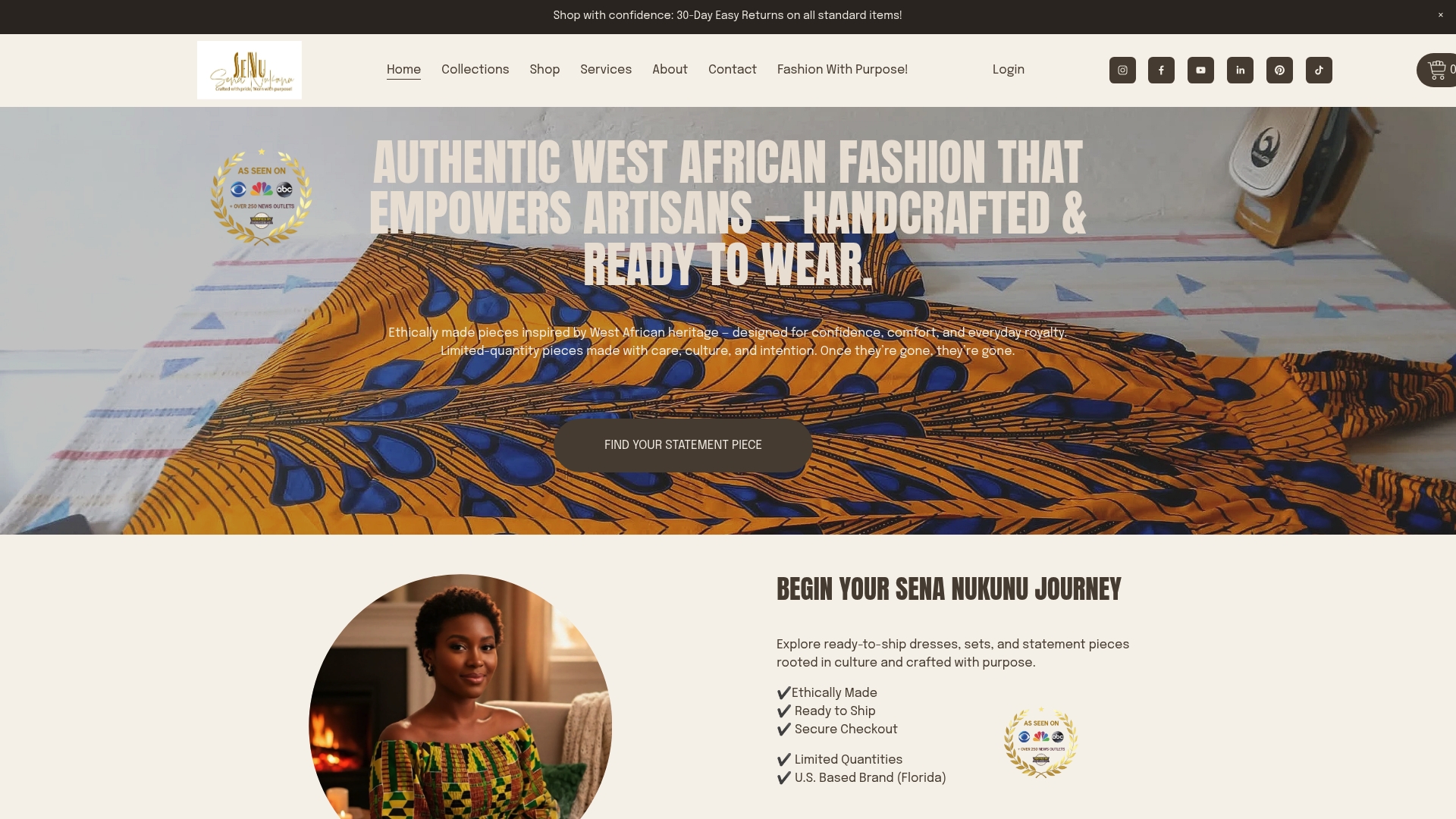
Senanukunu's ready-to-wear dresses, matching sets, and statement jackets are made with care for both the wearer and the artisan. The brand's commitment to ethical production means you can wear each piece knowing the story behind it is one worth telling. Explore the full Senanukunu collection to find your next cultural wardrobe anchor piece, or visit the design services page for personalized styling support rooted in West African tradition.
FAQ
What is a cultural wardrobe?
A cultural wardrobe is a curated collection of garments that reflects a person's heritage, values, and identity through authentic, ethically sourced fashion. It prioritizes meaning, craftsmanship, and versatility over trend-driven purchasing.
How many pieces do i need to start a cultural wardrobe?
Start with 8–12 core pieces in your first year, focusing on versatile basics and one or two statement items. A smaller, intentional collection outperforms a large, unfocused one every time.
How do i mix cultural styles without looking like a costume?
The One-Hero rule is the most reliable method: choose one dominant cultural piece per outfit and pair it with neutral basics. This creates a sophisticated, wearable look rather than a themed ensemble.
How do i know if a cultural fashion brand is ethical?
Ask for origin documentation, look for limited production runs, and check whether the brand names its artisans and shares its sourcing story. Brands committed to sustainable materials and fair compensation publish transparent answers to these questions.
What fabrics work best for everyday cultural wear?
Cotton-silk blends, linen-silk, and tussar silk are the strongest choices for everyday cultural wear. These fabrics are breathable, durable, and hold their shape far better than delicate silks or organzas designed only for special occasions.