TL;DR:
- African American fashion is a deliberate language of cultural survival, resistance, and identity rooted in history. It has shaped global style through innovations like the afro, Dashiki, and streetwear, often without proper credit. Its influence continues worldwide, reflecting resilience and artistic legacy across generations.
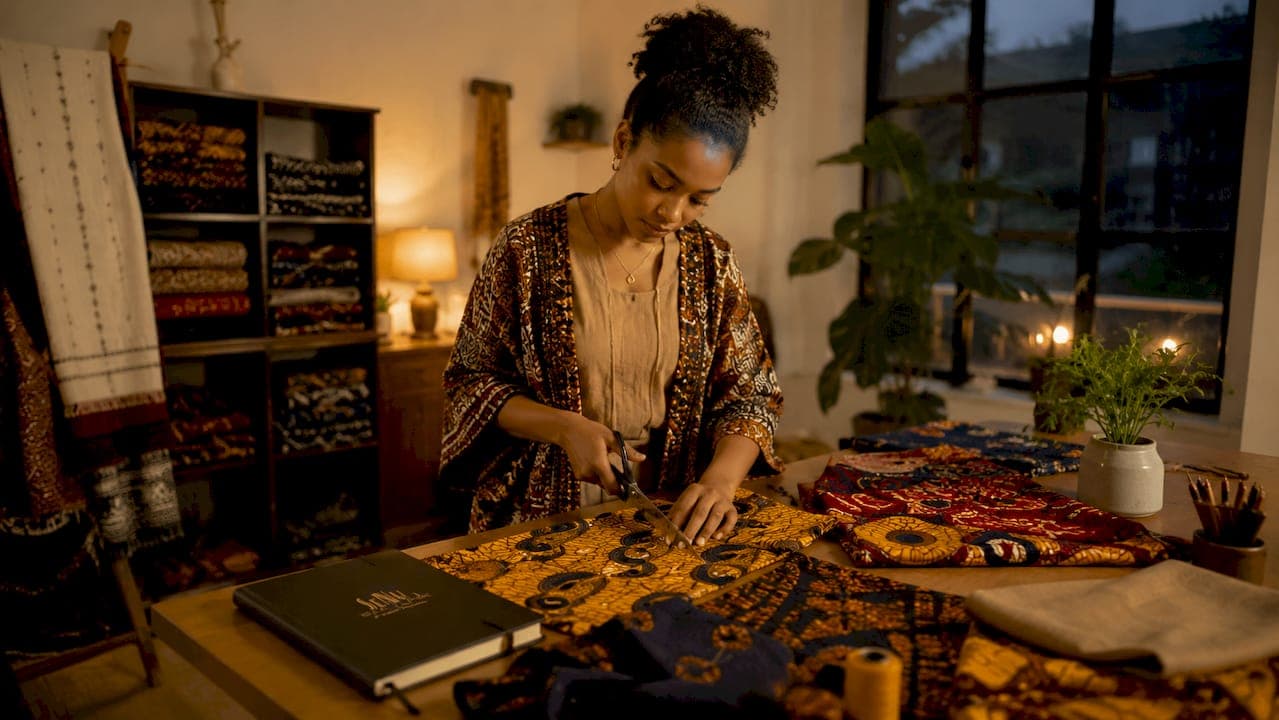
African American fashion is defined as a living language of cultural survival, political resistance, and identity built across centuries of adversity and creativity. Understanding why African American fashion is distinct requires looking beyond clothing to the history encoded in every silhouette, fabric, and hairstyle. From the preservation of African textile traditions during enslavement to the global fashion moment of the 1973 Battle of Versailles, Black fashion has consistently set the terms of style worldwide. It is not trend-driven. It is legacy-driven.
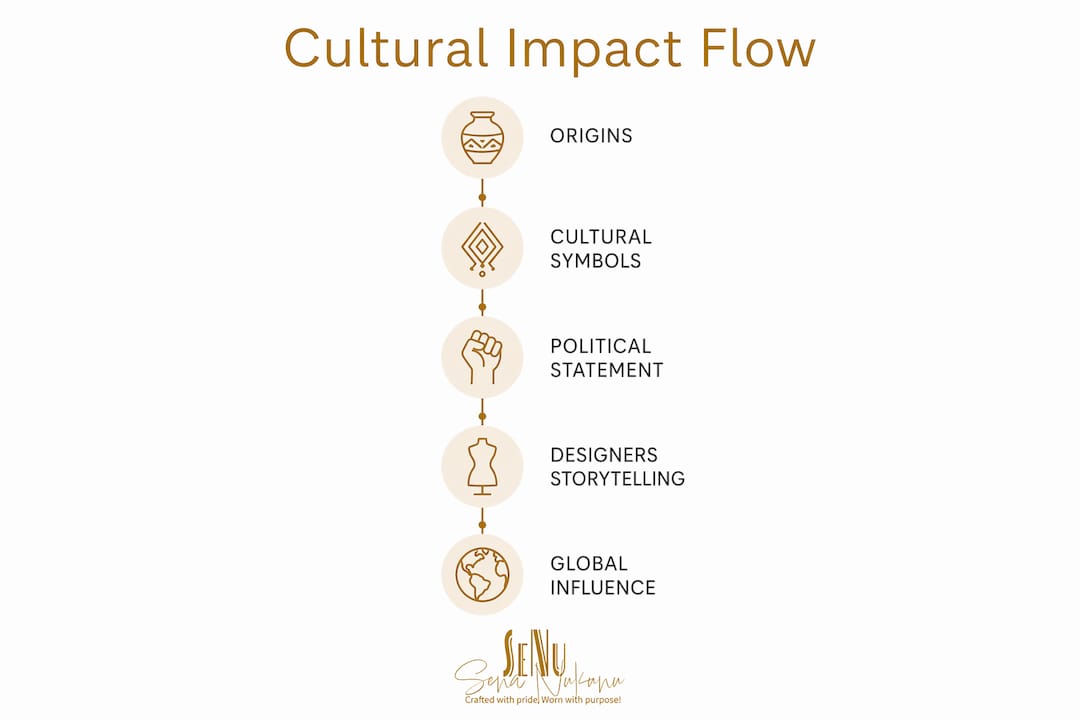
Why African American fashion is distinct: from survival to political statement
African American fashion originated as cultural preservation during enslavement, when Black people held onto African textile traditions, hairstyling practices, and aesthetic values as acts of resistance against forced assimilation. Clothing was one of the few domains where identity could be quietly, defiantly maintained. That foundation shaped everything that followed.
The political dimension of Black fashion became explicit during the Civil Rights Movement and the Black Is Beautiful movement of the 1960s and 1970s. Both movements used clothing and hairstyles as visible declarations of dignity. The afro was not a style choice in isolation. It was a direct rejection of European beauty standards and a public assertion of pride.
- The afro: Worn by activists and everyday people alike, it signaled solidarity and self-determination.
- Sunday best: Dressing immaculately for church and public life was a deliberate act of dignity in the face of systemic dehumanization.
- Leather jackets and berets: Adopted by the Black Panther Party, these items transformed everyday clothing into visible declarations of power.
- Cornrows and locs: Hairstyles rooted in African tradition that carried social and spiritual meaning long before they appeared on mainstream runways.
External policing of Black fashion, from dress codes targeting natural hair to school policies banning certain styles, attempted to enforce assimilation. The community consistently repurposed those criticisms as fuel for stronger cultural identity.
Pro Tip: When you study African American fashion history, pay attention to what was being policed. The items targeted most aggressively often carry the deepest cultural significance.
What symbols and styles define African American fashion?
African American fashion communicates through a specific visual vocabulary that carries social, spiritual, and political meaning. These are not decorative choices. They are coded messages with centuries of context behind them.
- Kente cloth: Originating from Ghana's Ashanti people, Kente was adopted by African Americans as a symbol of Pan-African pride and connection to ancestral roots.
- Dashiki: The brightly patterned West African garment became a staple of the Black Power movement in the late 1960s, worn as a statement of cultural reclamation.
- Acrylic nails: Pioneered by Black women from 1954, acrylic nails were marginalized for decades before mainstream beauty culture adopted them widely. That gap between creation and credit is a recurring pattern in Black fashion history.
- Streetwear staples: Baggy pants, oversized hoodies, and specific sneaker styles emerged from urban Black communities and the hip-hop movement before becoming a global industry worth hundreds of billions of dollars.
The concept of "cool" in African American fashion is not casual. African American cool is a disciplined form of resistance, transforming objects like leather, hats, and sunglasses into visible declarations of dignity and power under systemic pressure. That composure is a deliberate political act, not an aesthetic accident.
Explore how these signature Black fashion styles connect to contemporary African and diaspora fashion today.
How do Black designers function as cultural storytellers?
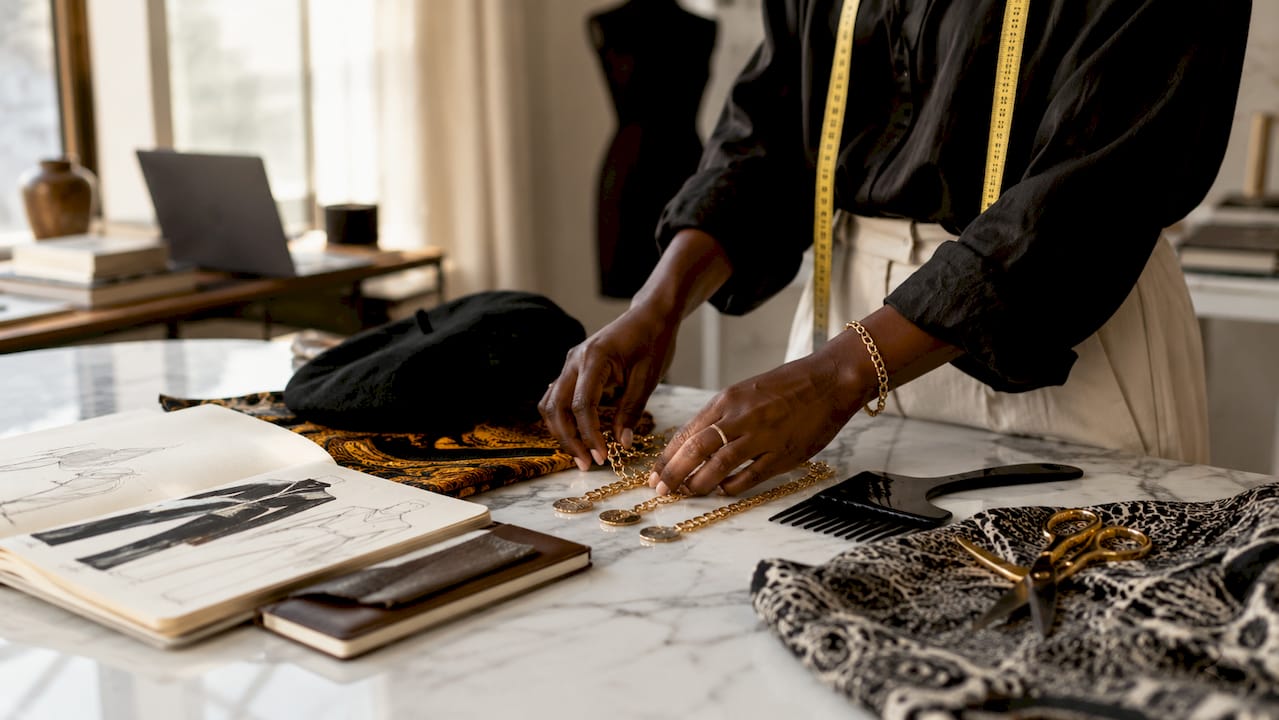
Black designers treat fashion as fine art, embedding cultural history and narrative into garments the way a painter embeds meaning into a canvas. This is the defining characteristic that separates Black fashion design from trend-driven commercial work.
Ann Lowe designed the wedding gown worn by Jacqueline Bouvier when she married John F. Kennedy in 1953. Her name was largely omitted from the public story. Kerby Jean-Raymond, founder of Pyer Moss, built entire runway collections around Black American history, presenting fashion as cultural narrative and fine art. Both represent a tradition of intellectual and artistic depth that mainstream fashion has consistently undervalued.
"Fashion is not a passing trend but an intellectual and cultural lineage deeply rooted in Black identity and history." — Kimberly Jenkins, fashion scholar and educator
High fashion institutions often catch up to Black fashion's language years later. That lag is not coincidence. It reflects a pattern where Black creators define the aesthetic and others receive the commercial reward.
Pro Tip: When you encounter a "new" trend in mainstream fashion, research its origins. The trail frequently leads back to Black designers, stylists, or communities who developed it years or decades earlier.
What is the global impact of African American fashion?
African American fashion shaped global style not through imitation of European trends but by creating entirely new ones. The 1973 Battle of Versailles is the clearest single milestone. American designers, including Black designers and models, outperformed their French counterparts in a legendary fashion showdown at the Palace of Versailles. That event marked the moment Black fashion was recognized as a global force, not a regional subculture.
HBCU campuses have functioned as cultural incubators for fashion since the 1920s. Historically Black Colleges and Universities operated as spaces where fashion served as cultural currency, racial pride, and community identity simultaneously. The looks developed on those campuses influenced mainstream fashion trajectories that major brands later adopted and commercialized.
| Fashion Element | Black Cultural Origin | Global Adoption |
|---|---|---|
| Streetwear and sneaker culture | Hip-hop communities, 1970s–1980s | Worldwide luxury and mass market |
| Natural hair aesthetics | Black Is Beautiful movement, 1960s | Global beauty industry shift |
| Kente and Dashiki patterns | Pan-African movement, 1960s–1970s | International runway and retail |
| Acrylic nail artistry | Black women innovators, 1954 onward | Global beauty standard |
| Oversized silhouettes | Urban Black youth culture, 1980s–1990s | High fashion collections worldwide |
Streetwear staples like sagging pants originated as survival adaptations and were reclaimed as cultural symbols by the hip-hop community. Understanding that origin is what separates appreciation from appropriation. The style carried meaning before it carried a price tag.
African American fashion's influence on diaspora style trends continues to shape contemporary fashion across continents.
Key Takeaways
African American fashion is distinct because it functions as a deliberate, coded language of cultural identity, political resistance, and artistic legacy that has shaped global style for over a century.
| Point | Details |
|---|---|
| Fashion as survival | African Americans preserved cultural identity through clothing and hairstyles during enslavement and systemic oppression. |
| Political symbolism | Styles like the afro, Dashiki, and leather jacket served as direct acts of political resistance and dignity. |
| Pioneering innovation | Black creators originated acrylic nails, streetwear, and natural hair aesthetics decades before mainstream adoption. |
| Global influence | The 1973 Battle of Versailles and HBCU culture both demonstrate Black fashion's role as a global style leader. |
| Credit gap | Black fashion aesthetics are frequently misappropriated while original creators receive little recognition or commercial benefit. |
African American fashion as living legacy
I think the most misunderstood thing about African American fashion is how intentional it has always been. People outside the culture often see the style and miss the statement. They adopt the look without understanding the weight it carries.
What strikes me most, working at the intersection of African heritage and contemporary fashion, is how the same dynamic plays out across the diaspora. West African textiles, like the Kente cloth or the hand-embroidered Kaftan, carry the same depth of meaning that the Dashiki carried in 1968. Every pattern tells a story. Every fabric choice is a form of memory.
The credit gap is real and it matters. Black fashion aesthetics are adopted globally while the communities that created them often see little of the commercial return. Recognizing that gap is not about grievance. It is about accuracy. You cannot understand fashion history without centering Black creativity within it.
The future of culturally grounded fashion depends on consumers who ask where a style came from and who made it. That question is the most powerful thing you can bring to how you dress.
— Sena
Senanukunu: where cultural fashion lives
At Senanukunu, every piece carries the spirit of a legacy. The brand was built on the belief that fashion rooted in African heritage deserves to be worn with pride, not just preserved in history books.
Senanukunu's curated collections draw from West African craftsmanship and the same cultural storytelling tradition that has made Black fashion a global force. Each vibrant dress and matching set is designed to make you feel the weight and beauty of that lineage. From hand-embroidered Kaftans to bold two-piece sets, these are statement pieces built for everyday confidence. Browse the full Senanukunu collection and wear the culture with intention.
FAQ
What makes African American fashion culturally distinct?
African American fashion is distinct because it developed as a deliberate language of cultural survival, political resistance, and identity rather than as a response to commercial trends. Every major style element carries historical and social meaning rooted in the Black experience.
How did the Civil Rights Movement influence Black fashion?
The Civil Rights Movement made fashion explicitly political, with styles like the afro, Sunday best, and Black Panther leather jackets functioning as public statements of dignity and defiance against systemic oppression.
What is the Battle of Versailles and why does it matter?
The 1973 Battle of Versailles was a fashion showdown where American designers, including Black designers and models, outperformed French counterparts at the Palace of Versailles. It marked the moment Black fashion was recognized as a global style force.
How have HBCUs shaped fashion trends?
HBCU campuses have functioned as cultural incubators since the 1920s, where fashion operated as cultural currency tied to racial pride. The looks developed there influenced mainstream fashion trajectories later adopted by major global brands.
What is fashion appropriation in the context of Black style?
Fashion appropriation occurs when mainstream culture adopts Black fashion aesthetics, such as acrylic nails, streetwear, or natural hairstyles, without crediting or compensating the Black creators and communities who originated them.