TL;DR:
- West African attire holds deep cultural meanings in colors, patterns, and etiquette.
- Authentic pieces are handmade, ethically sourced, and support local artisan communities.
- Wearing genuine artisan fashion fosters cultural respect, preserves heritage, and outlasts fleeting trends.
Choosing West African attire is one of the most meaningful style decisions you can make, and it can also feel like one of the most uncertain. Which patterns carry sacred meaning? Which pieces genuinely support the artisans who created them? How do you wear bold, vibrant prints in a way that honors their heritage rather than reducing them to a trend? These are real questions, and they deserve thoughtful answers. This guide walks you through the symbolism behind iconic garments, the markers of truly ethical craftsmanship, practical styling strategies for everyday life and special occasions, and a clear comparison to help you shop with both confidence and cultural pride.
Table of Contents
- Start with meaning: Interpreting colors, patterns, and etiquette
- How to select authentic, artisan-made pieces
- Mix, match, modernize: Styling tips for everyday and events
- Quick-guide comparison: Artisan-made vs. mass-produced attire
- Why authenticity matters more than trends: Our perspective
- Explore authentic, vibrant West African styles with Sena Nukunu
- Frequently asked questions
Key Takeaways
| Point | Details |
|---|---|
| Symbolism matters | Colors and patterns in West African attire have meaningful stories so always research before styling. |
| Support artisans | Choosing handmade items from trusted makers uplifts real communities and preserves culture. |
| Mix tradition with modern | Pair bold cultural pieces with simple outfits for an authentic and versatile style. |
| Recognize authenticity | Authentic pieces have unique craftsmanship, ethical sourcing, and cultural context. |
Start with meaning: Interpreting colors, patterns, and etiquette
With your interest sparked, it's key to understand the meaning behind what you choose to wear. West African attire is not simply decorative. Every color, weave, and print placement carries a story, a value, or a message passed down through generations of skilled artisans and community traditions.
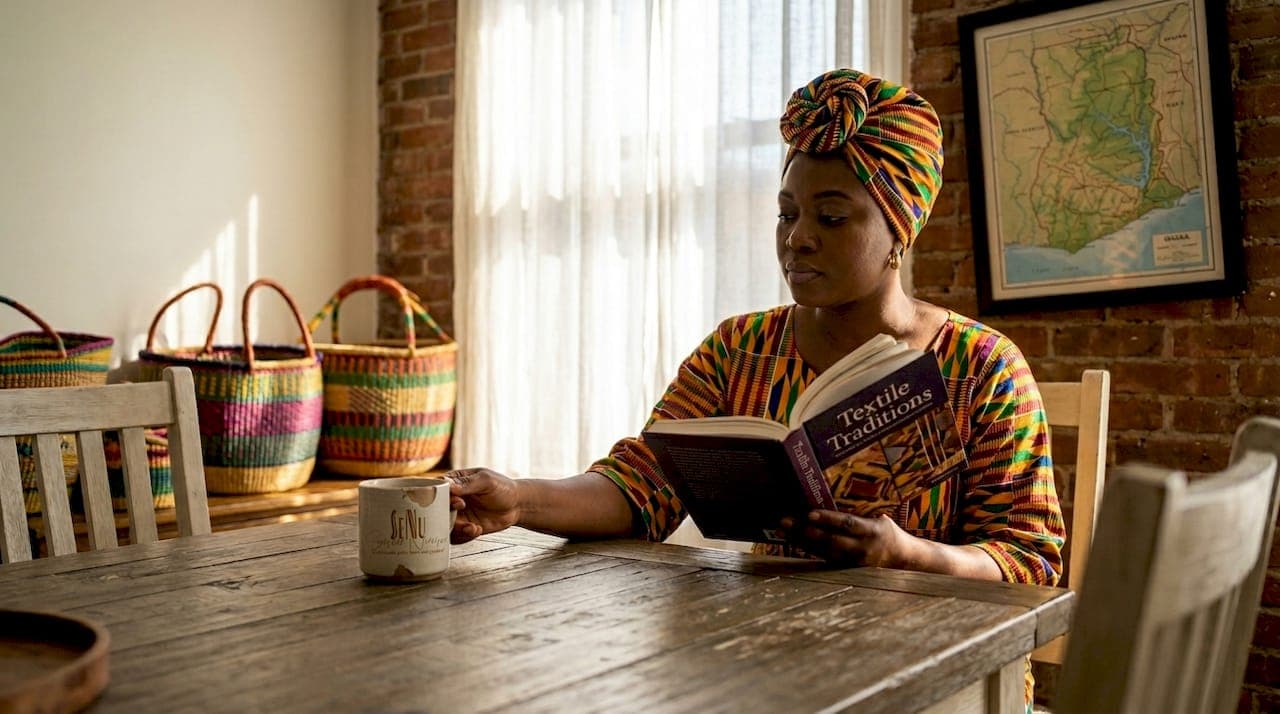
Kente cloth from Ghana is one of the most recognized examples. Its colors are deeply symbolic: gold represents wealth and royalty, green signals renewal and growth, blue evokes love and peace, and red speaks to sacrifice and political strength. These meanings are not arbitrary. They are woven into the fabric of Ghanaian history and identity. Kente patterns are symbolic, and UNESCO recognized Kente in 2024 as a culturally significant heritage textile, underscoring just how important it is to approach this cloth with genuine respect.
Beyond Kente, authentic West African fashion spans dozens of distinct traditions. Ankara prints, Adire indigo fabrics from the Yoruba people of Nigeria, and Bogolan (mudcloth) from Mali all carry their own visual languages. Print placement matters too. Certain motifs are reserved for elders, royalty, or ceremonial use, so wearing them casually or without context can communicate something unintended.
Some key etiquette principles to keep in mind:
- Research before you wear. Learn the origin and significance of the garment or print you are considering.
- Avoid sacred or ceremonial styles unless you have been invited by the community or host to wear them.
- Respect modesty norms. The Fulani concept of Pulaaku, a code of conduct emphasizing dignity, self-restraint, and grace, is reflected in how Fulani women dress. Fit and modesty are part of the cultural message.
- Skip mass-produced imitations. A garment labeled "African-inspired" but made overseas without artisan involvement strips the clothing of its meaning.
"Every stitch, brushstroke, and design carries the spirit of a legacy. When you wear it with knowledge and intention, you become part of that story."
Understanding cultural heritage and fashion is the foundation for every other style decision you make. It transforms your wardrobe from a collection of clothes into a living expression of values.
How to select authentic, artisan-made pieces
Appreciating meaning leads naturally to seeking attire that genuinely supports and represents culture. Knowing what to look for, and what to avoid, makes all the difference between a purchase that empowers and one that harms.
Here is a step-by-step approach to finding the real thing:
- Examine material quality. Authentic handwoven or hand-printed fabrics have a texture and weight that mass-produced alternatives simply cannot replicate. Run your fingers across the surface. Irregularities are often signs of human craftsmanship, not flaws.
- Check labeling and origin. Ethical pieces typically name the country of origin, the artisan or cooperative, and the textile tradition. Vague labels like "inspired by Africa" are a red flag.
- Ask direct questions. Reputable sellers and brands can tell you who made the piece, where the textiles were sourced, and what ethical practices guide their production. If a seller cannot answer these questions, that tells you something important.
- Research the designer's background. Designers rooted in West African communities bring lived knowledge to their work. Shopping directly from them or from trusted boutiques that vet their sources ensures your money flows to the right people.
- Look for certifications. UNESCO recognition, local artisan guild affiliations, and fair-trade certifications are meaningful signals of authenticity and ethical practice.
Pro Tip: Before buying, read the brand's "about" page and any maker stories they share. Authentic brands speak with specificity about their artisans, regions, and techniques. Generic language is a warning sign.
As empowering West African artisans becomes a growing priority in conscious fashion, more platforms are making it easier to shop with intention. Choosing ready-to-wear African attire from verified sources means you are not just buying a garment. You are investing in a community, a tradition, and a future.
It is also worth noting that prioritizing authentic over "African-inspired" protects local artisan economies from being undercut by cheap imitations that profit from cultural aesthetics without giving anything back.
Mix, match, modernize: Styling tips for everyday and events
Once you've acquired meaningful, artisan-authentic attire, it's time to wear it in ways that fit your life and style. The beauty of West African fashion is its versatility. These pieces are designed to be lived in, celebrated in, and loved across seasons and settings.
For everyday wear, the key is balance. You do not need to wear a full traditional ensemble to honor the culture. In fact, a single statement piece often makes the most powerful impression.
- Pair a printed wrap skirt with a solid-color fitted top and simple sandals for a look that is vibrant but grounded.
- Wear a bold Ankara blouse with tailored trousers or dark denim to let the print breathe without overwhelming the outfit.
- Add a headwrap in a complementary color as an accent piece. It elevates any look and carries deep cultural significance across many West African traditions.
- Use accessories thoughtfully. Beaded jewelry, woven bags, or leather sandals crafted by artisans add texture and story without competing with a statement print.
For special occasions and events, you have more room to layer and celebrate. Choose fabrics like Kente or Aso-oke (a hand-loomed Nigerian textile) for formal settings, and pair them with gold jewelry and structured silhouettes. Just remember that cultural etiquette includes proper fit and appropriateness for the occasion. Ceremonial styles belong in ceremonial contexts.
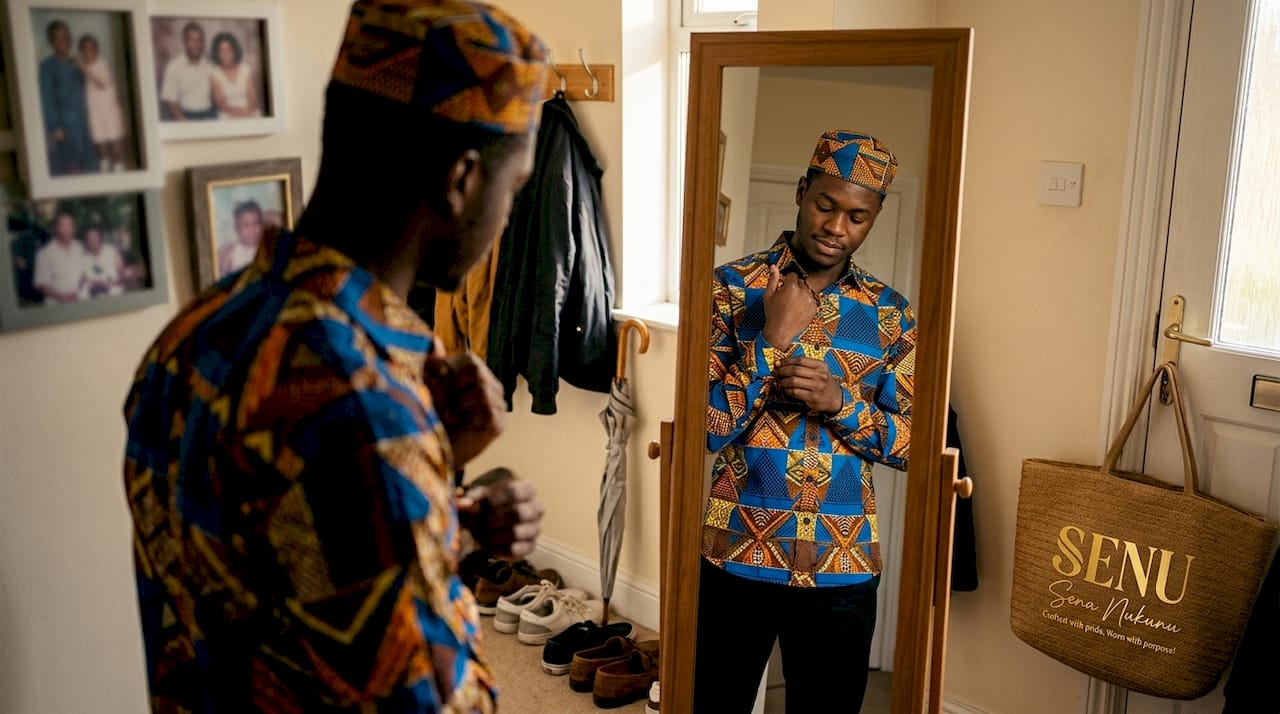
Pro Tip: When mixing patterns, pair one busy print with solid neutrals. Avoid combining two competing motifs unless you have a strong eye for color harmony. Let one piece lead and the rest support.
A good African outfit guide can help you visualize combinations before you commit. Exploring must-have pieces that anchor a wardrobe makes styling feel less overwhelming and more intuitive. When your clothing connects to a culture-inspired statement, every outfit becomes an act of pride.
Quick-guide comparison: Artisan-made vs. mass-produced attire
Still unsure how to tell the difference at a glance? A direct comparison reveals what to look for.
| Feature | Artisan-made | Mass-produced |
|---|---|---|
| Maker | Named artisan or cooperative | Anonymous factory |
| Material | Traditional or hand-sourced textiles | Synthetic or generic fabric |
| Craftsmanship | Hand-sewn, hand-printed, or hand-woven | Machine-cut and assembled |
| Price | Reflects true labor and skill | Low cost, high volume |
| Cultural accuracy | Rooted in specific traditions | Generic "African" aesthetic |
| Authenticity signals | Artisan story, origin labeling, certification | Vague or absent sourcing info |
| Community impact | Supports local economies and artisans | Profits flow outside the community |
The difference is not just ethical. It is visible. Artisan-made pieces have a presence that mass-produced items simply cannot match. The colors are richer, the construction is more considered, and the wear over time tells a story of quality rather than disposability.
UNESCO recognized the importance of preserving authentic textiles like Kente in 2024, a milestone that reflects the global understanding that these crafts are irreplaceable cultural assets. When you choose artisan-made, you are part of preserving that legacy.
The economic argument is equally compelling. Artisan craft industries across West Africa support millions of livelihoods. Every authentic purchase strengthens those networks. Every imitation purchase weakens them. Understanding heritage apparel ethics means seeing your shopping cart as a vote for the kind of fashion world you want to support.
Why authenticity matters more than trends: Our perspective
To tie together everything you've learned, let's consider why authenticity and meaning should guide your personal style. Trends move fast. Cultural heritage does not, and that is precisely its power.
We have seen the cycle repeat itself too many times: a fashion season celebrates "tribal prints" or "ethnic-inspired" looks, brands profit, and the actual communities whose creativity fueled those trends see nothing. It is a pattern that reduces living cultures to aesthetic raw material, and it is one that conscious consumers have the power to interrupt.
Wearing real artisan pieces is not just a style choice. It is a form of solidarity. It says that you see the person behind the garment, that you value the knowledge it took to create it, and that you are willing to pay what that knowledge is worth. The emotional reward of wearing something with genuine heritage shapes fashion meaning is something no fast-fashion piece can replicate.
Authenticity outlasts trends. A beautifully made Kente wrap or an Adire dress crafted by a skilled artisan will still feel meaningful and relevant years from now, long after the trend cycle has moved on. That is the kind of wardrobe worth building.
Explore authentic, vibrant West African styles with Sena Nukunu
Ready to turn these insights into style? Start with authentic options from trusted creators.
At Sena Nukunu, every piece in our collection is chosen with cultural pride, ethical sourcing, and your confidence in mind. We work with artisans who bring generations of skill and story to every garment, so you can wear something that truly means something. Whether you are looking to shop authentic dresses for a special occasion or want to browse full collections to find your next everyday statement piece, we make it easy to dress with intention. Explore Sena Nukunu and discover West African fashion that empowers you and the communities behind it.
Frequently asked questions
What makes West African attire authentic and not just African-inspired?
Authentic pieces are handmade by African artisans using traditional techniques and symbolic patterns, while "African-inspired" items are typically mass-produced for trends without cultural grounding. Prioritizing authentic over imitation directly supports artisan livelihoods and protects local economies.
Is it appropriate to wear sacred or ceremonial West African garments?
Sacred or ceremonial attire should only be worn if you are invited by the community or host, as these garments carry specific cultural and spiritual weight. Everyday artisan-made pieces are the right choice for regular wear and personal expression.
How can I tell if a cultural piece is ethically made?
Look for transparent sourcing, named artisans or cooperatives, and artisan guild or fair-trade certifications. Ethical brands highlight these details clearly because they are proud of their practices and the people behind their garments.
What are the best ways to style West African prints for everyday looks?
Pair one statement item, like a printed skirt or headwrap, with neutral basics so the print takes center stage without overwhelming the outfit. Keeping the rest of the look simple lets the cultural artistry speak for itself.