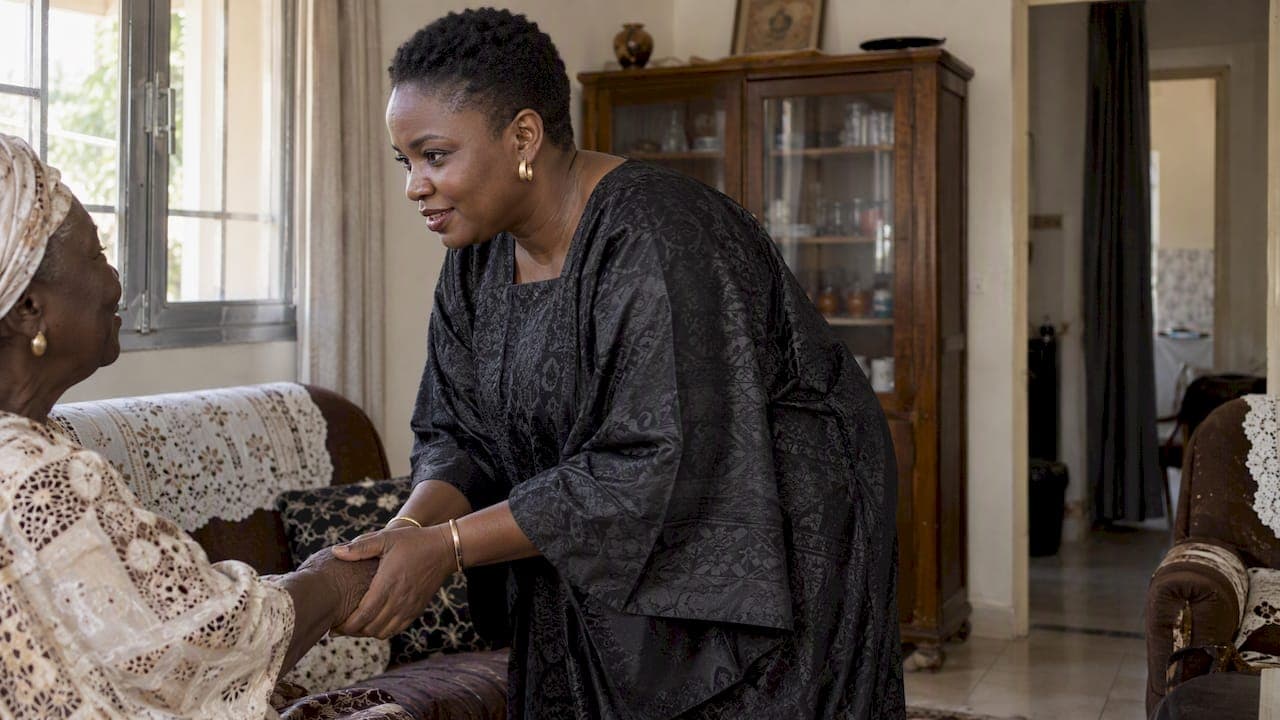
Bazin riche is a stiff, glossy damask cotton with a woven pattern, and it is one of the most treasured cloths in West African dress. It began in European mills, but it becomes bazin riche as we know it in the hands of West African dyers and tailors, who give it color, finish and form. If you are shopping for it, the short version is this: look at the tightness of the weave, the quality of the thread and the care of the dyeing, not just the weight of the cloth.
Below, we walk through where bazin comes from, how its quality tiers work, what to check before you buy, how to wear it, and what U.S. labeling rules mean for the garment in your closet.
TL;DR
- Bazin riche is a damask cotton, known for stiffness, a vibrant sheen and woven patterns), imported from Europe and then hand-dyed in West Africa.
- Quality is usually described in three tiers: premium, medium and lower, and the difference shows in the weave and thread.
- Weight alone is a poor guide. A tight, even damask weave and fine thread matter more.
- In the U.S., clothing sold to consumers must carry a label with fiber content, country of origin and the business responsible.
- Wear it for weddings, naming ceremonies, graduations and any day you want to dress with intention.
Table of Contents
- What bazin riche actually is
- A cloth that travels: from European mill to West African dyer
- The three quality tiers
- How to judge bazin riche before you buy
- Why bazin matters beyond the cloth
- Our perspective: wear the story, not just the sheen
- Styling bazin for U.S. celebrations
- Caring for bazin
- What U.S. labeling means for bazin garments
- Explore West African pieces with us
- FAQ
- Sources
What bazin riche actually is
Bazin, sometimes spelled basin, is a West African fabric with European roots. It is made from cotton damask, a cloth in which the pattern is created in the weave itself rather than printed on top. The result, according to the Wikipedia entry on bazin), is a textile known for its stiffness and vibrant sheen, usually with small floral or geometric motifs. The same source links the name to the 18th-century European cloth called bombasine.

The word "riche" signals the upper end of the range. In Senegal, Mali, Guinea and neighboring countries, the finest ceremonial robes and boubous are cut from it, often with embroidery in the same color or a contrasting thread. You may also see it called shedda or getzner, the latter after a mill name that has become shorthand for premium cloth in many markets. Textile specialists at the Textile Research Centre in Leiden describe the large gown worn by men in parts of West Africa as often made from exactly this kind of damask cotton.
A cloth that travels: from European mill to West African dyer
Bazin riche is not a single finished product. It is closer to a canvas. Plain white damask arrives from the mill, and then local artisans take over. They dye it, sometimes using wax-resist or tie techniques, and finish it by hand. Researcher Kelly A. Kirby, in her study of transnational wardrobes in Michigan's African diaspora communities, describes this journey of dyeing and finishing as labor-intensive, and notes that the stiffness and sheen people cherish depend as much on these post-production steps as on the original cotton.
That collaboration is the heart of the story. Anja Veirman of KU Leuven has written about West African textile traditions as living practices rather than static heritage, and bazin fits that picture well: a mill in one country and artisans in another, each adding their craft. The Textile Research Centre notes that bazin has been adapted to local African tastes for centuries, so what you buy is a dynamic product. Its value comes from the base damask and from the artistry of the dyeing and finishing that follow.

For us, that is what makes the cloth so moving. Every piece carries two skills at once: the precision of the weave and the hand of the person who gave it color.
The three quality tiers
The Textile Research Centre describes bazin quality in three broad tiers, which are also how many West African traders talk about it:
| Tier | Typical description | What to expect |
|---|---|---|
| Premium (riche) | High-quality cotton thread, dense and fine damask weave, often from established European mills | Crisp structure, a lasting sheen, clear patterning |
| Moyennement riche | Medium quality | Good everyday ceremonial wear, less density |
| Moins riche | Lower quality, often produced in China for the African market, per the same source | Lighter hand, less pronounced pattern, shorter life |
The French-language textile blog Etoffe draws a similar line: the richer bazin is made with more thread and thicker cotton and shows more pronounced damask effects, while the poorer version is lighter and more monochrome. It also mentions a "super bazin," a rich bazin with a particular finish on the ground.
No tier is shameful. A medium-weight bazin can be right for a warm-weather wedding guest outfit. The point is to know which one you are paying for.
How to judge bazin riche before you buy
Research on dressing practices among West African communities points to a common shopper's mistake: equating heavy with good. The true mark of premium bazin is the tightness and uniformity of the damask weave and the quality of the thread. Here is a practical checklist.
- Look closely at the pattern. In premium bazin the damask motif should be crisp and even across the width, with no skipped threads or blurred edges.
- Run your hand across it. You want a smooth, polished surface with body, not a papery or scratchy feel.
- Check the sheen. A premium finish glows softly. A harsh, plastic-like shine is a warning sign.
- Examine the dye. Color should be deep and even, with no blotches at the seams or hems. Hand-dyed pieces, including tie-dye and batik styles, will show natural variation by design, but it should look intentional rather than muddy.
- Read the label. Fiber content should say cotton, or whatever blend it is, and the origin should be clearly stated.
- Ask who made it. A seller who can tell you who dyed, cut and sewed the piece is usually a seller who cares about the cloth.
Be wary of confident claims that can't be checked, such as a single scent or test that supposedly proves authenticity. Judge the cloth itself, and the honesty of the seller.
Why bazin matters beyond the cloth
In Senegal, dressing well is a practice with its own name, sañse. Kirby's research explains that this kind of dressing up carries deep cultural significance. It is about dignity, about keeping ties with family and community alive, and about presenting yourself with care among people who know you. For people in the diaspora, bazin garments can be regal statement pieces that speak of status, morality and resilience.
The same study notes that acquiring high-quality bazin is often supported by social networks such as tontines, revolving savings groups. A fine bazin outfit is, in that sense, as much an investment in relationships as in wardrobe.
That context should shape how you shop. You are not just buying a fabric. You are joining a long conversation about beauty, effort and belonging.
Our perspective: wear the story, not just the sheen
At Sena Nukunu we think about bazin the way we think about all West African fashion: as heritage you can wear. We are based in Florida, and we design for people who want clothing with meaning, whether that is a woman choosing a dress for a family celebration or a man looking for an agbada ensemble for a wedding.
Three convictions guide how we talk about cloth like bazin:
- Craft deserves credit. The beauty of bazin comes from many hands, the mill, the dyer, the tailor. We believe the people behind a garment should never be invisible.
- Limited quantities honor the work. We offer pieces in limited quantities, made with care and purpose and with ethical manufacturing in mind, because a statement piece should feel like yours.
- Confidence is part of the design. A garment built on a structured, regal cloth should make you stand a little taller, and still be comfortable enough to enjoy your own party.
We would rather you ask hard questions about any garment, ours included, than buy on a label alone. Understanding the cloth is a way of respecting it.
— Sena
Styling bazin for U.S. celebrations
Because bazin holds its shape, it suits tailored silhouettes: structured dresses, wide-sleeved robes, matching sets and jackets. Some ideas:
- Weddings. Choose a deep, saturated color for a guest, or a coordinated set for a couple or family. If the dress code is unclear, our party dress code checklist for West African celebration wear walks you through it.
- Professional settings. A structured jacket or set in a restrained pattern reads polished, and it is a confident way to bring heritage into the workplace. Our guide on styling culturally rich West African attire with confidence offers more ideas.
- Accessories. Let the fabric lead. Simple jewelry, a head wrap or a carefully chosen bag is often enough, and our piece on accessorizing cultural outfits ethically explains how to do it with respect.
- Occasion meaning. If you want to understand what makes a festive outfit festive, read what defines festive African dress.
Caring for bazin
Care depends on the cloth and the dye, so the label and the maker's instructions come first. As a general habit, treat a new hand-dyed piece gently: wash it separately at first, because hand-dyed cloth can release excess dye, and avoid harsh scrubbing and long hours in direct sun. Ask the seller whether the finish already includes stiffening, because that changes whether you would add starch. If a garment is heavily embroidered, a specialist dry cleaner who handles ceremonial wear is a safer choice than guessing at home.
What U.S. labeling means for bazin garments
If you buy bazin clothing in the United States, federal rules apply. The Federal Trade Commission explains that most textile products must have a label listing fiber content, country of origin and the identity of the manufacturer or another responsible business. The detailed rules sit in 16 CFR Part 303, including the requirement that a label be conspicuous and securely affixed.
Origin claims deserve a closer look. The FTC guidance says that when a garment is made in the U.S. from imported fabric, the label should say so, for example "Made in USA of imported fabric." Because bazin damask is typically imported, a plain "Made in USA" on a bazin garment would deserve a question. Honest labeling is a good sign of an honest seller.
Explore West African pieces with us
If you are ready to see how heritage and craftsmanship meet in finished garments, explore our collections, including the Woven Nobility: Kings' Robe line for men and Woven Radiance: Queens in Bloom for women. You can also browse Men's Agbada Ensembles, Men's Heritage and Women's Collections on our home page, or look at our services if you are thinking about something made for you.
FAQ
What type of fabric is bazin?
Bazin is a cotton damask, meaning the pattern is woven into the cloth. It is known for its stiffness and sheen, and it is imported to West Africa from Europe and then hand-dyed). Bazin riche is the high-quality end of that range.
Is bazin riche the same as shedda or getzner?
They overlap. Shedda is another name for the same kind of damask cotton, according to the Textile Research Centre, and Getzner is a mill name often used to mean premium bazin. Not every bazin is Getzner, and not every piece sold under these names is the same quality, so judge the weave and finish.
Is heavier bazin always better?
No. Weight is easy to mistake for quality. What marks premium bazin, per Kirby's research, is the tightness and uniformity of the weave and the quality of the thread.
Does a bazin garment need a special label in the U.S.?
It needs the same label as other textile clothing: fiber content, country of origin and the responsible business, as the FTC explains. If it is made in the U.S. from imported fabric, the label should say that. For specific compliance questions, a business should consult the FTC or an attorney.
Sources
- Bazin (fabric), Wikipedia)
- Bazin damasks for the African market, Textile Research Centre, Leiden
- Clothing, Kinship, and Representation: Transnational Wardrobes in Michigan's African Diaspora Communities
- Les multiples options du bazin, Etoffe blog
- Threading Your Way Through the Labeling Requirements Under the Textile and Wool Acts, FTC
- 16 CFR Part 303, eCFR
- 16 CFR 303.15, eCFR