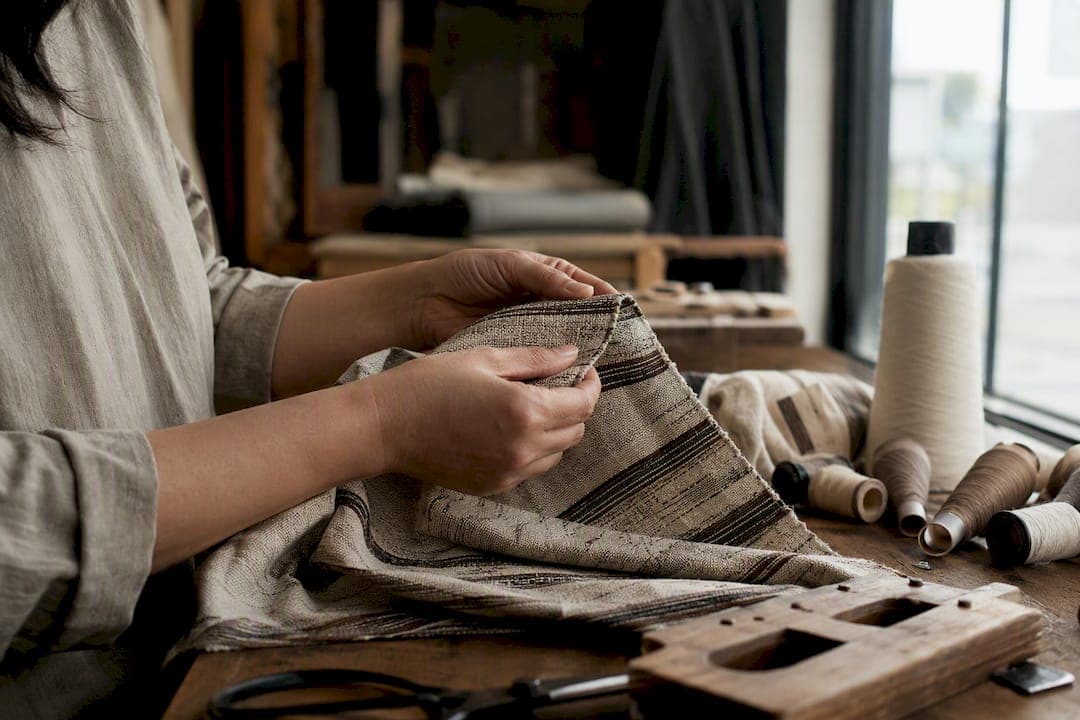
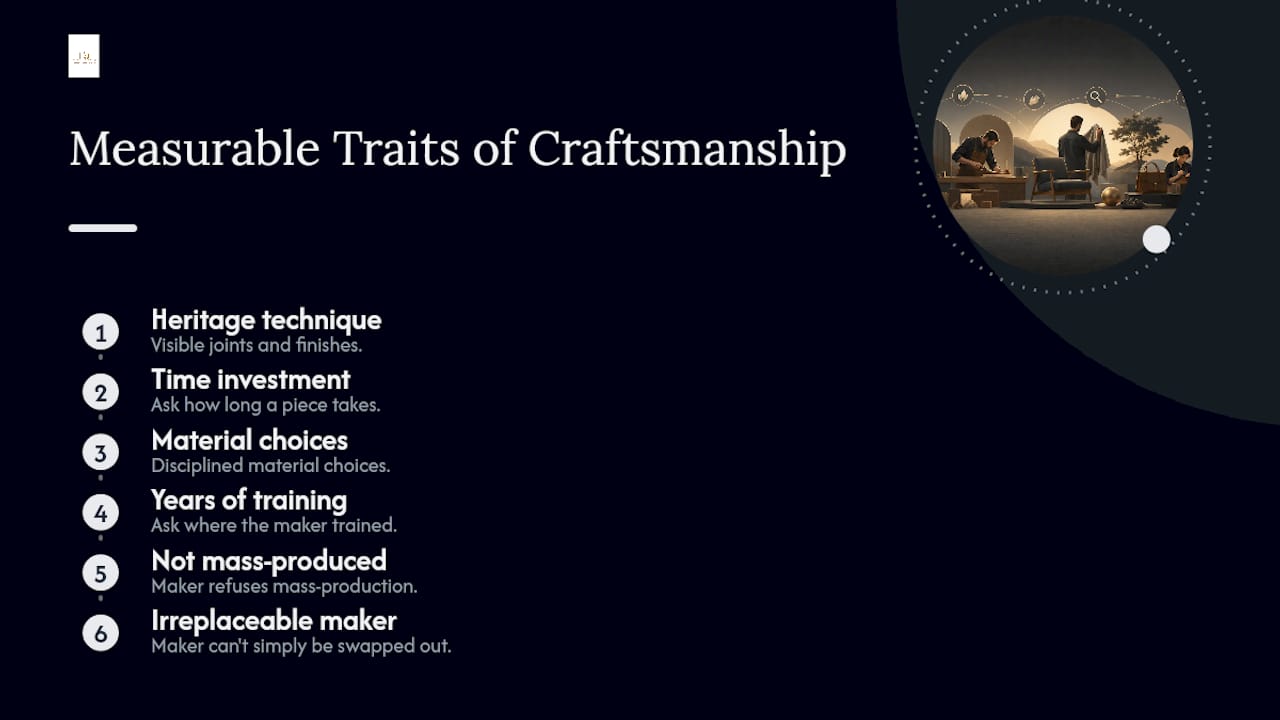
True craftsmanship is a production reality you can test, not a story printed on a label. It shows up in six measurable traits: heritage technique, real time investment, disciplined material choices, years of training, a refusal to mass-produce, and a maker who can't simply be swapped out. Here's your three-step start: See the hidden joints and finishes. Ask the maker how long a piece takes and where they trained. Test it, twist it, open it, listen to it. The American Craft Council uses similar standards to judge its own award winners, and a well-cut dovetail joint still tells you more than any tag ever will.
Key Takeaways
Genuine craftsmanship is verifiable through six specific criteria, and any buyer can learn to test for them in minutes.
| Point | Details |
|---|---|
| Test, don't trust labels | Check heritage technique, time per piece, and material discipline instead of relying on marketing language. |
| Inspect hidden details | Drawer interiors, joinery, and finish consistency reveal more than surface appearance ever will. |
| Ask three direct questions | Ask about training duration, repair options, and material sourcing before buying handmade. |
| Repairability signals authenticity | A maker willing to fix their own work later is showing genuine craft commitment. |
| Small purchases sustain apprenticeships | Buying handmade keeps techniques and training pipelines alive in local communities. |
Table of Contents
- What Does Craftsmanship Actually Mean?
- Why Does Craftsmanship Actually Matter?
- What Are the Six Testable Signs of Real Craftsmanship?
- How Do You Evaluate Handmade Quality in Person or Online?
- How Can You Build a Habit of Appreciating Craftsmanship?
- What Should You Ask a Maker Before Buying?
- How Do You Care for Handmade Pieces So They Last?
- How Has Craftsmanship Evolved Into What We See Today?
- Who Are the Makers Who Show Mastery in Practice?
- How Do Regional Traditions Shape Craft Standards?
- What Ethical Impact Comes From Supporting Handmade Artisans?
- Why I Still Choose Handmade Over Mass-Produced
- Frequently Asked Questions
- Sources
What Does Craftsmanship Actually Mean?
Craftsmanship means a named maker applying a learned, heritage-rooted technique to produce something that couldn't have come off an assembly line the same way. It's not a synonym for "expensive" or "artisanal" printed in a nice font. A 2016 academic review from the University of Winchester describes craftsmanship as a habit built through deliberate practice, meaning it develops in a person over years, not in a factory over a shift change.
You'll find genuine craftsmanship across a wide set of everyday categories:
- Pottery: hand-thrown vessels with visible tool marks and inconsistent, human-made curves.
- Furniture: joinery you can feel, not just glue and staples hidden under fabric.
- Textiles: hand-loomed cloth with slight irregularities that machines can't replicate.
- Leather: hand-stitched seams and edges burnished by hand rather than sealed with plastic coating.
- Metalwork: hammer marks and forge-welded joints instead of cast, uniform pieces.
- Tailoring: garments built to a body's specific measurements, not a size chart.
Two signals cut through the marketing noise fastest: whether the maker will explain their process, and whether the piece can be repaired. If a seller can't answer either question, you're likely looking at a story, not a skill.
Why Does Craftsmanship Actually Matter?
Handmade work carries weight beyond aesthetics. It preserves techniques that would otherwise disappear with a generation, it tends to outlast mass production, and it keeps money circulating inside communities that need it.
- Cultural preservation: techniques passed through apprenticeship survive only if someone keeps commissioning them.
- Durability and less waste: a well-built object gets repaired, not replaced.
- Local economic support: buying handmade circulates money and sustains apprenticeship pathways rather than sending it to a distant factory.
- Storytelling and emotional value: an object with a known maker carries a memory a factory item never will.
Think of an heirloom dining table passed down for three generations. It's been refinished twice, one leg was rebuilt after a move, and it still seats the whole family every Thanksgiving. That's cultural preservation, durability, and storytelling in a single object. Recognition programs like the American Craft Council's biennial awards exist precisely to spotlight makers doing this kind of work at the highest level, giving buyers a public reference point for excellence.
What Are the Six Testable Signs of Real Craftsmanship?
Skip the marketing copy and check the actual production reality. Research on the world's most respected makers points to six criteria that separate genuine craftsmanship from anything wearing the label loosely.
- Heritage technique: the method traces back through generations of practitioners, not a factory patent from last year.
- Time per piece: a meaningful, often lengthy, number of hours goes into a single object, not a batch of thousands.
- Material discipline: the maker chooses materials for performance and integrity, never for the cheapest available option.
- Training duration: the skill took years, sometimes a decade or more under a mentor, to reach competence.
- Refusal to scale: production stays intentionally small because the process can't be rushed without losing quality.
- Irreplaceability of the maker: swap the person out, and the result changes, sometimes dramatically.
These six criteria form a genuinely testable framework, not a vibe. According to the guide on what true craftsmanship means, this structural reality is what separates a $40 factory bowl from a $400 hand-thrown one, and price alone tells you nothing about which is which.
Pro Tip: Can't visit the studio? Ask two questions by email: "How long did this piece take?" and "How long did you train before selling your work?" A maker proud of their craft answers both without hesitation.
How Do You Evaluate Handmade Quality in Person or Online?
Quality announces itself through your senses if you know where to look. Run through this checklist whether you're standing in a studio or scrolling a product page.
Visual and tactile:
- Grain or pattern that lines up continuously across seams, not chopped and mismatched.
- Finish that sinks into the material rather than sitting on top like a plastic coat.
- Interior surfaces, like drawer sides or garment linings, finished as carefully as what's on display.
Auditory and functional:
- No rattles or wobble when you shift weight or open a mechanism.
- Hardware and joints that move with smooth, quiet resistance, not looseness.
- Drawers, doors, or zippers that fit tightly, closing on the first try.
Provenance:
- The maker can state, without pausing, how long the piece took to build.
- Repair or replacement parts are available, or the maker offers to fix it themselves.
Watch for red flags too: vague claims like "artisan-inspired," reluctance to describe the actual process, or "handmade" used as the only selling point with nothing else backing it up. Genuine furniture quality checks include inspecting dovetail joints and mortise-and-tenon construction, which apply just as well to a jewelry box as a dining table.
How Can You Build a Habit of Appreciating Craftsmanship?
Appreciation grows the same way any skill does, through repeated, deliberate exposure. Here's a 30-day starting plan.
- Week 1: Visit a local studio, market stall, or maker's open house. Watch someone work if you can.
- Week 2: Make one meaningful purchase from a maker you can name and contact directly.
- Week 3: Learn one technique yourself, hand-stitching, basic joinery, or a pottery class counts.
- Week 4: Document what you noticed, differences in finish, weight, sound, and write it down.
Round out the month with a maker Q&A session, a repair or maintenance workshop, or reading a couple of the sources listed later in this guide. Sena Nukunu's own notes on recognizing artisanal craftsmanship work well as week-one reading before you visit anyone in person.
Pro Tip: Ask any maker these three questions: "What happens if this breaks?" "How long did you train for this?" and "What would you change if you had more time per piece?" The answers reveal more about commitment than any brochure.
What Should You Ask a Maker Before Buying?
A short conversation separates real craft from a good photo. Ask directly: "How long did this take to make?" "Where did the materials come from?" and "Can this be repaired if something goes wrong?"
Watch for red flags in the answers: sourcing described only as "quality materials" with no specifics, lead times that seem impossibly fast for the claimed process, or a flat refusal to explain method. If a seller hedges, ask for photos of the piece mid-construction or a short maker bio. A maker with nothing to hide usually has both on hand already.
How Do You Care for Handmade Pieces So They Last?
Care habits differ by material, but the goal stays the same: protect the work someone put real time into.
- Wood: Do dust with a soft cloth and control humidity. Don't use harsh chemical cleaners on finished surfaces.
- Textiles: Do hand-wash or spot-clean delicate weaves. Don't machine-dry anything hand-loomed.
- Ceramics: Do hand-wash glazed pieces. Don't put unglazed or hand-painted pottery in a dishwasher.
- Metalwork: Do dry immediately after washing. Don't let handmade iron or brass sit wet.
- Leather: Do condition periodically. Don't store it in direct sunlight or damp spaces.
Repairability is itself a craft signal, so a maker willing to mend their own work years later is worth remembering. For garment-specific steps, Sena Nukunu's guide to caring for handmade garments covers fabric-by-fabric detail worth bookmarking.
How Has Craftsmanship Evolved Into What We See Today?
Craftsmanship has always meant transmission, a skill moving from one set of hands to the next through direct apprenticeship, long before it meant anything about price or prestige. Guild systems in medieval Europe formalized this: apprentices trained for years under a master before earning the right to sell their own work, a training duration standard that still echoes in how serious makers describe their path today.
Industrialization in the 18th and 19th centuries split production into two lanes. One lane scaled up, chasing volume and speed. The other lane held its ground, insisting that some objects still needed a trained hand and couldn't be rushed without losing what made them valuable. That second lane is where contemporary craftsmanship lives now, whether it's a West African textile tradition passed through generations of weavers or a small furniture workshop building one piece at a time.
What's changed is visibility. A maker in a small studio can now show their process directly to a buyer thousands of miles away, which means transparency has become both easier to offer and easier to demand. The techniques haven't changed much. Mortise-and-tenon joinery still works the same way it did centuries ago. What's changed is that buyers finally have the tools to ask makers to prove their methods instead of taking a label's word for it.
Who Are the Makers Who Show Mastery in Practice?
Rather than naming individual celebrities of craft, it's more useful to understand the traits that recur among makers recognized at the highest levels. The American Craft Council's biennial awards, including its Gold Medal for Consummate Craftsmanship, consistently honor practitioners who share a pattern: extensive training, a refusal to compromise on materials, and techniques passed down through direct mentorship rather than picked up from a manual.
What separates these honorees from a merely skilled hobbyist is repetition under scrutiny. A master furniture builder doesn't cut one perfect dovetail joint; they cut thousands over a career until the hand no longer hesitates. A master weaver doesn't produce one exceptional textile; they produce a body of work where the pattern alignment and material discipline stay consistent piece after piece, year after year.
The College of Fellows inductees recognized by the American Craft Council represent exactly this kind of sustained mastery rather than a single standout piece. It's worth remembering that recognition at this level rarely comes from raw talent alone. It comes from the specific combination the six criteria describe: training duration measured in years, a refusal to scale beyond what the hands can actually manage, and an irreplaceable point of view that another maker couldn't replicate even with the same tools.
How Do Regional Traditions Shape Craft Standards?
Craftsmanship standards shift depending on where a technique developed and what materials were locally available. A joinery method perfected in one region might look entirely different from a joinery tradition on another continent, yet both can represent equally rigorous heritage technique.
West African textile traditions, for instance, developed distinct standards around handwoven kente cloth and adire dyeing techniques, where pattern precision and dye consistency function the same way dovetail joints function in Western furniture: as the test of a trained hand. Japanese joinery traditions built entire furniture systems without a single nail, relying instead on interlocking wood, a material discipline standard that would look excessive to a furniture maker from another tradition but represents the exact same commitment to structural integrity.
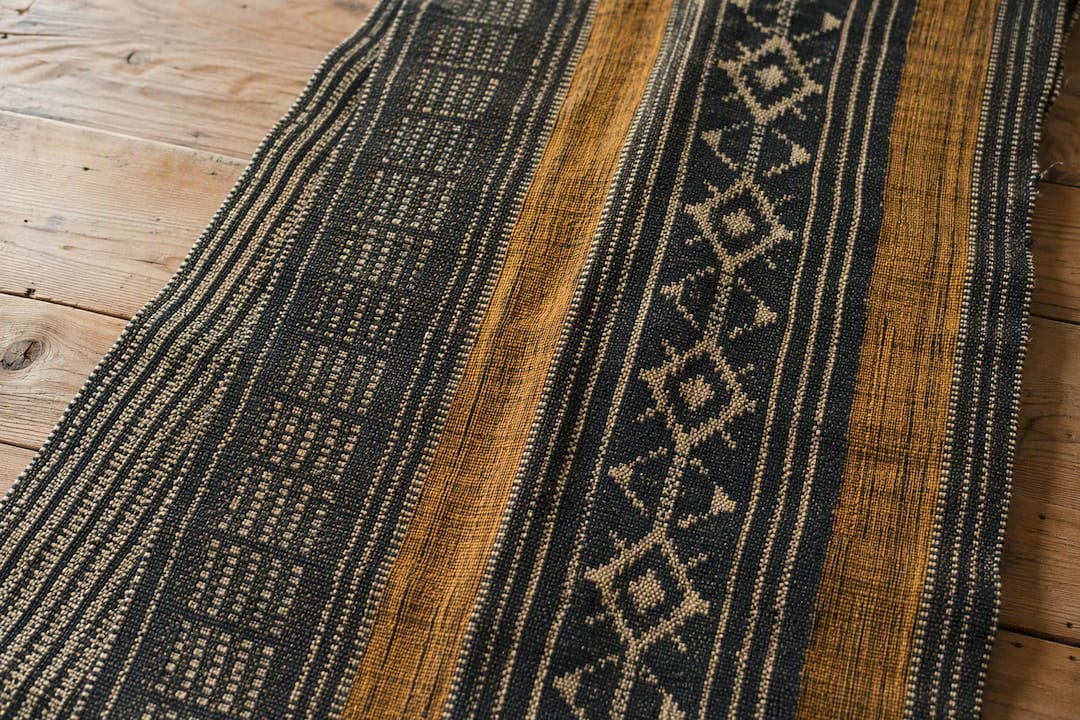
None of these regional standards are "more authentic" than another. What matters is whether a given tradition's own internal standard for time, training, and material discipline is being honored or shortcut. A garment built using authentic West African construction methods should be judged against the training and technique standards of that tradition, not against an unrelated benchmark borrowed from a different craft culture. Sena Nukunu's piece on heritage fashion and its meaning digs further into how cultural context shapes what "quality" even means within a specific tradition.
What Ethical Impact Comes From Supporting Handmade Artisans?
Every handmade purchase is a small economic decision with a real destination. Money spent with an individual maker or small workshop tends to stay closer to the community that produced it, supporting not just one person's income but often an entire apprenticeship pipeline underneath them.
That pipeline matters more than it might seem. A single skilled maker who can't find enough buyers to sustain their workshop often can't afford to take on an apprentice, and a technique that isn't being taught to a new generation quietly starts to disappear. Buying handmade, even occasionally, keeps that transmission chain intact.
There's also a fairness dimension worth naming directly. Ethical handmade production usually means the person who made your item was paid a fair rate for the actual time invested, rather than a fraction of a garment's retail price for high-volume, low-margin output. Ethical manufacturing practices in fashion specifically tend to correlate with smaller batch sizes and slower production timelines, which lines up neatly with the "refusal to scale" criterion. Choosing handmade over mass-produced isn't purely sentimental. It's a vote for a production model where the person doing the work sees a meaningful share of what you paid.
Why I Still Choose Handmade Over Mass-Produced
I still have a hand-dyed cloth from a small West African workshop that took nearly three weeks to finish. The dye pooled unevenly in one corner, a flaw a factory would have rejected outright. That imperfection is the whole point. It's proof a person, not a machine, made this decision in real time. Once you notice that kind of detail, you can't unsee it, and you start looking for it everywhere. Visit a maker this month, ask them one real question, and see what changes in how you shop.
Frequently Asked Questions
What is the simplest way to spot fake "handmade" claims? Ask how long the piece took and whether it can be repaired. Vague or evasive answers to either question are the clearest red flag.
Does craftsmanship always mean expensive? No. Price reflects materials, brand, and market positioning, while craftsmanship reflects technique, training, and time. The two overlap often but aren't the same thing.
Can appreciation for craftsmanship really be learned? Yes. Research on skill development shows craftsmanship recognition builds through deliberate exposure, meaning studio visits, maker conversations, and hands-on practice all sharpen your eye over time.
How do I start if I've never bought anything handmade before? Start small. Visit one local maker, ask them how they trained, and make one purchase you can hold as a reference point for future comparisons. Sena Nukunu's collection of West African statement pieces offers a grounded starting point built on documented artisanal methods and limited-quantity production.
Sources
- A practical guide to craftsmanship — Lucas and Spencer (Centre for Real World Learning, University of Winchester)
- What True Craftsmanship Means: A Definitive Guide to the World's Greatest Makers
- The 2026 American Craft Council Awards
- How to tell if furniture is high quality — Stickley blog