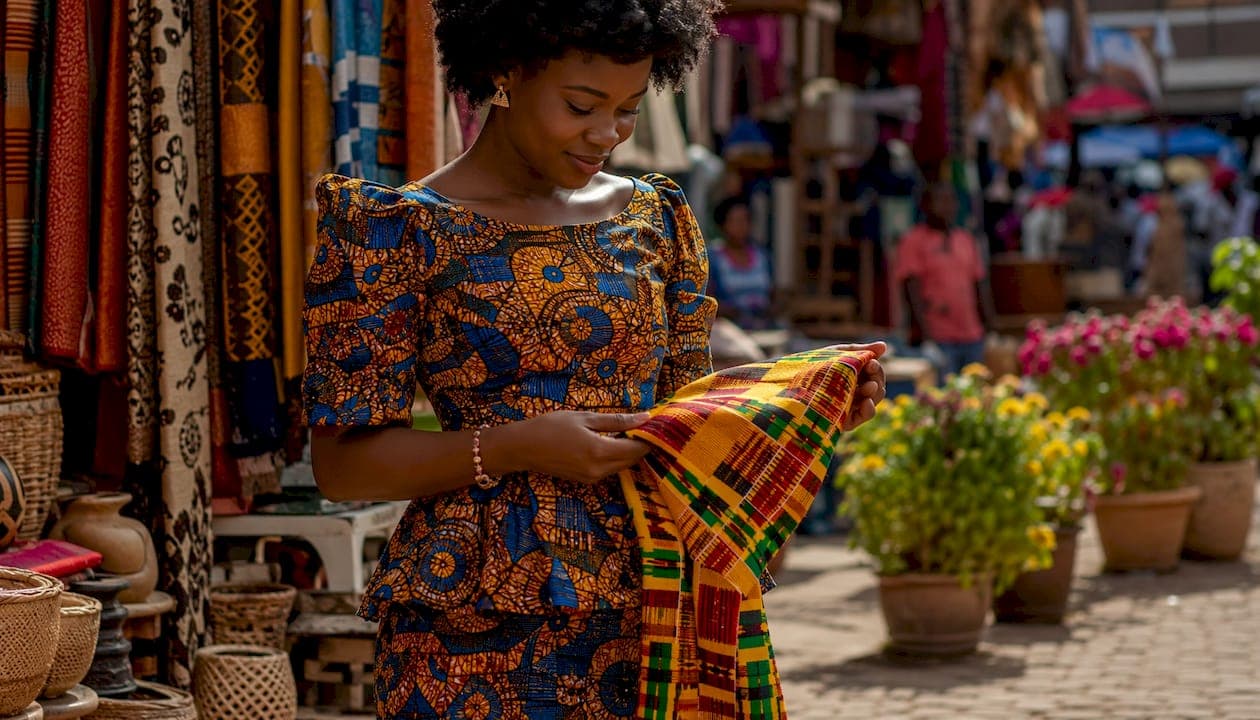
TL;DR:
- Confirm six key points before dressing, including dress code, venue, role, fabric, silhouette, and timeline. Use a context matrix to align outfit details with event location, purpose, and formality to ensure comfort and cultural authenticity. Senanukunu offers curated West African dresses and resources designed for effortless compliance and meaningful style.
Before you commit to any outfit, confirm six things: the stated dress code, venue specifics (flooring, lighting, temperature), your role at the event, fabric suitability for the occasion, silhouette and mobility fit, and your ordering or fitting timeline. Get all six right, and every other decision falls into place.
Quick Confirmation Checklist
- Stated dress code (formal, cocktail, casual, festive, themed)
- Venue details: indoor/outdoor, flooring type, expected temperature
- Your role: guest, organizer, speaker, or VIP
- Fabric: breathable and seasonally appropriate for the setting
- Silhouette: allows seated comfort, dancing, and photography
- Timeline: order placed, fitting scheduled, alterations complete
| Confirm First | Why It Matters |
|---|---|
| Dress code label | Sets formality ceiling for fabric and silhouette |
| Venue and flooring | Determines heel height and fabric weight |
| Your role | Organizers need mobility; speakers need camera-ready color |
| Order and fitting date | West African pieces often need a few weeks lead time |
Table of Contents
- Your Party Dress Code Checklist, Step by Step
- How the Context Matrix Helps You Build an Outfit Brief
- Fabric and Fit Rules for West African Party Wear
- Headwraps, Accessories, and Color Symbolism
- Ordering, Fittings, and Your Pre-Event Budget Checklist
- Quick Outfit Examples by Dress Code
- How to Handle Dress Code Conflicts While Staying Culturally Authentic
- Key Takeaways
- Wear Your Heritage with Intention
- Senanukunu Makes the Checklist Easier to Act On
- Useful Sources
Your Party Dress Code Checklist, Step by Step
Choosing the perfect outfit comes down to four decisions: understanding the dress code, matching the occasion tone, choosing fabric and silhouette for comfort, and accessorizing to complete the look. Here is how to turn each checklist item into a concrete action.
Dress code: Read the invitation carefully. "Festive" defaults to cocktail formality with seasonal color. "Dressy casual" means polished separates, not a gown. When the code is ambiguous, choose one level above your first instinct — a structured Ankara midi reads as elevated without being overdressed.
Venue: Ask the host about flooring before you finalize footwear. Lawn or gravel calls for block heels or embellished flats. A rooftop or ballroom supports a kitten heel or strappy sandal. Temperature matters too: a lined brocade piece in an outdoor July setting will feel oppressive by hour two.

Role: Organizers and hosts need full range of motion. Guests have more silhouette freedom. Speakers and VIPs should choose camera-ready colors and avoid prints that distort on video.
Ambiguous codes: A 14-code dress taxonomy covers everything from casual to white tie, including creative black tie and garden party. When a code falls outside the standard seven, default to the nearest formal neighbor and add one cultural accent — a structured gele or a statement collar — rather than guessing down.
Pro Tip: If you are the organizer or host, prioritize mobility above all else. A flowing wrap silhouette or a wide-leg set lets you greet guests, adjust décor, and dance without restriction.
How the Context Matrix Helps You Build an Outfit Brief
Professional stylists use a context matrix — dress code, location, and role — as the primary planning tool. Missing any one pillar causes fit or comfort failures, like heels sinking into grass or a structured bodice that prevents you from raising your arms during a toast.
The three pillars:
- Dress code sets the formality ceiling: fabric weight, hem length, and accessory scale
- Location determines practical needs: heel type, fabric breathability, and lining weight
- Role shapes silhouette priorities: mobility for organizers, visual presence for speakers
Three matrix examples:
- Cocktail at a rooftop bar (guest): Ankara-blend midi, block heel, small structured clutch, minimal headwrap fold
- Cocktail at a garden wedding (guest): Satin-trim kente wrap dress, wedge sandal, wide-brim gele, lightweight lining
- Semi-formal indoor gala (speaker): Cobalt brocade column dress, kitten heel, no headwrap (camera clearance), jewel earrings only
Your 10-minute outfit brief workflow:
- Write the dress code label and its nearest Western equivalent
- Note venue type and flooring
- Identify your role and its mobility or visibility demands
- Choose silhouette: column, wrap, A-line, or wide-leg set
- Choose fabric: weight, breathability, lining need
- Confirm footwear against flooring
- Add one cultural accent: headwrap, collar, or print treatment
Pro Tip: Keep the brief to five lines. Silhouette, fabric, footwear, headpiece, and one emergency item. Anything longer becomes a second-guessing loop.
Fabric and Fit Rules for West African Party Wear
Fabric choice is where cultural expression and dress-code compliance meet most visibly. Silk and satin blends, aso-oke, and structured brocade read as formal. Cotton-linen blends and unlined Ankara read as smart casual or below. A lined Ankara midi in a rich jewel tone crosses comfortably into cocktail territory.
Fit checklist before you commit:
- Shoulder seams sit at the edge of the shoulder, not drooping onto the arm
- Hem length works both standing and seated (test by sitting in the dressing room)
- You can raise both arms to shoulder height without the bodice pulling
- Lining prevents fabric from clinging or becoming sheer under event lighting
- Fabric breathes adequately for the venue's expected temperature
For speakers and VIPs, stylists recommend pure saturated colors — cobalt, emerald, ruby — and avoiding small, high-contrast patterns that create a moiré effect in photos and video. Larger Ankara motifs or solid-color brocade photograph cleanly and hold their richness on screen.
When mixing traditional fabrics with Western silhouettes, insist on full lining for structured pieces. An unlined aso-oke bodice loses its shape within an hour of wear. A formal attire fit check also applies here: sleeve length, jacket hem, and trouser break all affect how a tailored West African piece reads in a formal room.
| Fabric | Formality Level | Best Silhouette |
|---|---|---|
| Silk/satin blend | Formal to black tie | Column, A-line gown |
| Brocade/aso-oke | Semi-formal to formal | Structured midi, peplum top |
| Lined Ankara | Cocktail to semi-formal | Wrap midi, flared skirt |
| Cotton-linen blend | Casual to smart casual | Shift dress, wide-leg set |
Headwraps, Accessories, and Color Symbolism
A gele or headwrap is not decoration — it is a statement of cultural presence, and its scale and stiffness signal formality as clearly as fabric weight does. A tightly wrapped, structured gele in aso-oke or stiff net reads as formal to black-tie. A softer, draped wrap in cotton or jersey reads as smart casual. For cocktail events, a medium-height fold in satin or brocade hits the right register.
Accessory and color guidance:
- Jewel tones (cobalt, emerald, deep plum, burnt orange) photograph well and hold formality across all lighting
- Reserve metallics, sequins, and bright accents for cocktail level and above; avoid them for smart casual or below
- Jewelry should complement the textile, not compete with it: one statement piece (earrings or a collar necklace) per look
- Makeup: a defined lip or a sculpted eye, not both simultaneously, keeps the focus on the garment
For festive African dress and celebration wear, color carries meaning. Gold signals prosperity and royalty in many West African traditions; white is often reserved for mourning or spiritual ceremonies. When wearing symbolic motifs at someone else's cultural event, ask a trusted community member whether the print or color carries a specific meaning for that occasion.
Pro Tip: When in doubt about headwrap height for a formal event, choose a medium-height fold over a towering style. It reads as intentional and polished without competing with the venue's aesthetic.
Ordering, Fittings, and Your Pre-Event Budget Checklist
A 7-day event-prep plan keeps last-minute panic off the table: revise your concept at day 7, source any missing items at day 5, do a full dress rehearsal at day 3, and steam the garment plus pack your SOS kit on day 1.
Fitting appointment checklist — bring these:
- The shoes you plan to wear (heel height changes hem length)
- The undergarments you will wear (affects silhouette and lining feel)
- Your headwrap or gele (affects neckline and earring choice)
- A list of seated and standing hem preferences
Budget ranges for U.S. buyers:
- Ready-to-wear West African dresses: typically $80–$300 depending on fabric and construction
- Custom tailoring: varies widely by tailor and complexity; budget additional time for fittings
- Common alterations (hem, waist take-in, strap adjustment): typically $20–$80 per alteration at U.S. tailors
For dress fittings and tailoring workflows, plan at least two appointments: one for initial fit and one for final check after alterations. Ready-to-ship pieces from U.S.-based West African brands often ship within a few business days, but allow several weeks total when alterations are needed.
SOS kit for event day: safety pins, transparent bandages (blister prevention), blotting papers, a small fabric steamer or wrinkle-release spray, and double-sided fashion tape.
Quick Outfit Examples by Dress Code
The table below maps seven common dress codes to West African silhouettes, fabrics, and accessories.
| Dress Code | Silhouette | Fabric Signal | Headpiece | Venue Context |
|---|---|---|---|---|
| Casual | Shift dress or wide-leg set | Unlined Ankara, cotton blend | Soft wrap or none | Backyard, birthday |
| Smart casual | Flared midi or tailored separates | Lined Ankara, cotton-linen | Draped jersey wrap | Rehearsal dinner, casual reception |
| Cocktail | Wrap midi or structured A-line | Satin-Ankara blend, brocade | Medium-height gele | Evening wedding, upscale party |
| Semi-formal | Column midi or peplum set | Brocade, aso-oke blend | Structured gele | Anniversary, graduation gala |
| Formal/Black tie | Floor-length gown or elevated midi | Silk, heavy brocade | Tall formal gele or none | Charity gala, formal wedding |
| Festive/Theme | Cocktail silhouette with accent | Velvet, metallic Ankara | Statement wrap | Holiday party, themed celebration |
Two "how to adapt" notes:
- Pair a tailored Ankara blazer with a satin midi and block heels for a smart-casual-to-cocktail crossover that reads as intentional and culturally grounded.
- For a wedding guest outfit, layer a sheer embroidered overlay over a solid-color column dress to add formality without changing the silhouette.
Pro Tip: The 80/20 rule works well here: let 80% of the look follow the dress code's fabric and length expectations, and use the remaining 20% for cultural expression — a print, a headwrap, or a statement collar.
How to Handle Dress Code Conflicts While Staying Culturally Authentic
The most common conflict is a Western dress code that seems to exclude traditional West African elements. It does not. Dress codes set formality parameters, not cultural ones. A black-tie dress code requires floor-length or elevated-midi length and formal fabric — it says nothing about print, textile origin, or headwear.
When a dress code feels restrictive, work within its formality parameters and express culture through fabric choice, color, and accessories. A floor-length aso-oke gown meets black-tie requirements. A structured gele in formal net is as appropriate as a Western updo. The key is matching the formality signal — weight, length, finish — not erasing the cultural one.
If an invitation explicitly restricts color (all-white parties, for example) or specifies a theme that conflicts with a garment's cultural symbolism, reach out to the host directly. Most hosts are grateful for the question, and the conversation often opens space for a respectful adaptation. Elegant understatement, as one styling guide puts it, serves better than either erasing your identity or ignoring the event's tone entirely.
Key Takeaways
Confirming dress code, venue, role, fabric, silhouette, and timeline before you shop is the single step that prevents every last-minute outfit crisis.
| Point | Details |
|---|---|
| Six-item confirmation | Check dress code, venue, role, fabric, silhouette, and timeline before committing to any outfit. |
| Fabric signals formality | Silk, brocade, and aso-oke read formal; unlined Ankara and cotton blends read casual to smart casual. |
| Camera-ready color | Speakers and VIPs should choose saturated solids; avoid small high-contrast patterns that create moiré. |
| Headwrap formality scale | Structured gele height signals formality; a soft draped wrap suits smart casual and below. |
| Senanukunu ready-to-wear | Senanukunu offers curated West African dresses and styling resources sized for U.S. celebration wear. |
Wear Your Heritage with Intention
There is a particular kind of confidence that comes from knowing your outfit honors both the event and your cultural story. That is the philosophy behind every piece Senanukunu curates: not fashion for fashion's sake, but clothing that carries meaning, craftsmanship, and pride in equal measure. The checklist in this article is not about constraint — it is about giving you the clarity to show up fully, dressed in something that speaks before you say a word. Senanukunu's styling blog covers fitting workflows, Ankara selection guides, and celebration wear advice for U.S. events, so the resources are there when you need them.
Senanukunu Makes the Checklist Easier to Act On
Every item on this checklist — fabric, fit, formality, timeline — is something Senanukunu has already thought through for you. The brand's curated collection of West African party dresses includes ready-to-ship pieces in brocade, satin-Ankara blends, and structured sets, all sized and finished for U.S. celebrations. Each piece is crafted with the kind of intentionality that makes dress-code compliance feel effortless rather than limiting.
Whether you need a cocktail-ready wrap midi or a formal column gown with cultural depth, Senanukunu's collections are a practical starting point. Browse the shop, use the styling blog as your fitting guide, and arrive at your next celebration wearing something that means something.
Useful Sources
- How to choose an outfit for an event without stress — MioLook: context matrix, 7-day prep plan, and SOS kit list
- How to pick the right outfit for any event — All Cotton and Linen: four-step outfit framework and fabric-by-formality guidance
- Dress codes explained: 7 main codes — Fashion Informed: dress-code matrix with length, fabric, and venue context
- Dress code guide: all types explained — Discover Fashions: expanded 14-code taxonomy including themed and creative black tie
- Attire guide: dress codes from casual to white tie — Emily Post: authoritative dress-code definitions and etiquette standards
- Formal attire for events checklist — Brabion: fit checklist for structured formal pieces
- Senanukunu styling blog and shop: fitting workflows, Ankara guides, and curated West African celebration wear for U.S. buyers