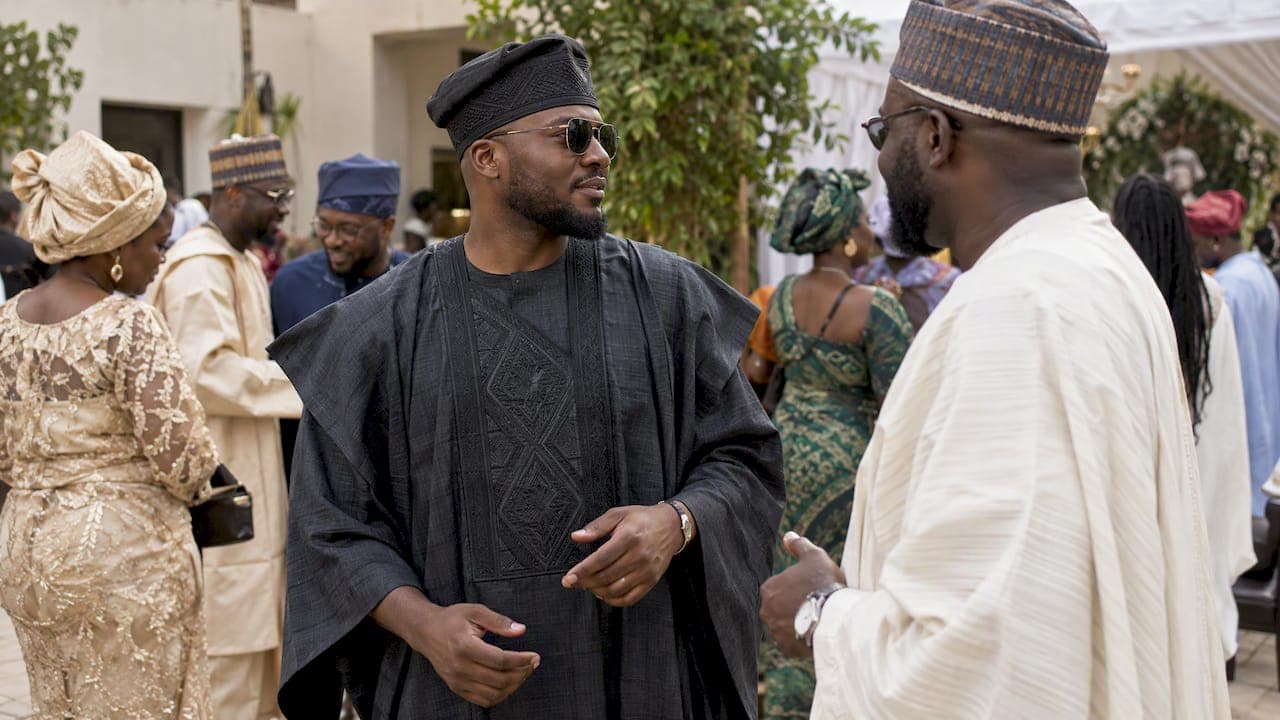
If you have been invited to an African wedding, the safest and most respectful choice is a well-fitted piece of traditional attire in a color that does not compete with the groom: a kaftan, a native suit or an agbada in navy, burgundy, deep green or an earth tone. Wear the family's coordinated fabric if one was requested, choose breathable cloth, and finish with a cap, shoes and one or two quiet accessories. Below, we walk you through each choice, so you arrive confident, comfortable and honored to be there.
TL;DR
- Traditional attire is welcome, and at many West African ceremonies it is expected. Men commonly wear agbada, kaftan or a native suit.
- If the invitation names an aso ebi (family fabric), buy it and wear it. It is a sign that you belong to the celebration.
- Skip an all-white agbada unless you are in the groomsmen circle. Navy, burgundy and earth tones are safer.
- Pick breathable, flexible fabric, especially if there will be greetings that involve bending low to elders.
- When the dress code is unclear, ask the couple or a family member. It is always welcome.
Table of Contents
- Start with the invitation, not the closet
- Understanding aso ebi
- The main outfit options for men
- Quick comparison
- Colors: what works and what to avoid
- Fabric and comfort: choose what you can move in
- The finishing details
- Wearing it as a guest in the U.S.
- Our perspective: wear the story, not just the outfit
- Find your wedding guest look with us
- A simple planning checklist
- FAQ
- Sources
Start with the invitation, not the closet
African weddings are not one tradition. West Africa alone holds Yoruba and Igbo ceremonies in Nigeria, Ghanaian engagements with kente, Senegalese boubous, and many more. A wedding in Atlanta between two Nigerian families will not look like a Ghanaian ceremony in Houston, and neither will look like a North African wedding, which is often Muslim and calls for conservative dress with no bare arms or legs in the mosque.
Before you shop, look for three clues:
- The dress code line. Words like "traditional attire," "African formal" or "aso ebi" tell you the couple wants cultural dress.
- The ceremony type. A traditional engagement or naming of the families is usually the most colorful event. A white wedding or church ceremony may be closer to a formal suit, with some guests adding African fabric.
- The time and place. Evening receptions lean dressier. Outdoor summer events call for lighter cloth.
If the invitation says nothing, message the couple or a relative. Nobody has ever been offended by a guest who cared enough to ask.
Understanding aso ebi
Aso ebi translates to "family clothes." It is a coordinated fabric chosen by the couple or their families and worn to visually mark guests connected to the couple. When it is included with your invitation, buying and wearing it is part of the etiquette, not an optional extra.
In practice:
- You usually purchase the fabric from the family or a designated seller, then have it sewn by your own tailor or a maker you trust.
- Order early. Custom sewing takes time, and the wedding date will not move.
- Keep the style of the garment your own. Two men in the same fabric can wear a kaftan, a native suit or an agbada.
- If you were not asked to buy aso ebi, do not copy it. Choose a coordinating color instead and let the family's circle stand out.
We have written more on color and coordination in our guide on aso ebi and color rules, which applies the same logic to other family occasions.
The main outfit options for men
Agbada: the kingly choice
The agbada is a wide, flowing robe worn over a matching tunic and trousers. It is the garment most people picture when they think of formal West African menswear, and it carries a sense of dignity that few suits can match. Embroidery at the neck and chest does much of the talking, so you rarely need more than a cap and good shoes.
Two cautions. First, the fit at the shoulder matters more than the length of the sleeve, and we explain why in our piece on how to wear an agbada for the first time. Second, be mindful of color. There is a strong etiquette rule against wearing an all-white agbada that rivals the groom, unless you have been designated to wear white as part of the groomsmen. Navy, burgundy, forest green and earth tones are elegant and safe.
For ideas on cuts and embroidery, see our edit of men's agbada looks for U.S. buyers.

Kaftan and native suit: the easy elegance
A kaftan is a long or knee-length tunic worn with matching trousers. It is lighter and simpler than an agbada, so it is a good first piece if you are new to traditional attire, or if the weather is warm. A native suit, sometimes called a senator style in Nigeria, has a clean, buttoned top and straight trousers with little ornament. Both read as formal without feeling heavy, and both work well as a guest outfit when you do not want to be the most dressed man in the room.
Dashiki and printed sets
Printed sets in ankara or similar cotton prints are lively and fun, and they suit daytime events, engagement parties and casual receptions. For a formal ceremony, a solid or subtly textured fabric usually looks more polished than a bold wax print across the whole body. If you love print, consider a solid kaftan with a printed cap or a printed pocket detail.
A suit with African touches
If you are not sure about full traditional dress, a tailored suit is a respectful middle path. A well-tailored navy suit in lightweight wool, a crisp white shirt and a conservative tie is the fail-safe for ambiguous dress codes, though not for a strict black-tie event, where a tuxedo is required. From there, add a kente or aso oke pocket square, a stole, or a cap to show your heritage or your respect for the couple's.
Quick comparison
| Outfit | Formality | Best for | Heat level | Watch out for |
|---|---|---|---|---|
| Agbada set | High | Traditional ceremony, evening reception | Warmer, three layers | All-white, which competes with the groom |
| Kaftan with trousers | Medium to high | Most guest situations, summer | Light | Fabric too sheer or too wrinkled |
| Native suit | Medium to high | Office-friendly formal, church weddings | Light to medium | Overly casual cotton |
| Printed dashiki set | Casual to medium | Engagement parties, daytime events | Light | Too loud for a formal ceremony |
| Tailored suit with African accents | Medium to high | Mixed or unclear dress codes | Medium | Black tie requires a tuxedo |
Colors: what works and what to avoid
Couples often choose a color palette for the day, and guests in aso ebi may be dressed to match it. Outside of that, here is how we think about color.
- Navy, burgundy, deep green, chocolate and gold-toned earth shades are rich, flattering on most skin tones and unlikely to clash with the couple.
- White and cream are best left to the groom, his party and the bride. Treat them as theirs.
- Bright, bold colors can be wonderful at a traditional engagement, where the room is meant to glow. Look at the invitation's color note first.
- Black is a question many guests ask. Modern etiquette says black is acceptable at a wedding, even in the evening. The practical caveat is heat: black absorbs it, so for an outdoor daytime event choose lighter, breathable cloth or plan for water and shade. At some traditional ceremonies, a family may prefer festive colors, so a note from the couple helps. If you are weighing a black shirt against a white one, this comparison of black and white shirts covers how each looks and wears in the heat.
Fabric and comfort: choose what you can move in
The best-looking outfit is the one you forget you are wearing. Traditional weddings can run for hours, with dancing, greeting lines and long meals.
One point from practitioners is worth remembering. At traditional Yoruba ceremonies that include prostration, a deep gesture of respect to elders, stiff and heavy cloth like thick brocade or heavy aso oke in the trousers is a common pitfall. Softer, breathable fabrics such as high-grade cotton are suggested for the inner tunic and trousers, so you can bend comfortably.
A few practical rules:
- Try the full outfit, sitting, bending and raising your arms, before the day.
- If you wear an agbada over a tunic, make sure the trousers have room in the knee.
- For summer weddings, lean on cotton, lightweight lace-free cloth and linen blends. Keep rich, heavy embroidery for cooler months.
- Steam the garment the night before. Creases read as carelessness in a room full of crisp fabric.
The finishing details
The cap
The fila cap is more than an accessory. It should complement the color and texture of the main garment, and traditionally it is worn with a slight tilt to one side, which signals deliberate style rather than sitting squarely on the head. Match the cap's tone to your outfit, or pick a deeper shade of the same color for contrast.

Shoes
Polished leather loafers, slip-ons or sleek dress shoes are the usual choice. Avoid sneakers at formal ceremonies, and remember that you may remove your shoes in some homes, so wear clean socks.
Jewelry and accessories
Less is more. A watch, a simple bracelet, a ring, or a set of beads can add a note of personality. If you want ideas on choosing pieces that suit the formality of the event, this guide to jewelry for any occasion is a helpful reference. Let the embroidery and the cap be the focus, and let one accessory support them.
Wearing it as a guest in the U.S.
Many American wedding guests are attending an African ceremony for the first time, or attending a wedding where families blend traditions. Some things to keep in mind:
- Order sooner than you think. Ready-to-ship pieces help if the invitation arrives late, but check sizing and shipping times before you commit.
- Know your tailor. Even a well-made agbada or kaftan benefits from a final nip at the sleeve or hem.
- Dress for the venue. A ballroom in January and a garden in July need different layers.
- Honor the culture. Wearing the attire as a guest is welcome when it is done with care. Ask questions, learn the names of the garments, and follow the family's lead on color and coordination.
If the event is formal in the evening, our look at African-inspired evening silhouettes for black tie explains how to bring cultural pieces into a dressy setting. Attending as a couple? Our guide to coordinated couples' African outfits shows how to match without wearing identical sets. Going to a Ghanaian ceremony? Start with our notes on Ghanaian wedding guest attire, and for a wider overview see what to wear as a West African wedding guest.
Our perspective: wear the story, not just the outfit
We started Sena Nukunu because West African fashion is about far more than a beautiful surface. Every garment carries the hands that cut it, the cloth that was chosen for it, and the occasions it was made to mark. A wedding is one of those occasions where all of that comes together in one room.
When a man arrives in a thoughtfully chosen agbada or kaftan, he tells the couple that he understands the day matters. That is why we focus on ethical production, artisan craftsmanship and limited quantities. A piece made with care tends to fit with care, and it is more likely to become something you reach for again at the next celebration.
Our advice to any guest is simple. Choose a color that honors the couple. Choose a cut that lets you move, greet and dance. Choose a piece that feels like you, because confidence is the best accessory in the room. And if you are not sure, ask. The families we know would rather answer a question than see a guest feel out of place.
— Sena
Find your wedding guest look with us
If you would like a piece made with intention, explore our Men's Agbada Ensembles and Men's Heritage collections, or browse the full range on our collections page. You can also preview what is arriving next in our Sneak Peek. Our pieces are made in limited quantities, so a style you love may not stay available for long.
A simple planning checklist
- Read the invitation and note the dress code, colors and any aso ebi request.
- Ask the couple or family if anything is unclear.
- Decide on your base garment: agbada, kaftan, native suit or tailored suit with African accents.
- Choose a color that does not compete with the groom.
- Select breathable, flexible fabric for the weather and the ceremony.
- Confirm sizing and any tailoring at least a few weeks ahead.
- Add the cap, shoes and one simple accessory.
- Try everything on together and steam it the night before.
FAQ
Is it appropriate for a man to wear black to an African wedding?
Usually yes. Current etiquette guidance says black is a suitable shade for any wedding dress code. At a traditional ceremony, the family may be hoping for festive colors, so check the invitation or ask. In hot weather, choose lighter cloth or a breathable fabric.
What is a traditional African outfit for men called?
There is no single name, because it depends on the region. In West Africa, men often wear an agbada, a kaftan or a native suit. Ghanaian ceremonies often feature kente, and Senegal and Mali are known for the boubou.
Can I wear a regular suit to an African wedding?
Yes, in most cases, particularly at a church ceremony or a mixed-culture wedding. A navy suit with a white shirt is a reliable choice, and you can add an African pocket square or cap as a respectful nod. If the invitation asks for traditional attire or aso ebi, follow that request instead.
Do I have to buy aso ebi?
If it is included with your invitation, then yes, wearing it is expected because it identifies you as part of the couple's circle. If you were not offered it, you are not required to wear it. Choose a coordinating color and let the family's group stand out.
Sources
- What To Wear To A Wedding As Male Guest In Nigeria, African Things
- What Do Guests Wear to Nigerian Weddings?, Guardian Nigeria
- African Wedding Customs to Know As a First-Time Guest, WeddingWire
- What to Wear to a Summer Wedding 2026: The Complete Men's Guide, Nathan Tailors
- Your Complete Guide to Summer Wedding Guest Etiquette, Paperless Post