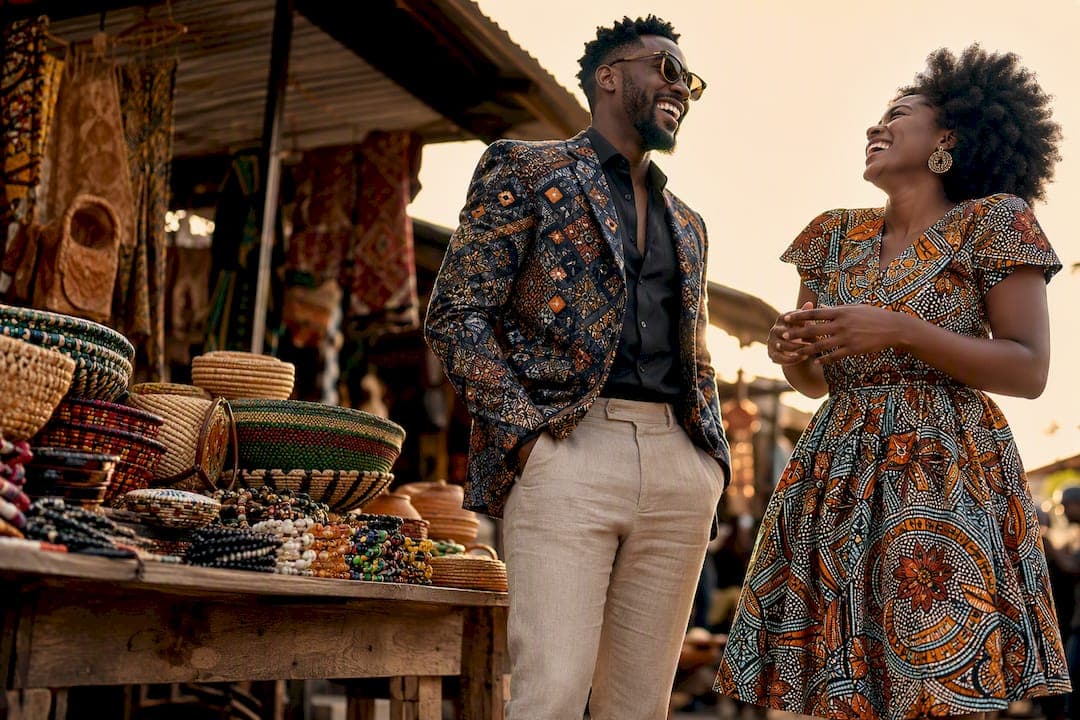
For most couples planning a wedding, an Aso Ebi celebration, or a family photo session, the fastest path to a polished look is an identical-print Ankara set. If you want something more subtle for a formal dinner or a fusion event, coordinate through color and fabric instead of matching print for print. Either way, Senanukunu is a strong place to start browsing authentic, ethically made West African ready-to-wear sets built for exactly this kind of pairing.
Before you order anything, keep three things in mind:
- Match the occasion first. Aso Ebi weddings usually call for identical or family-assigned fabric; dinner parties and semi-formal events favor coordinated solids with printed accents.
- Confirm measurements early. Sizing varies between makers, so both partners should be measured before you place any order.
- Build in lead time. Tailoring, dyeing, and shipping take longer than off-the-rack fashion, so start weeks ahead of your event date, not days.
Key Takeaways
The right coordinated look starts with reading the occasion correctly, then choosing fabric, fit, and a transparent maker before worrying about matching prints.
| Point | Details |
|---|---|
| Match the occasion first | Identical Ankara sets suit Aso Ebi and photos; complementary coordination suits formal events. |
| Respect color etiquette | Avoid white unless the invitation allows it, and confirm Aso Ebi fabric with the host in advance. |
| Measure both partners early | Submit chest, waist, hips, shoulder, sleeve, and length measurements before ordering custom pieces. |
| Vet sellers before paying | Ask for swatches, real customer photos, written lead times, and an alteration policy. |
| Choose transparent, ethical makers | Senanukunu offers U.S.-based, limited-quantity West African ready-to-wear built for coordinated couple sets. |
Table of Contents
- Which Couples African Outfits Styles Work Best?
- How Do You Choose Fabric, Color, and Occasion Etiquette?
- What Sizing and Tailoring Steps Should Couples Follow?
- Where Should You Buy Matching African Outfits?
- Why Trust This Guide on Coordinated African Outfits?
- What Actually Matters Most When Matching African Outfits?
- Get Your Coordinated Look From Senanukunu
- Sources
Which Couples African Outfits Styles Work Best?
The strongest coordinated looks fall into five families, and picking the right one depends on your event's formality, your comfort with pattern, and how much you want to lean into tradition versus fusion. Here's how to sort through them.
1. Identical-print Ankara sets
This is the classic, photo-ready choice, and it's the one most people picture when they hear "couples African outfits." Both partners wear garments cut from the same Ankara fabric, often a his-and-hers pairing like a fitted dress for her and a matching shirt or agbada-style top for him. It reads as a unit in photographs, which is exactly why it dominates family-coordinated events, engagement shoots, and Aso Ebi weddings where guests are assigned a specific cloth.
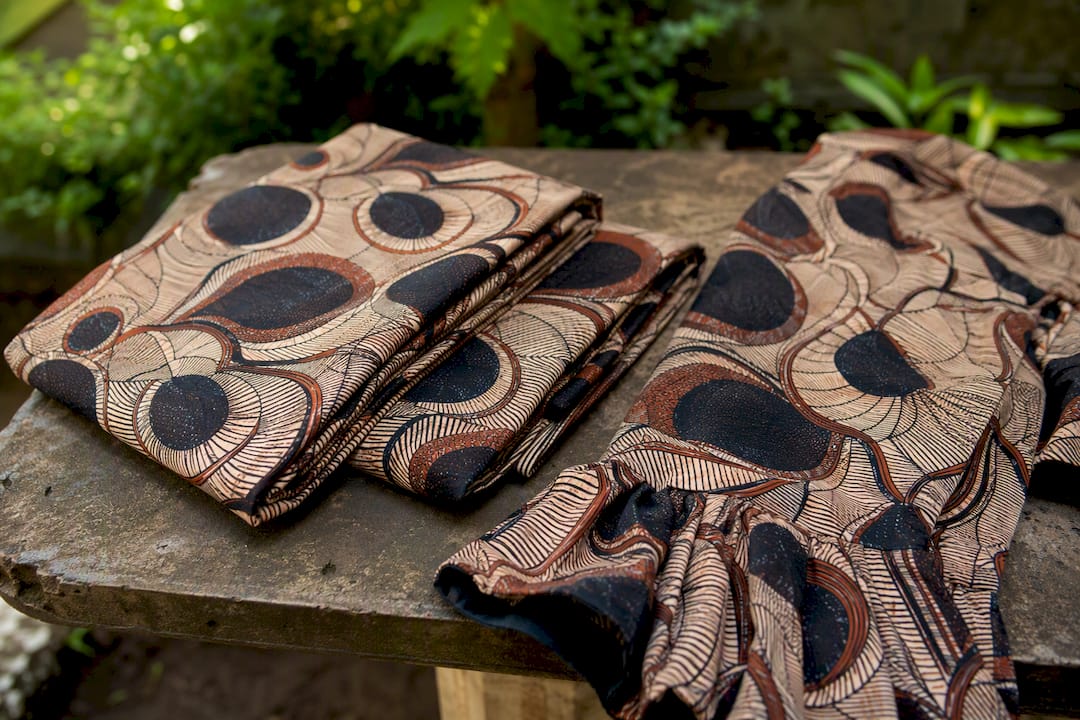
The trade-off is visual repetition. Two people in the exact same print, cut the same way, can flatten into a costume rather than a statement. The fix is simple: vary silhouette and scale even when the fabric matches.
Pro Tip: When both of you wear the same print, put it on different shapes, a fitted dress on one partner and a flowing tunic or wide-leg trouser on the other. The print still reads as matching in photos, but the outfit avoids looking like a uniform.
2. Complementary coordination
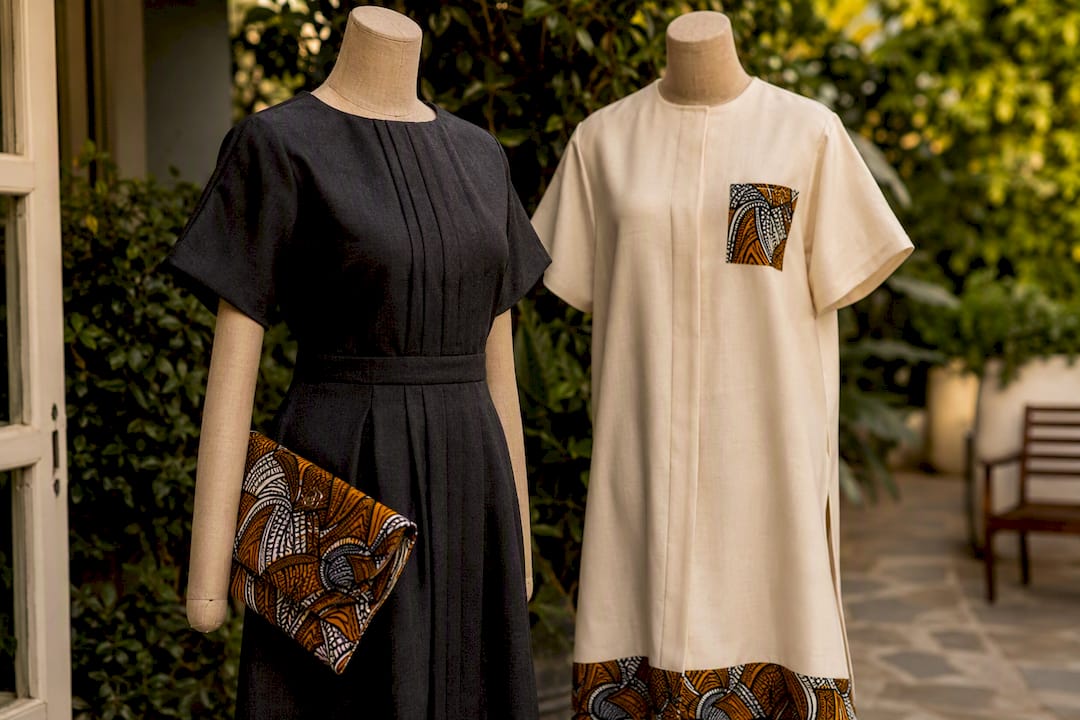
Instead of identical fabric, this approach pairs a solid, neutral base (charcoal, cream, deep jewel tones) with printed accents, a pocket square, a wrap, a clutch, or a lining detail in the same Ankara or Kente. Stylists writing about African dinner party attire consistently recommend this exact balance: bold print used as punctuation, not as the whole sentence. It reads as more formal and more versatile, which makes it the better call for cocktail receptions, rehearsal dinners, or any event where "traditional but polished" is the goal rather than "traditional and loud."
3. Traditional regalia
Agbada, boubou, and Kente-based ensembles carry the most cultural weight of any option on this list, and they're the right choice when the occasion calls for it explicitly, a traditional wedding ceremony, a naming ceremony, a cultural festival. These pieces are typically custom-made or made-to-measure rather than pulled off a rack, and the fabric itself often signals status, family lineage, or region. Fashion coverage of 2026 wedding trends notes a shift toward shortened Agbada proportions and more architectural silhouettes, a sign that even the most traditional garments are being reworked for movement and modern tailoring without losing their symbolism.
4. Contemporary fusion
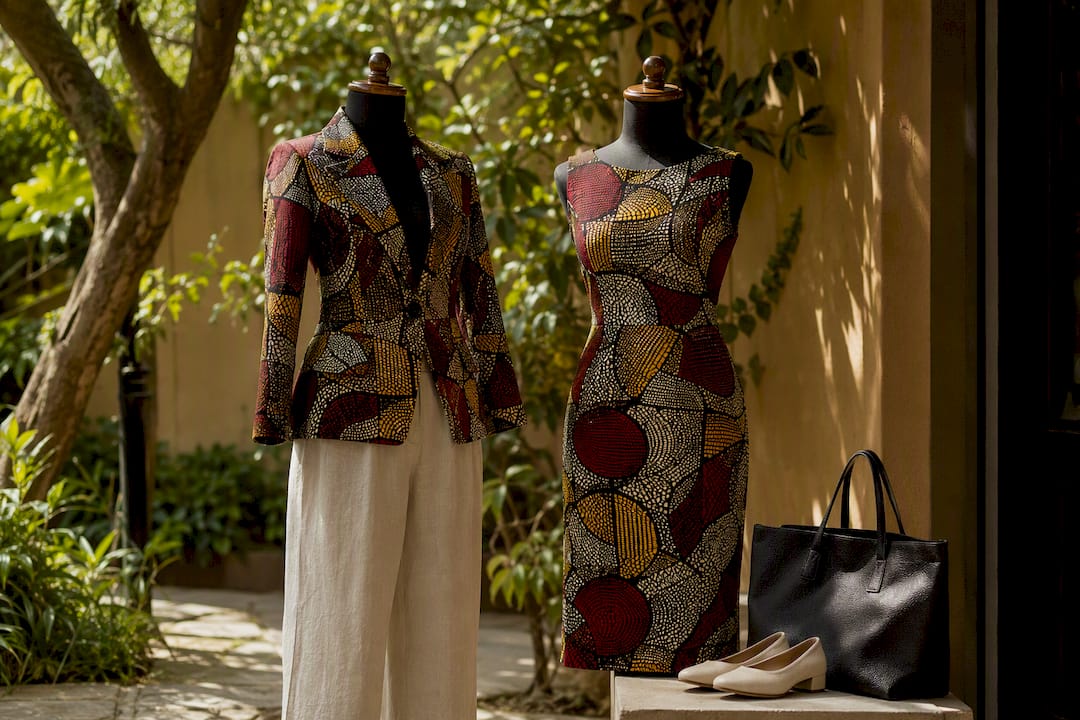
Western silhouettes built from African fabric, structured blazers, column gowns, jumpsuits, tailored two-piece suits, let couples show cultural pride without wearing a full traditional set. This is often the easiest entry point for couples who want authenticity but also want something they'd wear again outside of one event. A tailored Ankara blazer paired with plain trousers, worn opposite a fitted Ankara sheath dress, hits both marks: recognizable coordination, zero costume feeling.
5. Casual coordinated looks
For daytime parties, birthday celebrations, or informal family gatherings, matching doesn't need to mean formalwear at all. Coordinated Ankara separates, a print top with denim, a wrap skirt with a solid blouse, deliver the same visual unity at a fraction of the formality and cost. If you're shopping for something in this category, birthday and party-specific styling advice is worth a look before you commit to a full formal set you'll only wear once.
How Do You Choose Fabric, Color, and Occasion Etiquette?
Getting the outfit right isn't just about print and silhouette. It's about reading the event correctly before you buy anything, because the wrong color or fabric choice can be a genuine etiquette misstep, not just a style one.
Start with a short occasion checklist:
- Is there an assigned Aso Ebi fabric? If so, that decision is already made for you, confirm the cloth and color with the host before ordering anything else.
- What does the dress code actually say? "Traditional," "fusion," and "formal" call for very different garments, and confusing them is one of the most common mistakes guests make.
- Is white off the table? Guidance on African wedding guest attire is consistent on this point: avoid white unless the invitation specifically says otherwise, since it's traditionally reserved for the couple being celebrated.
- Are all-black looks appropriate? Context matters here; some celebrations treat black as elegant formalwear, others associate it with mourning, so check before assuming.
Fabric primer:
| Fabric | Best for |
|---|---|
| Ankara | Identical-print sets, casual coordination, bold statement pieces |
| Kente | Accent pieces, formal traditional ceremonies, symbolic occasions |
| Lace | Formal weddings, elevated evening events |
| Shweshwe | Traditional ceremonies, structured tailoring |
| Organza | Layered formalwear, occasions calling for volume and shine |
That fabric breakdown mirrors what stylists covering African wedding dress codes consistently recommend, Ankara and Kente for boldness, lace and organza for formal polish, Shweshwe for structure. Color choices matter almost as much as fabric. Jewel tones and gold are widely treated as celebratory, appropriate choices for weddings and milestone events, while stark white stays reserved for the couple at the center of the occasion.
Accessories do a lot of quiet work here. A shared headwrap fabric, matching beadwork, or coordinating footwear can tie two otherwise different outfits together without forcing an identical-print match. Before you commit to any seller or tailor, ask directly: Can I see fabric swatches? What's the actual lead time? Is there a written alteration or return policy? A maker who can't answer these clearly, or who avoids sending real customer photos, is a red flag worth taking seriously before your money and your timeline are on the line.
What Sizing and Tailoring Steps Should Couples Follow?
Getting fit right starts with accurate measurements for both partners, taken separately, before you place any order. At minimum, you need chest or bust, waist, hips, shoulder width, sleeve length, and full garment length. Skipping any one of these is the single most common reason couples receive garments that don't sit right, especially on structured pieces like agbada tops or fitted sheath dresses.
- Measure both partners individually. Don't estimate off a standard size chart; West African garment sizing varies meaningfully between makers, so submit real numbers.
- Decide ready-to-wear versus custom. Ready-to-wear is faster and often cheaper, ideal if you fit standard sizing closely. Custom tailoring costs more and takes longer but solves fit problems ready-to-wear can't, particularly for structured traditional pieces.
- Build in a realistic timeline. Custom orders typically need real lead time between order and event date. Start the process the moment your event date is set, not a few weeks out.
- Plan for a fitting and adjustment window. Even well-measured custom pieces sometimes need small alterations on arrival, so build a buffer before the event rather than expecting a perfect fit on day one.
- Confirm everything in writing before you pay. Request photos of the actual fabric, get your measurements confirmed back to you in writing, and get lead time and alteration policy in the same message thread.
Pro Tip: Photograph your measuring tape against a ruler when you send measurements to a remote tailor. It sounds unnecessary, but it eliminates the single most common source of sizing disputes: a stretched or worn tape giving inaccurate numbers.
Where Should You Buy Matching African Outfits?
Four main channels sell coordinated couples' outfits, and each comes with a different trade-off between price, uniqueness, and risk.
- Direct ethical brands offer curated, limited-run pieces with clear sourcing and consistent quality control, but selection is narrower and pieces sell out.
- Curated boutiques carry a wider mix of styles and price points, though quality and ethical sourcing can vary significantly between vendors.
- Custom tailors deliver the most unique, fitted result and are often the right call for traditional regalia, but timelines run longer and outcomes depend heavily on the individual maker's skill.
- General marketplaces offer the broadest range and lowest prices, but authenticity, fabric quality, and sizing accuracy are far less consistent, and returns can be difficult.
Whichever channel you choose, run the same checks: ask for fabric swatches before committing, look for real customer photos rather than only studio shots, and get lead time and return or alteration policy stated in writing. If a seller can show you photos of the actual artisan workshop or explain where the fabric comes from, that's a meaningfully stronger signal than a generic "authentic African fabric" product description.
Senanukunu fits into this landscape as a U.S.-based, direct-to-consumer option built specifically around ethical manufacturing and limited-quantity ready-to-wear pieces, curated collections rather than an open marketplace, with the kind of production transparency that harder-to-vet sellers often can't offer.
Why Trust This Guide on Coordinated African Outfits?
This guide draws on published styling and etiquette coverage from outlets that specialize in African wedding and celebration dress, cross-referenced with practical sourcing and sizing realities that come up constantly for couples shopping for coordinated pieces.
Senanukunu's own approach lines up with the standards this guide recommends:
- Ethically produced, West African-inspired ready-to-wear, made in limited quantities rather than mass runs.
- U.S.-based operations with direct-to-consumer ordering, no third-party marketplace layer between you and the maker.
- A curated collection of dresses, kaftans, agbada sets, and matching statement pieces designed with couple-coordination in mind.
The details that matter most when you're buying sight-unseen aren't glamorous: real fabric swatches, a maker who states lead times upfront, and a clear policy if something doesn't fit. Brands that volunteer this information before you ask are the ones worth trusting with a formal-event order.
If you're evaluating any seller, West African-owned or otherwise, hold them to that same bar: transparency about sourcing, honesty about timelines, and a real answer when you ask about alterations.
What Actually Matters Most When Matching African Outfits?
Most advice on this topic focuses too heavily on finding the "perfect matching print" and not nearly enough on formality and timeline, which are the two things that actually derail couples' outfits. An identical Ankara set at a strictly formal, lace-and-organza wedding will look out of place no matter how beautiful the fabric is. Read the dress code before you fall in love with a print.
The other blind spot is timing. Couples routinely underestimate how long custom tailoring takes, especially for structured pieces like agbada tops, then scramble two weeks out and settle for whatever fits off the rack. Confirming measurements and placing your order early does more for how you'll look and feel on the day than any styling decision.
If there's one thing worth prioritizing above matching print or trend chasing, it's choosing a maker who's transparent about fabric, fit, and lead time. Everything else, identical sets versus fusion, bold color versus neutral base, is a matter of taste. Sourcing transparency is not.
— Sena
Get Your Coordinated Look From Senanukunu
You've now got the framework: match the occasion, pick your fabric with intention, measure early, and buy from a maker who's transparent about sourcing and timeline. Senanukunu is built around exactly that standard, ethically produced, limited-quantity West African ready-to-wear made in the United States, with curated pieces designed for exactly the kind of couple-coordinated looks this guide covers.
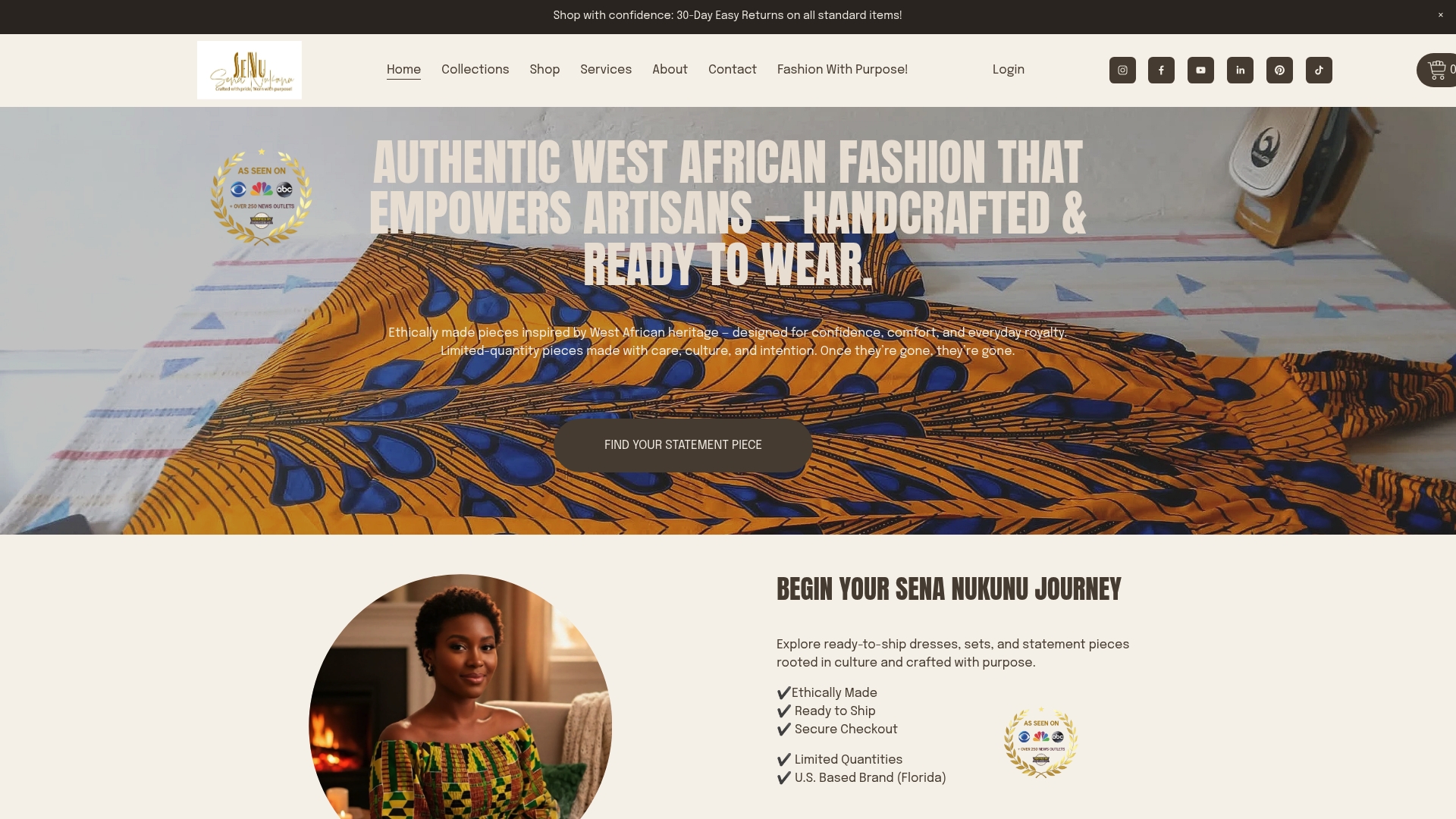
Unlike open marketplaces where fabric quality and sizing accuracy are inconsistent from seller to seller, every piece in the Senanukunu collection comes from a curated, limited-run selection, so you're not gambling on an unverified vendor for a once-a-year event. If you want to see what's new before your event date, check the latest arrivals and confirm your measurements early so tailoring lead time works in your favor, not against you.
Sources
A few additional resources go deeper on specific pieces of this decision:
- What to Wear to an African Wedding: A Guest’s Style Guide - Savannah Herald
- Elegant African Dinner Party Attire: Tips For Cultural Style And Comfort | AnMeal
- What to Wear to an African Wedding as a Guest (2026 Edition) - SPOB Fashion