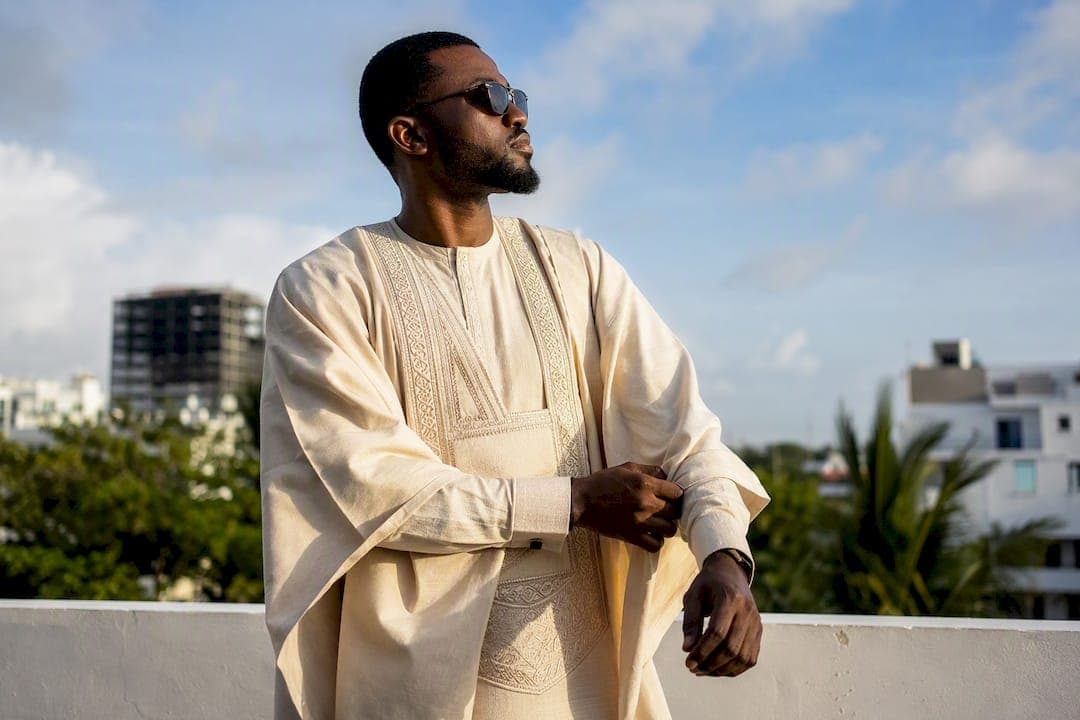
Right now, the men's agbada styles carrying the most weight are the classic monogram, royal gold, minimalist, kaftan-fusion, heritage-pattern, and 3D puff embroidery looks, each reworked with bolder color and lighter fabric than a decade ago. This guide walks through those styles one by one, then gives you the selection rules, fabric knowledge, and styling details to wear any of them with confidence, using real Senanukunu pieces as visual reference along the way.
TL;DR:
- Modern agbada styles now focus on bolder colors and lighter fabrics, with options like short and contemporary cuts gaining popularity among younger men.
- Embroidery techniques such as flat gold-thread and 3D puff are key to achieving both durability and stunning visual effects, especially for evening and ceremonial events.
- Fabric selection, including velvet, brocade, and aso-oke, significantly influences a garment’s formality and overall aesthetic, often more than embroidery details.
- The role of the wearer—whether guest, groomsman, or celebrant—dictates the style weight, embroidery density, and fabric choice to ensure appropriate sophistication and ceremony.
- Custom tailoring and fabric sourcing are emphasized as essential for optimal fit and personal expression, with limited-edition pieces crafted through artisan partnerships.
Table of Contents
- Men's Agbada Styles Worth Knowing Right Now
- How to Choose the Right Agbada for Your Role and Event
- Fabrics and Embroidery: What to Choose and Why
- Footwear and Accessories That Complete the Look
- Sena Nukunu Product Examples and Craftsmanship Notes
- Regional Variations and Influences in Agbada Designs
- Popular Agbada Style Trends in Recent Years
- Wearing Agbada with Confidence Today
- Find Your Agbada at Senanukunu
- Sources
Men's Agbada Styles Worth Knowing Right Now
Agbada has never been a single garment. It is a family of silhouettes, and the differences between them, sleeve width, embroidery density, fabric weight, tell you almost everything about the occasion they were built for. Style roundups consistently group these looks into distinct categories, which is good news for anyone trying to shop with intention instead of guessing.
- Classic monogram agbada. Subtle, repeating embroidery patterns across the chest and cuffs mark this as the workhorse of traditional agbada designs. It reads formal without shouting, making it the safest pick for a guest who wants to honor the occasion without upstaging the celebrant.
- Royal gold agbada. Dense gold-thread embroidery, often layered over deep jewel tones like emerald or burgundy, signals status and ceremony. This is the style built for grooms, chieftaincy honorees, and anyone standing at the center of the event. Senanukunu's Gold Garnet Ascension Ensemble shows how this pairing looks in practice, gold detailing against a rich garnet base.
- Minimalist agbada. Clean lines, low embroidery, often a single tonal color. It fits corporate galas, milestone birthdays, and any formal event where restraint reads as confidence rather than absence of effort.
- Kaftan-fusion agbada. A shorter, slimmer cut that borrows structure from the kaftan while keeping the agbada's draped outer layer. Senanukunu's Midnight Prestige Kaftan set is a strong reference point for men who want traditional attire that moves like modern menswear.
- Aso-ebi coordinated agbada. Built to match a wedding party's color palette exactly. This style is less about personal expression and more about group cohesion, so fabric and color are usually dictated by the event's organizers.
- 3D puff embroidery agbada. Raised, sculptural embroidery that adds texture and shadow rather than lying flat against the fabric. It photographs beautifully under event lighting and has become one of the standout men's agbada designs for 2026 weddings.
- Heritage pattern agbada. Motifs drawn directly from regional textile traditions, geometric repeats, symbolic figures, ancestral references. Senanukunu's Spirit of Ancestry ensemble leans into this, using pattern as storytelling rather than decoration.
- Short or modern agbada. A cropped silhouette with shorter sleeves, built for comfort in warmer climates and outdoor events. Trend coverage of recent wedding seasons points to this as one of the fastest-growing choices among younger men who want mobility without abandoning tradition.
- Luxury fabric agbada. Here, the fabric itself is the style statement. Velvet, heavy brocade, and Italian lace turn a familiar silhouette into something that reads as investment dressing. Senanukunu's Emerald Authority Agbada is a clean example, jewel-toned fabric doing the work that heavy embroidery might otherwise carry.
- All-white ceremonial agbada. Reserved almost exclusively for religious ceremonies, naming events, and milestone celebrations. Ivory or pure white fabric, often with subtle self-tone embroidery, projects purity and reverence. Senanukunu's Ivory Crown Agbada set is built specifically for this role.
- Earth-tone contemporary agbada. Rust, terracotta, sand, and clay shades have moved from accent colors to full ensembles. Senanukunu's Terra Crown ensemble shows how an earthy palette can carry the same formality as jewel tones while feeling distinctly modern.
- Deep-tone statement agbada. Midnight blue, black, and charcoal bases with metallic or tonal embroidery. These read as evening-appropriate and versatile across both cultural and Western formal settings, a quality Senanukunu's Midnight Covenant Ensemble leans on directly.
Color pairing matters more than most men expect. Gold embroidery tends to sit best against deep, saturated bases, emerald, burgundy, navy, rather than pastel or pale tones, which can make the metallic thread look flat instead of luminous.
How to Choose the Right Agbada for Your Role and Event
The single biggest mistake men make when shopping men's agbada styles for formal events is picking the look they like best instead of the one their role calls for. A wedding celebrant, a groomsman, and a guest are all attending the same event, but they should not be wearing the same weight of embroidery.
- If you're the celebrant or groom, lean toward royal gold, luxury fabric, or heavily patterned heritage designs. This is the one day heavy embroidery is expected, not excessive.
- If you're a groomsman or ring-bearer's father, choose a coordinated but slightly quieter version, monogram or minimalist works, so the spotlight stays where it belongs.
- If you're a guest, minimalist or short/modern styles let you show respect for the occasion without competing with the wedding party.
- If the event is religious or ceremonial, all-white or ivory tones are close to a default expectation.
Ready-to-wear pieces get you dressed faster and usually cost less, but bespoke tailoring solves the fit problems ready-to-wear can't, particularly through the shoulders and sleeve length, which matter enormously on a garment this structured. Build in at least three to four weeks for custom work; rushing tailoring on heavily embroidered fabric is where most fit disasters happen.
Taller, broader men can generally handle bigger sleeve volume and bolder patterns without looking swallowed by the garment. Shorter or slimmer men often look sharper in the kaftan-fusion or short/modern cuts, where the proportions are already built closer to the body.
Pro Tip: Bring your inner kaftan or agbada top to any tailor appointment, not just measurements written on paper. Embroidery placement depends on exact torso length, and a tailor working from the actual garment will get the proportions right the first time.
Fabrics and Embroidery: What to Choose and Why
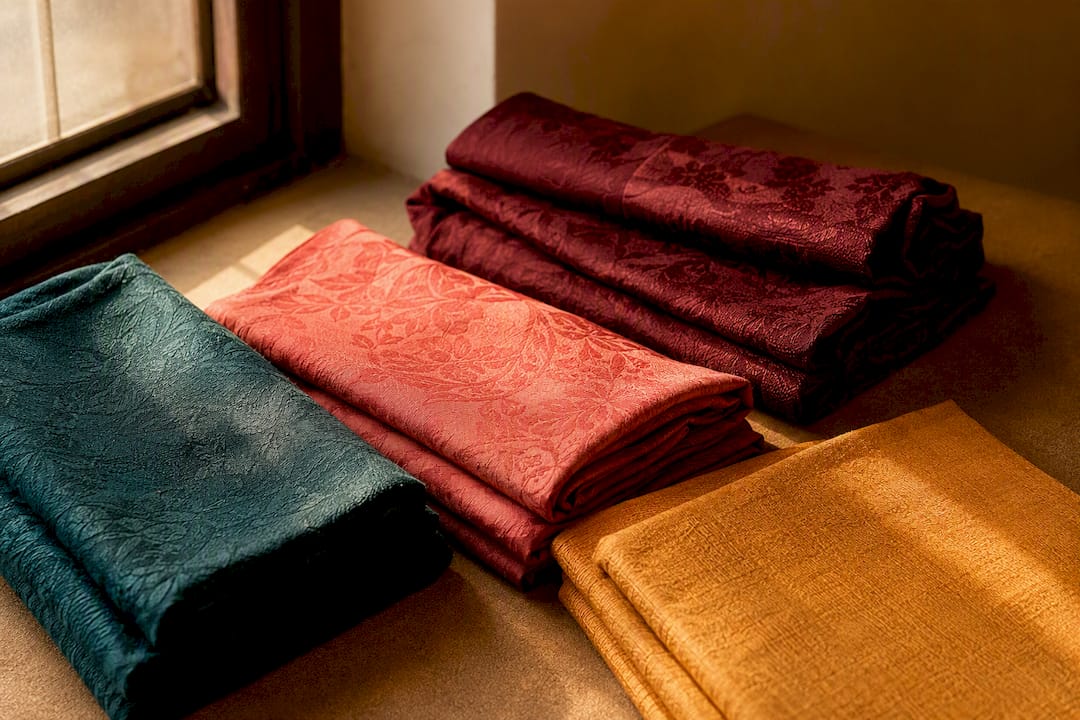
Fabric decides more about an agbada's formality than embroidery does. A minimalist cut in aso-oke reads more ceremonial than a heavily embroidered piece in lightweight cotton, because fabric-led categories like velvet, brocade, and aso-oke carry their own built-in weight and shine.
- Guinea brocade: crisp, structured, holds embroidery well, a dependable choice for most formal events.
- Aso-oke: hand-woven, textured, deeply traditional, often chosen for heritage pattern or royal gold styles.
- Velvet: rich, soft drape, reads as luxury immediately, best for evening events and cooler climates.
- Italian lace: lightweight, intricate, increasingly common in luxury fabric agbada for warm-weather formal events.
Embroidery technique changes both look and upkeep. Flat gold-thread and satin-stitch work is durable and relatively easy to maintain. 3D puff embroidery looks striking under event lighting but needs gentler handling, since the raised threads catch and snag more easily than flat work.
Care varies by fabric type. Velvet and heavily embroidered pieces generally need specialist dry cleaning and padded, breathable storage, while lighter machine-embroidered cottons tolerate more everyday handling.
Footwear and Accessories That Complete the Look
Leather loafers are the standard, dependable pairing across nearly every agbada style, formal enough for ceremony, comfortable enough for a full day of standing and greeting guests. Reserve dress shoes with laces for the most formal royal gold or luxury fabric looks, and save modern sneakers for short/modern agbada worn at daytime, low-formality events.
- Leather loafers: the default choice for most occasions and most agbada styles.
- Dress shoes: reserve for black-tie level formality with heavier embroidery.
- Sandals: acceptable for daytime outdoor events in warm climates, paired with short/modern cuts.
- Watches and sunglasses: keep them understated, since the agbada itself is already a visual statement.
- Kufi hats and brooches: effective finishing details, best used one at a time rather than stacked together.
Accessory scale matters as much as color coordination. A large-sleeved agbada already commands attention, so oversized jewelry or busy accessories tend to compete rather than complement. Given how visually driven this category is, with photo galleries and style boards shaping most buying decisions, a clean, uncluttered accessory approach photographs far better than a heavily layered one.
Sena Nukunu Product Examples and Craftsmanship Notes
Senanukunu builds each agbada set with a specific style in mind, not as generic traditional attire, but as a direct answer to one of the looks covered above. The Ivory Crown Agbada set is the house's all-white ceremonial answer, while the Divine Legacy Agbada leans into royal gold finishing for celebrants and honorees.
- Ivory Crown Agbada 3-piece set: all-white ceremonial style, built for religious and milestone events.
- Emerald Authority Agbada: luxury fabric style, jewel-toned and evening-appropriate.
- Sands of Ancestry Ensemble 4-piece set: full-ensemble heritage styling with richer fabrication.
- Terra Crown ensemble 3-piece set: earth-tone contemporary styling for modern formal events.
Every piece is produced in limited quantities alongside artisan partners, with fabric sourcing and tailoring details treated as part of the story, not an afterthought.
Every stitch on an agbada carries intention, from the thread weight chosen for embroidery to the drape calculated for how the sleeve will move when a man raises his arm to greet a room. That intention is what separates a mass-produced set from one built with craft in mind.
Regional Variations and Influences in Agbada Designs
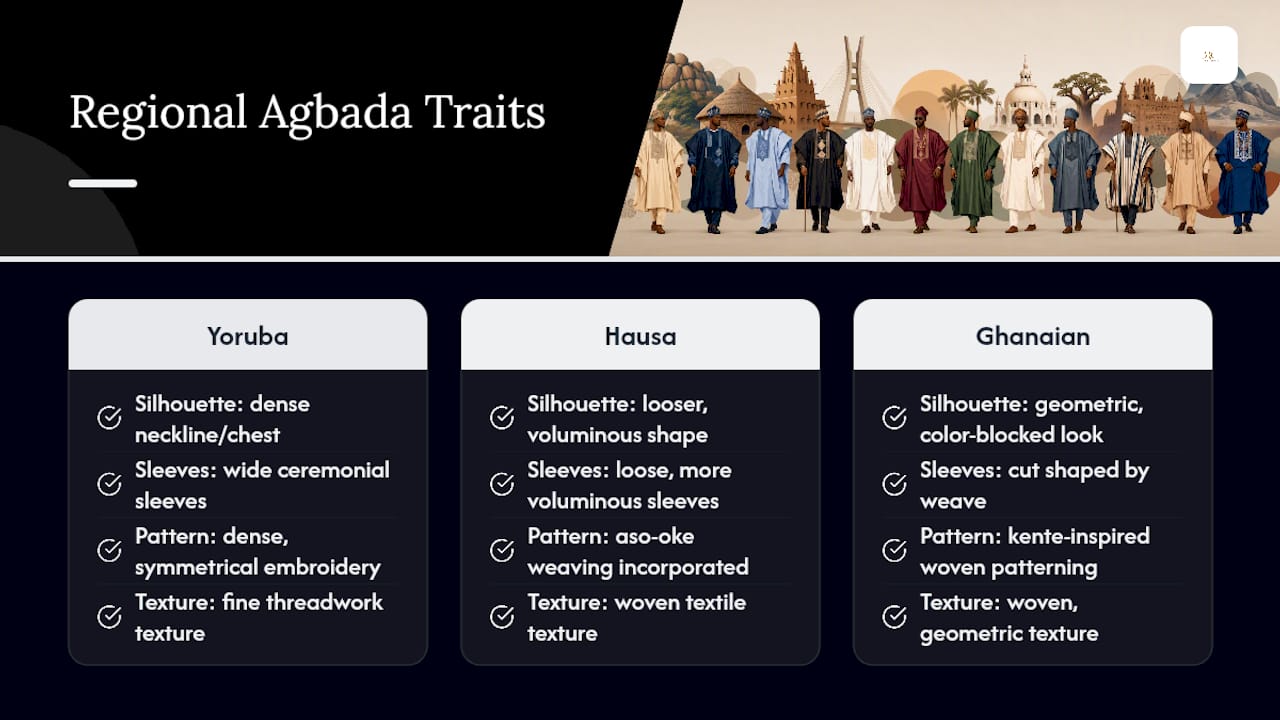
Agbada's silhouette shifts noticeably depending on where it was made and worn. Yoruba craftsmanship traditionally favors dense, symmetrical embroidery patterns concentrated around the neckline and chest, a hallmark of the royal gold and heritage pattern styles covered earlier. Hausa-influenced tailoring tends toward looser, more voluminous sleeves and often incorporates aso-oke weaving techniques passed down through generations of artisans.
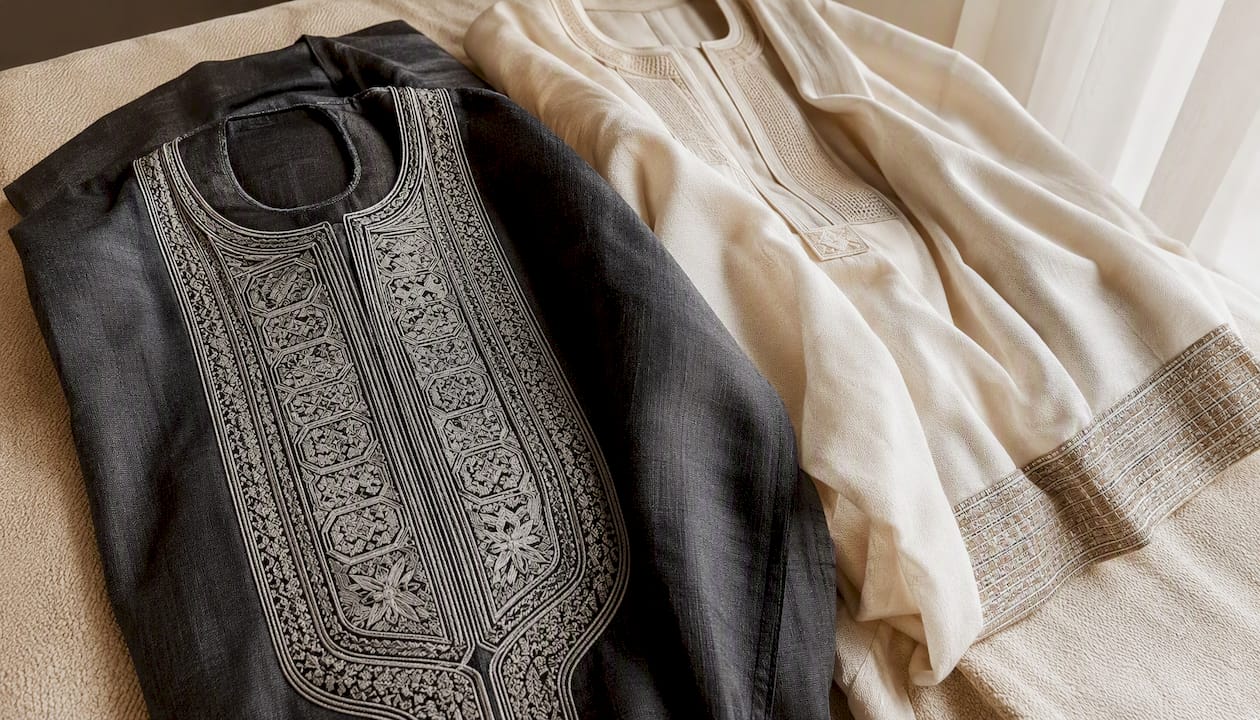
Ghanaian interpretations frequently bring in kente-inspired patterning, woven rather than embroidered, which produces a different visual texture entirely, more geometric, more color-blocked, than the fine threadwork typical of Nigerian royal gold pieces. These regional differences are not just aesthetic trivia. They affect how a garment drapes, how heavy it feels to wear for a full day, and how formal it reads compared to other styles in the same room.
Diaspora communities in the United States and the United Kingdom have added their own layer of influence, often requesting shorter sleeve lengths, lighter fabrics suited to different climates, and bolder nontraditional colors that would be less common in more conservative regional interpretations back home. That blending is part of why modern agbada outfits look noticeably different from what you would have seen at a similar event twenty years ago. The garment keeps its structural identity, wide sleeves, wrapped inner layers, ceremonial weight, while absorbing new fabric choices and color instincts from wherever it is being worn and made.
Popular Agbada Style Trends in Recent Years
The biggest shift in recent years has been color confidence. Bold, nontraditional shades, deep pink, jewel emerald, rust, and saturated burgundy, have moved from rare exceptions to widely accepted choices among style-conscious men who still want the garment's regal structure intact. This is a meaningful departure from the days when white, navy, and gold covered most formal occasions.
Short and modern agbada variants have also gained real traction, particularly among younger men attending outdoor weddings and daytime events where mobility and breathability matter more than maximum sleeve volume. Style coverage of recent wedding seasons consistently points to short-sleeve and cropped agbada options as a top request among grooms and groomsmen under 40.
Fabric-forward luxury is the other clear trend line. Instead of relying purely on embroidery density to signal formality, more men are choosing the fabric itself, velvet, heavy brocade, fine lace, as the primary style statement. That shift has made luxury fabric agbada one of the fastest-growing categories in men's traditional attire, alongside kaftan-fusion cuts that borrow structure from more contemporary menswear silhouettes. Together, these trends point toward an agbada culture that respects tradition while giving individual men more room to express personal taste through color and fabric choice.
Wearing Agbada with Confidence Today
Agbada has always carried more than fabric and thread, it carries lineage, occasion, and respect for the people who came before the wearer. What has changed is how much room men now have to bring their own instincts into that tradition. Bold color, a shorter sleeve, a fabric choice that leans modern, none of that erodes the garment's meaning. It expands who feels invited to wear it well.
Senanukunu's approach to ethical craft and artisan partnership exists because that meaning matters, not as a footnote, but as the actual point of making the clothing. If you take one thing from this guide, let it be permission to commit to one confident detail, a color you would not have chosen five years ago, a cut you have never tried, and build the rest of your choices around it.
— Sena
Find Your Agbada at Senanukunu
Senanukunu gives you a faster path to a finished look than piecing one together from a tailor, a fabric shop, and a separate embroiderer, every set here arrives ready-to-ship or built to your measurements through a direct commission, without months of coordinating multiple vendors. Sizing guidance is available for every ready-to-wear piece, and if nothing in the current collection fits your exact vision, you can request a custom commission built around the fabric, color, and embroidery style you actually want.
Browse the full shop collection to see current ready-to-ship sets, or explore available styling services if you're planning a custom piece for an upcoming event. Every set is produced in limited quantities alongside the artisans who make it, so the sooner you reach out about sizing or a commission, the better your odds of securing the exact piece you have in mind. Start at the Senanukunu shop to see what's currently available.
Sources
- Agbada for Men: 7 Stunning Styles Every Nigerian Man Should Own - Famk Apparel
- Latest Agbada Styles with Embroidery Designs for Men (2022) - NaijaGlamWedding