Before you buy or borrow a single thing, confirm five things: the dress code, the time of day, the venue, the season's weather, and any cultural notes from the couple. Once those are locked in, your outfit needs exactly five components: the outfit itself, shoes suited to the ground you'll be standing on, a layer for temperature swings, accessories that finish the look without competing with the bride, and a small emergency kit for the inevitable loose hem or hungry stain.
That's the whole wedding guest dress checklist in one breath. Everything below expands each piece so you can build outfits with confidence instead of scrambling three days before the RSVP deadline.
- Confirm the dress code (invitation wording, wedding website, or a quick text to the couple)
- Check the venue and time of day (garden ceremony at noon reads differently than a ballroom reception at 8 p.m.)
- Check the season's weather for your location and date
- Note any cultural or religious guidance (color restrictions, modesty expectations)
- Pack the five essentials: outfit, event-appropriate shoes, a layer, accessories, and an emergency kit
Key Takeaways
The core rule of any wedding guest dress checklist is simple: confirm the dress code, venue, and season first, then build your outfit around five essentials, and lean formal when you're unsure.
| Point | Details |
|---|---|
| Confirm before you shop | Check the dress code, time of day, venue, and weather before buying anything. |
| Pack five essentials | Bring your outfit, event-ready shoes, a layer, accessories, and an emergency kit. |
| Avoid white and near-white | Reserve white tones for the bride unless she explicitly invites guests to wear it. |
| Match shoes to footing | Choose block heels or wedges for grass, sand, or cobblestone venues. |
| Choose re-wearable pieces | Senanukunu's ready-to-wear dresses and custom styling help you build formal-ready, culturally rooted outfits you'll wear again. |
Table of Contents
- Wedding Guest Dress Code Checklist: Every Formality Level Explained
- How Do You Find the Dress Code on an Invitation?
- Should You Change Your Outfit for the Venue and Season?
- When Should You Buy, Order, and Tailor Your Wedding Guest Outfit?
- What Colors Should You Avoid at a Wedding?
- What Accessories and Emergency Items Should You Bring?
- Wedding Guest Dress Etiquette: What to Do and What to Skip
- Incorporating West African-Inspired Pieces Without Upstaging the Couple
- What Hair and Makeup Choices Fit a Wedding Guest Look?
- How Can You Choose Sustainable or Ethical Wedding Guest Attire?
- Ready to Shop Your Wedding Guest Look?
- Frequently Asked Questions
- Sources
Wedding Guest Dress Code Checklist: Every Formality Level Explained
Dress codes exist so a hundred strangers can show up looking like they belong at the same party. Each one has a specific formality range, and reading it correctly is most of the battle.
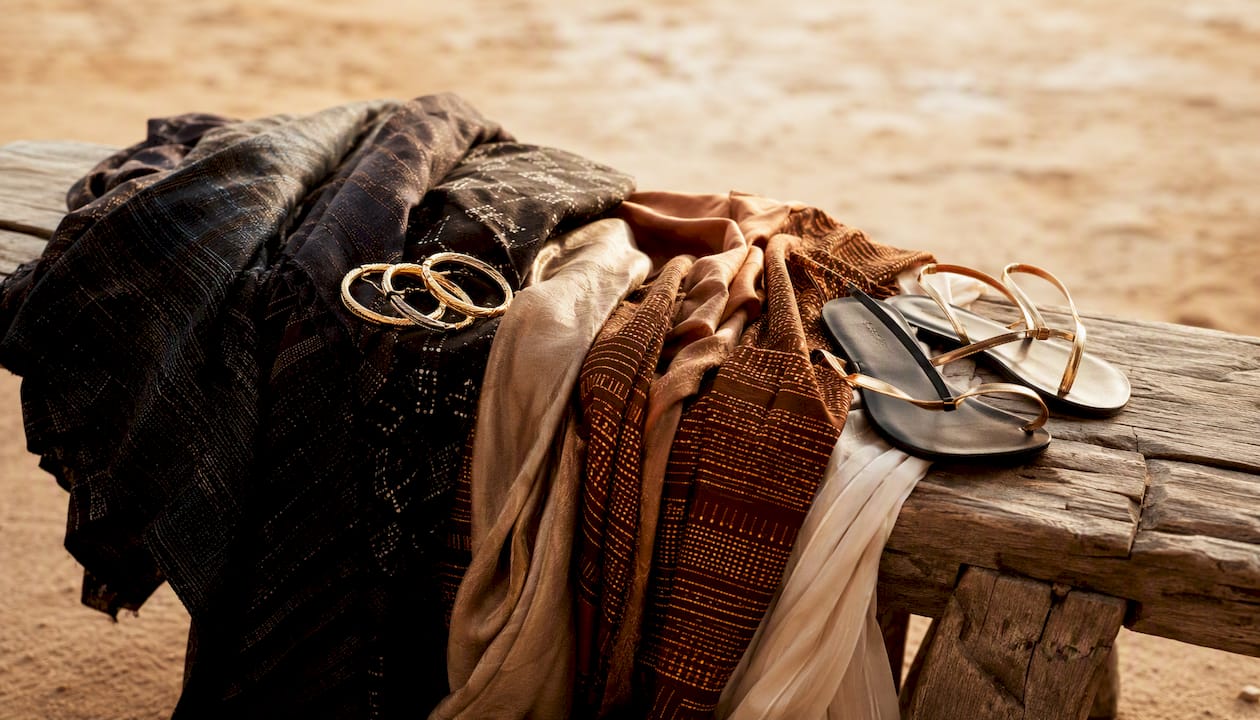
White tie is the rarest and strictest code you'll encounter as a guest, typically reserved for state dinners or heavily formal galas rather than most weddings. Men wear a black tailcoat with white waistcoat and bow tie; women wear full-length formal gowns, often with gloves.
Black tie calls for a tuxedo for men and a floor-length gown for women. This is non-negotiable formality, usually signaled by evening ceremony times and upscale venues like hotel ballrooms or historic estates.
Black-tie optional confuses more guests than any other code on this list. The Friar Tux guide to black-tie optional clarifies that "optional" refers to whether a man wears a tuxedo or an elegant dark suit, not to whether guests can dress down. Women should still be in a floor-length gown or an elevated midi dress.
Formal and cocktail sit in similar territory but cocktail trends shorter. Formal permits floor-length or a dressy midi; cocktail is built around knee-length dresses, tailored separates, or a jumpsuit in a rich fabric.
Semi-formal and dressy casual are where most weddings actually land, and where guests most often either overdress or underdress. Semi-formal wants a sundress, midi dress, or dressy separates; dressy casual allows a nice sundress or elevated separates but skips the sequins and satin.
Casual weddings still expect effort. Think a well-cut dress or trousers and blouse, not jeans and sneakers.
Beach or resort weddings favor lightweight fabrics and lower heels, while rustic, western, or country weddings lean into cotton, denim skirts done well, and boots that can handle uneven ground. Festive codes, often seen at cultural or holiday-adjacent weddings, invite bold color and pattern rather than lowering the formality bar.
| Dress Code | Women's Outfit | Men's Outfit | Fabric/Length/Footwear Note |
|---|---|---|---|
| White Tie | Full-length formal gown | Black tailcoat, white tie | Silk or satin; formal heels |
| Black Tie | Floor-length gown | Tuxedo | Structured fabrics; closed-toe heels |
| Black-Tie Optional | Floor-length gown or elevated midi | Tuxedo or dark suit | Elegant fabrics; heeled sandals |
| Formal | Midi to floor-length dress | Suit and tie | Dressier fabrics; block or stiletto heel |
| Cocktail | Knee-length dress or jumpsuit | Suit, tie optional | Silk, crepe; mid heel |
| Semi-Formal | Sundress or midi dress | Blazer, dress pants | Lighter fabrics; wedge or block heel |
| Dressy Casual | Elevated sundress or separates | Button-down, chinos | Cotton or linen blends; flat sandal or low heel |
| Casual | Nice dress or trousers set | Collared shirt, slacks | Breathable fabrics; comfortable flat |
| Beach/Resort | Flowy midi or maxi | Linen shirt, light trousers | Linen, chiffon; wedge or sandal |
| Rustic/Western | Cotton dress or denim skirt | Button-down, boots | Sturdy fabrics; ankle boot |
| Festive | Bold-print dress or set | Patterned shirt or vest | Rich color/pattern; dressy flat or heel |
According to The Knot's wedding guest attire cheat sheet, reading the venue and time of day alongside the stated code is what turns a vague instruction into a real outfit decision.
A few outfit combinations worth keeping in your back pocket:
- Cocktail: a knee-length sheath dress with strappy heels, or a jumpsuit with statement earrings
- Semi-formal: a floral midi with a cropped jacket, or tailored wide-leg trousers with a silk camisole
- Festive: a bold-print wrap dress with gold accessories, or a tailored two-piece set in a rich jewel tone
Pro Tip: When an invitation uses a soft modifier like "festive," "creative formal," or "dressy casual optional," read it as an invitation to add personality, not permission to dress down. Per Clueless Clothing's outfit planner, those words almost always signal elevated formality with room for color or pattern, not casual wear.
How Do You Find the Dress Code on an Invitation?
The dress code usually lives in the bottom corner of the invitation card, in a wedding website's FAQ section, or in the details email sent closer to the date. If none of those exist, the venue type and ceremony time are your next best clues.
Certain phrases carry consistent meaning once you know how to read them:
- "Black tie requested" or "black tie preferred" means the same as standard black tie, just phrased more gently
- "Garden party attire" signals semi-formal with breathable fabrics and lower heels for grass
- "Festive attire" or "cocktail attire encouraged" invites color and personality within a dressy frame
- "Dress to impress" with no other guidance usually means formal or cocktail, not casual
When the invitation says nothing at all, a short message to the couple solves it faster than guessing. Two templates that work well:
- Text version: "Hi! So excited for your wedding. Quick question: is there a dress code we should know, or a color to avoid? Want to make sure I get it right!"
- Email version: "Congratulations again on the upcoming wedding. I wanted to check if there's a specific dress code or color guidance for guests, so I can plan my outfit accordingly. Thanks so much!"
If you genuinely cannot reach anyone and the date is approaching, Opposuits recommends defaulting toward the more formal end of what you know about the venue and time. Guests who show up slightly overdressed blend in fine; guests who show up underdressed rarely feel comfortable all night.
Should You Change Your Outfit for the Venue and Season?
Yes, and the venue usually dictates more than the calendar does. A beach ceremony in October and a beach ceremony in June call for nearly the same wardrobe decisions, because sand and salt air don't care what month it is.
Start with footing. Grass, sand, and cobblestone all punish thin stiletto heels, and a barn floor covered in straw is no better. Bloomingdale's wedding guest guide recommends wedges or block heels for any outdoor ceremony, plus a backup flat pair tucked in your bag for dancing later.
Indoor venues like ballrooms or restored theaters give you more freedom with heel height and fabric weight, since you won't be navigating uneven ground or direct sun.
Season changes the fabric conversation. Summer weddings favor linen, cotton voile, and chiffon that breathe in the heat, while winter events call for velvet, wool crepe, or a satin dress paired with a real coat rather than a thin shawl. Cosmopolitan's wedding style guide points out that matching fabric weight to season isn't just about comfort. It affects how the outfit photographs and how long you can actually enjoy the reception without overheating or shivering.
Quick venue-by-season cues worth remembering:
- Beach, summer: flowy fabrics, wedge sandals, and a wide-brim hat for outdoor ceremonies
- Barn or rustic venue, autumn: boots with a low heel, a structured jacket, and richer color palettes
- Rooftop or garden, spring: breathable midi dresses, block heels, and a light cardigan for cooling evenings
- Ballroom, winter: velvet or satin, closed-toe heels, and a proper coat rather than a thin wrap
Pro Tip: Pack a pashmina or light wrap for any outdoor evening ceremony, even in summer. Temperatures drop fast once the sun goes down, and a wrap solves the problem without covering up your outfit's best features.
When Should You Buy, Order, and Tailor Your Wedding Guest Outfit?
Start shopping the moment you RSVP yes, ideally well ahead of the wedding if you need tailoring or a special order. Waiting until the week before leaves no room for alterations, backorders, or a change of heart about the silhouette.
- Six to eight weeks before: confirm the dress code, then shop or pull options from your closet
- Four to five weeks before: order shoes and any accessories so they arrive with time to break them in
- Two to three weeks before: schedule tailoring if the dress needs hemming, taking in, or strap adjustments
- One week before: do a full wear-test, including the shoes, for at least an hour around your home
- Two to three days before: pack the outfit, shoes, layer, accessories, and emergency kit together
Budget decisions come down to one question: does this piece have re-wear value, or is it a single-use showpiece? According to Clueless Clothing's outfit formula research, a navy midi dress, a well-made wrap dress, or a silk slip with a tailored blazer can carry you through five different weddings across five different formality levels, which makes it a smarter purchase than a single sequined dress you'll wear once.
If you're adapting from your closet, look for pieces in solid or subtle print that haven't already been photographed at another wedding on the same friend group's feed. If a strategic new purchase makes sense, choose a piece you can dress up or down with accessories rather than something tied to one specific formality level. Our wedding guest outfit workflow guide breaks this decision down further if you're planning for multiple events this season.
Last-minute options exist too. Dress rental services, borrowing from a friend with similar sizing, or a same-week tailor visit for a quick hem can all rescue a tight timeline without sacrificing the outfit.
What Colors Should You Avoid at a Wedding?
White, ivory, and any near-white shade are off-limits unless the couple explicitly tells guests to wear white. The Knot's guest attire guidance is unambiguous on this point, and it remains the single most common etiquette mistake guests make.
Beyond white, a few other color rules keep you safely in guest territory rather than bridal-party territory:
- Avoid the exact color assigned to the bridesmaids, even if you love the shade
- Skip head-to-toe black at daytime or religious ceremonies where mourning associations run deep in the couple's culture
- Ask directly if the wedding involves specific cultural or religious color meanings, since red carries celebratory meaning in some traditions and mourning meaning in others
- Confirm shoulder coverage or modesty expectations for religious ceremonies before assuming a strapless dress works
Black itself has shifted in recent years. Cosmopolitan's style coverage notes that black is increasingly acceptable at evening weddings, especially when styled with texture, metallic accessories, or a bold shoe rather than treated like funeral wear. A black slip dress with gold jewelry and a strappy heel reads celebratory; a plain black shift with flat shoes can read somber.
When in doubt about cultural color meaning, ask the couple directly rather than guessing from general etiquette advice, since traditions vary widely even within the same broader culture.
What Accessories and Emergency Items Should You Bring?
Shoes and bags finish the outfit, but they also need to match the venue's practical demands, not just the dress code's formality. A clutch works for the ceremony and cocktail hour; if you're planning to dance, a small crossbody frees your hands without sacrificing style.
Heel height follows the same logic as the venue guidance above: block heels or wedges for grass and sand, sturdier options for cobblestone, and your favorite stiletto reserved for indoor ballroom floors.
The single most overlooked item on any wedding guest dress checklist is the emergency kit. Brides' bridal party packing checklist recommends a compact kit that covers the most common wardrobe disasters:
- Safety pins for a falling hem or gaping neckline
- A stain-remover pen for the champagne spill that always happens
- Double-sided fashion tape for straps and necklines
- Blister patches for shoes you haven't fully broken in
- A small sewing kit with a needle and thread matching your outfit
- A portable phone charger, since reception photos drain batteries fast
- Travel-size pain reliever for the inevitable headache or sore feet
- Chalk or a white eyeliner pencil for camouflaging small stains on light fabric
A quick day-of packing checklist rounds it out: outfit, shoes plus a backup flat, your layer, accessories, and the emergency kit itself, all packed the night before so morning-of stress stays low.
Pro Tip: Do a full one-hour wear-test at home, shoes and all, before the wedding day. It's the only way to catch a blister risk, a gaping zipper, or an itchy fabric before you're standing in a receiving line unable to fix it.
Wedding Guest Dress Etiquette: What to Do and What to Skip
Good wedding guest etiquette comes down to a short list of habits that keep the day about the couple, not your outfit choices.
Do this:
- Confirm the dress code before you shop, not after
- Test your shoes on a similar surface to the venue if possible
- Pack a layer for temperature shifts between ceremony and reception
- Follow any cultural or religious guidance the couple shares, even if it means adjusting a favorite piece
Skip this:
- Wearing white, ivory, or anything close enough to be mistaken for it
- Showing up in ripped jeans or sneakers to a venue that clearly calls for more effort
- Choosing towering stilettos for an outdoor ceremony on grass or sand
- Wearing an outfit so bold or revealing it pulls attention away from the couple during photos
A few substitutions solve the most common missteps. Swap ripped denim for tailored dark jeans with a dressy blouse at a casual wedding. Swap stilettos for wedges at any outdoor venue. Swap an all-white outfit for a soft blush or champagne tone if you want to stay light without breaking the no-white rule.
Incorporating West African-Inspired Pieces Without Upstaging the Couple
West African textiles carry real weight and craftsmanship, and wearing them to a wedding can honor that heritage rather than compete with the day's focal point. The key is balance: let one statement piece carry the outfit, and keep everything else quiet.

A bold Ankara print dress paired with simple gold hoops and neutral heels reads as intentional and elevated, not louder than the bride. A tailored agbada-inspired jacket over a simple sheath dress adds structure and story without adding volume. A headwrap in a rich solid color, paired with minimal jewelry, draws the eye upward in a way that feels celebratory rather than competitive.
Here's how that translates across three common dress codes:
- Cocktail: a knee-length dress in a vibrant wax-print fabric, finished with a tailored blazer and simple heels
- Semi-formal: a two-piece set combining a fitted top with a flowing wrapper skirt in a single bold color
- Festive: a full statement piece, whether a printed maxi or a structured kaftan, since festive codes explicitly invite bold color and pattern
Our cultural wardrobe building guide and festive African dress guide both go deeper into pairing heritage pieces with modern silhouettes if you want more specific styling direction before a big event.
Pro Tip: If you're wearing a piece with deep cultural or family significance, a well-fitted tailored version, rather than an oversized or costume-like interpretation, is what separates respectful styling from a look that reads as a costume.
What Hair and Makeup Choices Fit a Wedding Guest Look?
Hair and makeup should match the formality of your outfit, not upstage it, and the venue often decides more of this than people expect.
For black-tie or formal events, a polished updo or sleek low bun pairs naturally with a floor-length gown, and makeup can lean into a defined eye or a bold lip, but rarely both at once. For semi-formal or cocktail weddings, soft waves or a half-up style feel current without reading overly done, and a dewy base with a neutral lip keeps the focus on the outfit's color or print.
Outdoor and beach weddings call for humidity-proof choices. A braided style or low ponytail holds up far better than loose curls in salt air or summer heat, and long-wear or waterproof formulas matter more here than shade selection.
If you're wearing a bold printed piece or a statement color, let makeup stay relatively simple, a groomed brow, a flattering blush, and a lip in a complementary tone, so the outfit's pattern or hue reads as the star rather than competing with a heavy smoky eye.
How Can You Choose Sustainable or Ethical Wedding Guest Attire?
Buying fewer, better pieces is the most practical sustainability move available to a wedding guest, and it happens to be the same advice that saves money over a season with multiple weddings on the calendar.
Rather than treating every wedding as a reason for a new single-use outfit, build a small rotation of two or three versatile pieces you can restyle with different accessories, layers, or shoes. The re-wear value point from earlier in this checklist applies directly here: a well-made dress worn to five weddings has a far smaller footprint than five dresses worn once each.
Choosing pieces made through ethical, limited-quantity production also supports craftsmanship over mass output. Limited runs from small ateliers, rather than fast-fashion dresses cut for a single season, tend to hold their shape and color longer, which extends how many events you can genuinely get out of one piece. Renting or borrowing for a single high-formality event, like a black-tie wedding you'll likely attend once, is another practical way to avoid a closet full of pieces with no future use.
Why careful wedding guest dressing matters more than people think
Getting dressed for someone else's wedding is a small act with real weight behind it. You're stepping into a room built around two people's biggest day, and what you wear either supports that atmosphere or quietly distracts from it. I built this checklist because I've watched too many people either panic-shop the week before or default to the same safe black dress for every single wedding on their calendar, missing a chance to actually enjoy the process.
At Sena Nukunu, we think culturally informed dressing and thoughtful wedding guest attire aren't separate categories. A well-chosen piece rooted in heritage craftsmanship can absolutely meet a formal dress code while still telling a story about who you are. That's the balance worth aiming for: respectful of the couple's day, honest to your own style, and built to be worn again.
Ready to Shop Your Wedding Guest Look?
Once you know your dress code, the next step is finding a piece that actually fits the formality and tells your story at the same time. Senanukunu's ready-to-wear dress collection covers cocktail, semi-formal, and festive codes with limited-quantity pieces crafted by West African artisans, so you're not choosing between cultural authenticity and wedding-appropriate polish.

If your event calls for something more specific, like a custom fit for a black-tie optional gown or a coordinated look for a bridal party, Senanukunu's custom styling services can build a piece around your exact dress code, venue, and timeline. For a ready example of what an elevated wedding guest piece looks like, the Elegance Ruched Sleeve dress shows how a statement sleeve and tailored silhouette can carry a semi-formal or cocktail invitation with ease.
Here's where to start:
- Browse the dress shop for ready-to-wear options across formality levels
- Book a styling consultation if your event calls for a custom fit or coordinated bridal party looks
- Visit Senanukunu's homepage to explore the full collection and current limited-quantity pieces
Frequently Asked Questions
What is the safest outfit choice when a wedding invitation has no dress code listed? Lean toward semi-formal or cocktail attire, since it's easier to remove a jacket or swap heels down than to compensate for being underdressed at a formal event.
Can you wear black to a wedding? Yes, black is widely acceptable today, especially for evening events, as long as you style it with texture, metallic accessories, or a statement shoe so it reads celebratory rather than somber.
Is it ever okay to wear white as a wedding guest? Only if the couple explicitly states white is welcome, such as a "white party" reception theme. Otherwise, avoid white, ivory, and any shade close enough to be mistaken for it.
How far in advance should you buy your wedding guest dress? Start shopping six to eight weeks before the wedding if you expect to need tailoring, order shoes, or want time for a full wear-test before the event.
What should go in a wedding guest emergency kit? Pack safety pins, a stain-remover pen, double-sided fashion tape, blister patches, a small sewing kit, a portable phone charger, and travel-size pain relievers.
How do you politely ask a couple about the dress code? A short, friendly text or email works well: ask directly whether there's a specific dress code or color to avoid, framed as excitement about attending rather than a complaint about missing information.
Sources
- Wedding guest attire cheat sheet | The Knot
- Wedding Guest Outfit Planner 2026 | Clueless Clothing
- What to Wear to a Black-Tie-Optional Event | Opposuits
- What does black tie optional mean? | Friar Tux
- Bridal party getting-ready room checklist | Brides