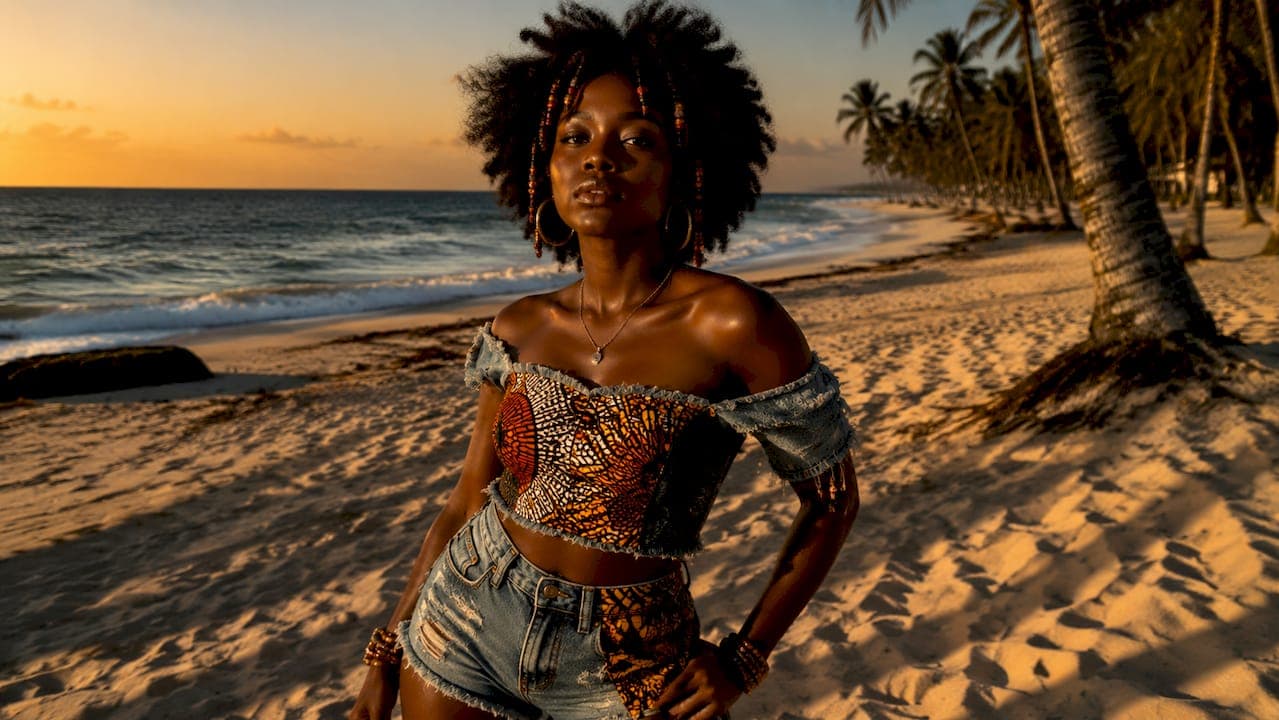
TL;DR:
- Afropunk fashion combines punk rebellion with Black cultural symbols as a form of resistance and pride. It emerged from Black participation in punk music and DIY ethics, emphasizing authenticity, cultural respect, and community support. Wearing it genuinely involves understanding its history, supporting Black artisans, and incorporating personal cultural narratives.
Afropunk fashion is defined as the fusion of punk rebellion and Black cultural heritage into a visual language of resistance, pride, and nonconformity. It is not a trend borrowed from a runway. It is a living declaration, worn on the body, rooted in decades of Black artistic defiance. Understanding what defines afropunk fashion means looking past the leather and the Ankara prints to the history, the politics, and the deeply personal stories they carry.
What defines afropunk fashion and where did it begin?
Afropunk fashion originated from Black participation in punk music and subculture, with musical roots stretching back to the late 1960s. The movement solidified in the early 21st century, catalyzed by the 2003 documentary Afro-Punk, directed by James Spooner. That film documented Black punk fans and musicians who felt invisible in a predominantly white subculture. It gave the community a name, a mirror, and a rallying point.
The historical arc of Afropunk style moves through distinct phases:
- The Forgotten Origin (1950s–1970s): Black musicians like Bad Brains and Death played punk and hardcore before the genre had a white mainstream identity. Their presence was erased from dominant narratives.
- The Noise We Make (1970s–1980s): DIY ethics, distressed clothing, and loud self-expression became tools of cultural assertion for Black youth navigating both racism and punk gatekeeping.
- The Rise of Community (2000s onward): The Afropunk Festival, launched in Brooklyn in 2005, became the most visible platform for the style, drawing thousands of attendees who wore the aesthetic as a collective statement.
- We Are Unbound (present and future): Afrofuturism now shapes the movement's visual direction, connecting ancestral heritage with speculative, forward-looking design.
The DIY ethic was never incidental. It was a direct response to exclusion from mainstream fashion and retail. Black punk communities built their own visual vocabulary because no one else would.
What are the key elements of afropunk style?
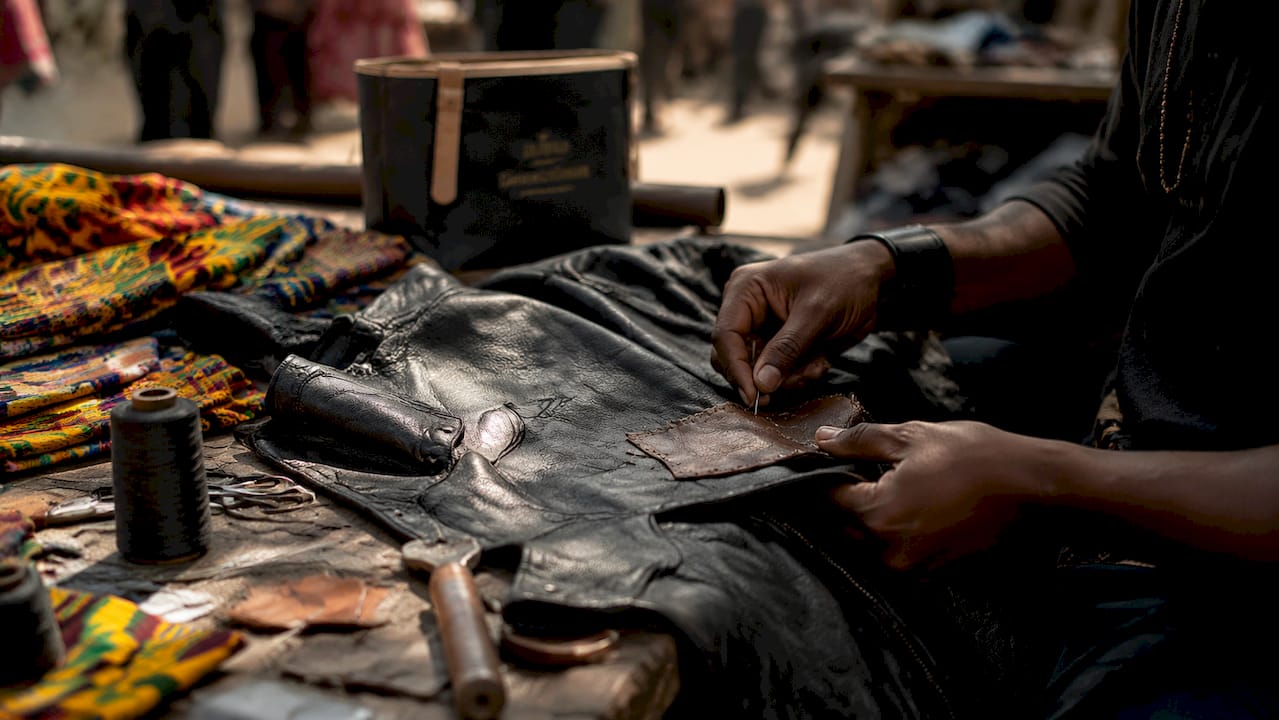
Afropunk fashion fuses traditional punk elements like ripped denim, leather jackets, and safety pins with Afrocentric symbols, vibrant wax prints like Ankara, and tribal-inspired patterns. The result is a visual disruption that neither punk nor Afrocentric fashion produces alone. Each element carries weight.
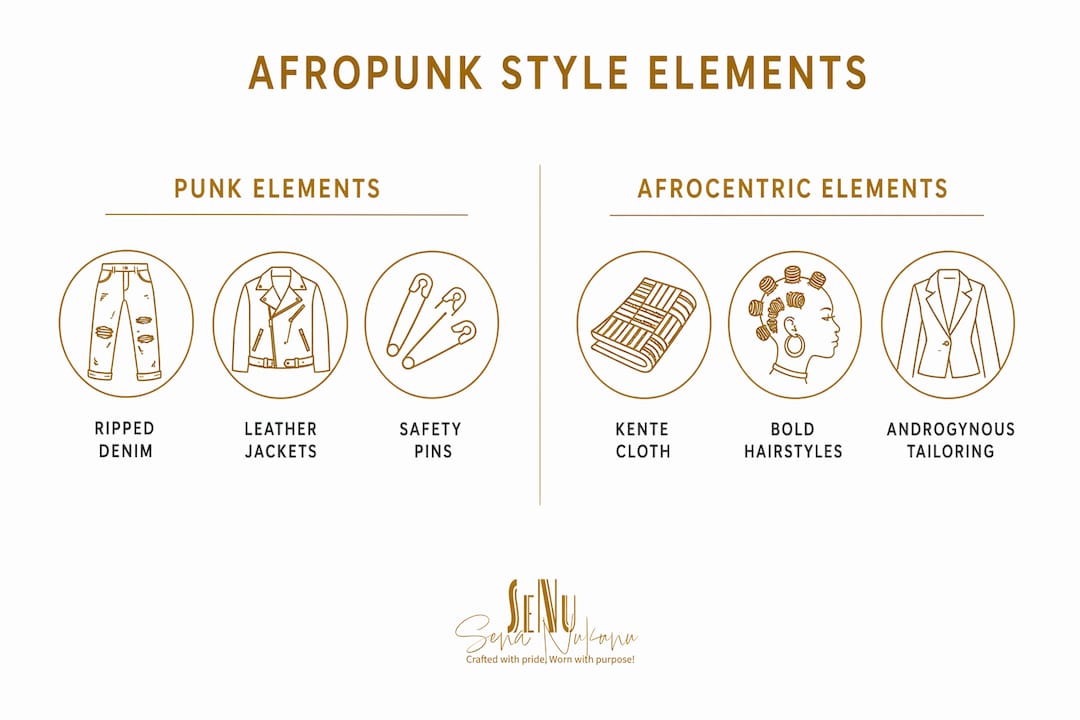
The table below maps the core afropunk style characteristics across two traditions:
| Punk Element | Afrocentric Counterpart |
|---|---|
| Ripped denim and distressed fabric | Kente cloth and Ankara wax prints |
| Leather jackets and studs | Oversized metallic and beaded jewelry |
| Safety pins and patches | Embroidered cultural motifs |
| Mohawks and shaved sides | Afros, dreadlocks, and colorful natural styles |
| Creeper shoes and combat boots | Hand-crafted leather sandals and statement footwear |
Bold hairstyles are not accessories in Afropunk. They are declarations. An afro, a set of locs, or a brightly dyed mohawk signals identity before a single word is spoken. Locs and distressed textiles are identity statements that connect historical heritage and Afrofuturism simultaneously.
Androgynous tailoring is another defining marker. Afropunk rejects gendered dress codes. Oversized silhouettes, structured shoulders, and fluid cuts appear across all bodies. Metallic jewelry, often large and sculptural, adds a theatrical, almost ceremonial quality to everyday looks.
Afrofuturistic iconography brings the style into speculative territory. References to artists like Jean-Michel Basquiat, science fiction imagery, and cosmic color palettes push Afropunk beyond nostalgia into a vision of Black futures. Community knowledge and cultural references rather than retail algorithms define what counts as authentic Afropunk.
Pro Tip: When building an Afropunk look, start with one anchor piece rooted in cultural heritage, such as an Ankara jacket or a hand-beaded collar, then layer punk elements around it. This approach keeps the cultural story central rather than decorative.
Why does afropunk fashion carry such cultural weight?
Afropunk fashion is an assertion of Black humanity and nonconformity, not a costume or a seasonal trend. This distinction matters enormously. The style emerged from communities that were told their hair, their music, and their aesthetics did not belong in certain spaces. Wearing Afropunk is a direct refusal of that erasure.
"Fashion is how Afropunk speaks before music does." — Life in Color: Afropunk exhibition
The style challenges white-dominated fashion norms and professional dress codes simultaneously. Natural hair worn in corporate spaces, leather jackets paired with kente, and body modifications worn without apology all function as quiet acts of protest. The Afropunk Festival in Brooklyn became a physical space where these acts of protest were celebrated collectively, reinforcing community identity year after year.
Tension between Afropunk's radical DIY origins and its commercialization is real and ongoing. As the aesthetic gained mainstream visibility, brands began selling "Afropunk-inspired" pieces stripped of their political context. Community leaders consistently stress that intent and cultural respect are not optional. Wearing Pan-African symbols without understanding their meaning reduces a living tradition to a costume.
The social impact of afropunk fashion trends extends beyond individual expression. It builds community. It creates visibility for Black artists, designers, and musicians who operate outside mainstream fashion systems. Every stitch in an authentic Afropunk piece carries the spirit of that collective resistance.
How to wear afropunk authentically today
Wearing Afropunk authentically starts with one principle: avoid costuming. Successful practitioners prioritize personal narrative and cultural connection over copying a look from a festival photo. The style is not a uniform. It is a conversation between your identity and a living cultural tradition.
Here is a practical framework for thoughtful adoption:
- Learn the history first. Read about the Afropunk movement, watch the 2003 documentary, and understand the communities that built this aesthetic before you wear it.
- Invest in authentic pieces. Seek out West African wax print fabrics, hand-crafted jewelry, and garments made by Black artisans. Authentic African craftsmanship is identifiable and worth the search.
- Practice DIY customization. DIY culture in Afropunk involves distressing denim, making handmade jewelry, and customizing garments to tell your own story. This practice separates authentic expression from mass-produced festival wear.
- Balance punk and Afrocentric elements intentionally. Let one tradition anchor the look and let the other respond to it. Avoid treating either as a prop.
- Support Black designers and brands. Spending your fashion dollars with creators who are part of the tradition sustains the community that built it.
The Afropunk-aligned fashion market typically ranges from $80 to $350 per item, reflecting identity-driven rather than mass-market pricing. That range signals that authentic pieces require specialized sourcing knowledge and intentional investment.
Pro Tip: Explore African diaspora style guides to understand how bold, ethical styling translates Afropunk sensibilities into everyday wear without losing cultural depth.
Key Takeaways
Afropunk fashion is a political and cultural movement expressed through clothing, requiring intentionality, cultural knowledge, and respect for its Black roots to wear authentically.
| Point | Details |
|---|---|
| Defined by fusion | Afropunk combines punk rebellion with Afrocentric symbols, prints, and hairstyles into one visual language. |
| Rooted in resistance | The style emerged from Black exclusion in punk spaces, formalized by the 2003 Afro-Punk documentary. |
| DIY is foundational | Customizing and handcrafting pieces is a cultural act, not just an aesthetic choice. |
| Authenticity over trend | Wearing Afropunk requires understanding its history and intent, not just replicating its visual markers. |
| Community sustains it | Supporting Black designers and artisans keeps the tradition alive and economically grounded. |
Afropunk's living legacy: a personal reflection
What strikes me most about Afropunk fashion is how stubbornly it resists being flattened. Every time a major retailer packages it as a "punk-inspired collection" or a festival sells it as a costume kit, the community pushes back. That resistance is itself part of the tradition.
The DIY spirit at the heart of Afropunk is not nostalgia. It is a daily practice of saying, "I will not wait for the mainstream to include me. I will build my own visual world." That is a profound act, and it deserves more than admiration from the outside.
What concerns me is how quickly the cultural roots of afropunk fashion influences get stripped away when the aesthetic goes viral. The Ankara print becomes "tribal." The locs become "edgy." The political weight disappears, and what remains is a look without a story. That is not Afropunk. That is extraction.
My honest encouragement to you is this: if the style moves you, let it move you toward the history, not away from it. Read about Bad Brains. Watch James Spooner's documentary. Buy from Black artisans who carry this tradition in their hands. The fashion will mean more when you understand what it cost to create it.
— Sena
Discover culturally rooted style at Senanukunu
Afropunk's power lies in clothing that carries a story, and that is exactly what Senanukunu was built to offer. Every piece in the Senanukunu collection is rooted in West African heritage, crafted with intention, and designed to make a statement that goes beyond the surface.
Whether you are drawn to bold Ankara prints, sculptural silhouettes, or statement sets that honor the artisans who made them, Senanukunu brings that spirit to your wardrobe. Explore vibrant Afrocentric styles that celebrate cultural pride and ethical craftsmanship in every stitch. Each piece is limited in quantity, rich in meaning, and made to be worn with the confidence that comes from knowing exactly where your clothes come from and why they matter.
FAQ
What defines afropunk fashion in simple terms?
Afropunk fashion is the fusion of punk aesthetics like ripped denim and leather with Afrocentric elements like wax prints, natural hairstyles, and cultural jewelry. It functions as a visual declaration of Black identity and resistance.
Is afropunk fashion only for Black people to wear?
Afropunk is a Black cultural movement, and wearing it carries significant cultural weight. Non-Black individuals who engage with the style are expected to understand its history, respect its origins, and support Black designers rather than treating it as a costume.
What are the most recognizable elements of afropunk style?
The most recognizable afropunk style characteristics include bold natural hairstyles, Ankara or kente fabric, distressed denim, oversized metallic jewelry, leather jackets, and androgynous tailoring. DIY customization ties all these elements together.
How did the Afropunk Festival shape the fashion movement?
The Afropunk Festival, launched in Brooklyn in 2005, created a physical community space where the aesthetic was celebrated collectively. It amplified the style's visibility and reinforced its identity as a cultural statement rather than a commercial trend.
Where can I find authentic afropunk-inspired clothing?
Authentic pieces come from Black artisans, West African fabric specialists, and culturally grounded brands. Look for culturally inspired fashion that prioritizes ethical production and genuine craftsmanship over mass-market aesthetics.