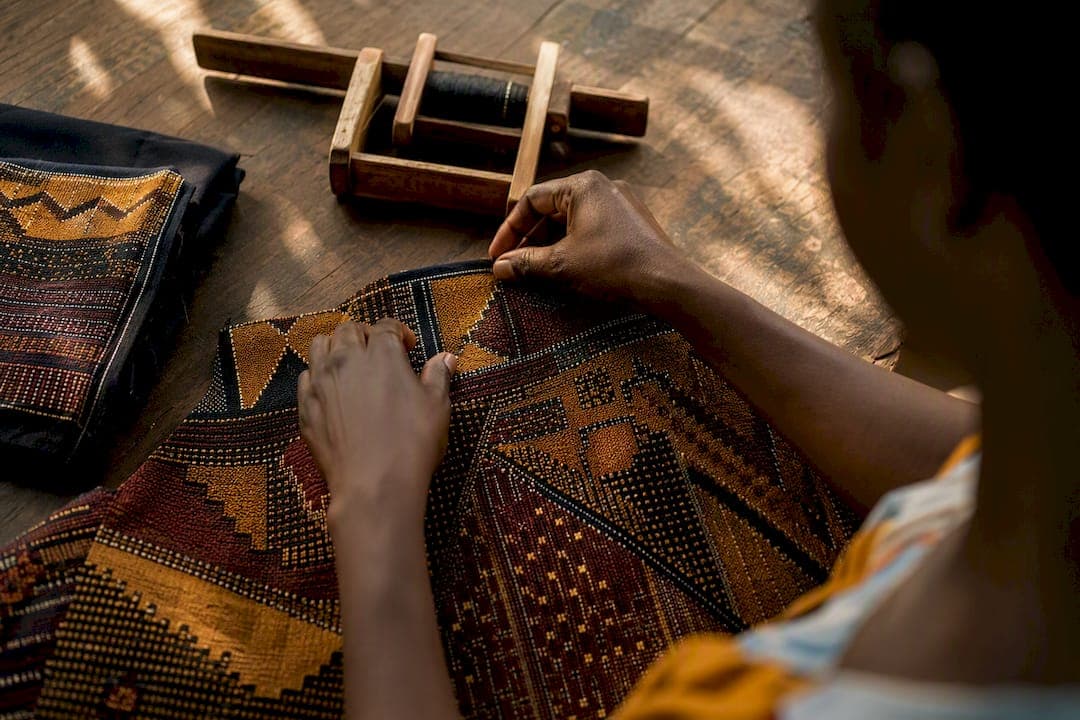
West African dresses span traditional silhouettes like Kaba & Slit, kaftans, and Kente gowns alongside modern ready-to-wear cuts that borrow their fabrics and construction. If you want an authentic piece, look for sellers who publish clear fabric names, close-up photos, and real measurements rather than a single stock image. Curated retailers like Senanukunu build their collections around exactly that transparency, so start there before browsing style categories.
TL;DR:
- Authentic West African dresses often feature specific fabrics like Ankara, Kente, and Aso Oke, with clear labeling and detailed photos revealing pattern alignment and construction.
- Handmade fabrics such as Kente and Aso Oke require careful handling, often needing dry cleaning or hand washing, to preserve the weave and pattern integrity.
- Price varies significantly based on fabric type and construction; Kente and Aso Oke gowns are more costly due to labor-intensive weaving and pattern placement requirements.
- Buyers should prioritize detailed fabric descriptions, multiple close-up photos, precise sizing, and transparent return policies to ensure garment authenticity and fit.
- When styling, consider the occasion, fabric weight, and silhouette, with heavier options suited for ceremonies and lighter Ankara sets ideal for daily wear.
Table of Contents
- What Are the Main West African Dress Styles?
- What Do Ankara, Kente, and Aso Oke Fabrics Mean?
- How Do You Spot an Authentic, Well-Made Dress Online?
- How Do You Style a West African Dress for Different Occasions?
- How Sena Nukunu Approaches Authenticity and Craftsmanship
- What Should You Budget for a West African Dress?
- Which Dress Style Fits Your Body Shape and Personal Style?
- How Do You Care for West African Dress Fabrics?
- What Actually Matters When You're Buying a West African Dress
- Shop Curated, Ethically Made West African Dresses
- Where Can You Learn More About West African Textiles?
- Sources
What Are the Main West African Dress Styles?
Every silhouette carries its own history and its own occasion. Knowing the difference helps you search smarter and talk to a tailor with confidence.
- Kaba & Slit: a fitted blouse (kaba) paired with a wrapper skirt (slit), rooted in Ghanaian dress traditions and worn to church, weddings, and family gatherings.
- Kaftan and bubu/boubou: loose, flowing robes that work as easy formalwear or relaxed everyday dresses, depending on the fabric weight and embroidery.
- Kente gowns and two-piece drapes: ceremonial pieces built from handwoven Kente cloth, often reserved for weddings and milestone celebrations because of the fabric's symbolic weight.
- Mermaid and fishtail silhouettes with peplum details: tailored, body-conscious cuts that bring African prints into modern eveningwear.
- Matching sets and day dresses: casual, photogenic pieces cut from Ankara or lighter cottons, ideal for everyday wear or a styled photo shoot.
Kaftans, bubus, and Ankara day dresses dominate ready-to-wear racks because their looser cuts scale easily across sizes. Kente gowns and heavily beaded Aso Oke pieces skew custom, since the fabric itself is often handwoven to order and the fit needs to honor the pattern's placement. If a listing promises a made-to-measure Kente gown shipped in two days, that timeline alone should raise a question.
What Do Ankara, Kente, and Aso Oke Fabrics Mean?
Fabric names carry information a generic label never will, and knowing them protects you from mismatched expectations.
- Ankara (Dutch wax): an industrially printed cotton, prized for bold repeating patterns and widely used for Ankara dress styles and for Aso ebi, the practice of coordinating matching fabrics for wedding parties.
- Kente: a handwoven ceremonial fabric from Ghana, traditionally strip woven and stitched into structured gowns or two piece drapes for weddings and formal events.
- Aso Oke: a hand loomed Yoruba textile, typically heavier and stiffer than Ankara, used for agbada sets and formal wrap pieces.
- Bogolan (mud cloth): a Malian cotton dyed with fermented mud and plant extracts, giving it earthy, irregular patterning that reads as more rustic than printed wax fabric.
- Bazin (Getzner): a heavy, glazed damask cotton favored for its sheen and starch friendly structure in formal Francophone West African dress.
- Lace: often layered over Ankara or Aso Oke as bodices or overlays for weddings and church events.
Pro Tip: Run a colorfastness check before you commit: rub a damp white cloth against a hidden seam. If dye transfers heavily, expect bleeding in the wash no matter how careful you are.
Garments that respect a fabric's original pattern grammar, meaning the print or weave lines up intentionally at seams instead of getting cut at random, are consistently the most culturally respected pieces in West African fashion. That single detail separates a well-made dress from a costume.
How Do You Spot an Authentic, Well-Made Dress Online?
Product photos and fabric names tell you almost everything before the dress ever ships. Work through this checklist on any listing before you add it to your cart.
- Fabric name is specific. "Ankara wax print" or "hand-loomed Aso Oke" beats a vague "African print" every time.
- Multiple photos exist, including close-ups of the weave, seams, and lining, not just one flattering full-body shot.
- Pattern alignment is visible. Motifs should meet cleanly at seams and darts rather than getting chopped mid-print.
- Construction details are listed: lining fabric, seam finishing, zipper or closure type.
- A real size chart with measurements (bust, waist, hip, length) appears, not just "S/M/L."
- Shipping and return policy is clear, including lead times if the piece is made to order.
- Custom sizing is offered or explicitly ruled out, so you know what you're getting.
Ask the seller directly where the fabric was sourced, who constructed the piece, and how to care for it. Shoppers who compare several close-up photos against the seller's stated measurements consistently report fewer sizing surprises on ethnic dress purchases. Walk away from listings with a single low-resolution image, generic "African print" language, no measurements, or a blanket no-returns policy. Those four signals together are the clearest warning that a garment was mass-produced without any real attention to fit.
How Do You Style a West African Dress for Different Occasions?
The occasion should drive your fabric weight before it drives your silhouette.
- Weddings and Aso ebi: ask the hosts which fabric the family chose before you buy, since coordinated Aso ebi signals unity at Nigerian and broader West African ceremonies.
- Formal events: lean into heavier Kente gowns or Aso Oke sets, paired with understated gold jewelry so the fabric stays the focal point.
- Casual and everyday wear: lighter Ankara wrap dresses or two-piece matching sets pair easily with sandals and simple stud earrings.
- Office settings: choose longer hemlines and muted prints, then layer a structured blazer over an Ankara sheath for a polished, professional line.
- Accessories: a gele head wrap elevates almost any piece for a ceremony, while everyday wear calls for simpler layering, minimal jewelry, and flats or low heels.
For a deeper etiquette breakdown before your next ceremony, wedding guest dressing guidance covers what to ask hosts and how to avoid clashing with the family's chosen fabric.
How Sena Nukunu Approaches Authenticity and Craftsmanship
Senanukunu curates its collection from a Florida base with a simple standard: every piece has to honor the textile it's made from. That means partnering with artisans on limited runs instead of chasing mass production, and pairing traditional pattern placement with construction built for how you actually move through a day.
The balance is not accidental. Traditional textiles are increasingly adapted into modern ready-to-wear silhouettes, and doing that well means preserving the fabric's original grammar while cutting it for a contemporary fit. Senanukunu's approach to festive African dress reflects that same discipline: ceremonial weight where the fabric demands it, ready-to-wear ease everywhere else.
What Should You Budget for a West African Dress?
Fabric and construction time drive price more than brand name ever will. Ankara day dresses and matching two-piece sets typically sit at the accessible end, since the cotton prints are machine woven and widely available. Ready-to-wear kaftans and bubus land a step up, especially when they include embroidery or lined interiors.
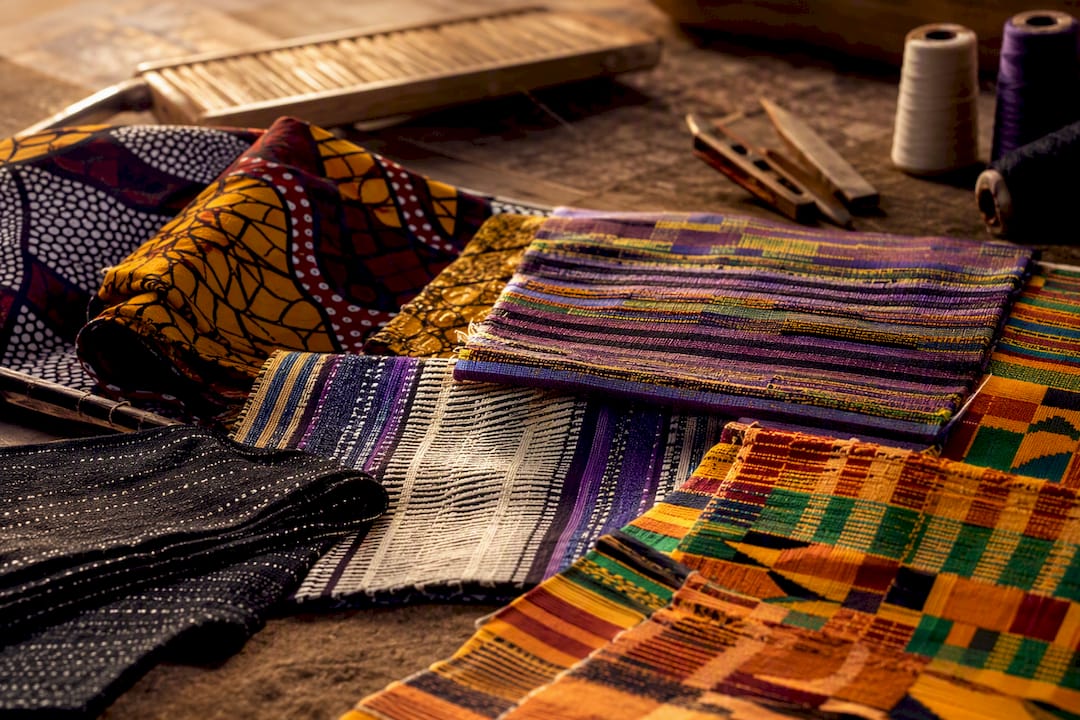
Kente gowns and Aso Oke pieces cost more, and for good reason: hand-loomed cloth takes considerably longer to produce than a printed cotton, and a gown built around a specific pattern placement requires a cutter who understands the fabric's grammar rather than just its yardage. Custom orders, whether Kente, heavily beaded lace overlays, or made-to-measure agbada sets, carry the highest price simply because of the labor and lead time involved.
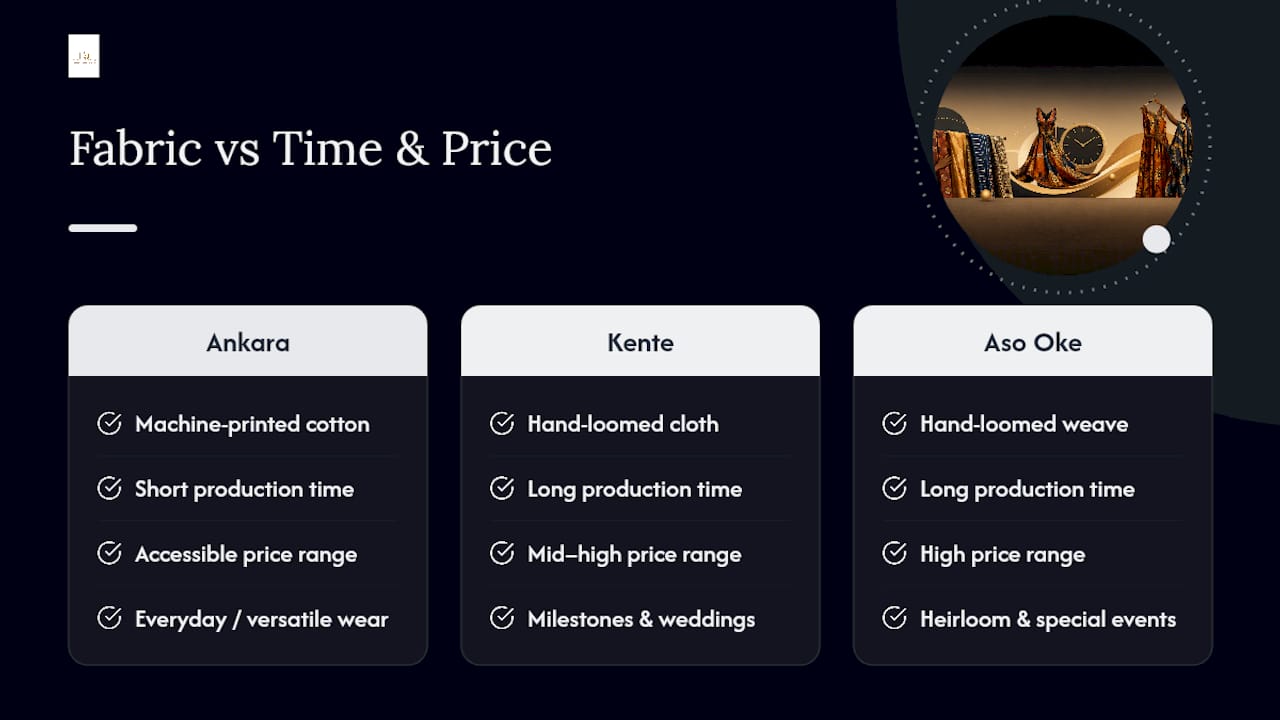
Budgeting smart means matching your spending to the occasion. A wedding guest outfit worn once justifies renting your enthusiasm toward a statement Ankara piece rather than a hand-loomed gown you'll wear twice a decade. A milestone event, your own wedding, a fiftieth birthday, a homecoming, is where investing in Kente or Aso Oke earns its cost, since those fabrics are built to last for generations if you care for them properly. If you're building a rotation for regular events, prioritize two or three versatile Ankara pieces over one expensive gown that only fits a single kind of occasion.
Which Dress Style Fits Your Body Shape and Personal Style?
Silhouette choice should start with what you want to emphasize, not with a size label. A dropped-waist kaftan or bubu skims the body loosely, which makes it a forgiving choice if you want comfort over definition, while a fitted Kaba & Slit set defines the waist and works well if you like a more sculpted line.
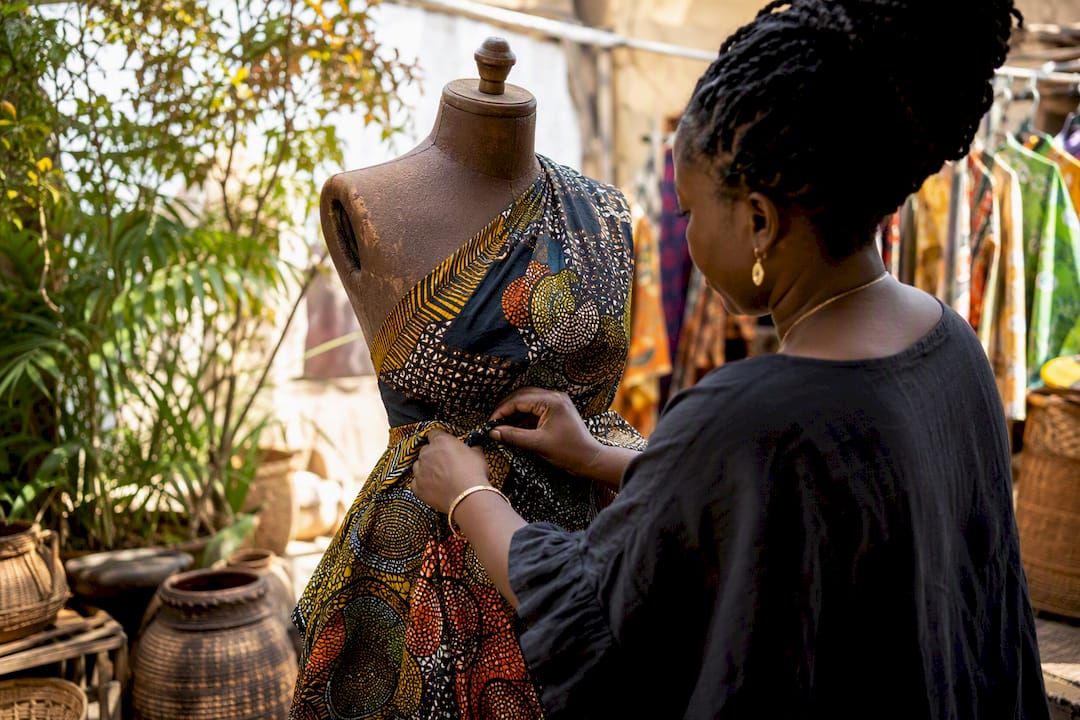
Mermaid and fishtail silhouettes flatter a defined waist and hip curve, since the fabric hugs through the torso before flaring at the knee. If you're pear shaped, that flare draws the eye downward in a flattering way; if you're straighter through the hips, a peplum detail at the waist can add the same visual curve without needing the fishtail cut. Petite frames often read better in a Kaba & Slit with a shorter blouse and higher wrapper line, which avoids the fabric overwhelming a smaller frame the way a full-length bubu can.
Personal style matters just as much as body shape. If you gravitate toward minimalism, a solid Bazin gown in one bold color reads clean without competing prints. If you love pattern layering, Ankara sets let you mix a bold top with a complementary skirt print without the clash a single busy fabric can create in a one-piece gown. There's no universal right answer here, only the fit and print density that make you want to wear the piece again.
How Do You Care for West African Dress Fabrics?
Hand-loomed and printed fabrics need different care, and treating them the same is the fastest way to shorten a garment's life. Ankara wax prints tolerate a gentle machine wash in cold water, but they should always go inside out and away from direct heat drying, since high heat degrades the wax coating that gives the print its sheen over time.
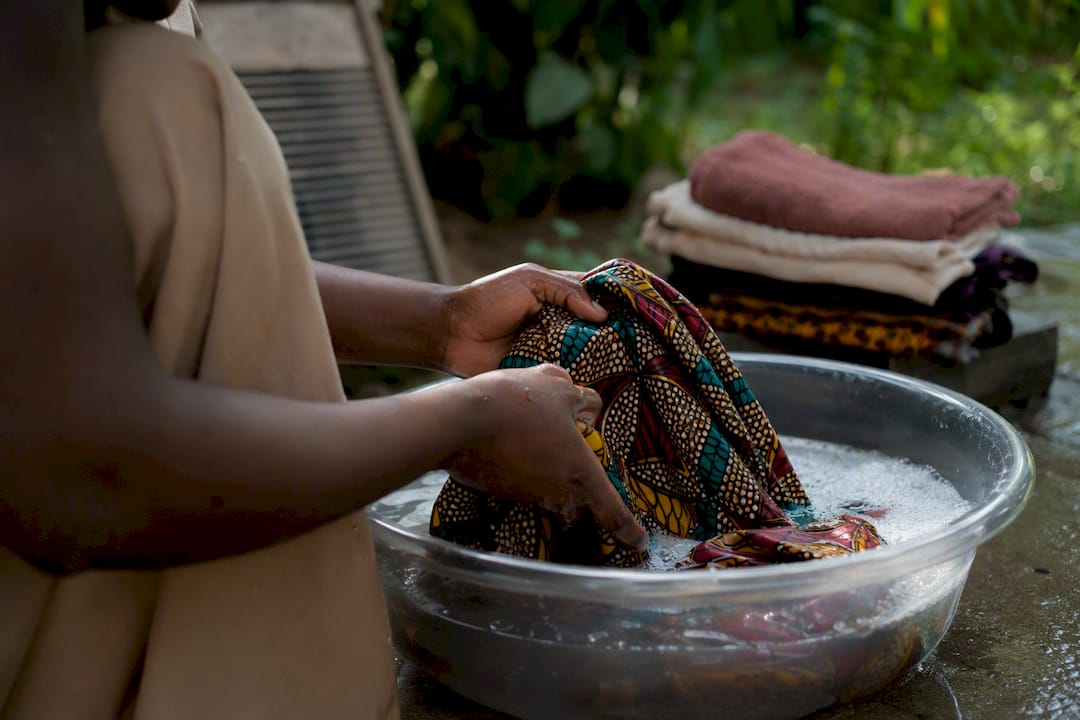
Kente and Aso Oke, both hand-loomed, should be hand washed or dry cleaned only. Machine agitation breaks down the structural threads that hold the weave's pattern in place, and once a Kente strip loosens, the motif distorts permanently. Bogolan mud cloth is the most delicate of the group: spot clean where possible, since the mud-based dye can fade or shift with repeated full washing.
Store heavier pieces like Kente gowns and Aso Oke sets flat or on padded hangers rather than folded for long periods, which prevents permanent creasing across the weave. Keep beaded or embroidered overlays away from direct sunlight in storage, since UV exposure fades embellishment faster than the base fabric itself. A little care up front protects a piece that, done right, should outlast whatever trend cycle brought you to it.
What Actually Matters When You're Buying a West African Dress
Most shopping guides tell you to "look for quality" without ever defining what that means, which leaves buyers guessing at the exact moment they need clarity most. Quality in West African dress shopping is measurable: it's pattern alignment at the seams, a named fabric instead of a vague label, and a size chart with real numbers behind it. Anyone can photograph a pretty dress on a model. Fewer sellers will show you the inside seam.
The conventional advice also underweights occasion planning. Buyers tend to shop for the dress first and figure out where they'll wear it later, when the smarter approach flips that order. A Kente gown bought for a wedding guest slot but never worn again is a worse investment than a versatile Ankara set you can restyle five different ways.
If you take one thing from this, prioritize sellers who treat fabric literacy as part of the sale, not an afterthought. That transparency is the single strongest predictor of whether the dress in your cart matches the one that arrives.
— Sena
Shop Curated, Ethically Made West African Dresses
Senanukunu is the alternative to combing through marketplace listings with no fabric names, no real photos, and no size chart to trust. Every piece in the collection is produced in limited quantities through artisan partnerships, with fabric details and measurements published upfront so you know exactly what's arriving at your door.
Made-to-order options are available for pieces where fit matters most, and the sizing guidance on each product page is built to reduce the kind of guesswork that leads to returns elsewhere. Browse the current collection at Senanukunu or check the latest style previews to see what's newly available before it sells out.
Where Can You Learn More About West African Textiles?
For deeper cultural context beyond this guide, the Kente overview from Craft Atlas traces the fabric's weaving history and its modern adaptations. The Confluence's piece on clothing grammar explains why pattern placement carries cultural meaning, and Senanukunu's own guide to contemporary West African motifs breaks down specific print symbolism for shoppers who want to go further.
Sources
- Cultural literacy and clothing grammar (The Confluence)
- Five Kente styles Fante women wear and the living grammar behind each one | OMIREN STYLES
- Cameroonian, Nigerian & West African Attire for Weddings & Special Events (MamaLisa)
- Kente overview (Craft Atlas)