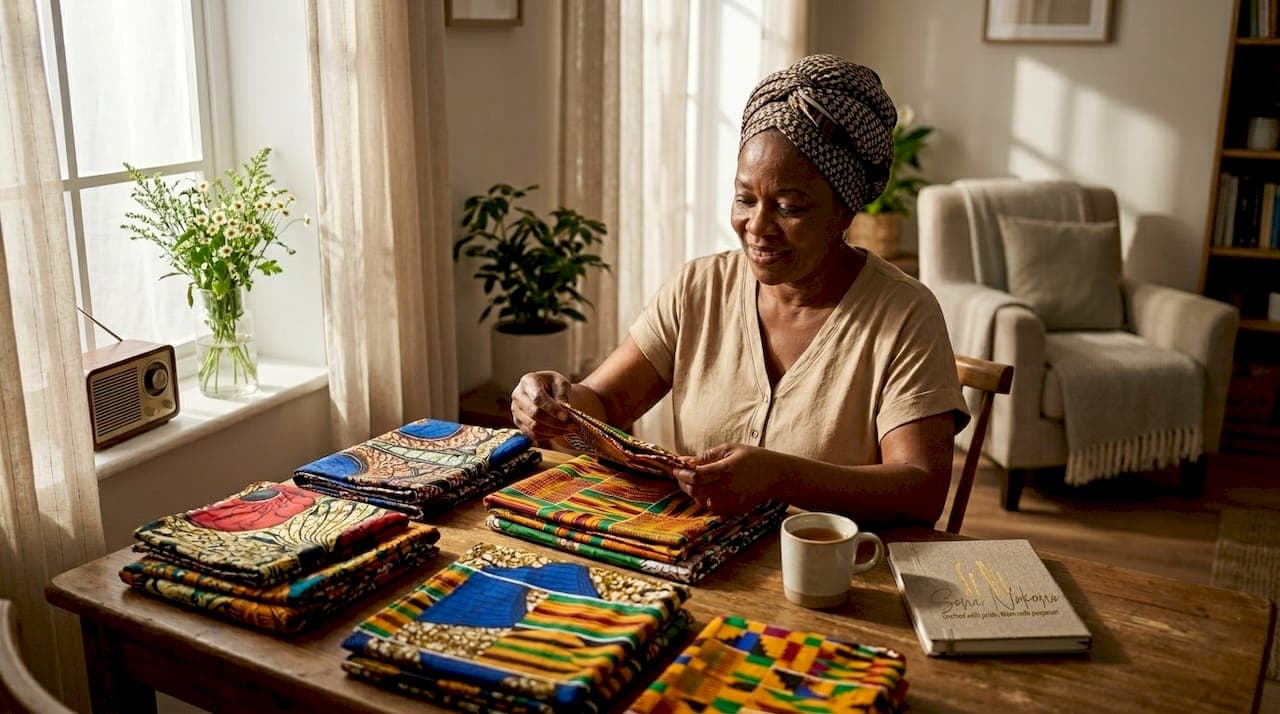
You pull your favorite Ankara dress from the closet, and something feels wrong. The bold, sun-bright colors that made you fall in love with it look a little duller, a little tired. It happens faster than most people expect, and it's heartbreaking when a garment that carries so much cultural meaning begins to fade. The good news is that African textiles require specific care to preserve their vibrancy and artisanal craftsmanship, and the right techniques are well within reach. This guide walks you through every step, from choosing the right detergent to storing your pieces like a curator, so your fabrics stay as alive and powerful as the heritage they represent.
Table of Contents
- Understanding African fabrics: Common types and care challenges
- Preparing to wash: Safe detergents, water temperature, and pre-treatment
- Gentle cleaning and drying: Handwashing, machine care, and drying techniques
- Storing and displaying African fabrics: Preventing wear, fading, and long-term damage
- Our take: Caring for African fabrics honors heritage and empowers artisans
- Discover vibrant, authentic African styles by Sena Nukunu
- Frequently asked questions
Key Takeaways
| Point | Details |
|---|---|
| Use gentle detergents | Always choose pH-neutral, plant-based detergents to protect colors and artisanal methods. |
| Handwash for longevity | Handwashing African fabrics with cold water preserves their vibrant hues and unique textures. |
| Store in ideal conditions | Keep textiles in cool, dry places and use tissue padding to prevent creasing and fading. |
| Prevent color bleeding | Adding salt to wash water helps Ankara and other bold-print fabrics resist color loss. |
| Connect care to heritage | Proper maintenance is an act of honoring African craftsmanship and supporting ethical fashion. |
Understanding African fabrics: Common types and care challenges
Every African fabric tells a story, and understanding what makes each one unique is the first step toward protecting it. West African textiles are as varied as the communities that create them, and each type comes with its own personality, its own vulnerabilities, and its own set of care needs.
Ankara is a cotton-based wax-print fabric known for its bold, graphic patterns and saturated colors. Kente is a hand-woven silk and cotton cloth from Ghana, celebrated for its geometric designs and symbolic color combinations. Adire is a Yoruba indigo-dyed fabric made using resist-dyeing techniques, giving it a beautifully irregular, organic look. Batik uses wax-resist dyeing on cotton or silk to create layered, painterly patterns. Bogolan, also called mudcloth, is a Malian textile dyed with fermented mud, producing earthy, matte tones that carry deep cultural meaning.
These fabrics share one common challenge: their dyes and weaves are sensitive. Nearly 60% of vibrant African garments show fading within the first year without specialty care. The reasons are straightforward once you know them.
| Fabric | Dye type | Weave/construction | Common challenge |
|---|---|---|---|
| Ankara | Synthetic wax-print | Woven cotton | Color bleeding, fading |
| Kente | Natural and synthetic | Hand-woven strips | Unraveling, stretching |
| Adire | Natural indigo | Woven cotton | Dye transfer, shrinkage |
| Batik | Wax-resist dye | Cotton or silk | Cracking wax residue, fading |
| Bogolan | Fermented mud dye | Hand-woven cotton | Color loss with harsh wash |
Here are the key vulnerabilities to keep in mind:
- Color bleeding is common in fabrics with deep, saturated dyes, especially on first wash
- Delicate weaves like Kente can stretch or unravel if handled roughly or hung while wet
- Natural dyes used in Adire and Bogolan are especially sensitive to heat and alkaline chemicals
- Wax coatings in Ankara and Batik can crack or dissolve under hot water
Understanding fashion heritage and ethics means recognizing that these fabrics are not just clothing. They are living artifacts, and caring for them is an act of respect. Learning about sustainable fashion trends can also help you make choices that support the artisans behind every thread.
Preparing to wash: Safe detergents, water temperature, and pre-treatment
With a clear understanding of fabric types and their vulnerabilities, it's crucial to know how to prep garments for cleaning without risking fading or damage. The washing process begins long before your fabric touches water.
The single most important product decision you will make is your detergent. Avoid bleach, harsh chemicals, and hot water and instead choose pH-neutral, plant-based detergents that clean without stripping dyes or breaking down natural fibers. Conventional detergents are often alkaline, which can react with natural dyes and cause irreversible color loss.
| Detergent type | Effect on African fabrics | Recommended? |
|---|---|---|
| pH-neutral, plant-based | Gentle on dyes and fibers | Yes |
| Standard laundry detergent | Can fade colors, weaken fibers | Use with caution |
| Bleach-based products | Destroys natural and synthetic dyes | Never |
| Enzyme-based detergents | May break down protein-based dyes | Avoid for Adire/Bogolan |
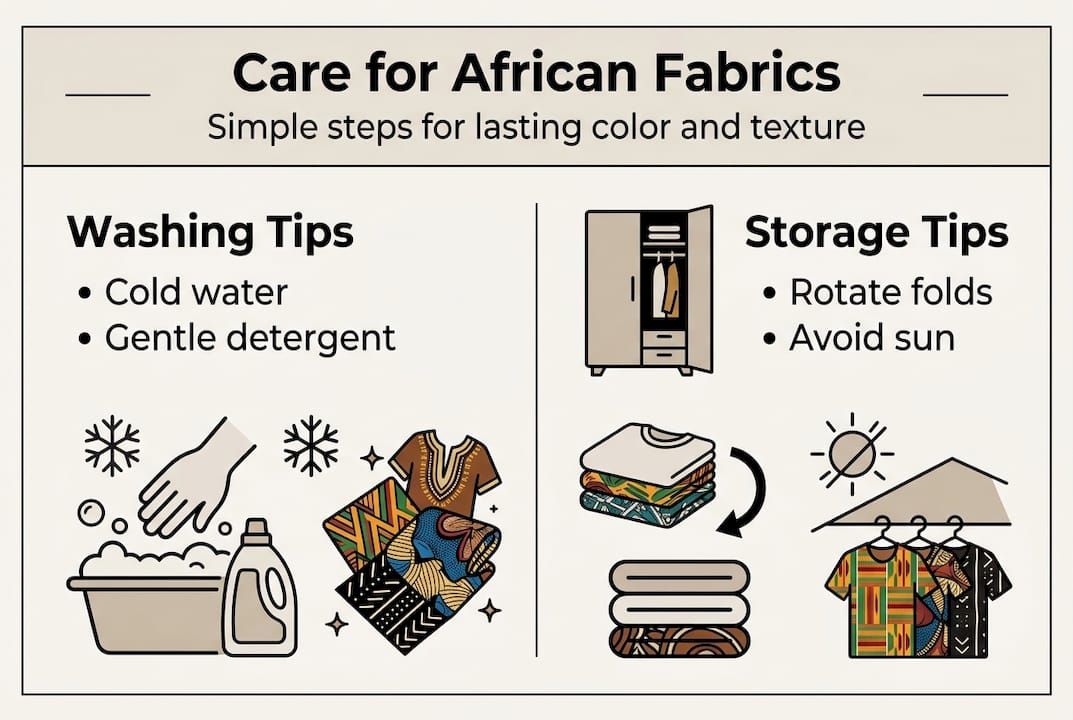
You can find eco-friendly detergents that are specifically formulated to be gentle on textiles and the environment. Cold water is non-negotiable. Heat accelerates dye release and can cause shrinkage in woven fabrics.
Follow these pre-wash steps before every wash:
- Sort by color family. Keep deep, saturated colors separate from lighter pieces to prevent dye transfer.
- Test for colorfastness. Dampen a hidden corner of the fabric with cold water and press a white cloth against it. If color transfers, wash the piece alone.
- Shake out loose dust. Gently shake or brush the garment to remove surface dust before it gets wet and sets deeper into fibers.
- Pre-treat stains carefully. Dab a small amount of diluted pH-neutral detergent onto the stain and let it sit for five minutes. Never rub aggressively.
Important: Never use bleach or any chlorine-based product on African fabrics. Even a small amount can permanently strip natural dyes and damage the integrity of hand-woven fibers.
Pro Tip: For Ankara specifically, add a small pinch of salt to your cold washing water before adding the garment. This traditional Nigerian textile tip helps fix colors and significantly reduces bleeding, especially on the first few washes.
Exploring modern West African style and building your Afrocentric fashion wardrobe becomes so much more rewarding when you know your pieces will stay vibrant for years.
Gentle cleaning and drying: Handwashing, machine care, and drying techniques
After prepping your garments with gentle, eco-friendly solutions, let's tackle the cleaning and drying process for maximum preservation. How you wash is just as important as what you wash with.
Handwashing is the gold standard for most African fabrics. Follow these steps:
- Fill a clean basin with cold water and add a small amount of pH-neutral detergent.
- Submerge the garment and gently swish it through the water using your hands. No scrubbing, no twisting.
- Let it soak for no more than ten minutes.
- Rinse thoroughly with cold water until no soap remains.
- Gently press the water out by folding the fabric and applying light pressure. Never wring or twist.
For sturdier fabrics like Ankara, machine washing is acceptable when done carefully. Place the garment inside a mesh laundry bag, select the delicate cycle, use cold water, and choose a low spin speed. This protects the fabric from friction and mechanical stress. As a rule, hand wash Kente cold and lay flat to dry rather than hanging it, since the weight of water can stretch and distort the woven strips.
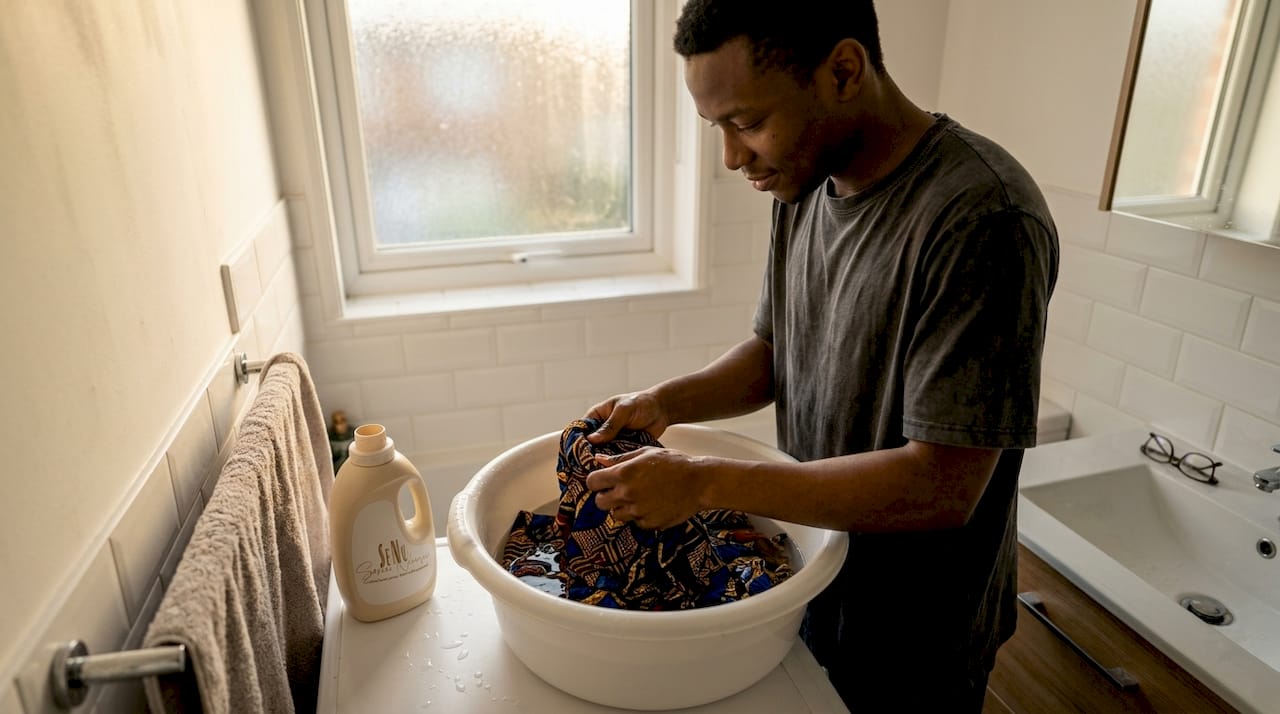
For more practical guidance on keeping Ankara bright, local textile experts offer tried-and-true methods that go beyond the basics.
Drying options matter enormously:
- Lay flat on a clean, dry towel to maintain the garment's shape and prevent stretching
- Avoid direct sunlight entirely, as UV exposure is one of the fastest ways to fade vibrant dyes
- Never hang heavy woven fabrics like Kente while wet, since gravity will pull and distort the weave
- Use a shaded, well-ventilated area indoors for the best results
Pro Tip: When folding garments to dry or store, tuck small pieces of acid-free tissue paper into the folds. This prevents permanent crease lines from forming in delicate or stiff fabrics.
When you invest in wearing statement pieces that carry cultural meaning, the extra care you give them during cleaning becomes a quiet act of honoring that meaning.
Storing and displaying African fabrics: Preventing wear, fading, and long-term damage
Once your fabrics are properly cleaned and dried, effective storage ensures their beauty and craftsmanship last for years. Even perfectly washed garments can deteriorate quickly in the wrong environment.
Here are the essentials for ideal storage:
- Keep fabrics in a cool, dry, ventilated space away from humidity, which encourages mildew and fiber breakdown
- Store away from direct light, whether sunlight or artificial, since prolonged exposure fades even the most resilient dyes
- Use acid-free tissue paper to pad folds and prevent permanent crease marks from forming over time
- Choose acid-free boxes or breathable cotton storage bags over plastic, which traps moisture and can cause yellowing
- Avoid wire hangers for any fabric, and limit long-term hanging for heavier pieces that can stretch under their own weight
Museum textile conservation practices recommend storing pieces in a cool, dry, ventilated place, avoiding long-term folding creases, and using tissue padding throughout. These are not just museum rules. They are practical habits any passionate collector or fashion lover can adopt at home.
Before attempting any wet cleaning on a treasured piece, always perform a spot test in an inconspicuous area. For irreplaceable or very delicate textiles, consult a professional textile conservator first.
For garments you love to display, rotate them regularly so no single piece bears prolonged light exposure. If you enjoy showcasing your ethical fashion picks as part of your home's visual story, use UV-filtering glass or keep pieces in shaded areas.
Pro Tip: Every few months, gently unfold and refold stored garments in a slightly different position. This simple habit prevents fiber stress from accumulating along the same crease lines and extends the life of your most treasured pieces.
Our take: Caring for African fabrics honors heritage and empowers artisans
Here is something most conventional fashion advice misses entirely: caring for your clothing is not just maintenance. It is a moral act. When you choose a pH-neutral detergent over a harsh chemical one, you are not just protecting a garment. You are protecting the hours an artisan spent perfecting a dye recipe passed down through generations.
Conventional care routines are often designed for mass-produced, synthetic fabrics that can handle aggressive washing. African heritage textiles operate on a different philosophy entirely. They were made with intention, and they deserve to be maintained with the same spirit.
As we see it, every wash with eco-friendly products shields artisan dye work for future generations. That is not an exaggeration. It is a direct line between your laundry routine and the survival of a craft tradition.
Pro Tip: When you purchase a piece directly from an artisan or a culturally rooted brand, ask what care methods they recommend. Local knowledge about specific fabrics is often more precise and more trustworthy than any general guide.
Fashion is storytelling, and maintenance is how you write your own page in that story. Supporting empowering West African artisans through conscious care choices is one of the most meaningful ways to honor the legacy woven into every piece you own.
Discover vibrant, authentic African styles by Sena Nukunu
You now have the knowledge to keep your African fabrics looking as radiant and intentional as the day they were made. That care and passion deserves to be matched by pieces that are equally worthy of your attention.
At Sena Nukunu, every garment is ethically crafted with purpose, cultural pride, and artisan skill at its heart. When you explore vibrant styles from our curated collections, you are choosing fashion that carries meaning far beyond its pattern. Browse our unique African dresses and African collections to find your next statement piece. Each purchase comes with fabric care guidance so your garment stays as alive and beautiful as the heritage it represents.
Frequently asked questions
Can I machine wash African fabrics, or is handwashing always best?
Handwashing is recommended for most African fabrics, but machine washing on a gentle cycle inside a mesh bag is acceptable for sturdier textiles like Ankara. For delicate woven pieces, always hand wash Kente cold and lay flat to dry.
How do I prevent color bleeding in bold-patterned fabrics like Ankara?
Add a small pinch of salt to your cold washing water before submerging the garment, a proven tip from Nigerian textile experts that helps fix colors and keep Ankara bright through repeated washes.
What is the ideal storage environment for African textiles?
Store fabrics in a cool, dry, ventilated area and use acid-free tissue and boxes to avoid permanent creasing and moisture damage, following textile conservation guidelines used by professional curators.
What detergent should I use to protect artisan dyes and heritage textiles?
Choose pH-neutral, plant-based detergents and avoid bleach and harsh chemicals entirely, as they permanently strip natural dyes and damage the integrity of hand-crafted fibers.