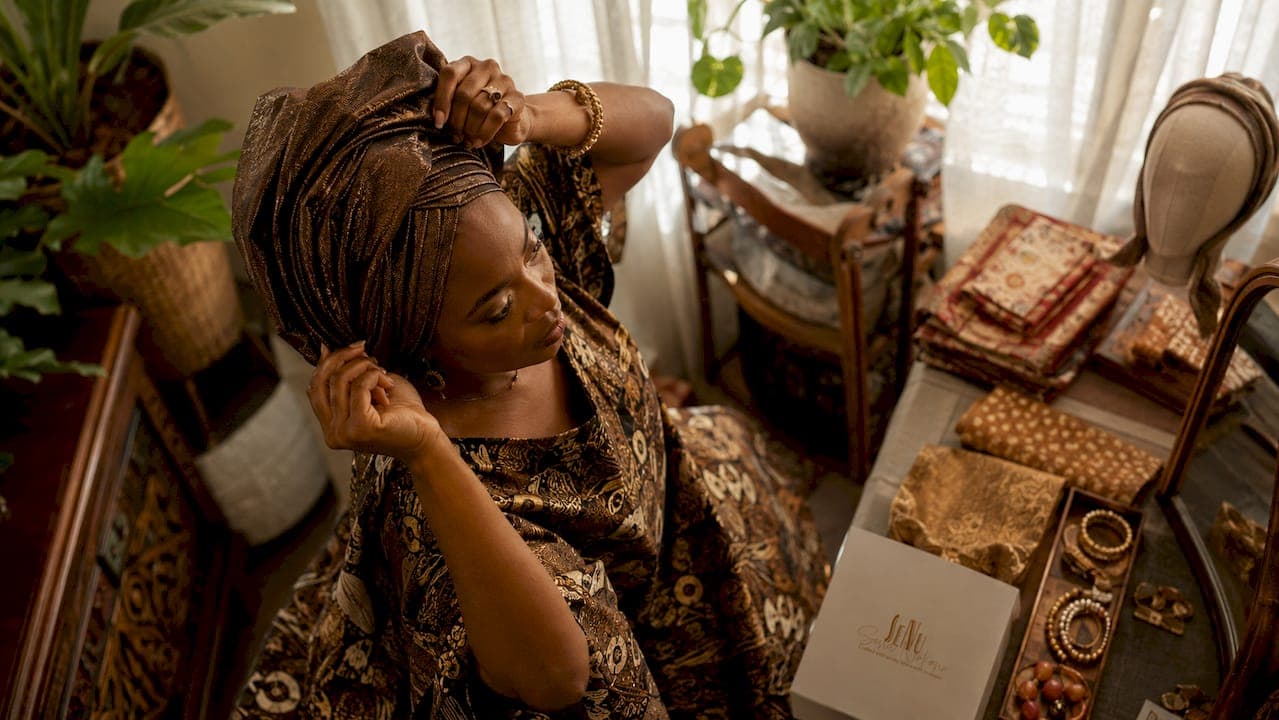
TL;DR:
- African ceremonial headwear functions as a non-verbal language that expresses social status, gender, and spiritual beliefs. It embodies cultural identity, links to ancestral roots, and acts as a sacred shield protecting spiritual essence. Diaspora communities worldwide continue wearing headwraps to honor tradition, pride, and resistance.
Headwear in African ceremonies is defined as a sacred cultural symbol that communicates spiritual essence, social identity, and community belonging simultaneously. Across Yoruba, Igbo, Akan, and Wolof traditions, ceremonial headwear encodes meaning that no spoken word can fully replace. The role of headwear in African ceremonies extends far beyond aesthetics. Every crown, wrap, and headdress carries a living vocabulary of status, ancestry, and spiritual protection that has been refined across generations.
How does headwear communicate social status and identity in African ceremonies?
Ceremonial headwear functions as a visual social code, communicating tribal association, gender, religion, and social rank with precision. Structured systems refined over generations make each style readable to those within the culture. You do not need words when the headwear speaks for you.
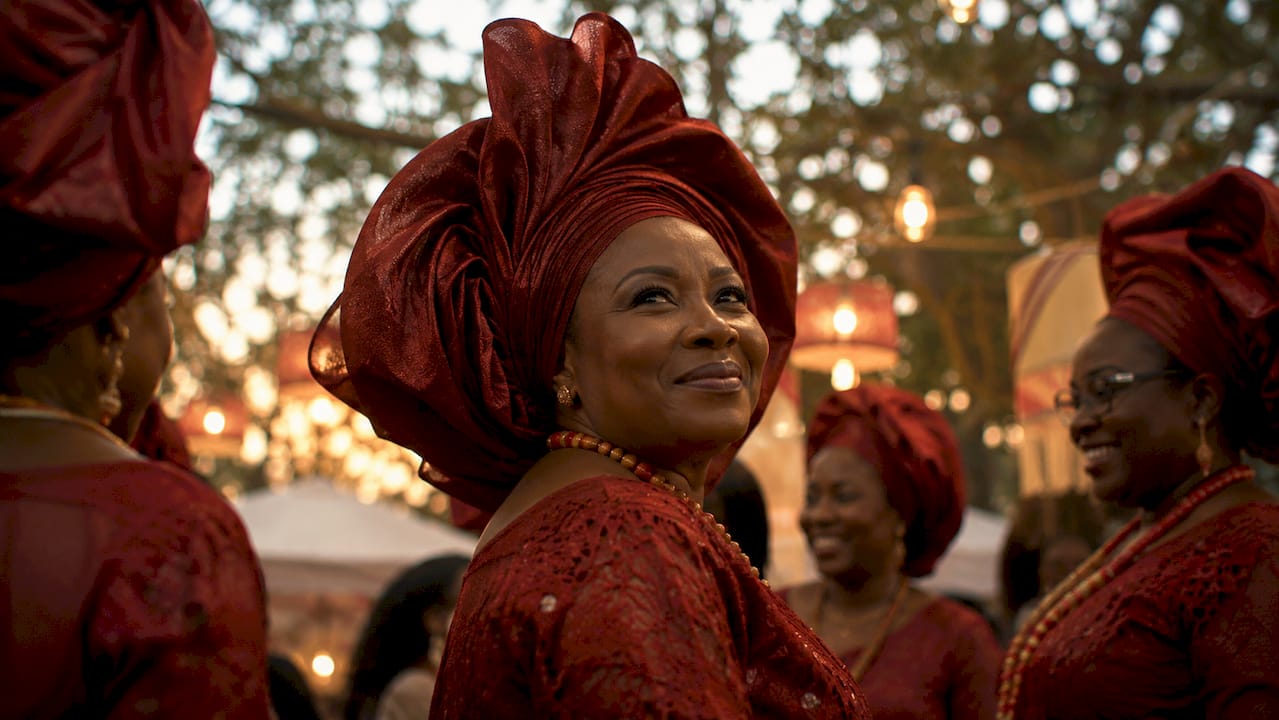
Among Yoruba women, the gele signals far more than occasion. The height of the fold, the stiffness of the fabric, and the color chosen together announce the wearer's age, marital status, and relationship to the ceremony. A bride's gele differs visibly from that of a senior woman in the same room, and both differ from a mourner's wrap.
The Igbo Ichafu Nnukwu carries its own authority. This voluminous, sculptural headwrap is worn as part of a coordinated wrapper and blouse ensemble, marking seniority and membership in women's societies. Wearing it incorrectly or without earned status is a social transgression, not a fashion misstep.
The Wolof of Senegal and Gambia apply equally precise rules. Their regulated head coverings distinguish marital status, age, religious standing, and occasion with a specificity that illustrates the pan-African depth of headwear symbolism. Akan women follow similar codes, with wrapped head styles encoding political and spiritual standing within the community.
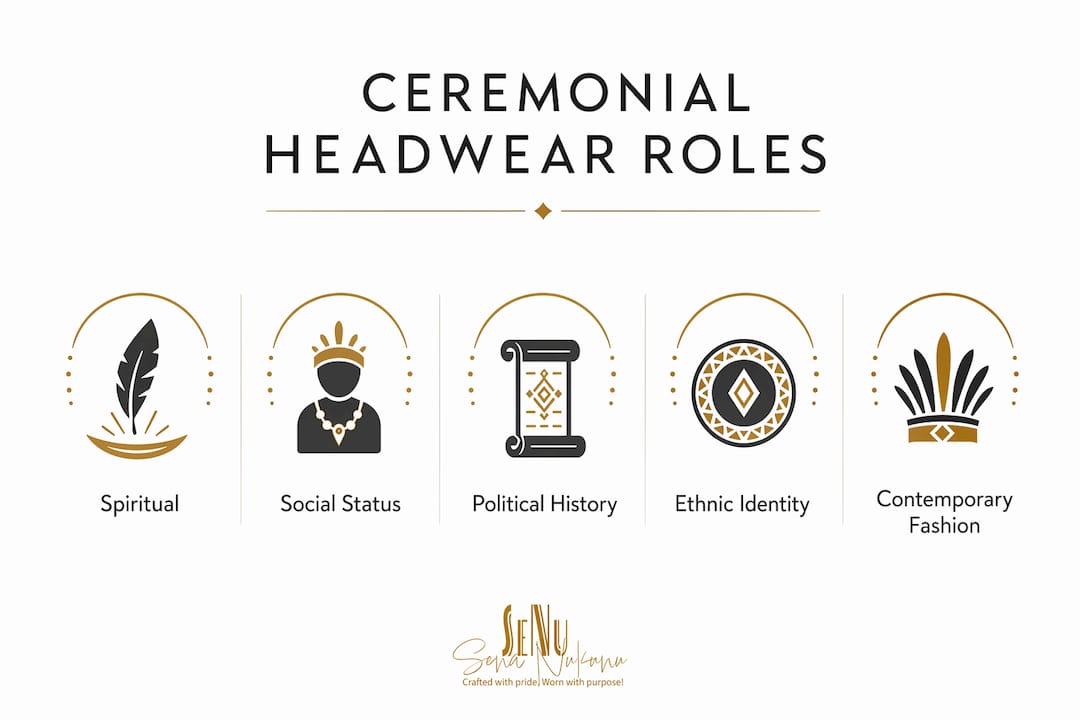
Key social signals communicated through ceremonial headwear include:
- Height and structure: Taller, more architectural forms signal higher status or ceremonial authority.
- Fabric and texture: Aso-oke and brocade fabrics indicate formal, high-status occasions.
- Color: White signals mourning or spiritual purity in many traditions; gold signals royalty.
- Tying style: Specific folds and knots identify the wearer's relationship to the event.
Pro Tip: When attending an African ceremony, observe the headwear before the program begins. The room's social hierarchy will reveal itself through fabric, height, and color before a single introduction is made.
What spiritual and ritual roles do headwear fulfill in African ceremonies?
The head holds the highest spiritual significance in Yoruba metaphysics. The ori, meaning one's personal spiritual essence and destiny, is believed to reside in the head. Headwear therefore becomes a spiritual shield and vessel, handled with ritualized intentionality during every ceremony.
This belief transforms the act of covering the head from a social gesture into a sacred one. A Yoruba woman wrapping her head before a ceremony is not simply dressing. She is honoring her ori, protecting her spiritual self, and signaling readiness to enter a sacred communal space.
The Yoruba royal crown, the adé ńlá, makes this spiritual logic visible in its design. The crown is conical and decorated with birds symbolizing spiritual forces associated with women, reflecting ancestral continuity. Its most striking feature is a beaded veil that hides the ruler's face entirely, emphasizing the sacred office over the individual person wearing it.
Ritual protocols around headwear are also gendered in deliberate ways:
- The Yoruba royal crown requires placement by senior women, not the king himself.
- This act symbolizes the balance between male leadership and female spiritual authority.
- The crown cannot be handled casually. Its placement follows specific ceremonial sequences.
- Gendered roles in headwear rituals reflect a broader understanding that spiritual power is shared, not singular.
"The head is never ordinary. Every crown, wrap, and headdress placed upon it carries the weight of ancestry, the protection of the divine, and the responsibility of the living."
This principle runs through traditions far beyond Yoruba culture. Across the continent, the act of covering the head in ceremony is an acknowledgment that the wearer stands at the intersection of the human and the sacred.
How have historical and political contexts shaped the meaning of African ceremonial headwear?
Colonial powers understood the communicative power of headwear and moved to control it. The Louisiana tignon law of 1786 mandated that free Black women wear headwraps as markers of racial subordination. The intent was to diminish. The result was the opposite.
Free Black women transformed the tignon into a symbol of aesthetic defiance, wrapping their heads in the finest fabrics and most elaborate styles available. The law meant to suppress became the occasion for a new visual language of resistance and pride. That transformation is one of the most documented examples of cultural reclamation through dress in the Americas.
In apartheid South Africa, similar dynamics played out. Headwear became a site of political contest, regulated by the state and reclaimed by liberation movements. The act of wearing traditional headwear in public carried deliberate political weight.
| Context | Headwear Role | Outcome |
|---|---|---|
| Louisiana, 1786 | Mandated subordination marker | Reclaimed as aesthetic resistance |
| Apartheid South Africa | Regulated and suppressed | Reclaimed by liberation movements |
| African diaspora, Britain and France | Cultural identity marker | Legal challenges in some countries |
| Contemporary United States | Spiritual practice and cultural pride | Ongoing diaspora tradition |
The diaspora carried these layered histories across the Atlantic and into new contexts. In Britain, France, and the United States, wearing a headwrap today draws on all of these histories at once. Reducing it to a single narrative of "pride" or "resistance" misses the semantically dense histories embedded in every fold.
What are notable styles and their meanings across major African ethnic groups?
African ceremonial headwear styles vary widely, but each tradition applies consistent internal logic. Understanding that logic is the key to reading what you see at a ceremony.
Yoruba gele
The Yoruba gele is the most internationally recognized African ceremonial headwrap. It is tied from a single length of stiff fabric, most commonly aso-oke, and shaped into a structured form that rises above the head. The colors, fabric, and silhouette signal affiliation, status, and intention, creating temporary communal identities at weddings, naming ceremonies, and funerals. A high, fan-shaped gele at a wedding signals celebration and seniority. A lower, softer wrap at a funeral signals grief and respect.
Igbo Ichafu Nnukwu
The Ichafu Nnukwu is a voluminous, sculptural headwrap worn by Igbo women as part of a coordinated ceremonial ensemble. Its size and shape communicate the wearer's seniority and group membership. Younger women do not wear this style. It belongs to women who have earned their place in the community's social and ceremonial structure.
Akan queen mother styles
Among the Akan, the queen mother's wrapped head styles encode both political and spiritual status. The form and fabric chosen communicate her role as a custodian of tradition and a spiritual authority within the community. Her headwear is not decorative. It is a declaration of office.
Wolof head coverings
The Wolof apply the most regulated system of headwear symbolism. Their head coverings distinguish marital status, age, religious standing, and occasion with precision. A Wolof woman's headwear tells her community exactly who she is and what role she occupies in the gathering.
Pro Tip: When you see West African cultural fashion that includes elaborate headwear, look at the fabric coordination first. Matching textiles between headwear and clothing almost always signal a formal, high-status ceremonial context.
How is African ceremonial headwear relevant in contemporary culture and fashion?
Traditional headwear continues to carry its full cultural weight in ceremonies and community gatherings today. Diaspora communities in the United States, Britain, and France wear gele and headwraps at weddings, naming ceremonies, and religious events with the same intentionality as their counterparts on the continent. The practice continues with the original cultural codes intact.
Ceremonial headwear also shapes how the wearer occupies space. Structured headwear alters posture and demands composure. It is, as one cultural analysis describes it, an architectural garment that impacts social behavior and presence. Wearing a tall, structured gele changes how you sit, how you move, and how others perceive you in the room.
Contemporary relevance shows up in several interconnected ways:
- Global fashion media has recognized the gele as a statement piece, featuring it in international publications and on red carpets.
- Diaspora communities use headwraps as a form of spiritual practice, cultural pride, and natural hair protection, often all three at once.
- African fashion icons have brought ceremonial headwear styles into mainstream visibility, creating wider appreciation for their cultural depth.
- Legal restrictions on religious garments in France and parts of Europe create ongoing tension for diaspora communities whose headwear carries both cultural and spiritual meaning.
The challenge today is maintaining the depth of meaning as headwear styles gain global visibility. When a style travels without its cultural context, it risks being reduced to decoration. Communities and educators who share the full story of what each style means are doing preservation work as much as cultural celebration.
Key Takeaways
African ceremonial headwear is a living cultural vocabulary that encodes spiritual essence, social status, and historical resilience in every fold and fabric choice.
| Point | Details |
|---|---|
| Headwear as cultural vocabulary | Each style communicates status, identity, and ceremony type without a single spoken word. |
| Spiritual significance of the ori | In Yoruba tradition, headwear protects the ori, the spiritual essence residing in the head. |
| Historical resistance | Colonial laws meant to suppress headwraps were transformed into symbols of defiance and pride. |
| Ethnic diversity of styles | Yoruba gele, Igbo Ichafu Nnukwu, Akan wraps, and Wolof coverings each carry distinct social codes. |
| Living diaspora tradition | Diaspora communities continue wearing ceremonial headwear with its full cultural meaning intact. |
What ceremony taught me about reading a room
The most common mistake people make when encountering African ceremonial headwear is treating it as decoration. I have seen this happen at weddings, naming ceremonies, and cultural events where guests admire the beauty of a gele without realizing they are looking at a complete social biography. The height of the wrap, the stiffness of the fabric, the color chosen for that specific day. All of it is intentional.
What strikes me most is the posture. Structured headwear demands it. You cannot wear a tall, architectural gele and slouch. The garment teaches the body how to carry itself, and that physical composure communicates dignity and presence to everyone in the room. This is not accidental. It is exactly what the tradition intends.
The deeper lesson is about cultural literacy. Headwear in African ceremonies is a language, and like any language, it rewards those who take the time to learn it. You do not need to be an insider to appreciate it. You need to be curious and respectful enough to ask what you are seeing rather than assume you already know.
Reducing any of these traditions to "fashion" or "style" flattens centuries of meaning into a single, shallow dimension. The cultural heritage behind these choices is the point. The beauty is the result of that depth, not the other way around.
— Sena
Authentic African fashion that honors the tradition
At Senanukunu, every piece in the collection is designed with that same depth of intention. The craftsmanship, the fabric choices, and the silhouettes all draw from West African heritage with care and purpose.
If this article has deepened your appreciation for the cultural significance of African dress, you will find that same spirit woven into Senanukunu's curated apparel collection. Each piece is ethically made, limited in quantity, and rooted in the traditions that make West African fashion one of the most expressive and meaningful in the world. From statement dresses to coordinated sets, the collection honors the legacy that ceremonial dress has always carried. Wear it with the knowledge of what it represents.
FAQ
What is the role of headwear in African ceremonies?
Headwear in African ceremonies communicates spiritual essence, social status, identity, and community belonging. It functions as a non-verbal language that signals the wearer's relationship to the ceremony, their rank, and their cultural affiliation.
What does the Yoruba gele symbolize?
The Yoruba gele signals the wearer's age, marital status, and relationship to the occasion through its height, fabric, and color. A high, structured gele in aso-oke fabric indicates a senior woman at a formal celebration such as a wedding.
Why is the head considered sacred in African traditions?
In Yoruba metaphysics, the head houses the ori, the personal spiritual essence and destiny of the individual. Covering the head in ceremony honors and protects this spiritual self, making headwear a sacred act rather than a purely social one.
How did colonial laws change the meaning of African headwraps?
The 1786 Louisiana tignon law mandated that free Black women wear headwraps as racial subordination markers. Free Black women responded by transforming the headwrap into a symbol of aesthetic defiance, reclaiming it as an expression of pride and resistance.
Do African diaspora communities still wear ceremonial headwear today?
Diaspora communities in the United States, Britain, and France continue wearing gele and headwraps at weddings, naming ceremonies, and religious events, carrying the full weight of the original cultural codes into contemporary practice.