TL;DR:
- African baby naming ceremony attire reflects cultural identity, community bonds, and spiritual blessings through fabric and coordinated dress codes. The Aso-ebi system assigns fabric tiers based on relationship proximity, emphasizing unity rather than individual preference. Guests should respect these traditions by dressing appropriately and consulting hosts to honor the ceremony's cultural significance.
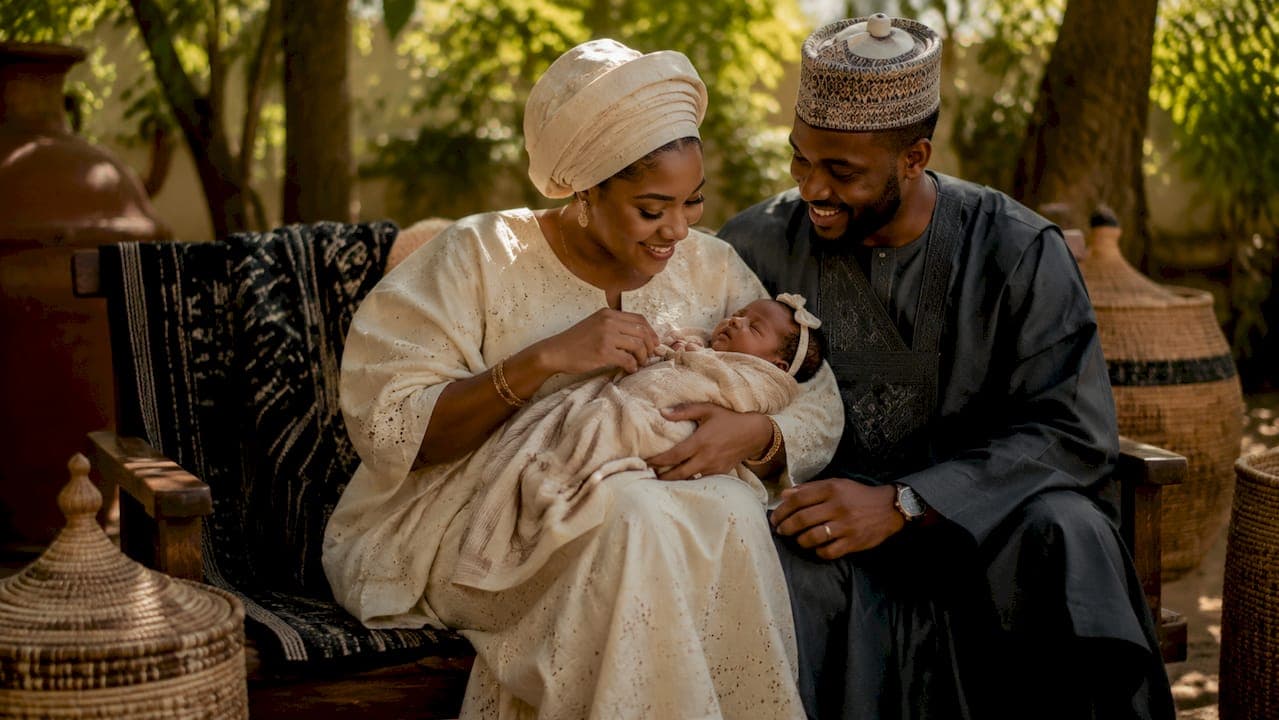
African baby naming ceremony dress is defined as the culturally prescribed attire worn by the baby, family members, and guests at a naming ceremony, one of the most sacred rites of passage across the African continent. Known formally as traditional naming ceremony attire, these garments carry meaning far beyond fashion. They signal family bonds, spiritual blessings, and community identity in a single, coordinated display of cloth and color. From the Yoruba communities of Nigeria to the Ga people of Ghana, what you wear to a naming ceremony tells the room exactly who you are and where you belong. This guide explains the fabrics, systems, and customs that make African baby naming ceremony dress one of the richest dress traditions in the world.
What is the Aso-ebi system and how does it shape naming ceremony attire?
Aso-ebi is the cornerstone of Yoruba naming ceremony dress. The term translates roughly to "family cloth" in the Yoruba language, and it describes a uniform fabric worn by members of a social group to signal solidarity and belonging. Aso-ebi originally denoted cooperation and solidarity among Yoruba groups and has since expanded well beyond blood relatives to include friends, neighbors, and well-wishers. That expansion tells you something important: the system is less about exclusivity and more about making community visible.
The mechanics of Aso-ebi are precise. Families select and distribute fabric weeks before the ceremony, with different fabric tiers assigned based on how close the recipient is to the family. The baby's immediate family wears the most distinguished tier. Extended family and close friends receive a secondary fabric. Acquaintances and general guests may wear a third option or simply dress in complementary colors. This layered system means a single glance across the room reveals the entire social map of the family.
A designated family member manages the distribution process. Aso-ebi fabrics are assigned based on relationship proximity rather than personal preference, and that assignment is managed deliberately to maintain cultural decorum. Personal style choices yield to the protocol of the group. This is not a limitation. It is the point.
The fabrics themselves are typically Ankara, Aso-oke, or lace, each carrying its own weight of tradition. Ankara is a bold, wax-printed cotton fabric widely recognized across West Africa. Aso-oke is a hand-woven strip cloth associated with Yoruba prestige. Lace, often imported and richly embroidered, signals celebration and affluence.
Key features of the Aso-ebi system:
- Fabric tiers reflect relationship proximity, not personal taste
- Coordinated colors create a unified visual identity for the family group
- A family coordinator manages fabric distribution weeks in advance
- Ankara, Aso-oke, and lace are the most common fabric choices
- Modern adaptations allow for contemporary silhouettes while preserving the fabric code
Pro Tip: If you receive an Aso-ebi fabric invitation, treat it as a formal social commitment. Having your outfit tailored from the assigned fabric, rather than buying a ready-made alternative, shows genuine respect for the family's tradition.
How do naming ceremony dress customs vary across African cultures?
African baby naming ceremony dress customs differ significantly by region, and those differences reveal how each culture understands the relationship between clothing, spirit, and community.
Yoruba naming ceremony dress
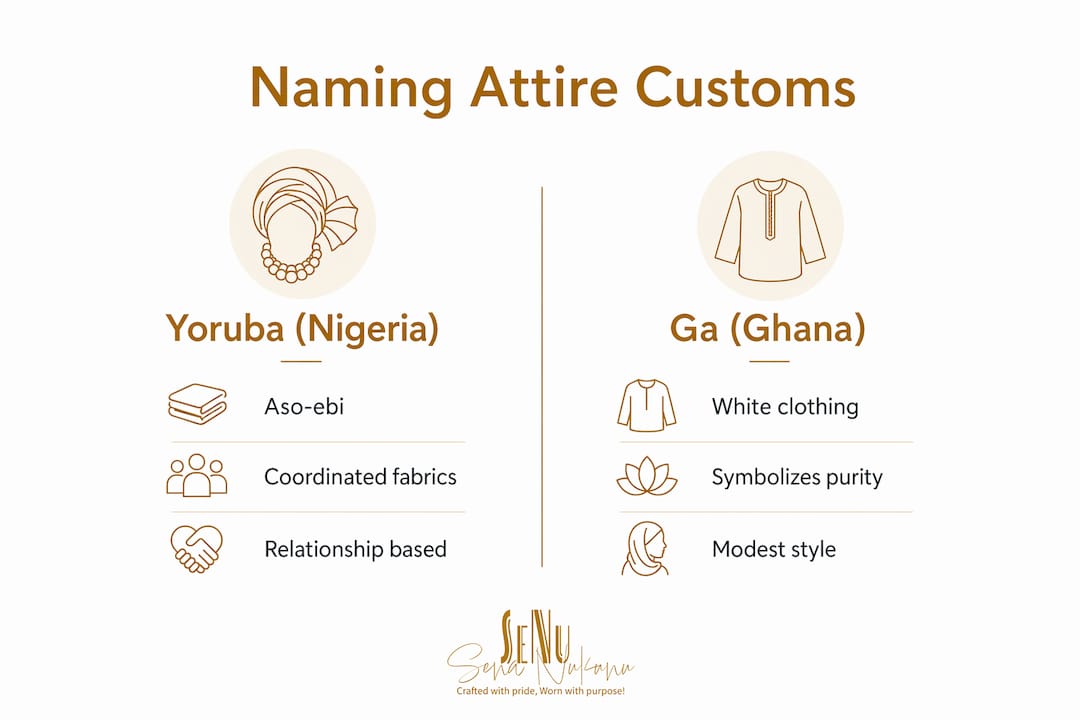
In Yoruba culture, the naming ceremony is called the "Ìkómọjáde," meaning the child is brought outside to meet the world. The attire reflects that public declaration. Nigerian naming ceremony guests typically wear traditional fabrics such as Ankara, Aso-oke, or lace, with family-wide coordinated colors forming the visual centerpiece of the event. The mother of the child often wears the most elaborate version of the family fabric, styled into a gele headwrap and a flowing buba and iro ensemble. Fathers typically wear an agbada, a wide-sleeved robe layered over matching trousers and a cap.
Ga naming ceremony dress
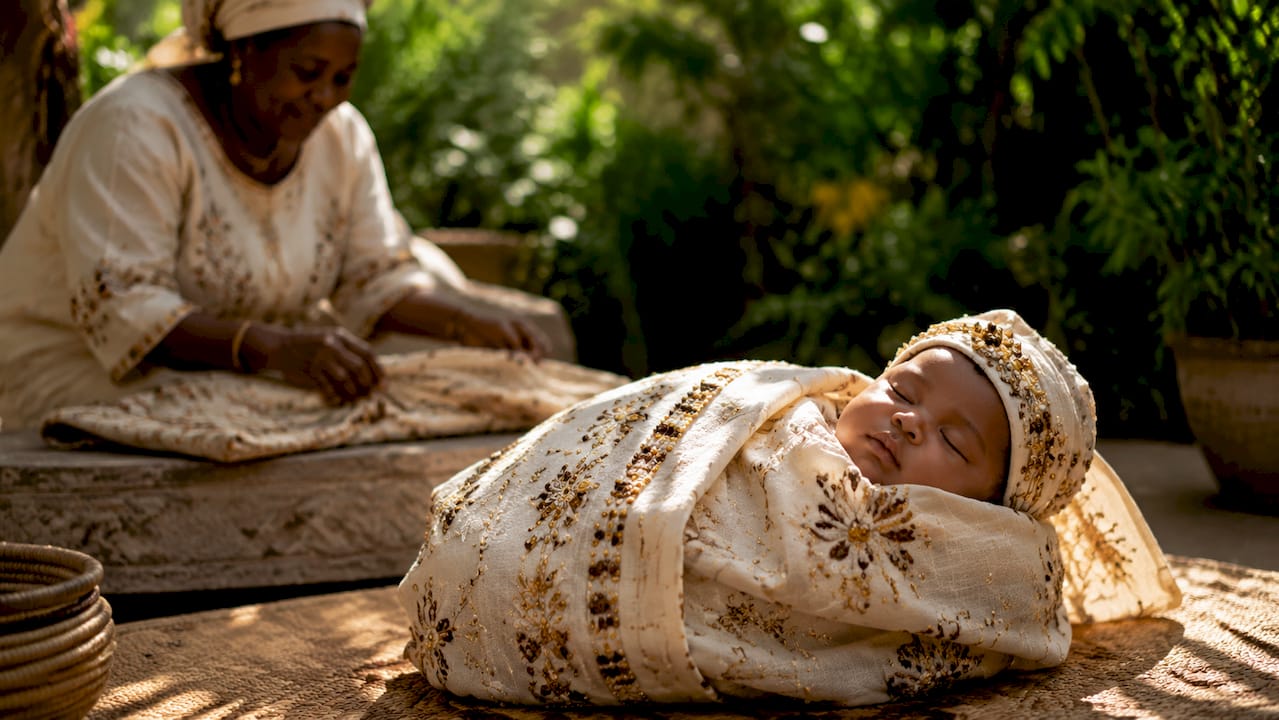
The Ga people of Accra, Ghana, take a different approach. At Ga naming ceremonies, participants often wear white clothing and white clay markings that symbolize purity and new beginnings. White is not a neutral choice here. It is a spiritual statement, connecting the newborn to ancestral blessings and marking the occasion as sacred. Guests are expected to dress modestly, with women covering their shoulders and knees and men wearing long pants and collared shirts.
The table below compares the two traditions side by side:
| Feature | Yoruba (Nigeria) | Ga (Ghana) |
|---|---|---|
| Primary fabric system | Aso-ebi (coordinated family cloth) | White attire with clay markings |
| Dominant colors | Family-chosen, often bold and vibrant | White, symbolizing purity |
| Guest dress code | Traditional fabrics, coordinated colors | Modest clothing, shoulders and knees covered |
| Key garments | Agbada, buba and iro, gele headwrap | Simple white dress or shirt and trousers |
| Spiritual element | Community solidarity and blessing | Ancestral connection and purification |
Pro Tip: When attending a naming ceremony outside your own cultural background, contact the host family in advance and ask about the dress code. Wearing the wrong color or fabric is not just a fashion mistake. It can signal a misunderstanding of the ceremony's meaning.
Ghanaian naming ceremony guests should dress modestly and respectfully, reflecting genuine cultural appreciation. That standard applies whether you are a family member or a first-time guest. Modesty in this context is a form of honor, not restriction.
What are the key considerations for choosing baby naming ceremony clothing?
Choosing the right baby naming ceremony clothing requires balancing cultural tradition with practical comfort. The baby is the center of the ceremony, and the attire must support that role without causing distress.
Baby naming ceremony outfits should prioritize comfort with soft, lightweight fabrics. Breathable materials like cotton and cotton silk work best. Heavy or stiff fabrics restrict movement and can cause overheating, which disrupts the ceremony for everyone. Baby attire must balance cultural aesthetics with physical comfort, since the ceremony involves rituals that require holding a calm, settled baby.
Practical considerations for selecting baby naming ceremony clothing:
- Choose breathable fabrics such as cotton or cotton silk for the baby's outfit
- Avoid stiff embellishments like heavy beading or rigid embroidery near the baby's skin
- Match the baby's outfit to the family's Aso-ebi color palette where possible, even in a simplified version
- Opt for easy-access designs that allow for quick changes during the event
- Keep layers minimal since ceremonies often take place in warm indoor or outdoor settings
For family members and guests, the same principle of intentionality applies. Coordinating your outfit with the family's chosen fabric or color scheme is a sign of respect and participation. If you are not part of the Aso-ebi distribution, wearing a complementary traditional fabric in a neutral or celebratory color is always appropriate. Ankara prints in warm golds, deep greens, or rich blues read as festive and culturally aware without overstepping.
Guests who are unfamiliar with West African dress traditions can find guidance in resources like the step-by-step African outfit guide at Senanukunu's blog, which breaks down how to build a culturally respectful and stylish look from scratch.
What does African baby naming ceremony attire signify beyond fashion?
African baby naming ceremony attire is a spiritual contract, not a style choice. Naming ceremony attire carries deep symbolic significance tied to identity, blessing, and cultural heritage, making clothing part of the ritual narrative itself. Every fabric choice, every color, and every layer of coordination communicates something about the wearer's relationship to the child, the family, and the community.
"Ceremonial dress symbolizes a spiritual contract; what participants wear is an extension of the ritual itself, communicating communal ties and blessings." — Omiren Styles
This understanding reframes the entire question of what to wear. You are not dressing for an event. You are participating in a living tradition that connects the newborn to generations of ancestors and to the community that will raise them. The Aso-ebi system acts as a cultural social map, making community relationships visible during naming ceremonies rather than centering individual fashion statements.
Colors carry specific weight in this context. White signals purity and spiritual openness, as seen in Ga traditions. Bold, saturated colors in Yoruba Aso-ebi signal joy, prosperity, and communal pride. Gold and royal blue often appear in fabrics worn by the baby's immediate family, reinforcing the child's status as the honored guest of the day.
Attire also marks social structure in a way that words cannot. When the room is filled with people wearing the same fabric in different tiers, the community's internal relationships become readable at a glance. Elders, close family, extended kin, and friends each occupy a visible place in the ceremony's social order. That visibility is intentional. It reinforces accountability, belonging, and the shared responsibility of raising a child within a community.
Key Takeaways
African baby naming ceremony dress functions as a spiritual, social, and communal statement, with the Aso-ebi fabric system serving as the most structured expression of that tradition across West Africa.
| Point | Details |
|---|---|
| Aso-ebi defines the dress code | Yoruba families assign coordinated fabrics by relationship tier weeks before the ceremony. |
| Regional customs vary significantly | Ga ceremonies center on white attire and clay markings; Yoruba ceremonies feature bold, coordinated Ankara and Aso-oke. |
| Baby comfort is non-negotiable | Lightweight, breathable fabrics like cotton silk prevent distress during ritual holding and movement. |
| Attire is a spiritual act | Clothing at a naming ceremony communicates blessings, identity, and communal bonds, not personal style. |
| Guests should ask in advance | Contacting the host family about the dress code shows cultural respect and avoids unintentional missteps. |
Why naming ceremony dress deserves more than a last-minute decision
I have seen people treat naming ceremony attire as an afterthought, grabbing something "African-looking" the week before and calling it done. That approach misses the entire point. The Aso-ebi system, the white clay of a Ga ceremony, the layered agbada of a Yoruba father — none of these are decorative. They are declarations.
What strikes me most about these traditions is how they solve a problem that modern communities struggle with: how do you make belonging visible? The Aso-ebi fabric does that work instantly. When you walk into a Yoruba naming ceremony wearing the assigned cloth, you are not just dressed. You are placed. You have a role, a relationship, and a responsibility to the child being welcomed into the world.
The tension I see most often is between families who want to honor tradition and guests who feel intimidated by the specificity of the dress code. My honest advice: lean into the specificity. Ask the family coordinator which fabric tier applies to you. Have it tailored properly. Show up in the right cloth. That act of care is one of the most meaningful gifts you can bring to the ceremony.
Modern adaptations of Aso-ebi are real and growing. Contemporary silhouettes, mixed fabrics, and diaspora interpretations are all valid expressions of a living tradition. But the core principle — that your clothing speaks for your relationship to the family — should never get lost in the translation. Naming ceremonies are one of the few occasions where fashion and community obligation are genuinely the same thing.
— Sena
Authentic African naming ceremony attire at Senanukunu
Senanukunu curates a collection of West African-inspired dresses and coordinating sets that honor the craftsmanship and cultural depth behind every naming ceremony. Whether you are the mother of the child, a close family member, or a guest wanting to dress with intention, the naming ceremony dresses at Senanukunu offer vibrant prints, breathable fabrics, and timeless silhouettes rooted in West African heritage. For families coordinating group looks, the 2-piece coordinating sets make it easy to present a unified, culturally resonant appearance without sacrificing individual style. Every piece is crafted with care, ethical production, and a deep respect for the traditions that make these celebrations so powerful. Visit Senanukunu to find your perfect naming ceremony look.
FAQ
What is an African baby naming ceremony dress?
An African baby naming ceremony dress is the traditional attire worn by the baby, family, and guests at a naming ceremony, a sacred rite of passage in many African cultures. The clothing signals community relationships, spiritual blessings, and cultural identity through fabric, color, and coordinated dress codes like the Aso-ebi system.
What is Aso-ebi and why does it matter for naming ceremonies?
Aso-ebi is a Yoruba tradition of coordinated family cloth distributed to guests based on their relationship to the family, making social bonds visible at ceremonies. Families assign fabric tiers weeks in advance, with closer relatives receiving more distinguished fabric designations.
What do guests wear to a Ghanaian naming ceremony?
Guests at a Ghanaian Ga naming ceremony typically wear white clothing to symbolize purity and new beginnings, with women covering their shoulders and knees and men wearing long pants and collared shirts. White clay markings may also be part of the ceremonial dress for participants.
What fabric is best for a baby's naming ceremony outfit?
Soft, lightweight, breathable fabrics like cotton or cotton silk are best for a baby's naming ceremony outfit. Heavy or stiff materials can cause overheating and discomfort during the ritual holding and movement that are central to the ceremony.
What should I wear as a guest if I am not part of the Aso-ebi group?
Guests outside the Aso-ebi distribution should wear a complementary traditional fabric in a festive, culturally appropriate color such as gold, deep green, or royal blue. Contacting the host family in advance to confirm the dress code is the most respectful approach.