TL;DR:
- African birthday party fashion blends traditional fabrics like Ankara, Kente, and Aso Oke with modern styles to honor cultural heritage and create a powerful visual celebration. Clothing functions as both identity and art, with fabric choices and accessories such as gele headwraps and beaded jewelry carrying deep cultural symbolism. Urban celebrations have elevated fashion into curated performances with multiple outfit changes, emphasizing intention, respect, and participation in the cultural narrative.
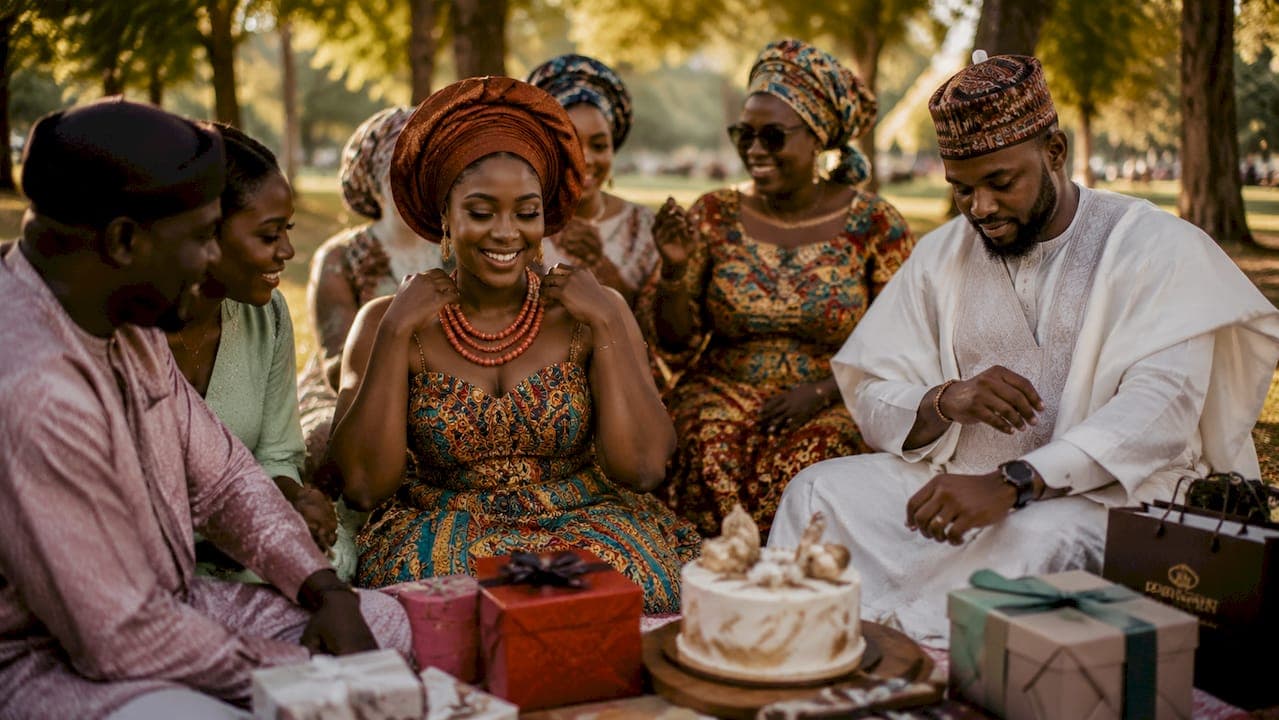
African birthday party fashion is the intentional blend of traditional African attire and modern styling, chosen to honor cultural heritage while creating a visually powerful celebration. Rooted in fabrics like Ankara, Kente, and Aso Oke, this style of dressing goes far beyond picking an outfit. It is a cultural statement, a form of participation, and a way of honoring the person being celebrated. From the gele headwrap to beaded jewelry and coordinated color palettes, every detail carries meaning. Understanding what is African birthday party fashion means recognizing that clothing at these events functions as both identity and art.
What is african birthday party fashion, really?
African birthday party fashion is the practice of selecting culturally grounded, occasion-appropriate attire that reflects the significance of a birthday milestone. The standard industry term for this category is African special occasion wear, and it covers everything from full traditional ensembles to modern African-inspired designs tailored for festive events.
Ankara, Kente, and Aso Oke are the three fabrics most commonly associated with this style. Each carries its own regional origin and symbolic weight. Ankara, a wax-print cotton fabric widely used across West Africa, is known for its bold geometric patterns and vivid colors. Kente, woven in Ghana by the Akan people, uses gold, green, and red threads to communicate status and lineage. Aso Oke, a hand-loomed fabric from the Yoruba people of Nigeria, appears frequently at formal celebrations and is often worn as matching sets by families or social groups.
The garments built from these fabrics are equally varied. Dashikis, agbada robes, iro and buba sets, kaftans, and fitted wrap dresses all appear regularly at African birthday parties. The gele, a structured headwrap worn primarily by women, is one of the most recognized symbols of the style. Social media and photography have amplified the visual stakes of these events, making intentional outfit choices more central than ever to the celebration experience.
What fabrics and styles define african party attire?
The fabrics used in African party attire are not interchangeable. Each carries nuanced cultural messages about status, lineage, and in some traditions, spiritual beliefs embedded in the weave and pattern. Choosing the right fabric is the first decision any guest or celebrant makes.
| Fabric | Origin | Common Garments | Typical Occasion |
|---|---|---|---|
| Ankara | West Africa (widespread) | Wrap dresses, two-piece sets, jumpsuits | Casual to semi-formal birthday parties |
| Kente | Ghana (Akan people) | Kente cloth draped over shoulder, formal dresses | Milestone birthdays, formal events |
| Aso Oke | Nigeria (Yoruba) | Iro and buba sets, agbada, gele headwraps | Formal celebrations, family gatherings |
| Kaftans | North and West Africa | Flowing full-length robes, embroidered tunics | Evening parties, milestone birthdays |
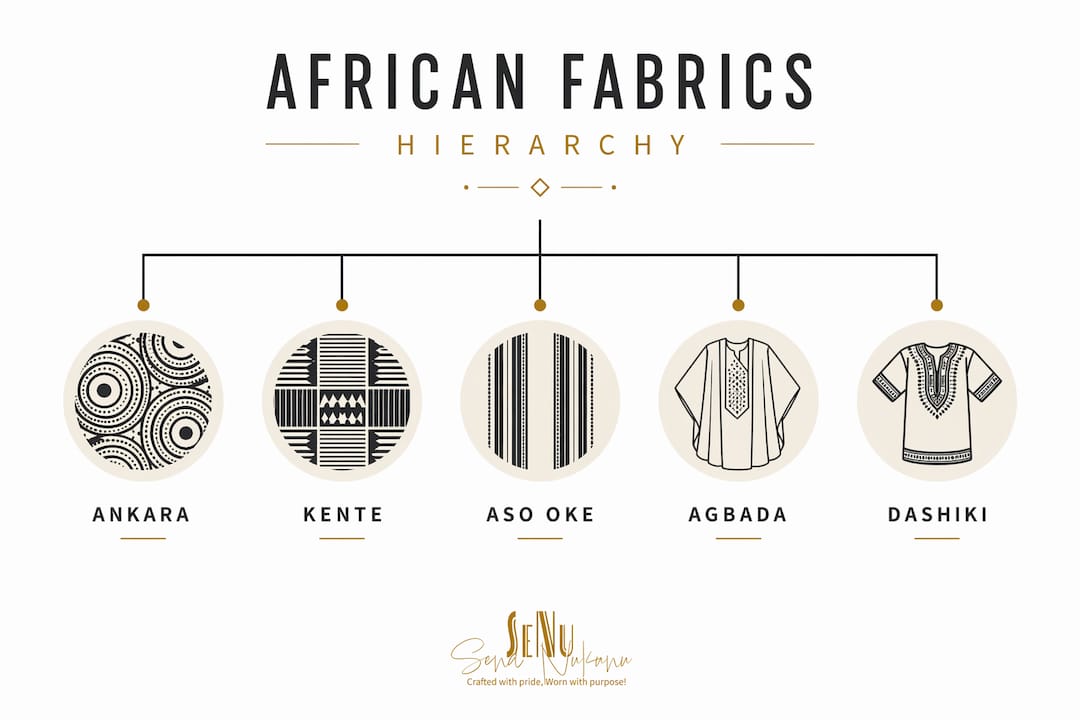
Beyond fabric, garment silhouette matters. The agbada is a wide-sleeved flowing robe worn by men, often layered over a matching tunic and trousers. The iro and buba is a two-piece women's set consisting of a wrap skirt and a loose blouse, frequently paired with a gele. Kaftans offer a more relaxed silhouette while still reading as formal when made in rich fabrics with embroidery.
Regional differences shape these choices significantly. A birthday party in Lagos may feature Aso Oke family uniforms called aso-ebi, where guests wear matching fabric to signal group belonging. A Ghanaian celebration may center Kente cloth as the primary fabric of honor. Understanding these regional distinctions helps you dress with genuine cultural awareness rather than surface-level imitation.
Pro Tip: If you are attending a party where aso-ebi fabric is distributed, wearing it signals respect and solidarity with the celebrant's family. If you did not receive fabric, coordinate your colors to complement the group's palette without clashing.
How has african birthday party fashion evolved in urban celebrations?
Urban birthday parties, particularly in cities like Lagos, have transformed into fashion performances where guests wear multiple carefully planned outfits reflecting cultural significance. This shift is not accidental. It reflects the intersection of urbanization, rising disposable income, and the influence of social media platforms like Instagram and TikTok.
"Parties are produced with precision; fashion is central to the experience, with choreographed entrances and outfit reveals." — Glazia
The concept of multiple outfit changes at a single party is now a defining feature of Nigerian and broader West African birthday culture. Core members of the celebratory team, including the birthday honoree and close family, often wear high-fashion ensembles for the formal arrival and then switch to lighter outfits for the dancing and peak celebration hours. This practice balances regal appearance with functional comfort for extended events.
Fashion at these parties is also highly curated for social media and photography. Every accessory, fabric choice, and styling detail is considered to create memorable and shareable moments. This has raised the visual standard for all guests, not just the celebrant. Arriving in a thoughtfully assembled outfit is now understood as a form of respect and participation in the event's collective aesthetic.
Pro Tip: Plan your outfit with both the arrival photo and the dance floor in mind. A structured Kente gown works beautifully for entrance photos, but a lighter Ankara wrap dress or two-piece set will serve you better when the music starts.
How do you choose the right outfit without a dress code?
When no dress code is given, guests should consider event type, venue, and cultural norms to select appropriate attire. The right choice of color, fabric, style, and accessories reflects genuine effort and respect for the occasion.
Follow this process to make a confident decision:
- Assess the venue. An outdoor garden party calls for lighter fabrics and lower heels. An indoor ballroom event supports more formal, structured garments like an agbada or a floor-length Aso Oke gown.
- Read the invitation tone. A formal printed invitation signals that traditional African dresses and full styling are expected. A casual digital invite suggests a semi-formal Ankara outfit is appropriate.
- Choose fabric for the season and setting. Ankara cotton breathes well in warm weather. Aso Oke and Kente read as more formal and suit evening or milestone events.
- Coordinate color intentionally. Bold, saturated colors are celebrated at African birthday parties. Avoid wearing all white unless the theme calls for it, as white holds specific ceremonial meaning in several African traditions.
- Dress for movement. African birthday parties involve dancing. Choose a silhouette that allows you to move freely. A fitted wrap dress or a two-piece set with a flared skirt offers both style and mobility.
For practical styling guidance tailored to these choices, the Ankara outfit styling tips from Senanukunu offer concrete direction on building a confident look from fabric to accessories.
African party attire should never be treated as costume. It is an expression that blends personal style with situational appropriateness and cultural respect. Guests' outfits should honor the host's theme and the cultural importance of the milestone being celebrated.
What role do accessories play in african birthday party styling?
Accessories like the gele headwrap, beaded jewelry, and hats are key to completing an African birthday party outfit and carry deep cultural significance. These details are not optional finishing touches. They are integral to the full expression of the look.
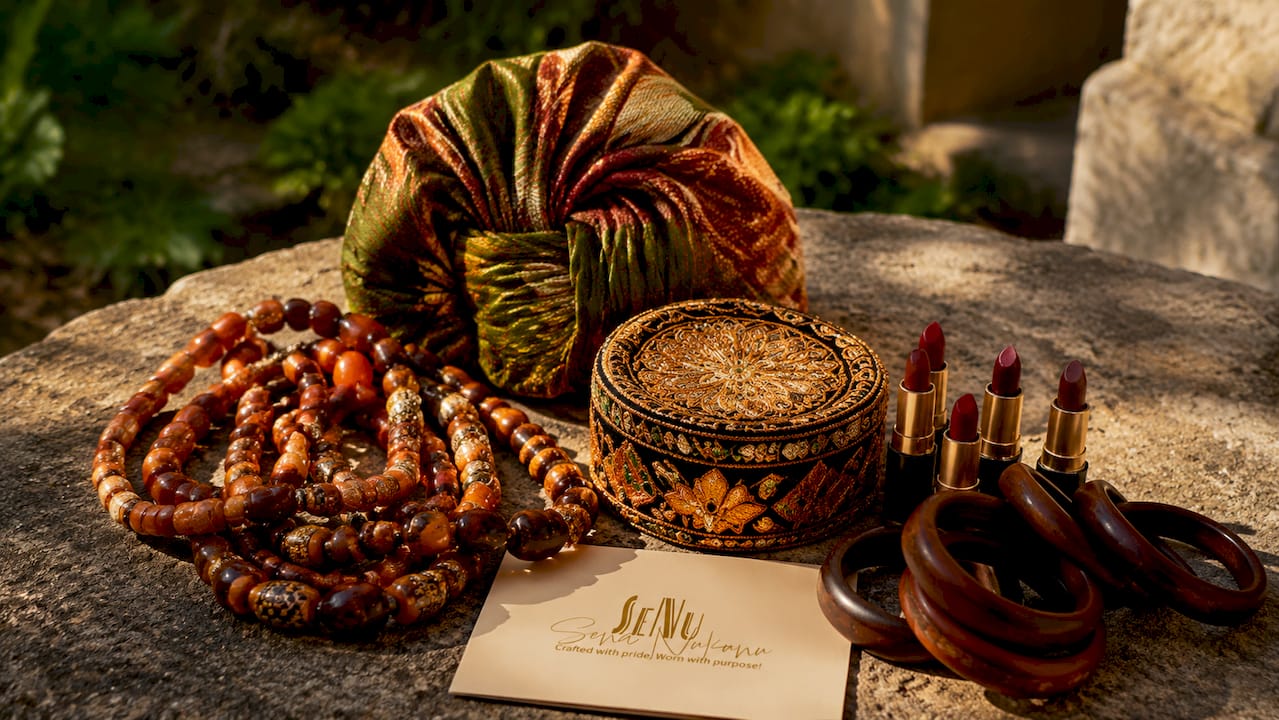
The gele is the most iconic accessory in West African party fashion. Tied from a stiff, structured fabric, it frames the face and signals formality and cultural pride. Learning to tie a gele, or having it tied by a professional, is a meaningful investment in your overall presentation. Beaded jewelry, including necklaces, bracelets, and earrings, adds color and texture while referencing traditions of adornment that span centuries across the continent.
Here are the accessory categories that complete an African birthday party look:
- Gele headwrap: The defining statement piece for women at formal African celebrations
- Beaded jewelry: Necklaces, bangles, and earrings in coral, gold, or glass beads
- Embroidered or leather sandals: Footwear that complements the fabric's color and weight
- Clutch bags: Small structured bags in matching or contrasting fabric
- Head gear for men: Fila caps, kofia hats, or kufi caps that complete a traditional men's ensemble
Makeup and hairstyle trends have also become central to the full look. Bold lip colors, defined eye makeup, and natural or protective hairstyles styled to complement the gele are all standard at contemporary African birthday parties. The cultural guide to festive African dress from Senanukunu explores how these elements work together to create a cohesive, culturally grounded appearance.
Every accessory, fabric choice, and styling detail contributes to a look that tells a story. That is the core principle of African birthday party fashion: every stitch and ornament carries the spirit of a legacy.
Key takeaways
African birthday party fashion is a culturally grounded practice where fabric choice, garment silhouette, and accessories work together to honor heritage and celebrate milestones with intention and visual impact.
| Point | Details |
|---|---|
| Fabric carries cultural meaning | Ankara, Kente, and Aso Oke each signal different levels of formality and regional identity. |
| Accessories complete the look | The gele, beaded jewelry, and coordinated footwear are integral, not optional, to the full outfit. |
| Urban parties are fashion performances | Multiple outfit changes and social media curation have raised the visual standard for all guests. |
| No dress code requires active judgment | Assess venue, invitation tone, and cultural context to dress with respect and confidence. |
| Fashion is participation, not costume | Wearing African party attire is an act of cultural respect and communal celebration. |
Why i think we underestimate what getting dressed actually means
People often treat outfit planning for an African birthday party as a logistical task. Find something colorful, show up, done. That framing misses the entire point.
What I have observed, both personally and through the work we do at Senanukunu, is that the guests who arrive with intention, who chose their fabric thoughtfully, who had their gele tied with care, are the ones who feel most present at the celebration. They are not just attending. They are participating in something larger than themselves.
The diaspora style trends I see emerging in cities like Atlanta, London, and Houston tell the same story. People who grew up far from West Africa are reclaiming these traditions through clothing. They are learning what Aso Oke means, why Kente is not just a pattern but a language, and how a gele tied at the right angle can communicate pride without a single word.
My honest view is this: African birthday party fashion is one of the most accessible entry points into a living cultural tradition. You do not need to be an expert. You need to be curious, respectful, and willing to put in the effort. The effort itself is the statement.
— Sena
Discover your perfect african birthday party look at Senanukunu
If this guide has inspired you to dress with more intention at your next celebration, Senanukunu is the place to start. The collection brings together authentic West African design and modern tailoring, so you can wear something that feels both culturally grounded and entirely your own.
From vibrant Kente dresses to flowing embroidered kaftans, every piece in the Senanukunu collection is crafted with care and purpose. Each garment is made in limited quantities, which means you are wearing something with real artisanal value, not mass-produced imitation. Whether you are the guest of honor or a celebrated guest, you deserve to walk in wearing a piece that tells a story. Explore the full collection and find the outfit that speaks to who you are.
FAQ
What is african birthday party fashion?
African birthday party fashion is the practice of wearing culturally significant attire, including traditional fabrics like Ankara, Kente, and Aso Oke, styled with accessories like the gele to honor a birthday milestone. It blends heritage with personal expression and is considered a form of cultural participation.
What should i wear to an african birthday party as a guest?
Choose a fabric and silhouette appropriate to the venue and formality level, such as an Ankara two-piece set for semi-formal events or an Aso Oke gown for formal celebrations. When no dress code is given, assess the event type and coordinate your colors to complement the celebrant's theme.
Can non-africans wear african prints to a birthday party?
African prints can be worn respectfully by non-Africans when approached with genuine appreciation and awareness of the cultural significance. The key is wearing the attire with respect and care rather than treating it as a costume or trend.
What is aso-ebi and do i need to wear it?
Aso-ebi is a matching fabric distributed to guests by the celebrant's family as a sign of solidarity and group belonging. Wearing it signals respect and closeness to the host. If you did not receive aso-ebi fabric, coordinate your outfit colors to complement the group's palette without clashing.
What accessories are most important for an african birthday party outfit?
The gele headwrap, beaded jewelry, and coordinated footwear are the three most important accessory categories for completing an African birthday party look. These elements carry cultural symbolism and significantly elevate the visual impact of any traditional or African-inspired outfit.