TL;DR:
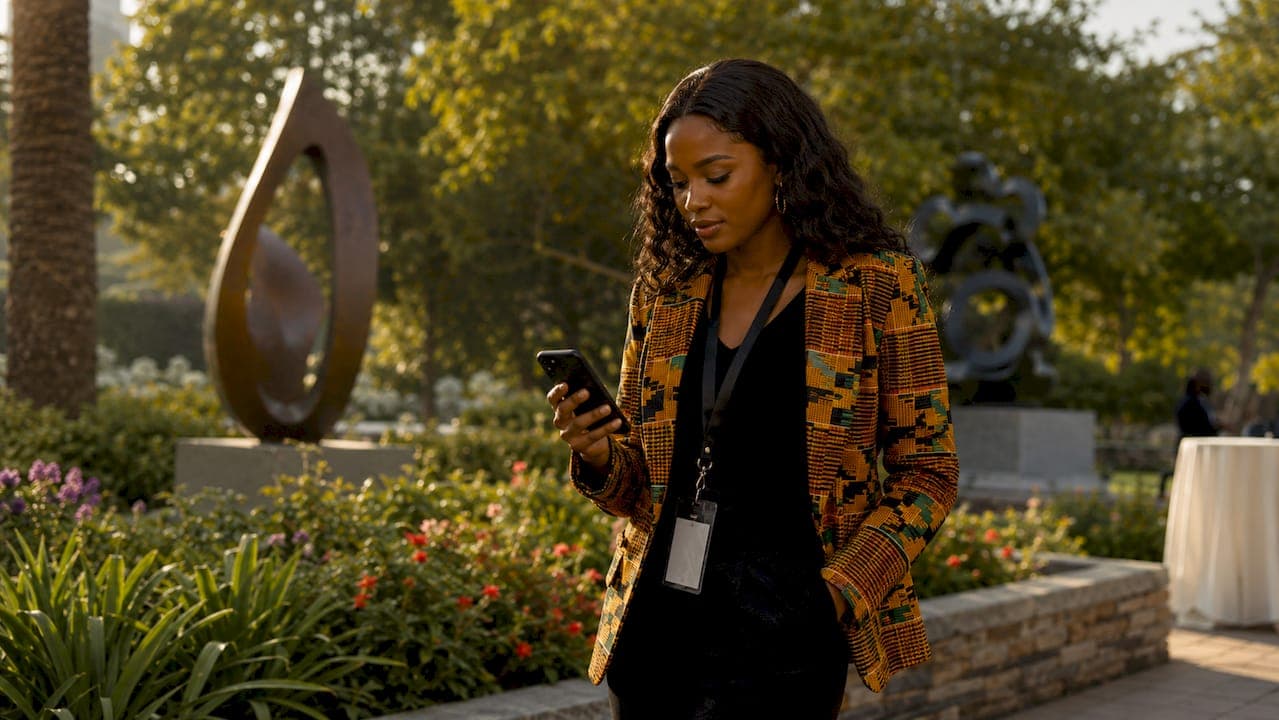
- African wear signals leadership and cultural identity effectively at networking events when structured and formal. Wearing consistent textile styles enhances personal branding, recognition, and perceived competence over time. Cultural attire can serve as a diplomatic tool, increasing visibility and authentic connections internationally.
African wear is defined as culturally distinctive clothing rooted in traditional textiles, prints, and silhouettes that communicates identity, heritage, and leadership at a glance. The role of African wear in networking events goes far beyond aesthetics. Research from the Technical University of Munich confirms that formal, distinctive clothing speeds leadership recognition in professional settings. A 2026 paper in the American Journal of Surgery frames conference attire as a direct signal of inclusivity and cultural identity, not just personal style. For professionals who wear Kente cloth, Ankara prints, or Kaftans to business events, the garment is a personal brand statement that works before you say a word.
How does African wear shape leadership perception at networking events?
Clothing triggers cognitive shortcuts. When someone enters a room, observers instantly categorize them using visual prototypes, and formal, distinctive attire accelerates the assignment of leadership status. A Technical University of Munich study using an online experiment with 304 participants and a lab eye-tracking study with 60 participants found that formal distinctive clothing attracts more visual attention and produces faster leadership attributions than standard business dress.
African attire worn in a structured, formal silhouette activates the same cognitive advantage. A tailored Agbada, a fitted Kente blazer, or a structured Kaftan dress signals authority through both cultural distinctiveness and formality. The combination is more memorable than a generic suit because it occupies a unique visual space in the observer's memory.
The practical implication is clear. Professionals who wear African attire to networking events are not just expressing culture. They are giving observers a faster, stronger reason to remember and associate them with leadership.
- Formality signals authority. Structured cuts, clean lines, and tailored fits communicate professionalism regardless of the textile.
- Distinctiveness aids recall. A bold Kente print or intricate Adire pattern makes you easier to remember in a room of identical suits.
- Visual attention equals opportunity. More eye contact and longer visual engagement translate directly to more conversations initiated.
- Cultural pride reads as confidence. Wearing your heritage with intention projects self-assurance, which observers interpret as competence.
Pro Tip: Pair a structured African print blazer with solid-color trousers to balance cultural expression with event formality. This combination reads as both distinctive and leadership-coded.
What cultural and institutional factors affect how African attire is received?
The reception of African attire at professional events is not uniform. Context shapes meaning. In Kenya, parliamentary dress rules have at times restricted traditional clothing, reflecting how colonial-era institutional norms still influence what is considered "professional" in certain settings. This tension is real, and professionals navigating it deserve honest guidance.
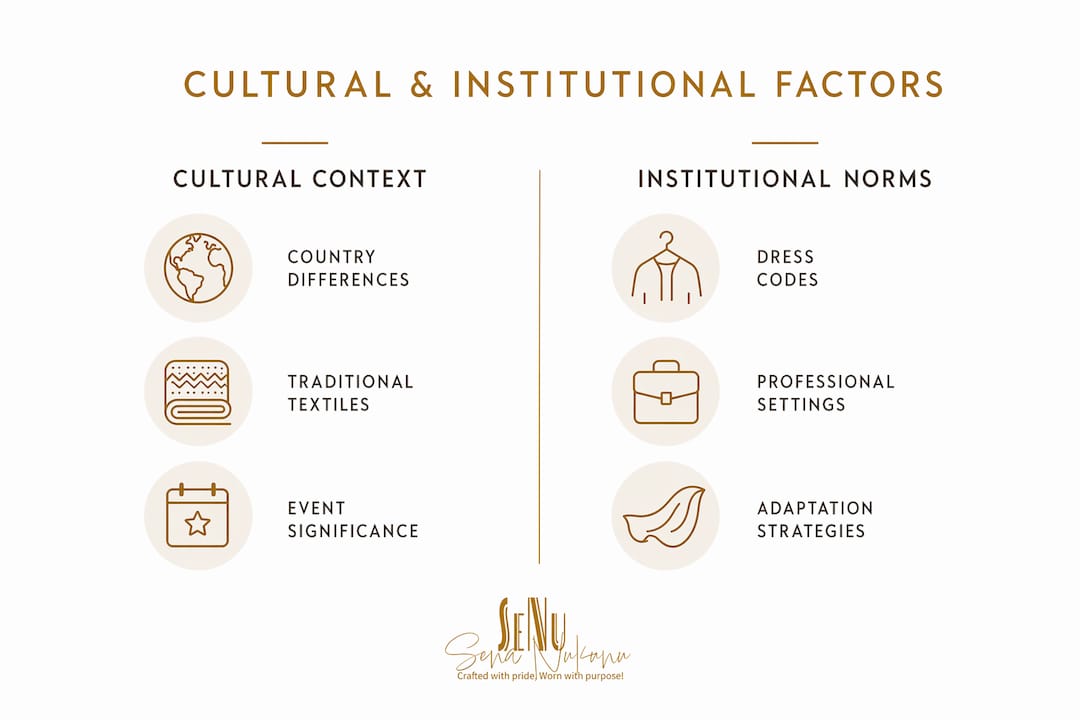
In diaspora communities, a different challenge emerges. Institutions sometimes limit African attire to designated multicultural occasions, framing it as performance rather than everyday professionalism. This framing reduces cultural clothing to a costume rather than recognizing it as a legitimate professional choice.
Navigating these realities requires preparation, not retreat. Research the event's dress norms before you arrive. A tech startup mixer in Austin operates under different unspoken rules than a formal banking conference in London or Lagos. Knowing the room lets you make a confident, informed choice rather than a reactive one.
- Research the event host. Industry culture shapes dress expectations more than any written dress code.
- Read the invitation language. "Business formal" versus "business casual" versus "smart casual" each signals a different level of formality for your attire choices.
- Connect with other attendees in advance. A quick message to a contact who has attended before can reveal the actual dress culture of the event.
- Prepare a brief cultural context. If someone asks about your attire, a one-sentence explanation of the textile's origin turns curiosity into connection.
- Know your non-negotiables. Decide in advance which cultural elements you will not compromise, and build your outfit around those anchors.
Institutional dress codes may enforce restrictions that require adaptation. Adaptation is not surrender. Choosing a Kente-print pocket square at a conservative event is still a cultural statement. The goal is presence, not performance.
How to style African wear for personal branding at networking events
Personal branding through clothing works best when it is consistent. Research on CEO fashion shows that consistent clothing style across occasions improves perceived competence and reduces cognitive uncertainty for the people you meet. Professionals who wear the same textile family or print style across events become visually recognizable. That recognition compounds over time into reputation.
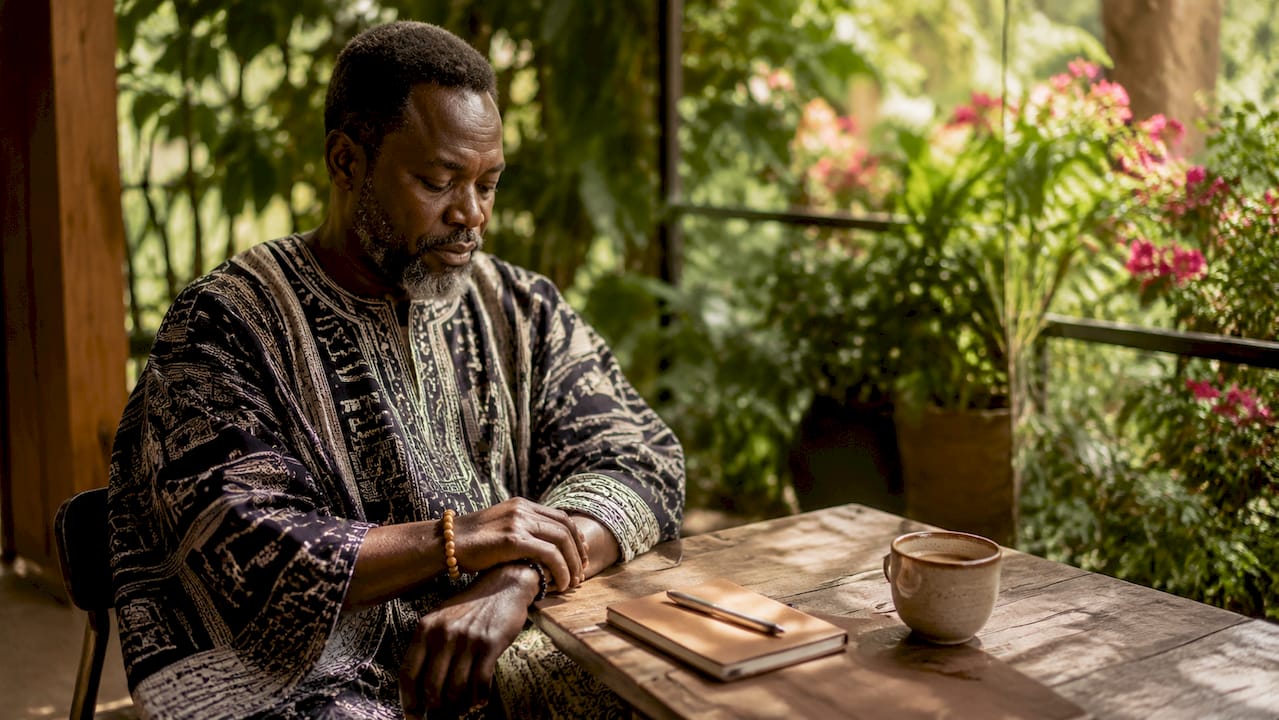
The practical approach is to build a signature around one or two African textile families. Ankara, Kente, Aso-oke, and Kuba cloth each carry distinct visual identities. Choosing one as your primary print and wearing it across multiple events creates a consistent personal brand that observers begin to associate with you specifically.
Here is how to build that signature look step by step:
- Choose your textile anchor. Select one print family that resonates with your heritage or aesthetic. This becomes your visual signature across networking occasions.
- Prioritize structured silhouettes. Tailored blazers, fitted wrap dresses, and structured Kaftans translate African textiles into leadership-coded professional fashion. Avoid overly relaxed or ceremony-only cuts for formal events.
- Combine traditional fabric with modern tailoring. A Kente-print blazer over a white dress shirt, or an Ankara wrap dress with clean accessories, reads as both culturally grounded and professionally current.
- Invest in quality construction. Poorly finished garments undermine the authority signal. Ethical artisan-made pieces, like those from West African heritage collections, carry craftsmanship that shows at close range.
- Repeat your look intentionally. Wear your signature textile to multiple events within the same professional circle. Repetition builds recognition, and recognition builds trust.
Pro Tip: Keep accessories minimal and intentional. A single piece of traditional jewelry, such as a Ghanaian bead necklace or a hand-carved wooden brooch, adds cultural depth without competing with the textile.
Formal vs. casual event styling comparison
| Event type | Recommended African wear approach | Key styling principle |
|---|---|---|
| Formal conference | Tailored Kente blazer or structured Kaftan dress | Formality first, print as accent |
| Business casual mixer | Ankara wrap dress or print shirt with solid trousers | Balance print with neutral pieces |
| Creative industry event | Bold full Ankara or Adire set | Full cultural expression, confident fit |
| International summit | Structured Agbada or formal Kente ensemble | Diplomatic presence, heritage-forward |
Can African wear function as a cultural diplomacy tool at international events?
African wear carries soft power. When worn visibly at prominent professional events, it shapes how cultural identity is perceived by international audiences. This is not theory. Ghana's Fugu Day emerged after President John Dramani Mahama wore the traditional smock publicly, sparking widespread adoption and boosting economic demand for smock weavers across the country. One visible act of cultural clothing created a national movement.
At the individual level, the same principle applies. African professionals who wear traditional attire to international networking events generate social media visibility, media attention, and cultural curiosity that generic business dress never produces. That visibility is soft power in practice, and it extends your personal brand far beyond the room you are standing in.
The table below shows how African wear functions across different international networking contexts:
| Context | Cultural diplomacy effect | Practical outcome |
|---|---|---|
| International trade conference | Signals national and cultural identity | Opens conversations about origin, trade, and heritage |
| Global tech summit | Distinguishes from homogeneous business dress | Increases media and social sharing visibility |
| Diaspora professional event | Affirms shared heritage and community | Builds trust and authentic peer connection |
| Cross-cultural business dinner | Demonstrates pride and intentionality | Creates memorable first impression and follow-up hooks |
African fashion weeks, documented in depth by African fashion events coverage, show how cultural attire moves from local tradition to global influence. The same trajectory is available to any professional who wears their heritage with intention and consistency.
Key takeaways
African wear at networking events is most effective when it combines cultural distinctiveness with formal, structured tailoring to signal both heritage and leadership simultaneously.
| Point | Details |
|---|---|
| Clothing shapes leadership perception | Formal, distinctive attire produces faster leadership attributions, giving African wear a cognitive advantage at networking events. |
| Context determines reception | Research event norms in advance to choose attire that is culturally expressive and institution-appropriate. |
| Consistency builds personal brand | Wearing the same textile family across events increases perceived competence and makes you visually memorable. |
| African wear carries diplomatic weight | Visible cultural attire at international events generates soft power, social visibility, and authentic connection. |
| Styling choices define the signal | Structured silhouettes and quality construction translate African textiles from ceremony-coded to leadership-coded. |
Why I believe African wear is the most underused professional branding tool
I have watched professionals spend thousands of dollars on personal branding coaches, LinkedIn consultants, and business card redesigns. Almost none of them think about what they wear to a networking event as a branding decision. That gap is a real missed opportunity, especially for professionals with African heritage.
The cognitive science is settled. Distinctive, formal clothing speeds leadership recognition. African textiles, worn with intention and structure, deliver both distinctiveness and formality in a single garment. No other clothing category does that as naturally or as powerfully.
What I find most compelling is the compounding effect. The first time you wear your signature Kente blazer to an industry event, people notice. The second time, they remember you. By the third time, you are the person who wears that blazer. That is personal branding working exactly as it should, and it costs nothing beyond the garment itself.
The hesitation I hear most often is about fitting in. Professionals worry that cultural attire will mark them as different in a way that hurts their credibility. The research says the opposite. Formal African wear does not reduce leadership perception. It accelerates it. The professionals I respect most in diverse business spaces wear their heritage proudly and consistently. They are not less credible for it. They are more memorable, more trusted, and more sought after.
The inspiring African fashion icons who have built global careers while wearing their cultural identity have proven this point repeatedly. The path is clear. Wear your heritage with structure, wear it consistently, and let the garment do the work.
— Sena
Senanukunu styles built for the networking room
Professionals who are ready to wear their cultural identity with confidence need pieces that are built for real professional environments, not just celebrations.
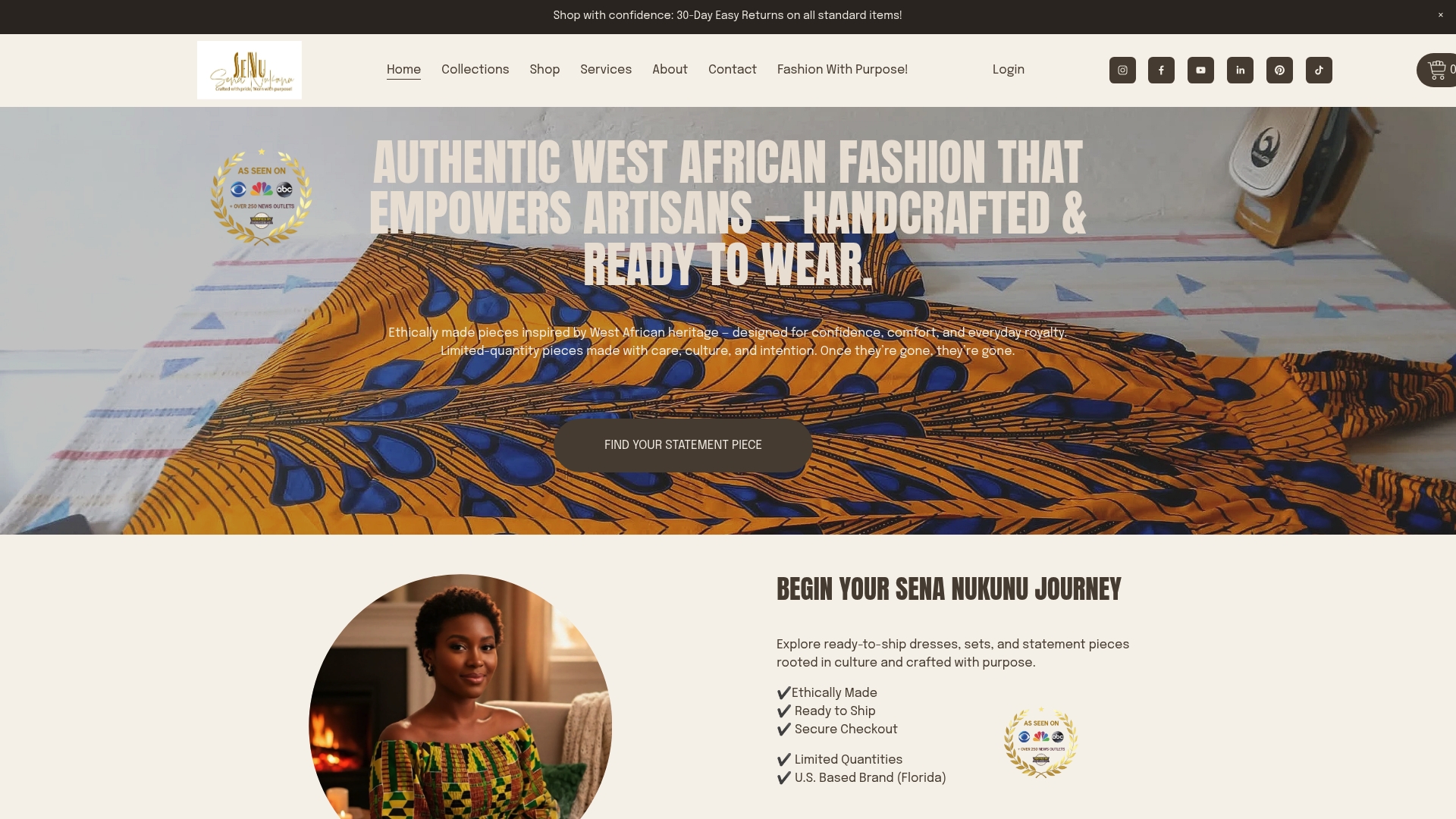
Senanukunu's curated collection of West African-inspired dresses, structured sets, and statement pieces is designed exactly for this purpose. Every piece is crafted with care, using authentic textiles and ethical production practices that honor the artisans behind the fabric. The vibrant African-inspired styles at Senanukunu include formal silhouettes that translate beautifully into leadership-coded networking attire. For professionals looking for a signature dress that carries both cultural depth and professional presence, the Senanukunu dress collection offers ready-to-ship options that arrive event-ready. Each piece tells a story worth sharing.
FAQ
What is the role of African wear in networking events?
African wear functions as a visual signal of cultural identity, leadership, and inclusivity at networking events. Research shows that formal, distinctive clothing produces faster leadership attributions, giving culturally expressive attire a measurable professional advantage.
Does wearing African attire hurt professional credibility?
Formal African wear worn in structured silhouettes does not reduce professional credibility. Studies from the Technical University of Munich show that distinctive formal clothing accelerates leadership recognition rather than diminishing it.
How do I choose the right African attire for a formal networking event?
Choose structured silhouettes such as tailored blazers, fitted Kaftan dresses, or formal Agbada ensembles in your signature textile family. Pair bold prints with solid-color accessories to balance cultural expression with event formality.
Can African wear help with personal branding at professional events?
Consistent use of a signature African textile across multiple events improves perceived competence and builds visual recognition. Research on CEO fashion confirms that style consistency outperforms variable dressing for professional credibility.
How should I navigate dress codes that restrict African attire?
Research the event's institutional culture before attending and adapt your expression to the context. A Kente-print pocket square or Ankara-print accessory maintains cultural presence even in conservative dress environments without conflicting with formal dress codes.