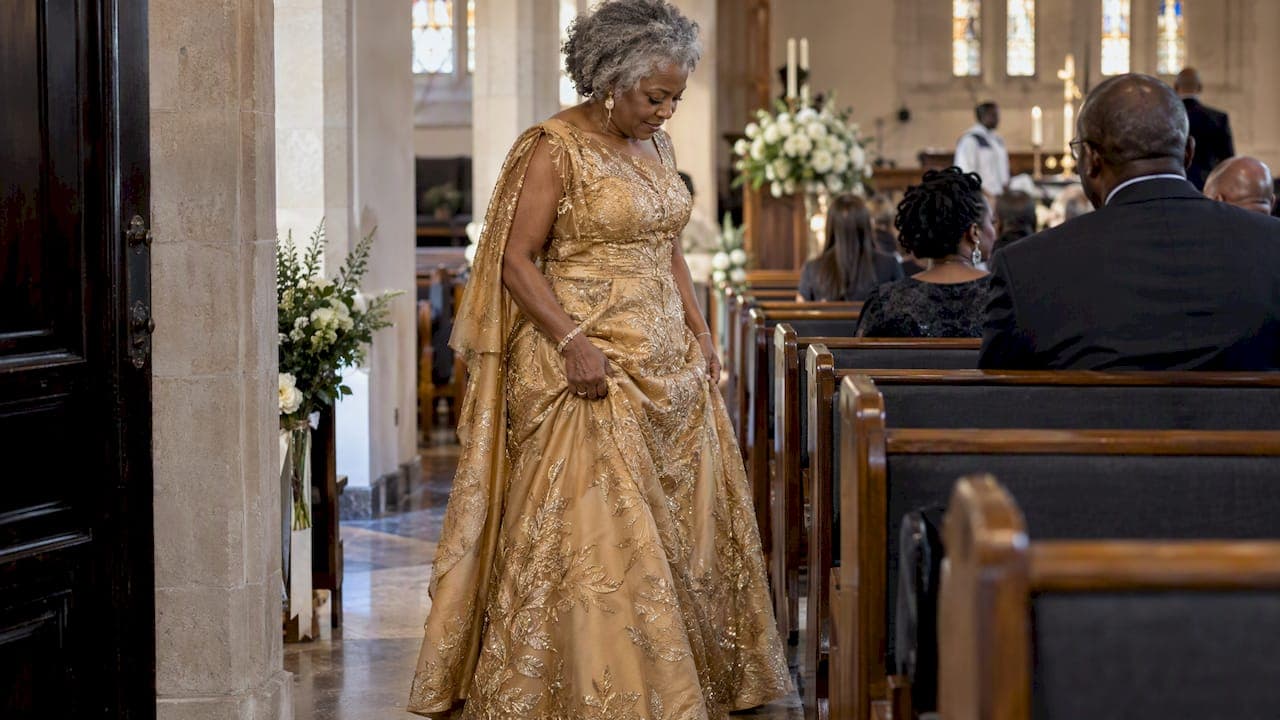
The best African dress for the mother of the bride is one that carries the weight of the day: a refined silhouette in a rich, high-quality fabric, a color agreed with the bride, and a fit you can stand, greet, and dance in for hours. Whether the wedding is Nigerian, Ghanaian, or a blend of cultures in a Florida ballroom, this guide walks you through styles, fabrics, colors, accessories, and how to coordinate with daughters, sons, and the wider family without everyone looking identical.
TL;DR
- Choose a silhouette that photographs as formal: an A-line gown, a peplum dress, or a tailored jacket with a skirt or wrapper.
- At many Nigerian weddings, the mothers of the couple wear a distinct, higher-status fabric rather than the guests' aso-ebi, so ask the couple early.
- Settle color with the bride first, then match the season and the formality of the venue.
- For mother-daughter or family looks, share one palette or print family and vary the designs.
- Start 4 to 6 months ahead if fabric needs sourcing, shipping, or tailoring.
Table of Contents
- What the mother of the bride means in an African wedding
- Silhouettes that suit the occasion
- Fabrics worth choosing
- Choosing color, print, and accessories
- Questions to ask before you buy
- Planning time: when to start
- Mother and daughter African outfits
- Family matching African outfits, without the uniform look
- Our perspective: dress as a statement of legacy
- Find your look with Sena Nukunu
- More guides for the wedding season
- FAQ
- Sources
What the mother of the bride means in an African wedding
In many African wedding traditions, the mother of the bride is not a guest in the usual sense. She is a pillar of the celebration. In Yoruba tradition, the mothers of the bride and groom, the Iya Iyawo and Iya Oko, hold the highest matriarchal standing at the ceremony, and fashion writers on Nigerian weddings advise that they avoid the general guests' aso-ebi fabric and choose distinct, high-status materials such as hand-embroidered George, beaded French lace, or silk jacquard.
That single idea changes how you shop. A typical U.S. mother-of-the-bride dress is designed to be elegant and quiet. An African mother-of-the-bride look is designed to be seen, to signal pride, and to honor the family's story. It can still be graceful. It simply speaks with more color, more texture, and more intention.
Customs differ between Yoruba, Igbo, Ghanaian, Ewe, Akan, and many other communities, and between traditional ceremonies and church or civil ceremonies. So before you fall in love with a garment, you need a few answers, and we cover exactly what to ask below.
Silhouettes that suit the occasion
The wedding gown is the headline, so your outfit should sit among the most formal looks of the day. A Dallas bridal salon owner interviewed by D Weddings puts it this way: the mothers' gowns should be among the wedding's most formal, with the venue and time of day setting the level, and they should complement the bridesmaids without looking like another bridesmaid. That is useful for African styles too, where color can be bold and you want to read as the matriarch, not as part of the bridal party.
The A-line gown
The A-line is the safest elegant choice. It skims the bodice, releases from the waist, and moves beautifully when you walk in procession or take the floor. In Ankara or Kente-inspired prints, it lets the fabric do the talking. If you want a sense of how modern cuts are being styled, our guide to Ankara dress styles and how to choose shows the shapes in detail.
The peplum dress
A peplum adds a structured flare at the waist. It defines the figure, gives a polished line in photographs, and hides what you would rather not emphasize. It works especially well in lace or brocade, where the fabric has body of its own.
Jacket-and-skirt or wrapper sets
A tailored jacket with a skirt, or a blouse with a wrapper and head tie, is the most traditional route and often the most appropriate for a traditional ceremony. A matching set also gives you a built-in change: wear the jacket for the ceremony, remove it for the reception.
Gowns with a statement sleeve
Puffed, bell, or cape sleeves give you presence without extra jewelry. They also cover the upper arms, which many mothers appreciate in a day of photographs.
Kaftans and flowing evening gowns
For an evening or beach wedding, a richly embroidered kaftan-style gown in a lightweight fabric can be both regal and comfortable. Look for clean seams, a neckline that holds its shape, and embroidery that is dense enough to catch the light.
Fabrics worth choosing
Fabric is where an African mother-of-the-bride outfit earns its status. The options below are the ones you will meet most often.
| Fabric | What it gives you | Best for |
|---|---|---|
| Ankara (African wax print) | Bold color, pattern, and versatility | Daytime weddings, mother-daughter looks |
| Lace (including beaded French lace) | Delicacy and sophistication | Traditional ceremonies, formal receptions |
| Hand-embroidered George | High status and ceremony-level richness | Nigerian traditional ceremonies |
| Silk jacquard or brocade | Structure and a subtle sheen | Formal venues, cooler seasons |
| Chiffon | A lightweight, flowing effect | Layers, sleeves, summer weddings |
| Satin | Sheen for formal or evening events | Evening receptions |
| Kente | Heritage weave with deep cultural meaning | Ghanaian ceremonies, accents and stoles |
The Ankara, lace, chiffon, and satin descriptions follow a South African retailer's overview of African-inspired fabrics, while the George, French lace, and jacquard guidance comes from the Nigerian fabric perspective cited above.
Matching the fabric to the season
The wedding calendar matters as much as the culture. Zola's guest-attire guide links spring and summer weddings with breathable fabrics such as linen, cotton, silk, or seersucker and lighter or brighter colors, while fall calls for richer warm colors and textured fabrics, always following the formality of the event. Translated to African fashion: a lightweight lace or chiffon-sleeved gown for a June garden wedding, a brocade or jacquard set for a November evening.
If you are having your outfit sewn, a good starting point is quality African print fabric by the yard. Buy a little more than the pattern calls for, since large prints need matching at the seams and a sleeve or head wrap can use extra length.
Choosing color, print, and accessories
Start with the bride
Stylist Rachel Jimenez Penca says communication is key, and her advice in a guide from Ally Shoes is to speak with the bride early about her vision and preferred colors so everything sits in harmony with the wedding aesthetic. Ask three plain questions: which colors are reserved for the bridal party, which are off-limits, and whether the mothers have been assigned a color.
As a general guide, many brides prefer that mothers avoid white, ivory, and anything close to the bridesmaids' shade. Jewel tones such as emerald, sapphire, burgundy, deep gold, and plum are generous, flattering, and rich in African print palettes.
Use print with intention
Ankara prints can be visually loud. If the print is large and busy, keep the cut simple and the accessories quiet. If the garment is a solid lace or jacquard, you have room for a statement head wrap, a bold necklace, or a printed stole.
A head wrap or gele
A head wrap or gele is often the crowning piece of a Nigerian look. Practice the tie, or book someone who ties it, well before the wedding day, and ask whether the ceremony expects one. Your outfit should balance the height of the wrap: a high gele pairs best with a cleaner neckline.

Shoes, because you will be on your feet
Between greeting guests, taking photos, and dancing, you may be standing for hours. Ally Shoes recommends comfortable shoes with 2 to 3 inch heels for mothers. Choose block or low stiletto heels, and break them in at home with your hem pinned to the right length.
Questions to ask before you buy
The most common mistake is shopping before the ceremony plan is clear. Ask the couple or their planner:
- Is there a traditional ceremony, a church or civil ceremony, a reception, or all three, and do I need a different look for each?
- Is there a color or fabric assigned to the mothers, and is there an aso-ebi for guests that I should stay apart from?
- What is the dress code for the reception: formal, black tie optional, or cultural attire only?
- Which families are responsible for sourcing outfits? At one Ghanaian wedding featured by Munaluchi Bridal, the groom's family designed and bought the couple's kente attire from Ghana for the traditional ceremony, a reminder that who provides what varies by family and tradition.
- What time is the ceremony, and is it indoors or outdoors?
- Will there be a family portrait session, and what colors does the photographer suggest?
Write the answers down and share them with your tailor.
Planning time: when to start
If your outfit includes imported fabric or custom tailoring, give yourself time. For Nigerian weddings in the U.S., one event-planning guide notes that aso-ebi coordination typically begins 4 to 6 months before the wedding, to allow for sourcing, shipping, and local tailoring. The same logic applies to you, with more fittings: plan at least one fitting with the fabric, one with a nearly finished garment, and a last one with your shoes and undergarments.

If you are buying ready-to-wear instead, you save the tailoring wait, but allow time for a local alteration of the hem and bodice. To understand how yardage affects timing and cost for woven pieces, our guide for U.S. shoppers planning aso oke outfits explains how much fabric to plan for and why lead times matter.
Mother and daughter African outfits
Mother-daughter looks are one of the loveliest ways to honor the day, and they do not require copies of one another. The approach recommended by an Ankara style roundup is to use the same Ankara fabric in age-appropriate, different designs: for example, a sophisticated gown, peplum, or tailored jacket and skirt for the mother, and a simpler flare dress, skirt, or playful jacket for the daughter. Keep accessories simple, because Ankara is already visually strong.
What this means in practice:
- Same fabric, different cuts. The shared print makes the connection. The cuts respect each person.
- Comfort for children. If you are dressing a young girl, choose a design that lets her move, sit, and dance. A stiff or itchy dress will not last through the reception.
- Check the occasion. A playful jacket is lovely at a daytime celebration. For a formal church ceremony, a simple dress with a sash may suit better.
- Adult daughters. If your daughter is a bridesmaid or a guest, coordinate in a complementary shade or pair your print with her solid.
Family matching African outfits, without the uniform look
Family photographs are where coordination pays off. The goal is a family that looks connected, not costumed. According to a coordination guide, the approach is a shared palette, print family, or accent color rather than identical garments: one relative can wear bold Ankara or Kente while others wear solids, different shades, complementary prints, or matching accessories, with styles varied to suit each person's age, body shape, and comfort.
Here is a simple method:
- Pick the anchor. The mother of the bride usually wears the most statement-making piece. Everyone else coordinates to it.
- Choose two or three colors. Pull them from the anchor print.
- Assign roles. Print for the anchor, solids in the palette for others, and one accent per person such as a pocket square, a head tie, or a stole.
- Vary the cuts. A kaftan, a sheath, a two-piece set, and a tailored jacket can all sit in one photograph.
- Share a swatch. Send a photo of the fabric to relatives so shades match in daylight.
Father and son looks
Men can join the palette in an agbada, a kaftan, or a tailored jacket in a color that echoes the mother's outfit. For father-and-son pairs, pick the same fabric family and scale the cut: a full agbada for the father, a simple kaftan set for the boy. Our guides on African wedding guest attire for men and how to wear an agbada cover fit, layering, and the shoulder seam. For husband and wife, see our coordinated couples guide.
Using a group chat
One practical habit from Nigerian weddings in the U.S. is a dedicated messaging group, often on WhatsApp, to share fabric details, deadlines, and payment, as the same planning guide describes. A family group works the same way: post the palette, the deadline for ordering, and the tailor's contact.
Our perspective: dress as a statement of legacy
At Sena Nukunu, we think of the mother of the bride as the woman who carries the family's story into the room. Her outfit is not decoration. It is a message that says, we are proud of where we come from, and we are celebrating where we are going.
That is why we design our pieces in limited quantities, with ethical manufacturing and artisanal craftsmanship behind them. A garment made with care feels different on the body, and it photographs differently too. We would rather you wear one piece you will keep for decades, and perhaps pass to a daughter, than five you will wear once.
If you are choosing between a bold print and a quiet one, we say choose the one that feels like you on your best day. Let the fabric, the cut, and the way you carry yourself do the rest. Honor the couple's vision, honor your heritage, and let your outfit be generous enough to include both.
— Sena
Find your look with Sena Nukunu
If you want ready-to-wear pieces rooted in West African heritage, explore the Women's Collections and our seasonal lines, including Woven Radiance: Queens in Bloom and Woven Crowns: Radiant Rise. Our men's agbada ensembles and heritage pieces are at senanukunu.com, so the family can coordinate from one place. Our pieces are made in limited quantities, so if one speaks to you, it is worth deciding early.
More guides for the wedding season
If the wedding you are attending has a specific tradition, these guides go deeper on each:
- What to wear as a West African wedding guest
- Nigerian wedding guest attire: six looks
- Ghanaian wedding guest attire you can buy now in the U.S.
FAQ
What color should the mother of the bride wear to an African wedding?
Ask the bride first, since many couples assign colors to the bridal party, the mothers, and the guests. Avoid white and ivory unless you are asked to wear them, and avoid the exact shade of the bridesmaids. Rich jewel tones and gold accents are popular, and the season can guide you toward lighter or deeper shades.
Should the mother of the bride wear the same aso-ebi as the guests?
Not usually at a Nigerian wedding. Writers on Nigerian wedding fashion advise that the mothers of the couple choose a distinct, higher-status fabric such as hand-embroidered George, beaded French lace, or silk jacquard. Check with the couple, because family customs differ.
Can mother and daughter wear the same Ankara fabric?
Yes, and it is a lovely idea. Use the same fabric in different age-appropriate designs, such as a gown or peplum for the mother and a simpler flare dress or skirt for the daughter, with simple accessories. Make sure the child's outfit is comfortable enough to move in.
How early should I order an African outfit for a wedding?
If fabric must be sourced, shipped, and tailored, start 4 to 6 months before the wedding. Ready-to-wear pieces take less time, but leave room for alterations. Confirm lead times with your tailor or seller before you commit.
Sources
- What Fabric Should the Mother of the Bride Wear? (Darlings Fabrics)
- Top Styles for African Mother of the Bride Dresses (Kingsgate)
- These Dallas Bridal Salon Owners Share Wedding Attire Advice (D Weddings)
- Wedding Guest Attire: A Guide to Every Dress Code (Zola)
- What to Wear as Mother of the Bride or Groom (Ally Shoes)
- Audrey and Stewart's Multicultural Wedding (Munaluchi Bridal)
- The Aso Ebi Tradition: How to Coordinate Fabric (Event Atlas)
- 10 Beautiful Ankara Styles for Moms and Daughters
- How to Coordinate for Special Occasions (Savannah Herald)