TL;DR:
- Authentic artisan support requires verified certifications and transparent supply chains.
- Direct buying and supporting artisan initiatives ensure fair wages and preserve craft traditions.
- Ongoing engagement and ethical storytelling are essential for sustaining West African artisan communities.
Supporting African artisans goes deeper than clicking "add to cart." Too many fashion lovers genuinely want to make a difference, only to discover later that their purchase funded a fast-fashion imitation rather than a real artisan community. Verifying impact is hard when brands freely use words like "handmade" and "artisan" without any accountability behind them. This article cuts through that noise. We will walk you through certifications that carry real weight, direct-support initiatives that create measurable change, grant programs that sustain craft traditions, and the power of ethical storytelling to protect West African heritage for generations to come.
Table of Contents
- Evaluate brands and certifications for authentic artisan support
- Explore direct buying and support initiatives for real wage impact
- Apply for or donate to grants and artisan development programs
- Promote ethical storytelling and cultural preservation in artisan fashion
- The reality behind artisan support: What truly drives change?
- Next steps: Shop vibrant African styles and support artisans
- Frequently asked questions
Key Takeaways
| Point | Details |
|---|---|
| Check certifications | Traceable cotton standards like CmiA and Fairtrade signal credible artisan support. |
| Buy direct | Direct purchases from artisan brands or support initiatives create real wage impact and preserve heritage. |
| Funding matters | Donating or applying for artisan grants helps sustain craft businesses and traditional skills. |
| Amplify stories | Ethical storytelling and advocacy protect cultural traditions and empower artisan communities. |
| Avoid mass production | Mass-produced ‘artisan’ goods often lack authenticity and threaten craft preservation. |
Evaluate brands and certifications for authentic artisan support
When you invest in culturally inspired fashion, you deserve to know exactly where your money goes and whose hands shaped the piece you are wearing. That clarity starts with understanding what traceability and certification actually mean in the world of West African fashion.
Traceability refers to the ability to follow a garment's journey from raw material to finished product, tracking every step along the way. When a brand offers full supply chain traceability, it means you can see which farmers grew the cotton, which weavers spun the yarn, and which artisans constructed the final piece. Without this transparency, the word "artisan" is nothing more than a marketing label.
Certifications provide an independent, third-party guarantee that a brand's claims hold up under scrutiny. Two of the most trusted in West African fashion are Cotton made in Africa (CmiA, administered by the Aid by Trade Foundation) and Fairtrade. The AbTF Annual Report 2024 notes that over 3,000 supply chain companies now operate under AbTF standards, demonstrating how these certification frameworks have grown into a globally recognized system for ethical sourcing. Fairtrade, on the other hand, focuses on fair pricing and wage guarantees for smallholder farmers and artisans, ensuring that producers receive a living wage rather than being undercut by market fluctuations.
Here is a quick comparison to help you choose wisely:
| Certification | Focus area | Key benefit for artisans | Verification method |
|---|---|---|---|
| Cotton made in Africa | Sustainable cotton sourcing | Environmental and wage standards | Annual third-party audit |
| Fairtrade | Fair wages and trade terms | Minimum price guarantee | Fairtrade mark on products |
| GOTS (Global Organic Textile Standard) | Organic fiber processing | Chemical-free, ethical labor | Certified at every stage |
| B Corp Certification | Business ethics overall | Holistic social and environmental impact | Rigorous scoring system |
When shopping for ready-to-wear African attire, use this checklist to evaluate whether a brand genuinely supports artisans:
- Supply chain transparency: Does the brand name the communities or artisans involved in production?
- Third-party certification: Is there a recognized certification mark on the product or website?
- Quantity limits: Are pieces produced in limited quantities to protect craftsmanship and avoid mass dilution?
- Artisan stories: Does the brand share the backgrounds, names, or communities of the people who made the pieces?
- Wage disclosure: Does the brand publicly share what it pays artisans compared to local living wage standards?
These criteria are not just boxes to check. They are the difference between fashion that uplifts a community and fashion that merely imitates one. Paying attention to sustainable fashion trends driven by authentic artisan collaboration helps you make purchases that truly honor the legacy behind every design.
Explore direct buying and support initiatives for real wage impact
Certifications tell you a brand is accountable. Direct buying takes that accountability one step further by removing middlemen and ensuring more of your spending reaches the artisan's hands. When you purchase from a brand that works directly with artisan communities, the economic benefit is sharper, faster, and more personal.
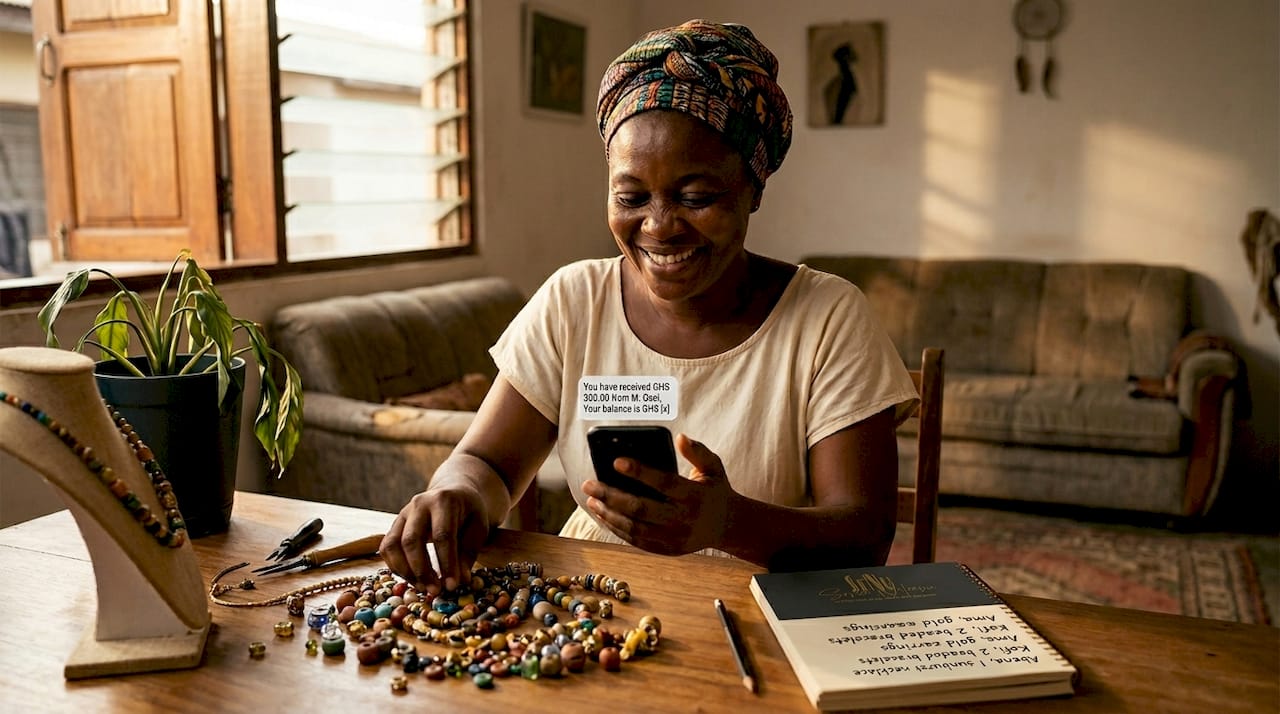
Multi-brand retail platforms, while convenient, often compress artisan margins significantly. A garment sold through several layers of distribution can leave the original maker with a fraction of the final retail price. Direct purchasing, whether through a brand's own platform or through structured artisan cooperatives, shrinks that gap and keeps more value in the community.
One of the most inspiring structured initiatives operating in West Africa is the Ethical Fashion Initiative (EFI), a program run through the International Trade Centre, a joint agency of the United Nations and the World Trade Organization. EFI has partnered with international brands to produce Faso Dan Fani, a traditional handwoven cotton fabric from Burkina Faso. According to Ferragamo for Artisan Communities, this initiative processes 24 tons of yarn per year and has created 80 direct jobs, the majority held by women. That is a concrete, measurable impact rooted in a living tradition.
Understanding why handmade fashion matters is essential here. A handwoven textile carries hours of skill, cultural knowledge, and personal care that no machine can replicate. Mass-produced garments labeled as "African-inspired" may borrow the visual aesthetic but strip away everything that gives it meaning.
Here are the key support initiatives worth knowing:
- Ethical Fashion Initiative (EFI): Partners high-end and ethical brands with artisan groups across West Africa, ensuring fair wages and transparent production.
- Seed2Shirt: A traceable supply chain program connecting West African cotton farmers to finished garments, with full transparency at every step.
- Della: A social enterprise focused on handmade goods from Ghana, directly employing local artisans and preserving traditional techniques.
- Fairtrade Africa: Supports smallholder farmer cooperatives and artisan groups across the continent through fair trade certification and market access.
- Artisan cooperatives: Many communities in Senegal, Ghana, and Ivory Coast operate independent cooperatives that sell directly to consumers and international buyers.
When you want to go even deeper, explore resources like unique artisan jewelry from ethical makers to understand how the principles of direct artisan support apply across crafts.
"Every stitch in a handwoven cloth carries the wisdom of generations. When you buy directly from the source, you are not just purchasing fabric. You are preserving a way of life."
Pro Tip: When choosing between brands, prioritize those that specifically highlight women-led artisan groups and offer digital transparency, such as QR codes or online portals that show you exactly who made your piece. Women make up the majority of artisans in West Africa, and directing your purchase power toward women-led initiatives amplifies both economic and social impact.
Understanding how to support artisan fashion goes beyond a single transaction. It is an ongoing relationship with the communities whose creativity and resilience make these pieces extraordinary.
Apply for or donate to grants and artisan development programs
Not every form of support comes in the form of a purchase. For those who want to go further, funding artisan development programs and contributing to grant pools can sustain entire craft traditions that might otherwise disappear under economic pressure.
Grant programs designed specifically for artisan businesses provide something vital: runway. Many skilled artisans have the talent and cultural knowledge to run thriving businesses but lack access to capital for equipment, raw materials, or market entry. A targeted grant can change the entire trajectory of a small artisan workshop.
Programs like Weave a Real Peace and UN Tourism's rural artisan development initiatives are among the most recognized. The 2026 Artisan Support Grants currently offer up to $1,000 per artisan and draw from a $20,000 annual funding pool, specifically targeting craft businesses in developing regions including West Africa.
Here is a breakdown of the types of grants and their criteria:
- Micro-enterprise grants: Designed for individual artisans or small cooperatives, typically under $2,000, focused on tools, training, and materials.
- Community development grants: Larger funds for cooperatives or nonprofit artisan organizations, often requiring a formal business plan and impact reporting.
- Women-led artisan grants: Reserved for businesses where women hold leadership or majority ownership, often paired with mentorship and market access programs.
- Cultural preservation grants: Funding tied specifically to protecting endangered craft traditions, sometimes offered through UNESCO or national arts councils.
- Export readiness grants: Help artisan businesses develop packaging, branding, and logistics to access international markets like the United States and Europe.
Understanding the role of craftsmanship in fashion deepens appreciation for why these grants matter so much. When a weaving tradition fades because artisans cannot afford to sustain their practice, that knowledge is gone permanently.
Pro Tip: When evaluating which programs to donate to, prioritize those with transparent reporting. Look for annual impact reports, named artisan beneficiaries, and clear metrics on how funds were used. This level of accountability is a strong signal that your contribution will be used responsibly and with genuine care.
Supporting rural artisan women is especially meaningful. Research consistently shows that when women in developing economies gain financial independence, they reinvest a larger proportion of their income into their families and communities compared to their male counterparts. Funding women-led artisan businesses is not just an act of cultural support. It is a catalyst for broader social progress.
Promote ethical storytelling and cultural preservation in artisan fashion
Buying ethically and funding grants are powerful acts. But sharing the story of the artisan who made your garment is how culture survives. Ethical storytelling, the practice of amplifying artisan voices and traditions through honest, respectful communication, is one of the most undervalued tools in the fight to preserve West African heritage.
When fashion brands and their customers tell authentic stories, they create visibility for craft traditions that might otherwise remain invisible to the global market. A beautiful fashion storytelling example shows buyers the faces, names, and narratives behind each piece, transforming a garment from a product into a cultural artifact with a living history.
Here are actionable ways to share and amplify artisan stories:
- Post with purpose: When you share your purchase on social media, include the artisan's name, their community, and the tradition behind the textile or technique.
- Tag the brand and the maker: Encourage brands to tag artisan partners directly in their content, creating a visible, traceable connection between buyer and maker.
- Write reviews that inform: Share detailed reviews that highlight the craftsmanship, cultural significance, and ethical sourcing of the pieces you buy.
- Support artisan-led content: Follow, share, and engage with content created by artisans themselves on platforms like Instagram, TikTok, and YouTube.
- Advocate for transparency: Encourage brands you love to publish artisan impact reports and adopt tools like digital passports that log a garment's journey from fiber to finished piece.
Technology, used thoughtfully, can strengthen rather than displace tradition. Digital passports, QR-linked provenance records, and AI-assisted supply chain tracking can bring artisan stories directly to the consumer's phone without requiring artisans to change how they work. According to Ferragamo for Artisan Communities, prioritizing women-led artisan groups and integrating tech like AI-assisted transparency tools, without displacing craft, is the expert-recommended approach to scaling impact while protecting tradition.
"Cultural preservation in fashion is not archiving the past. It is making the past relevant, visible, and valued in the present."
Exploring how African heritage apparel connects community to consumer reveals how storytelling can be the bridge that keeps traditions alive. You can also learn more about the contrast between authentic production and industrial imitation by reading about handcrafted versus mass-produced approaches, which illustrates exactly what is lost when craft is replaced by a factory line.
Every time you share a story, you extend the life of a tradition. That is a form of activism that costs nothing but your attention and your voice.
The reality behind artisan support: What truly drives change?
Here is what we have learned from being close to this work: the biggest misconception in ethical fashion is that a single purchase is enough. It is a wonderful start, but real, lasting change for artisan communities comes from ongoing engagement, and from choosing support that is structurally sound.
Many retailers use the word "artisan" to describe products that were mass-produced in factories with low-wage labor and no community ties. When a product is labeled artisan but lacks any traceability, any certification, or any named maker, it dilutes the market and creates real economic harm for genuine craftspeople who cannot compete on price alone. The Ghana textile industry's collapse, driven by import flooding and mass production, is a stark warning of what happens when authenticity is sacrificed for volume.
Supporting artisan heritage means asking hard questions of the brands you love, and walking away when they cannot answer them clearly. It means choosing limited-quantity pieces over mass-produced runs, demanding transparency over polished marketing, and prioritizing women-led groups where economic impact is most powerfully multiplied.
One-time gestures feel good. But artisan communities need customers who come back, advocates who keep sharing their stories, and donors who renew their support year after year. That sustained engagement is what transforms a fragile craft tradition into a thriving, resilient economy.
Next steps: Shop vibrant African styles and support artisans
With the right knowledge behind you, every fashion choice becomes an act of cultural support. At Sena Nukunu, we have curated a collection of vibrant, ethically crafted West African-inspired pieces, from bold statement dresses to intricately designed matching sets, each one made with care, purpose, and a deep respect for the artisans whose creativity brings them to life. Our limited-quantity approach means every piece you wear carries genuine artisan energy, not factory uniformity. Explore our collections and let your style tell the story of a living, breathing legacy. Each purchase you make here is a step toward a more empowered, culturally rich future.
Frequently asked questions
What certifications guarantee authentic support for African artisans?
Look for certifications like Cotton made in Africa (CmiA) and Fairtrade, which ensure traceable, sustainable sourcing and direct community impact through rigorous third-party auditing.
How can direct purchases benefit West African artisan communities?
Buying directly from artisan brands or support initiatives guarantees more income reaches the maker, preserves traditional crafts, and drives local job creation, as demonstrated by EFI's Burkina Faso initiative creating 80 jobs from handwoven Faso Dan Fani fabric.
Which grant programs help artisans in West Africa?
Programs like Weave a Real Peace and UN Tourism offer up to $1,000 per artisan and draw from a $20,000 annual pool, specifically supporting craft business growth across West Africa.
Why is ethical storytelling important in artisan fashion?
Ethical storytelling preserves artisan traditions, raises cultural awareness, and empowers communities by giving visibility to their craftsmanship, particularly when brands prioritize women-led groups and integrate transparent technology tools.
What are the risks of mass-produced "artisan" products?
Mass production dilutes authenticity, reduces traceability, and erodes traditional techniques, a reality reflected in the collapse of Ghana's textile output from 130 million yards in 1977 to just 15 million yards by 2017.