TL;DR:
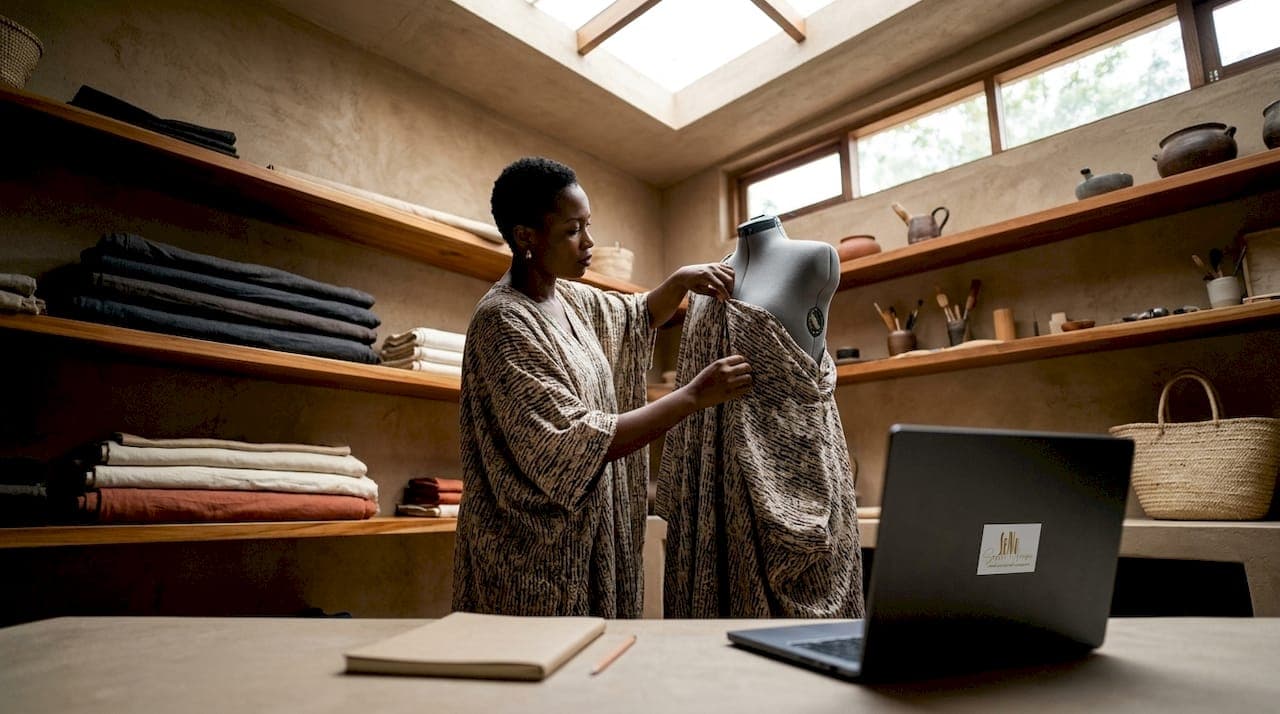
- African silhouette fashion emphasizes flowing, voluminous shapes that convey cultural identity and social meaning. It prioritizes drape and movement over body-hugging styles, evolving to incorporate modern, unisex, and luxury influences while maintaining its traditional significance.
African silhouette fashion is defined by flowing, voluminous garment shapes that communicate cultural identity, social status, and spiritual meaning across the African continent. Unlike Western fashion's focus on body-hugging tailoring, African silhouette fashion centers on drape, movement, and fabric richness as its primary design language. Understanding what is African silhouette fashion means recognizing a living tradition that spans 54 countries and over 3,000 ethnic groups, each with distinct garment forms, textile techniques, and symbolic codes. This guide unpacks the core characteristics, cultural meanings, and modern evolutions that make African garment silhouettes one of the most expressive and significant traditions in global fashion.
What is African silhouette fashion, and why does it matter?
African silhouette fashion is the design philosophy that prioritizes shape, drape, and volume as carriers of cultural meaning, rather than treating clothing as mere body coverage. The term "silhouette" in this context refers to the outer form and structure of a garment, and in African fashion traditions, that form speaks a language that every community member can read.
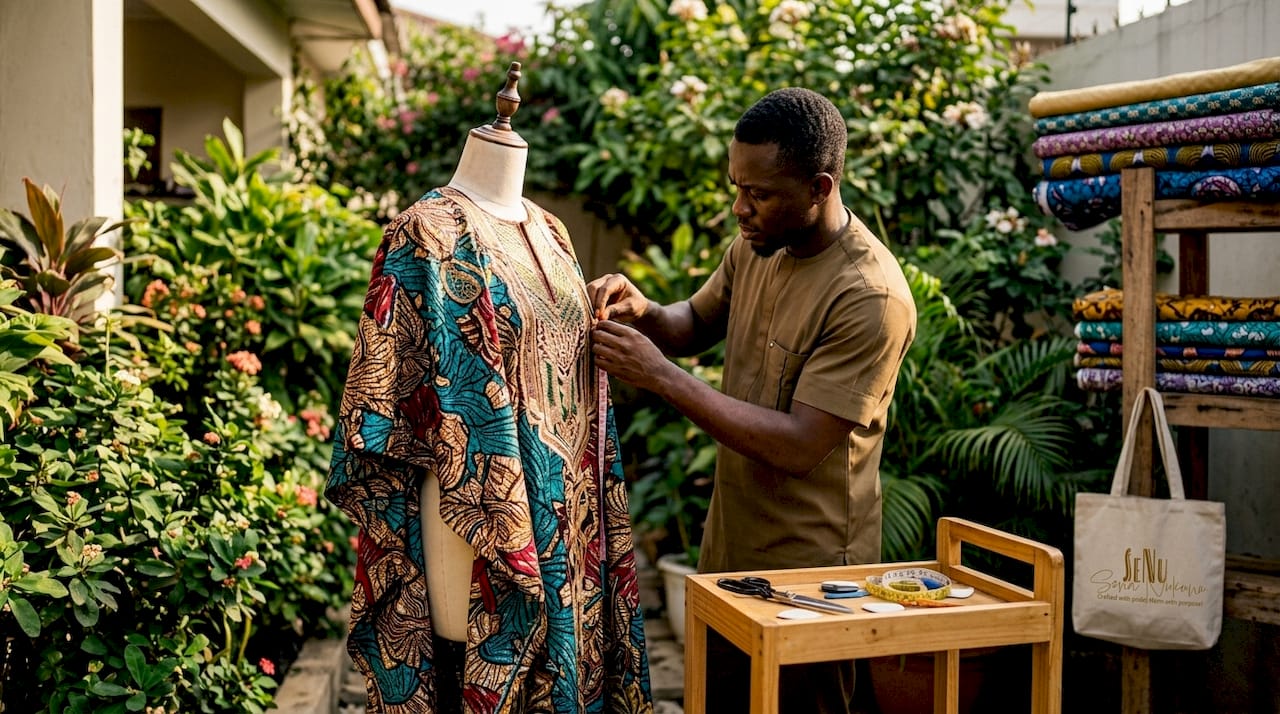
The diversity within this tradition is staggering. African fashion is not a monolith; its traditions differ vastly by region, ethnic group, and historical period, yet they share a deep relationship between clothing and identity. A Yoruba Agbada from West Africa communicates something entirely different from a Maasai shuka wrap from East Africa, even though both prioritize silhouette over skin-tight construction.
What defines silhouette fashion in the African context is the deliberate use of shape to signal who you are, where you belong, and what you stand for. Fabric movement, sleeve width, hem length, and layering all carry social information. This is why African garment silhouettes have endured for centuries without losing their relevance.
Recognized in 2026 as a global creative center rather than a niche interest, African fashion now commands serious attention from designers, researchers, and fashion enthusiasts worldwide. That recognition reflects a long-overdue acknowledgment of the depth and sophistication embedded in these traditions.
What are the key characteristics of traditional African silhouette fashion?
Traditional African silhouette fashion is built on volume, drape, and layering rather than body-tight construction. African silhouettes like the Bubu and Agbada reject Western tight construction in favor of shapes that express dignity and social authority through fabric movement. The wider the sleeve, the richer the embroidery, the more commanding the presence.
The most prominent garment forms in traditional African silhouette fashion include:
- Bubu: A wide-sleeved, floor-length robe worn across West Africa, particularly in Senegal, Mali, and Guinea. Its fluid drape and generous cut make it the defining silhouette of the region.
- Agbada: A three-piece ensemble worn by Yoruba men in Nigeria, featuring a voluminous outer robe with wide sleeves that cascade dramatically. The Agbada signals wealth, age, and social standing.
- Kaftan and tunic forms: Worn by men and women across North and West Africa, these garments use length and embroidery placement to communicate occasion and status.
- Wrapper styles: Draped fabrics like the Kente cloth wrapper from Ghana or the Ankara wrap skirt use color, pattern, and drape to identify ethnic affiliation and ceremonial role.
Textile techniques are inseparable from silhouette in African fashion. Hand-dyeing methods like adire (Yoruba resist-dyeing), kente weaving, and bogolan (Malian mud cloth) create fabrics that carry cultural codes within their patterns. The silhouette and the textile work together as a unified statement.
Pro Tip: When studying traditional African clothing, always research the specific ethnic group and region. A Bubu from Senegal and a kaftan from Morocco share a general silhouette category but carry entirely different cultural meanings and construction techniques.
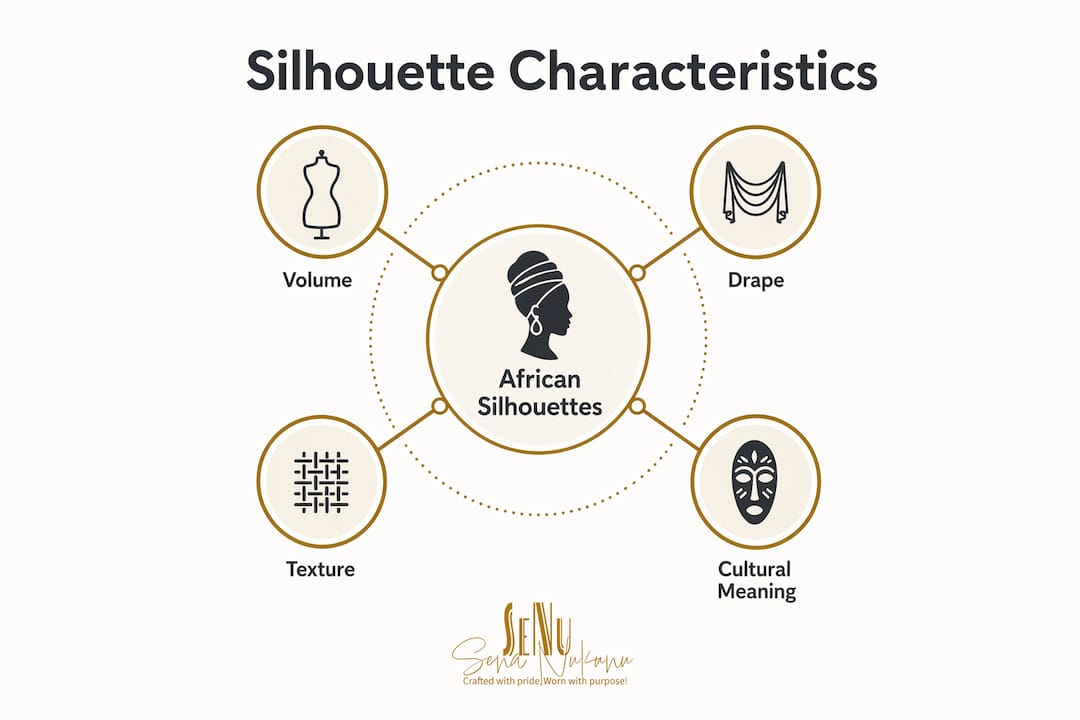
The role of silhouette in conveying status is direct and intentional. A garment's volume, the quality of its embroidery, and the richness of its fabric all signal the wearer's social position. This is why African fashion communicates social information through clothing, including status, identity, community membership, and spiritual standing, in ways that are immediately legible within the community.
How has African silhouette fashion evolved in contemporary design?
Contemporary African silhouette fashion fuses ancestral garment forms with urban influences, creating styles that honor tradition while speaking to a global audience. Modern African silhouettes blend ancestral forms with urban streetwear, featuring asymmetric cuts, layering, and unisex styling that reflect the rise of Afrobeats culture and the African diaspora's global influence.
The key shifts shaping African fashion styles in 2026 include:
- Asymmetric cuts and deconstructed silhouettes. Designers are taking the traditional wide-sleeved robe and cutting it at unexpected angles, creating garments that feel both ancient and forward-looking.
- Unisex and gender-fluid styling. The Bubu and kaftan have always been worn by multiple genders in their regions of origin. Contemporary designers are formalizing this fluidity, presenting collections that reject gendered sizing entirely.
- Layering as a design statement. Traditional African layering, where a wrapper is worn over a tunic over a base garment, is being reinterpreted as a high-fashion technique, with sheer fabrics and contrasting textures creating depth.
- Luxury material upgrades. Traditional hand-embroidery and natural dyeing now appear on silk, brocade, and organza, marking a shift toward what the industry recognizes as a modern luxury paradigm.
- Simplicity and freedom as the new luxury. African designers in 2026 prioritize wearer freedom and comfort, moving away from over-designed garments toward lasting silhouettes that feel effortless. This reflects a conscious rejection of fashion excess.
The Bubu silhouette, with its wide sleeves and fluid drape, is the most prominent African silhouette gaining global traction in 2026. Its emphasis on inclusivity, sustainability, and ease resonates with a global audience that is increasingly skeptical of restrictive, body-focused fashion. Platforms covering African diaspora style trends have documented how these silhouettes function as markers of modern elegance, not just cultural heritage.
What cultural meanings and social messages do African silhouettes convey?
African silhouette fashion functions as a visual language. Every element of a garment's shape, from its hem to its sleeve width, carries meaning that extends far beyond decoration.
"African fashion should be appreciated as a complex language rather than a single style or aesthetic. Clothing communicates social information including status, identity, community membership, and spiritual standing. The silhouette is not incidental to this communication. It is the message itself."
— African Fashion: The Ultimate Guide
The modularity of African garments is one of the most underappreciated aspects of this tradition. African silhouette garments are modular and versatile, shifting easily between intimate and ceremonial contexts by changing accessories or fabric quality. A Bubu in plain cotton is appropriate for daily wear. The same cut in hand-embroidered silk brocade becomes ceremonial attire for a wedding or naming ceremony.
This modularity enables a sophisticated form of social communication. The wearer does not need a different garment for each occasion. They need a different expression of the same silhouette. That design intelligence reflects centuries of cultural refinement.
Silhouettes also carry spiritual meaning in many African traditions. Among the Yoruba, specific garment forms are associated with particular Orisha (spiritual forces). Among the Akan of Ghana, the way a cloth is draped signals the wearer's relationship to ancestral lineage. These meanings are not decorative additions. They are the reason the silhouette exists in its specific form.
How can fashion enthusiasts incorporate African silhouette fashion thoughtfully?
Engaging with African silhouette fashion respectfully starts with rejecting the idea that Africa produces a single, unified style. African fashion traditions differ vastly across regions but share a deep relationship between clothing and identity. Treating all African fashion as interchangeable erases the specific cultural knowledge embedded in each tradition.
Practical ways to engage thoughtfully include:
- Research before you wear. Learn the specific origin and meaning of a garment before incorporating it into your wardrobe. A Kente cloth pattern carries specific Akan meanings. Wearing it without that knowledge reduces a cultural text to a print.
- Support ethical brands and artisans. Purchasing from brands that work directly with West African artisans ensures that the economic and cultural value of the tradition stays within the communities that created it. Platforms focused on sustainable West African fashion document how ethical sourcing protects both craft traditions and livelihoods.
- Blend with intention. Pairing a wide-sleeved Bubu-inspired top with tailored trousers is a legitimate contemporary styling choice. Pairing ceremonial garments with ironic accessories is not.
- Prioritize quality over novelty. African silhouette fashion is built on lasting craftsmanship. Choosing well-made pieces over fast-fashion interpretations honors that tradition and produces garments that actually wear well over time.
- Explore ready-to-wear options rooted in heritage. The ready-to-wear African attire movement has made it easier than ever to access authentic silhouettes crafted with ethical production standards.
Pro Tip: When styling African silhouette pieces, let the garment lead. These shapes are designed to be the statement. Minimal accessories and neutral footwear allow the silhouette and textile to do their work without visual competition.
Why African silhouette fashion deserves more than admiration
African silhouette fashion has earned global recognition, but I think the conversation still misses something fundamental. Most coverage focuses on the visual drama of the Agbada or the global rise of the Bubu, and that is fair. These are extraordinary garments. But what strikes me most, after years of working with West African fashion traditions, is how precise the design intelligence behind these silhouettes actually is.
Western fashion spent decades chasing the body, trying to reveal or reshape it. African silhouette fashion made a different choice century ago. It chose to let the garment speak independently of the body inside it. That is not a limitation. That is a philosophy. And the 2026 trend toward simplicity, freedom of movement, and comfort in modern African silhouettes proves that this philosophy was always ahead of its time.
The designers and artisans who carry these traditions forward deserve recognition not just as cultural custodians but as sophisticated design thinkers whose work is shaping what global fashion looks like next. Every stitch in a hand-embroidered kaftan carries the spirit of that legacy, and wearing it well means understanding what you are carrying.
— Sena
Timeless African silhouettes, crafted with purpose at Senanukunu
Senanukunu brings the richness of West African silhouette fashion to you through a curated collection of vibrant, ethically crafted pieces. Each garment reflects the tradition of volume, drape, and intricate craftsmanship that defines authentic African fashion styles.
From flowing African-inspired dresses to coordinated two-piece sets that honor the modularity of traditional African garments, every piece at Senanukunu is made with care, purpose, and cultural pride. The collection uses luxury textiles and hand-embroidery techniques rooted in West African heritage, produced in limited quantities to protect quality and craftsmanship. When you shop at Senanukunu, you support the artisans and traditions behind these timeless silhouettes.
FAQ
What is African silhouette fashion?
African silhouette fashion is a design tradition defined by flowing, voluminous garment shapes that communicate cultural identity, social status, and spiritual meaning. It spans 54 countries and over 3,000 ethnic groups, each with distinct garment forms and textile techniques.
What are the most recognized African garment silhouettes?
The Bubu, Agbada, kaftan, and wrapper styles are the most recognized African garment silhouettes. Each originates from a specific region and ethnic tradition, carrying distinct cultural meanings through its shape, fabric, and embroidery.
How does African silhouette fashion differ from Western fashion?
African silhouette fashion prioritizes volume, drape, and fabric movement over body-tight tailoring. This reflects a design philosophy that expresses dignity and social authority through the garment's shape rather than the body's form.
How is African silhouette fashion evolving in 2026?
In 2026, African silhouette fashion is evolving through asymmetric cuts, unisex styling, luxury material upgrades, and a strong trend toward simplicity and wearer freedom. These shifts reflect both urban streetwear influences and a modern luxury paradigm rooted in comfort.
How can I style African silhouette fashion respectfully?
Research the specific cultural origin of any garment before wearing it, support ethical brands that work with African artisans, and let the silhouette lead by keeping accessories minimal. Choosing quality over novelty honors the craftsmanship tradition behind these garments.
Key Takeaways
African silhouette fashion is a design philosophy rooted in volume, drape, and cultural communication, spanning 54 countries and 3,000+ ethnic groups with distinct garment forms and meanings.
| Point | Details |
|---|---|
| Silhouette as language | African garment shapes communicate status, identity, and spiritual meaning, not just aesthetic preference. |
| Volume over body-tight fit | Garments like the Bubu and Agbada use drape and wide sleeves to express dignity and social authority. |
| Modular design intelligence | The same silhouette shifts between daily and ceremonial use by changing fabric quality and accessories. |
| Contemporary evolution | Modern African silhouettes fuse ancestral forms with asymmetric cuts, unisex styling, and luxury materials. |
| Ethical engagement matters | Supporting artisan-made, ethically sourced African fashion preserves both craft traditions and community livelihoods. |