
TL;DR:
- A wedding guest outfit workflow involves detailed planning, creating three outfit versions, and conducting a full wear-test to ensure confidence and comfort. Starting 3–4 months ahead allows time for thoughtful shopping, ethical sourcing, and adjusting based on venue, season, and terrain. Incorporating cultural elements and tracking outfits helps express personal identity while maintaining versatility and sustainability.
A successful wedding guest outfit workflow is a structured, step-by-step planning process that starts with decoding the dress code and ends with three tested, styled looks ready for the event. Most guests spend between $100–$300 per outfit, making thoughtful planning a real investment worth protecting. The workflow covered here draws on insights from sources like Beauty AI and Clueless Clothing to help you move from overwhelmed to confident, with looks that reflect your personal style and ethical fashion values.
What are the key preparatory steps in a wedding guest outfit workflow?
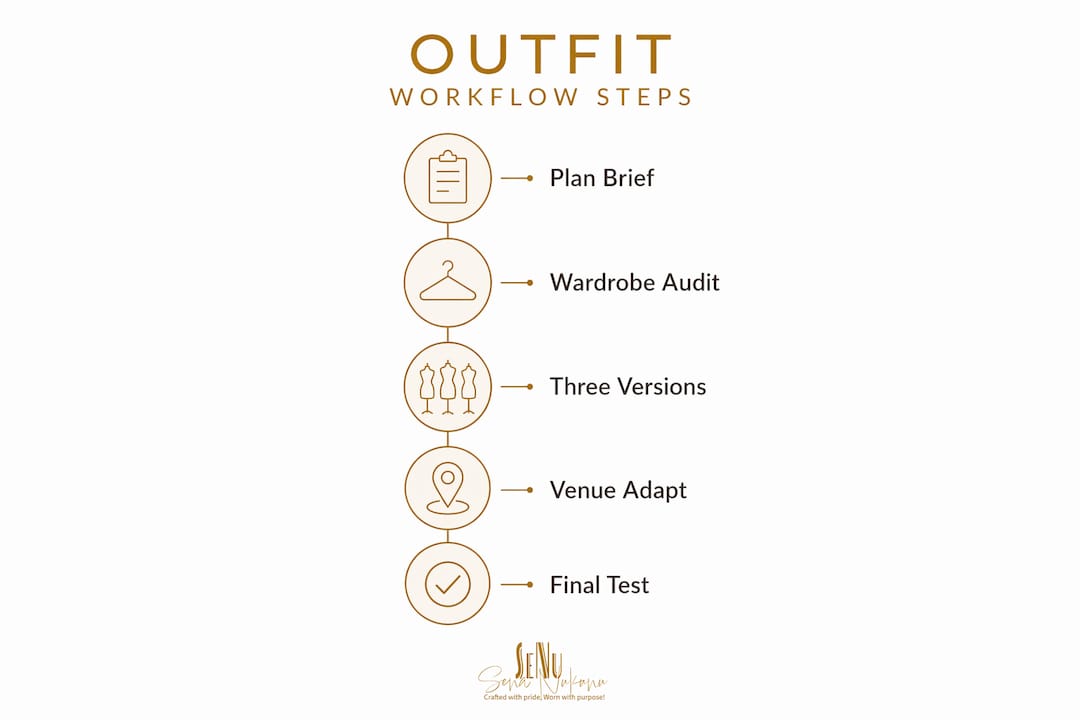
The foundation of any strong wedding guest outfit workflow is a detailed planning brief built at least 3–4 months before the event. That timeline gives you room to shop thoughtfully, source ethically made pieces, and avoid last-minute panic. Think of it as your personal style brief, not a to-do list.
Start by listing every wedding you are attending with the following details captured for each:
- Date and season: Summer weddings call for lighter fabrics and breathable silhouettes. Fall and winter events open the door to richer textures and deeper colors.
- Venue type: A garden ceremony in Georgia has different demands than a ballroom reception in New York City. Note whether the setting is indoor, outdoor, or both.
- Dress code: Black tie, cocktail attire, garden party, and smart casual each carry distinct expectations. Decode the exact wording on the invitation before you shop.
- Terrain: Grass, sand, cobblestone, and marble all affect your footwear choices in ways that matter more than most guests realize.
- Cultural context: If the wedding honors specific traditions, your outfit is an opportunity to show respect and personal pride through thoughtful choices.
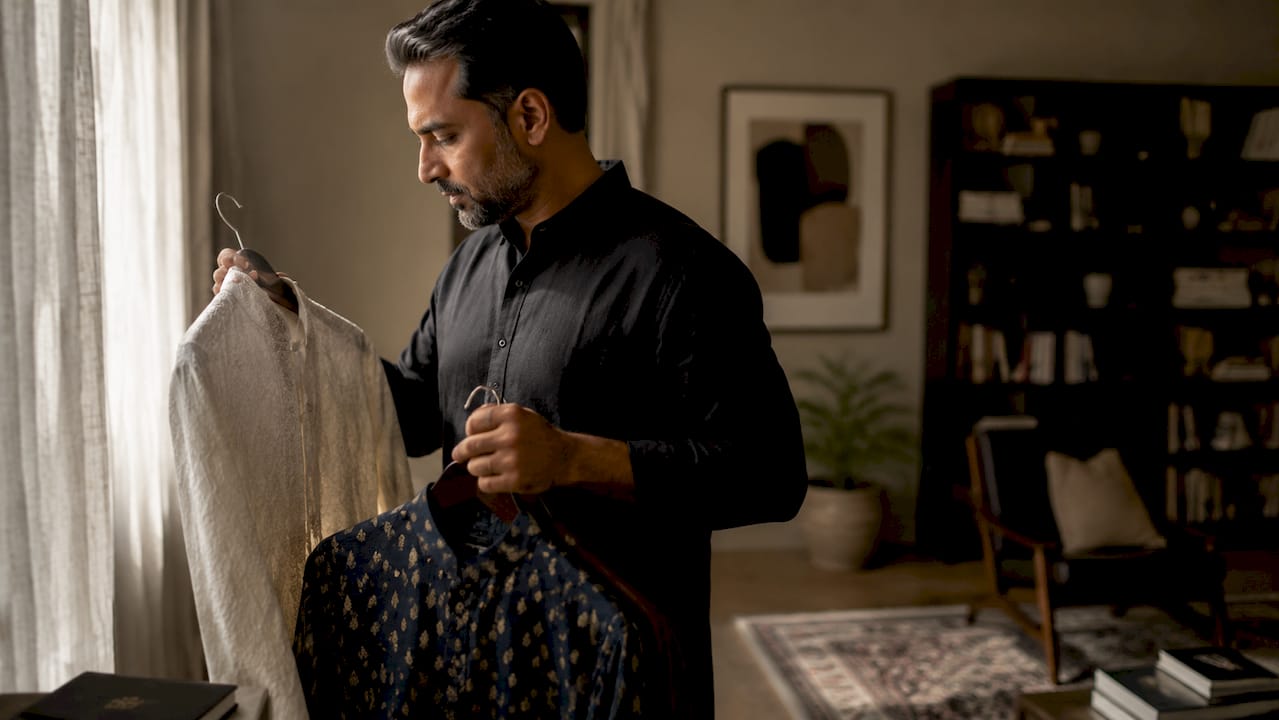
Once your brief is complete, audit your existing wardrobe. Pull out every piece that could work: dresses, tailored sets, statement skirts, jumpsuits, structured jackets, and accessories. Lay them out and photograph them. This wardrobe inventory prevents you from buying duplicates and reveals gaps you actually need to fill.
| Planning Element | Why It Matters |
|---|---|
| Date and season | Determines fabric weight, color palette, and layering needs |
| Venue and terrain | Guides footwear and silhouette choices for comfort |
| Dress code | Sets the boundaries for formality and styling |
| Cultural context | Opens space for meaningful, expressive outfit choices |
| Wardrobe inventory | Reduces unnecessary spending and reveals true gaps |
Ethical fashion values fit naturally into this stage. When you know what you need, you can seek out artisan-made pieces that carry cultural meaning and last well beyond one event.
How to build three outfit versions: safe, elevated, and backup
The most effective wedding guest attire planning method produces three distinct outfit versions: safe, elevated, and backup. Each version serves a specific purpose, and together they remove the anxiety of the unknown.
-
Build your safe look first. The safe look meets the dress code clearly, avoids social risks like wearing white or outshining the wedding party, and keeps you comfortable for the full event. Choose a silhouette you have worn before and know works for your body. A midi dress in a solid jewel tone or a tailored co-ord set in a neutral print both work well as safe anchors.
-
Layer up to create your elevated look. Take the same base garment and add bolder accessories, a more striking shoe, or a structured cropped jacket. A statement necklace, a printed clutch, or a pair of block-heeled mules can shift a safe look into something genuinely memorable. The elevated version is what you wear when you want to be seen and celebrated.
-
Prepare your backup look separately. The backup exists for weather surprises, comfort failures, or last-minute changes. It should be a complete outfit, not just a swap of one item. A jumpsuit or a statement skirt paired with a fitted top makes an excellent backup because both pieces can be restyled independently after the event.
Pro Tip: Tailored sets, statement skirts, and jumpsuits offer higher reuse value than single-occasion dresses. Build your three versions around these versatile pieces and you will wear them long after the wedding photos are posted.
The key to this method is starting with base garments and adjusting layers, shoes, and jewelry rather than building three entirely separate outfits from scratch. That approach saves money and makes your wardrobe work harder. A West African wax print co-ord, for example, can serve as your elevated look at a garden wedding and your backup look at a cocktail event simply by changing the accessories and shoes.
Culturally inspired pieces shine brightest in the elevated version. A statement piece rooted in heritage and craftsmanship tells a story that a generic department store dress simply cannot.
How to adapt your guest outfit to venue, season, and terrain
Matching your outfit to the event environment is where wedding fashion tips move from theory into practice. The right fabric, shoe, and layering choice can mean the difference between a confident entrance and a long, uncomfortable afternoon.
Fabric and season
Light, airy fabrics like chiffon, linen, and cotton work best for summer and daytime events. Velvet, silk, and heavier wovens suit fall and evening receptions. Matching fabric weight to the time of day and season is not just a comfort decision. It is a styling one, because the right fabric drapes and photographs better in its intended environment.
Footwear and terrain
Venue terrain directly shapes your shoe choice. Stilettos on a grass lawn are a practical disaster. Heel stoppers solve the sinking problem, but a block heel or a sculptural flat is a more elegant solution. Sand venues call for strappy sandals or wedges. Marble and hardwood floors reward a kitten heel or a polished loafer. Assess the terrain in your planning brief and match your footwear before you commit to an outfit.
| Venue Terrain | Best Footwear Choice | Footwear to Avoid |
|---|---|---|
| Grass or garden | Block heel, wedge, or flat sandal | Stilettos without heel stoppers |
| Sand or beach | Strappy flat sandal or wedge | Any closed-toe heel |
| Marble or hardwood | Kitten heel or polished loafer | Rubber-soled sneakers |
| Cobblestone | Low block heel or structured flat | Thin stilettos |
Layering with intention
Temperature changes between ceremony and reception catch many guests off guard. Cropped jackets and structured layers are the modern answer to this problem. A tailored cropped blazer in a complementary color adds polish and warmth without the dated look of a shawl or cardigan. A kimono-style jacket in a printed fabric can also serve as a statement piece in its own right, especially when it draws on cultural textile traditions.
Dress code nuances matter here too. A "cocktail attire" label does not mean only dresses. A wide-leg trouser with a structured top and a bold heel reads as cocktail-appropriate and often more original than the standard midi dress. The online clothing shopping checklist from Wildflower Wardrobe is a practical resource for verifying that your selections meet occasion standards before you buy.
What are the best practices for testing and finalizing your look?
Testing is the step most guests skip, and it is the one that prevents the most problems. A complete wear-test conducted at least a week before the wedding is the standard best practice for confirming comfort and fit.
-
Wear the full outfit for at least two hours. Put on every component: the dress or set, the shoes, the undergarments, the jewelry, and the bag. Sit down, stand up, and walk across different floor surfaces if possible.
-
Test the terrain you expect at the venue. If the ceremony is outdoors on grass, walk on grass in your chosen shoes. If the reception is on a rooftop, practice navigating stairs. These tests reveal problems that a mirror check never will.
-
Check for fit issues under movement. Sit, cross your legs, reach for something above your head, and lean forward. A dress that fits perfectly standing still may gap, ride up, or restrict movement in ways that become obvious only when you move.
-
Photograph the outfit in natural light. Wedding photos are taken in all kinds of lighting. A color that looks rich indoors may wash out in afternoon sun. Seeing your outfit in a photo before the event gives you an honest preview.
-
Log the outfit in your event tracker. Tracking outfits across events prevents the "already seen" effect in shared social circles where wedding photos circulate widely. A simple spreadsheet or a notes app entry with the date, event, and outfit worn is enough to manage this over time.
Pro Tip: Use a free outfit planning app or a simple photo folder on your phone to store images of each of your three versions. Label them "safe," "elevated," and "backup" so you can make a final decision the morning of the wedding without stress.
The outfit creation guide from Wildflower Wardrobe offers additional frameworks for organizing looks by occasion, which pairs well with the three-version method described here.
Key takeaways
A complete wedding guest outfit workflow combines a detailed planning brief, three styled outfit versions, and a full wear-test to produce a look that is appropriate, comfortable, and genuinely expressive.
| Point | Details |
|---|---|
| Start with a planning brief | Capture date, venue, dress code, terrain, and cultural context at least 3–4 months out. |
| Build three outfit versions | Prepare safe, elevated, and backup looks to cover every scenario with confidence. |
| Match fabric and footwear to context | Choose fabric weight by season and footwear by venue terrain for comfort and style. |
| Conduct a full wear-test | Test the complete outfit including shoes and accessories at least one week before the event. |
| Track outfits across events | Log what you wear to avoid repeating looks in shared social circles. |
What I have learned about cultural style and the outfit workflow
The standard wedding guest style guide rarely accounts for the power of culturally inspired fashion. Most advice defaults to safe, generic choices that leave so much personal expression on the table. My experience has taught me something different: the guests who are remembered are the ones who wore something that told a story.
West African wax prints, hand-embroidered kaftans, and tailored sets in heritage textiles do not just meet a dress code. They honor a legacy. Every stitch carries intention, and that intention reads in a room. When you wear a piece rooted in craft and culture, you are not just dressed. You are present.
The workflow matters because it gives you the structure to be bold without being reckless. When you know your safe look is covered, you have the freedom to make your elevated look genuinely expressive. That is where cultural fashion thrives. A beautifully made co-ord in a vibrant print, worn with confidence and the right shoes, will always outshine a last-minute dress purchased out of stress.
Ethical fashion fits naturally into this process too. Choosing pieces made by artisans who are fairly compensated means your outfit carries a value beyond aesthetics. That is a choice worth making, and the workflow gives you the time and clarity to make it intentionally.
— Sena
Dress with purpose: how Senanukunu supports your wedding guest look
Senanukunu was built for exactly this moment. The curated collections feature ready-to-wear dresses, co-ords, and statement sets rooted in West African heritage and crafted with ethical care. Every piece is designed to work as a safe look, an elevated look, or a backup, giving you real versatility across multiple events. The dress collection includes silhouettes suited to cocktail, garden, and semi-formal dress codes, all available to ship directly to you. If you want support selecting and styling your look, the design and styling services at Senanukunu are there to help you get it right. Explore vibrant, ethically made styles and wear something that means something.
FAQ
What is a wedding guest outfit workflow?
A wedding guest outfit workflow is a structured planning process that starts with decoding the dress code and ends with three tested outfit versions: safe, elevated, and backup. It typically begins 3–4 months before the event.
How much should I budget for a wedding guest outfit?
Most guests spend between $100–$300 per outfit. Planning ahead allows you to invest in versatile, ethically made pieces that can be restyled across multiple events.
Can I wear a jumpsuit or co-ord to a wedding?
Yes. Tailored sets, jumpsuits, and statement skirts are widely accepted alternatives to dresses at most wedding dress codes, and they offer higher reuse value after the event.
How do I choose shoes for an outdoor wedding?
Assess the venue terrain first. Grass venues call for block heels, wedges, or flats. Sand venues work best with strappy flat sandals. Avoid stilettos on any uneven outdoor surface without heel stoppers.
How do I avoid repeating outfits at weddings in the same social circle?
Keep a simple event-to-outfit log with the date, event name, and what you wore. This prevents the "already seen" effect in shared wedding photos and helps you plan fresh looks across the season.