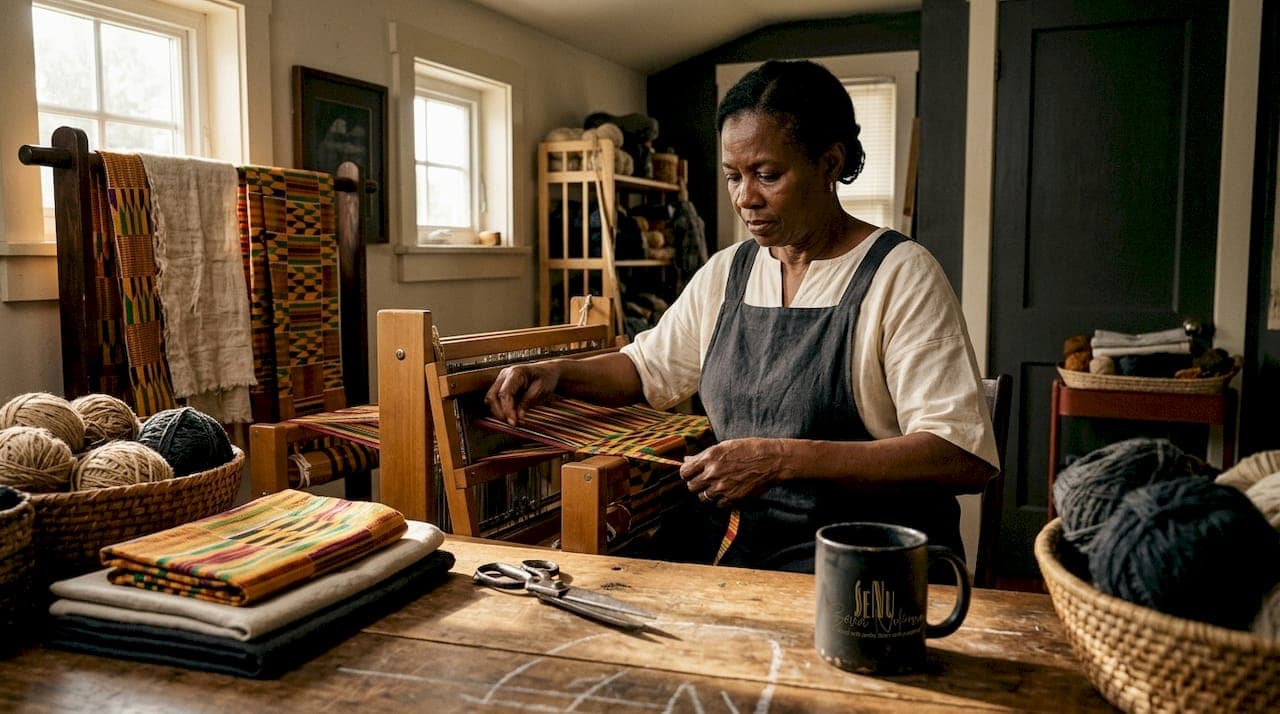
TL;DR:
- Regal fashion is rooted in authentic craftsmanship, cultural symbolism, and meaningful materials that convey legacy. West African textiles like Kente, Adinkra, and Aso Oke exemplify this tradition through their intricate techniques and cultural significance. Wearing such pieces thoughtfully honors their stories, making regality accessible, ethical, and a powerful form of cultural expression.
There is a quiet but powerful question that surfaces every time you stand before a truly extraordinary garment: what exactly makes it feel so regal? It is not just the price tag, and it is certainly not a brand logo. Regality in fashion lives in a deeper place, woven into the history behind a fabric, the hands that shaped it, and the cultural story it carries forward. West African-inspired fashion, in particular, embodies this truth with rare and vibrant clarity, offering pieces that do not just clothe the body but crown it. This guide will show you exactly what to look for.
Table of Contents
- What does 'regal' mean in fashion?
- Materials and craftsmanship: The foundation of regality
- Cultural symbolism: Wearable storytelling and status
- How to style and wear regal pieces today
- Why true regality in fashion is more accessible—and important—than ever
- Discover and own your regal story
- Frequently asked questions
Key Takeaways
| Point | Details |
|---|---|
| More than luxury | Regal fashion means cultural depth and craftsmanship beyond price or trend. |
| Materials and technique | Authentic textiles and handwork signal true regality in statement pieces. |
| Cultural symbolism | Look for narrative-rich symbols and colors reflecting heritage and meaning. |
| Styling for impact | Build around one regal piece and let cultural storytelling lead your look. |
What does 'regal' mean in fashion?
The word "regal" gets used loosely in fashion marketing, but its true meaning runs far deeper than a jewel-encrusted accessory or a designer label. Authentic regality in fashion signals dignity, heritage, and intentional craft. It points to a garment that was made with purpose, designed to communicate something lasting about the person wearing it and the culture it honors.
Think about the difference between an expensive fast-fashion blazer and a hand-stitched ceremonial robe. Both might cost significant money. Only one carries weight. That weight comes from story, tradition, and the accumulated meaning of a community.
Several core elements define regal fashion:
- Visible craftsmanship: You can see the hours of skilled labor in each stitch, seam, and weave.
- Cultural symbolism: Patterns, colors, and motifs reference specific histories and social values.
- Rare or traditional materials: Fabrics sourced with care and used with respect for their origins.
- Intentional design: Every element of the garment serves a purpose, whether aesthetic, spiritual, or social.
- Longevity over trend: Regal pieces transcend seasonal fashion cycles because their meaning is timeless.
"Modern regal fashion is rooted in visible craftsmanship, rare materials, and historical references." This is exactly what separates a statement piece from a simple purchase.
The Kings' Robe collection is a living example of this principle. Each piece within this line carries the weight of West African royal tradition, blending intricate textile work with design choices that reflect cultural pride and ancestral power. When you wear something like that, you are not just dressed. You are telling a story.
Materials and craftsmanship: The foundation of regality
Now that we have defined regality, let's explore the core building blocks: materials and craftsmanship. If cultural story is the soul of a regal piece, then materials and technique are its body. And in West African heritage fashion, both are extraordinary.
Three textiles stand out as foundational to this tradition:
Kente cloth originates from the Akan people of Ghana and the Ivory Coast. It is handwoven in narrow strips, then assembled into broader fabric, with each color and pattern carrying specific meaning. Gold represents royalty and wealth. Green signals growth and renewal. Black connects to spiritual maturity and ancestral memory. Kente is not simply colorful. It is a coded language worn on the body.
Adinkra cloth comes from the Akan tradition as well, featuring stamped symbols that encode proverbs, values, and spiritual beliefs. Each symbol is a condensed piece of cultural wisdom, pressed with hand-carved stamps made from calabash gourds. Wearing Adinkra is wearing philosophy.
Aso Oke is a handwoven fabric from the Yoruba people of Nigeria, used for celebrations, ceremonies, and rites of passage. It is dense, textured, and richly patterned, making it one of the most recognizable markers of prestige in West African fashion.
| Textile | Origin | Key technique | Cultural significance |
|---|---|---|---|
| Kente | Ghana, Ivory Coast | Handweaving, strip assembly | Royalty, social status, values |
| Adinkra | Ghana (Akan) | Hand-stamped symbols | Proverbs, spirituality, identity |
| Aso Oke | Nigeria (Yoruba) | Handweaving, rich texture | Ceremony, prestige, celebration |
| Bogolan (Mudcloth) | Mali | Fermented mud dyeing | Heritage, womanhood, protection |
Beyond the fabric itself, the techniques applied in crafting regal pieces matter enormously. Hand embroidery adds layers of intricate detail that machines simply cannot replicate with the same soul. Beadwork, particularly in Yoruba and Maasai traditions, elevates a garment into ceremonial territory, with each bead placed deliberately and meaningfully.
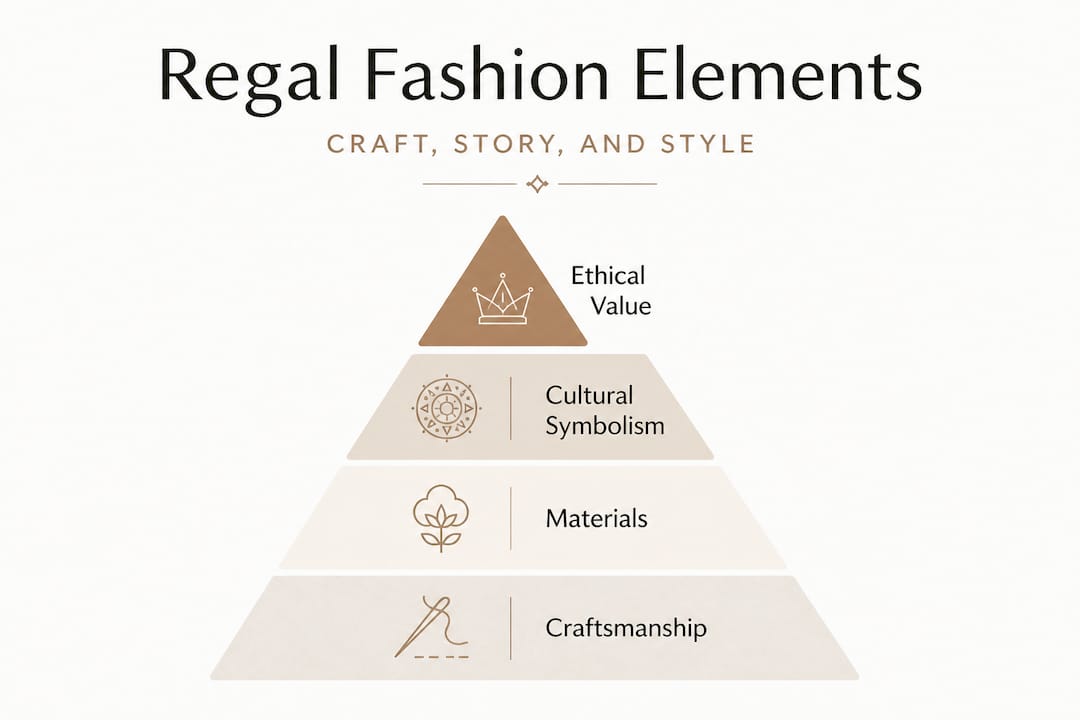
African-inspired statement pieces crafted using these techniques carry a kind of embodied memory. When you run your fingers over a hand-beaded neckline or a woven nobility designs panel, you are touching the result of generational skill.
Ethical sourcing adds yet another dimension to material value. When artisans are paid fairly, when textiles are produced without environmental harm, and when communities benefit directly from their creative labor, the garment gains an ethical weight that enhances its meaning. A piece made in exploitation carries a different energy entirely from one made with dignity and care.
Pro Tip: When shopping for regal pieces, look closely at seams, pattern alignment, and embellishment detail. Handcrafted work often shows deliberate irregularities that machines cannot produce. Those small imperfections are signatures of human artistry, not flaws.
Cultural symbolism: Wearable storytelling and status
With materials and technique covered, it is time to uncover how culture and symbolism add depth to regality. A regal garment without cultural meaning is simply decoration. But when design choices encode values, histories, and identity, the garment becomes something you wear and carry.
In West African fashion traditions, visual symbols do significant work. They tell you about the wearer's family, their spiritual convictions, their social role, and their community allegiances. This is why color choices in traditional garments are never arbitrary, and why pattern placement follows deliberate logic.
Cultural storytelling in fashion is one of the most powerful forces shaping how communities preserve and transmit their identity across generations. "Symbols such as Adinkra visually encode proverbs and power within clothing design." This is not metaphor. It is literal. The Sankofa symbol, for instance, depicts a bird looking backward, encoding the proverb: it is not wrong to go back and fetch what you forgot. Wearing that symbol is a statement of values, a declaration that you honor your roots while moving forward.

Here is a look at some of the most recognized West African symbols and what they communicate:
| Symbol | Origin | Visual form | Meaning |
|---|---|---|---|
| Sankofa | Akan, Ghana | Bird looking back | Return to roots, learn from the past |
| Gye Nyame | Akan, Ghana | Stylized knot form | Supremacy of God, divine power |
| Funtunfunefu | Akan, Ghana | Two-headed crocodile | Unity, shared destiny |
| Uli motifs | Igbo, Nigeria | Flowing organic lines | Femininity, community, spiritual energy |
How do you spot authentic symbolism in modern fashion pieces? Look for these indicators:
- Named or explained symbols: Reputable brands will tell you what symbols appear in a design and what they mean.
- Pattern integrity: Authentic motifs are applied with care and positioned meaningfully, not scattered randomly for visual effect.
- Color intentionality: Traditional color choices follow cultural logic. Gold, white, and deep indigo each carry specific meanings that an authentic piece will honor.
- Designer transparency: Brands rooted in genuine cultural respect will tell you the origin story of each design, not just describe the aesthetic.
- Artisan connection: When the creator of a piece shares cultural identity with the tradition it references, the symbolism is more likely to be accurate and respectful.
Understanding these markers protects you as a consumer and deepens your connection to the pieces you choose to wear. When you know what a motif means, wearing it becomes an act of conscious cultural celebration rather than unconscious appropriation.
How to style and wear regal pieces today
After unpacking meaning, let's apply what we have learned to real-world style. Knowing how to wear regal pieces well is its own kind of art, and the principles are surprisingly straightforward once you commit to letting the piece lead.
Here is a three-step process that works beautifully for building an outfit around a regal statement item:
-
Choose your centerpiece first. Select the one regal item that will anchor the entire look. This might be a Kente-panel jacket, an Adinkra-printed dress, or a richly embroidered set. Every other choice radiates outward from this single decision.
-
Build with restraint around it. Pair your statement piece with simple, neutral, or complementary items that do not compete for attention. Solid colors, clean lines, and minimal accessories allow the regal piece to breathe and be seen. If your centerpiece is bold in both color and pattern, your supporting items should be quiet.
-
Honor the story in how you carry yourself. Regal fashion was traditionally worn by people who understood the significance of what they wore. When you understand the story behind a garment, you wear it with more presence. Read about the tradition, learn the symbolism, and let that knowledge change the way you stand in the piece.
"Styling statement pieces around one focal point amplifies their impact." This is the principle that separates a powerful look from a chaotic one. When everything in your outfit is competing, nothing wins. When one piece leads and everything else supports, the leader becomes unforgettable.
Cultural respect also matters in how you style these pieces. If you are incorporating West African-inspired fashion into your wardrobe, take time to learn about the traditions behind the designs you love. That knowledge becomes part of how you wear the garment, adding authenticity to your personal style. Engaging with bold fashion empowerment means showing up for culture, not just aesthetics.
Pro Tip: When you are first building your regal wardrobe, resist the urge to layer multiple statement pieces together. One at a time allows each piece to communicate fully. As your confidence grows, you will develop an intuitive sense for when two strong pieces can coexist without drowning each other out.
Why true regality in fashion is more accessible—and important—than ever
Here is the perspective that most fashion commentary still avoids: for centuries, regality in dress was controlled by gatekeepers. Luxury houses, royal courts, and Western fashion capitals decided what counted as prestigious and beautiful. West African textiles, despite being among the most technically sophisticated and symbolically rich fabrics on earth, were frequently dismissed or exoticized rather than elevated.
That dynamic is shifting. And it is shifting not because luxury brands suddenly discovered West African fashion, but because conscious consumers and culturally rooted brands are rewriting the script from the ground up.
True regality no longer requires a European address or a five-figure price tag. It requires integrity. It requires that the story behind a garment is real, that the people who made it were respected, and that the cultural tradition it draws from is honored rather than hollowed out.
"Ethically made, culturally imbued pieces foster lasting value and inclusivity over transient trends." This is the new standard of regal, and it is one that puts power directly in the hands of the communities that created these traditions in the first place.
When you choose a piece made by artisans who are compensated fairly, when you wear a garment whose cultural symbolism is accurate and respectfully applied, and when you support brands that reinvest in the communities they draw from, you are practicing the highest form of style leadership. You are saying that quality of story matters more than status of label. That is a genuinely radical act in a fashion industry that has long prioritized surface over substance.
The inclusive fashion insights conversation is growing louder, and we believe the most exciting fashion voices right now are the ones centered on cultural pride, artisan partnership, and ethical production. Regality, understood this way, becomes something everyone can participate in and everyone can embody.
Discover and own your regal story
You have spent time learning to see regal fashion for what it truly is: story, craft, culture, and intention woven together in every thread. Now it is time to find the pieces that speak that language for you.
At Sena Nukunu, every garment in our collection is designed to embody exactly what we have described in this guide. From the breathtaking craftsmanship of the Woven Nobility: Kings' Robe to the vibrant, empowering designs in our regal dress collection, each piece is ethically produced, culturally grounded, and ready to become part of your story. We create in limited quantities so that every item retains its singular, intentional character. When you wear Sena Nukunu, you are not following a trend. You are carrying a legacy forward with confidence, pride, and grace.
Frequently asked questions
How can you tell if a fashion piece is truly regal?
A regal piece combines quality materials, visible craftsmanship, and deep cultural symbolism, not just a high price tag. Look for intentional design, traditional techniques, and a clear cultural story behind the garment.
What is the best way to style a bold, regal statement piece?
Let one regal item be your focal point and pair it with simple, complementary pieces for modern balance. As the principle of styling a statement piece confirms, a single focal point amplifies impact rather than diluting it.
Are regal fashion pieces always expensive?
While many are investment pieces, true regality is about story and quality, not cost alone. Cultural value and craftsmanship may matter far more than the price, making meaningful regality accessible to more people than conventional luxury fashion suggests.
How does ethical production impact a piece's regality?
Ethical sourcing and respectful cultural storytelling increase a piece's lasting value and authenticity. Ethically made pieces reflect deeper value because they honor both the artisan's labor and the cultural tradition they represent.