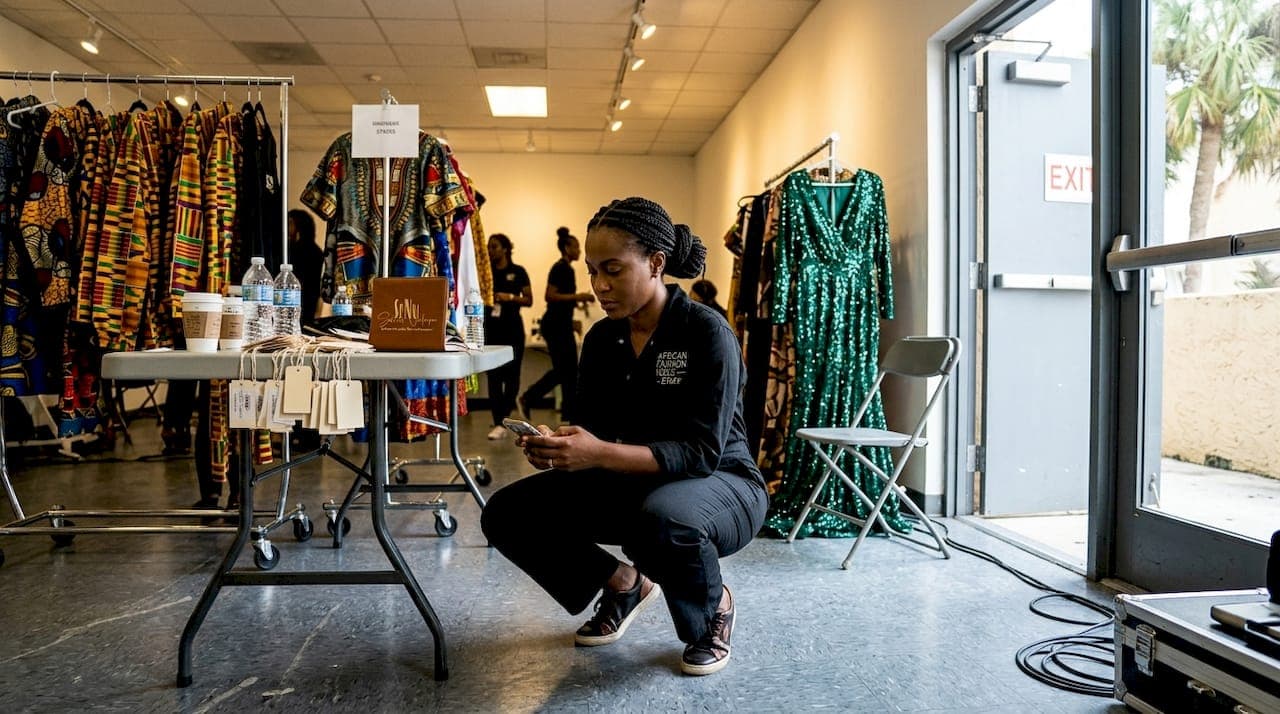
Florida is not the first place that comes to mind when you think of African fashion. Yet Miami serves as a key hub for showcasing African creativity, connecting designers from Lagos to Dakar with style-conscious audiences across the U.S. and beyond. From runway events timed to Art Basel to small-batch collections honoring Florida's own Black history, the Sunshine State has quietly become one of the most exciting places to experience West African fashion outside the continent. If you love culturally rich, ethically made clothing, this is the story you need to know.
Table of Contents
- Florida as a gateway: The rise of African fashion events
- Heritage and innovation: Designers blending African tradition with Florida flair
- Sustainability at the heart: Ethical practices in Florida-African fashion
- Diaspora celebrations: The influence of Haitian and other African communities
- Honoring the past, influencing the future: Fort Mose's impact on modern style
- How to shop and style African fashion in Florida: Practical tips
- Express your heritage: Shop African fashion inspired by Florida's story
- Frequently asked questions
Key Takeaways
| Point | Details |
|---|---|
| Florida is a fashion gateway | Florida, centered in Miami, is a launchpad for African fashion thanks to its major events and cultural connections. |
| Heritage meets innovation | Florida-based designers merge African tradition with modern style to create unique statement pieces. |
| Sustainability drives the scene | Small-batch production, upcycling, and artisan fabrics make ethical practice a signature of Florida’s African-inspired fashion. |
| Diaspora communities fuel trends | Neighborhoods like Little Haiti showcase the blend of African and Caribbean influences in vibrant fashion shows. |
| Practical shopping inspiration | Florida’s boutiques and online collections offer accessible, impactful ways to wear your pride and support artisan fashion. |
Florida as a gateway: The rise of African fashion events
Miami's fashion scene is unlike any other American city. Its Caribbean and Latin American roots, combined with a large African diaspora population, make it a natural crossroads for global style. That cultural mix creates the perfect environment for African fashion to thrive, grow, and reach new audiences.
Miami hosts major showcases including African Fashion Week Miami and AfriKin Fashion Week, two of the most prominent African fashion platforms in the country. These events are strategically timed to coincide with Art Basel Miami, one of the world's most watched art and culture festivals. That timing is no accident. It places African designers in front of collectors, tastemakers, and media from around the globe.
The designer roster at these events reflects the full breadth of the African diaspora. Designers from Nigeria, Niger, Jamaica, Congo, Senegal, and Sierra Leone have all shown collections on Miami's stages. That range of representation turns each event into a celebration of pan-African creativity rather than a single-country showcase.
Here is a quick look at what makes Florida's African fashion events stand out:
| Feature | Florida African fashion events |
|---|---|
| Timing | Aligned with Art Basel Miami |
| Designer origins | Nigeria, Senegal, Congo, Jamaica, and more |
| Audience reach | International collectors, press, and buyers |
| Format | Runway shows, pop-ups, and cultural exhibitions |
Key highlights from these events include:
- Cross-cultural collaboration between African and Caribbean designers
- Live artisan demonstrations showing traditional textile techniques
- Pop-up retail giving attendees direct access to limited pieces
- Panel discussions on ethics, sustainability, and cultural identity in fashion
For women who want to connect with Miami fashion platforms that go beyond trends, these events are a powerful entry point into a world where clothing carries real cultural meaning.
Heritage and innovation: Designers blending African tradition with Florida flair
High-profile events lay the stage, but the real magic happens in the design studio. Florida-based designers are doing something genuinely exciting: they are taking ancestral African textiles and reshaping them for the modern wardrobe without losing their soul.
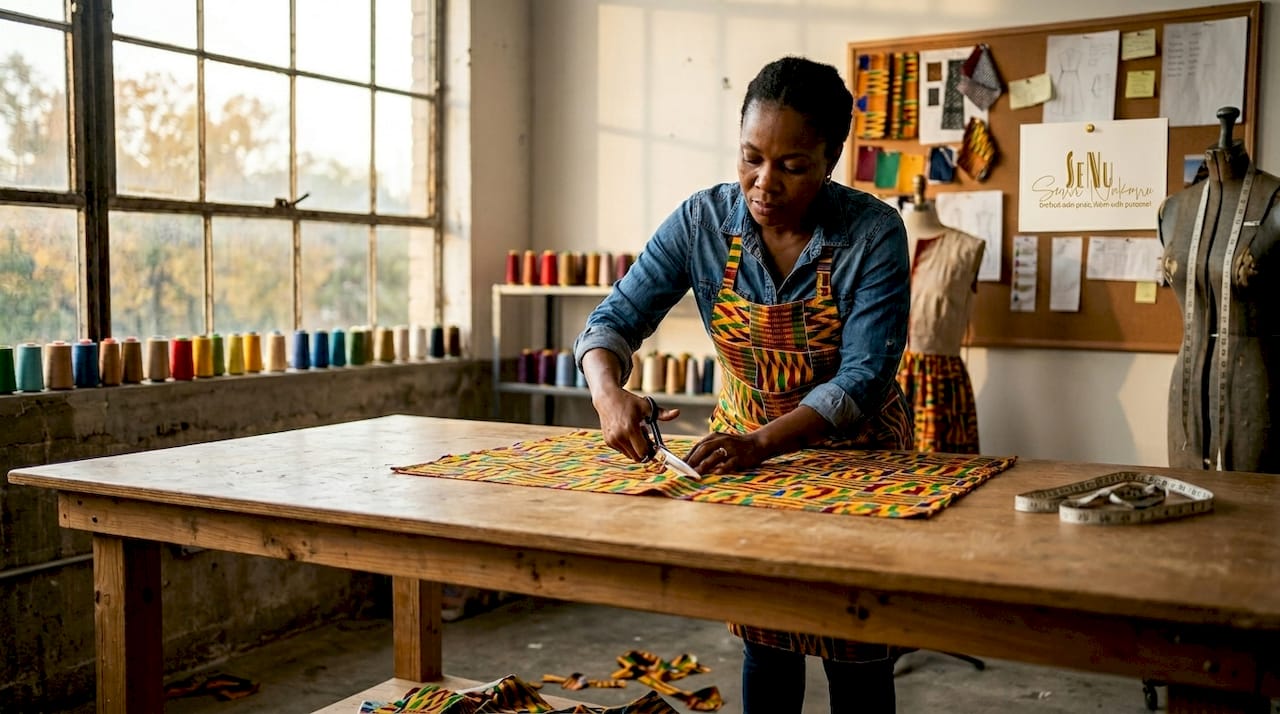
Fort Mosé 1738 is one of the most compelling examples. The brand handcrafts Ghanaian fashion using Kente cloth and Western silhouettes, producing small-batch collections that feel both timeless and fresh. Kente cloth, recognized by UNESCO as an intangible cultural heritage, carries centuries of meaning in every woven strip. Placing it in a modern blazer or structured dress does not dilute that meaning. It amplifies it.
The brand's debut collection honored historic Fort Mose, the first legally sanctioned free Black settlement in what is now the United States, located in St. Augustine, Florida. That connection between place, history, and fabric gives each piece a story that fast fashion simply cannot replicate.
Here is how heritage-driven Florida brands compare to conventional fashion labels:
| Factor | Heritage-driven brands | Conventional fashion labels |
|---|---|---|
| Production size | Small batch | Mass production |
| Textile sourcing | Ancestral African fabrics | Generic synthetic blends |
| Cultural narrative | Deeply embedded | Absent or superficial |
| Longevity | Heirloom quality | Seasonal and disposable |
What makes these pieces truly special:
- Kente cloth woven by hand using traditional Ghanaian techniques
- Limited quantities that make each piece genuinely rare
- Symbolic motifs that carry meaning beyond decoration
- Silhouettes that work for both cultural events and everyday wear
Pro Tip: When shopping for heritage-inspired fashion, ask the brand directly about the origin of their textiles. Authentic pieces will always have a story behind the fabric.
Sustainability at the heart: Ethical practices in Florida-African fashion
Heritage matters, but so does how a piece is made. Florida's African fashion scene leads with ethics in a way that sets it apart from mainstream retail.
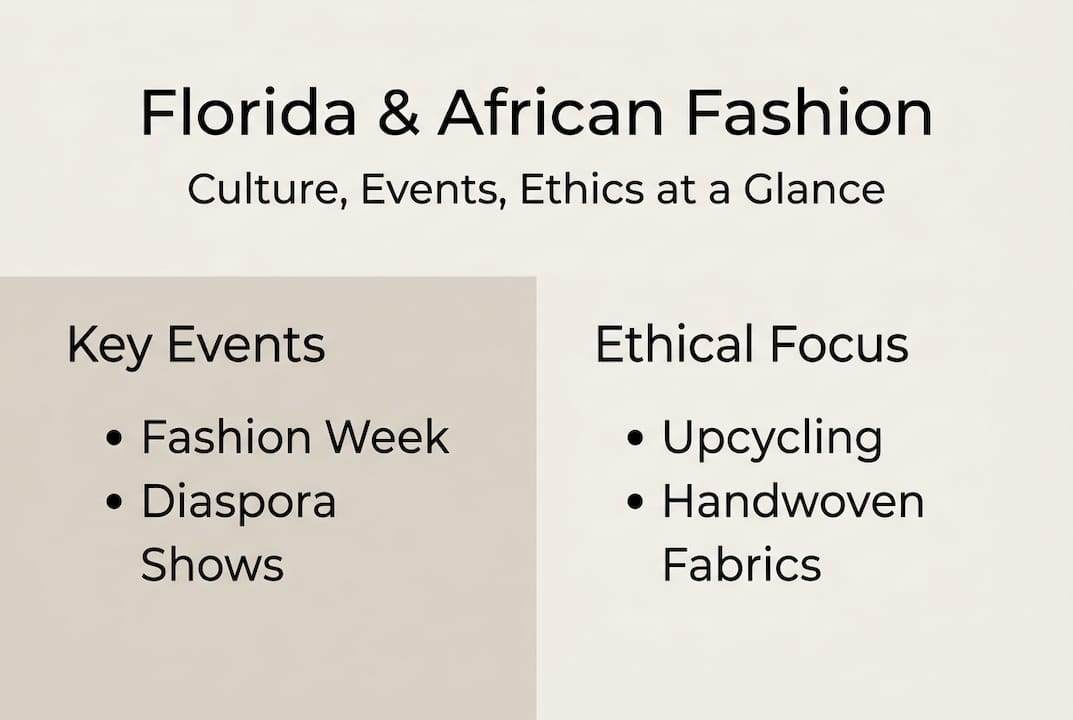
Brands like Fort Mosé 1738 produce in small batches, use hand-woven fabrics, and upcycle scraps to minimize waste. That approach stands in direct contrast to fast fashion, which generates enormous environmental damage through overproduction and synthetic materials. Choosing an ethically made African print piece is not just a style decision. It is a values decision.
Hand-woven African textiles like Kente, Kuba cloth, and Ankara prints are naturally more sustainable than factory-produced synthetics. They require skilled artisan labor, support local economies, and often use natural dyes and fibers. Learning more about sustainable fabric insights can help you make smarter choices at every price point.
"Ethical fashion is not a trend. It is a return to the way clothing was always meant to be made: with intention, skill, and respect for the people and materials involved."
Conscious shoppers are drawn to these practices for good reason. When you buy from a brand committed to ethical fashion practices, your purchase directly supports artisan livelihoods, preserves traditional craft techniques, and reduces the environmental footprint of your wardrobe.
Pro Tip: Look for brands that disclose their production methods. If a brand mentions hand-weaving, small-batch runs, or upcycling, that transparency is a strong signal of genuine commitment to sustainability. A beautifully made Kente cloth design is worth far more than a mass-produced imitation.
Diaspora celebrations: The influence of Haitian and other African communities
Sustainability grounds the movement, but vibrant communities and diaspora energy bring it to life across Florida neighborhoods. Nowhere is that energy more visible than in Miami's Little Haiti.
Little Haiti hosts shows for brands like Karabela Glam and Afrique En Couleur, where Haitian, Nigerian, and Senegalese design traditions collide in spectacular fashion. These shows are not just retail events. They are community celebrations that use clothing to assert identity, honor ancestors, and inspire the next generation.
The diaspora's influence on Florida fashion is significant and growing. Here is why Little Haiti has become a hotspot for statement style:
- Haitian designers bring bold color palettes and intricate beadwork rooted in Vodou ceremonial traditions
- Senegalese influence introduces flowing boubou silhouettes and rich indigo fabrics
- Nigerian designers bring Aso-oke weaving and Ankara prints with modern tailoring
- Cross-cultural fusion creates entirely new aesthetics that belong to the diaspora experience
For women who want to express layered cultural identities through clothing, these communities offer endless inspiration. Pieces like African-inspired dresses and diaspora fashion capture that spirit beautifully, translating community pride into wearable art.
Honoring the past, influencing the future: Fort Mose's impact on modern style
With heritage, sustainability, and community in focus, it is worth pausing on the historical anchor that ties so much of Florida's African fashion story together: Fort Mose.
Established in 1738 near St. Augustine, Fort Mose was the first legally sanctioned free Black settlement in what would become the United States. Designers draw inspiration from Fort Mose as a symbol of freedom, resilience, and cultural pride. When you wear a piece that references this history, you are not just making a fashion statement. You are participating in a living legacy.
"Clothing has always been a form of resistance and celebration. Fort Mose reminds us that Black freedom in America has deep roots, and fashion is one way we carry that story forward."
Here is how to incorporate historically inspired fashion into your everyday style with intention:
- Learn the story behind the textile or motif before you buy. Knowledge deepens the connection.
- Choose pieces that blend history with wearability, like a structured jacket in Kente or a wrap dress in Ankara print.
- Style boldly and confidently. These pieces are designed to be seen and to spark conversation.
- Support brands that give back to the communities and histories they reference.
- Wear it often. Historically inspired designs are not reserved for special occasions. They belong in your everyday rotation.
How to shop and style African fashion in Florida: Practical tips
Armed with history and heritage, here is how you can bring African-inspired fashion into your wardrobe right now.
Pop-up events and boutiques regularly debut new collections in Florida, making it easier than ever to find authentic pieces without traveling to the continent. Knowing where to look and how to style what you find makes all the difference.
- Attend local events. African Fashion Week Miami and Little Haiti fashion shows are your best sources for discovering new designers and buying directly from makers.
- Shop online collections from Florida-based brands. Curated platforms that specialize in West African heritage pieces offer the convenience of e-commerce with the authenticity of cultural craftsmanship. Browse African print dresses to start building your collection.
- Mix statement pieces with neutrals. A bold Ankara print dress needs nothing more than simple accessories to make an impact. Let the fabric do the talking.
- Invest in quality over quantity. One well-made heritage piece outlasts ten fast-fashion items. Read up on choosing sustainable fabrics to understand what to look for.
- Care for your textiles properly. Hand-wash delicate woven fabrics in cold water, avoid harsh detergents, and air dry to preserve color and structure.
Pro Tip: Before purchasing, shop African collections from brands that clearly state their production methods and textile origins. That information tells you everything about whether a brand truly honors the culture it draws from.
Express your heritage: Shop African fashion inspired by Florida's story
Everything you have read points to one truth: African fashion in Florida is not a niche interest. It is a growing, vibrant movement rooted in history, community, and conscious craftsmanship. You deserve to be part of it.
Sena Nukunu brings that movement directly to your wardrobe. Our curated African fashion collections feature ready-to-wear dresses, matching sets, and statement pieces crafted with West African heritage at their core. Every piece is made with intention, produced ethically, and designed to make you feel as powerful as the history behind the fabric. If you are ready to wear your culture with pride, start with something iconic like the Adinkra Tide Palazzo Pants, a piece that turns heads and tells a story at the same time.
Frequently asked questions
Why is Florida important for African fashion in the U.S.?
Florida, especially Miami, hosts African Fashion Week and AfriKin Fashion Week, connecting African designers directly to American and international audiences. Its diverse diaspora population makes it a natural home for cross-cultural fashion.
Which Florida-based designers or brands represent African heritage?
Brands like Fort Mosé 1738 use Kente cloth in small-batch collections that blend West African textiles with modern silhouettes, honoring historic sites like Fort Mose in St. Augustine.
How does Florida's African fashion scene support sustainability?
Many brands rely on small-batch, upcycling, and handwoven fabrics to reduce environmental impact and support artisan livelihoods rather than mass production.
Are African diaspora communities involved in Florida's fashion scene?
Absolutely. Little Haiti fashion shows promote Haitian and African diaspora heritage through brands that blend Caribbean and West African design traditions into bold, expressive collections.
Where can I find and buy authentic African-inspired fashion in Florida?
Pop-up events like Fort Mosé 1738's debut make authentic pieces accessible locally, while specialized online platforms offer curated collections from Florida-based heritage brands year-round.