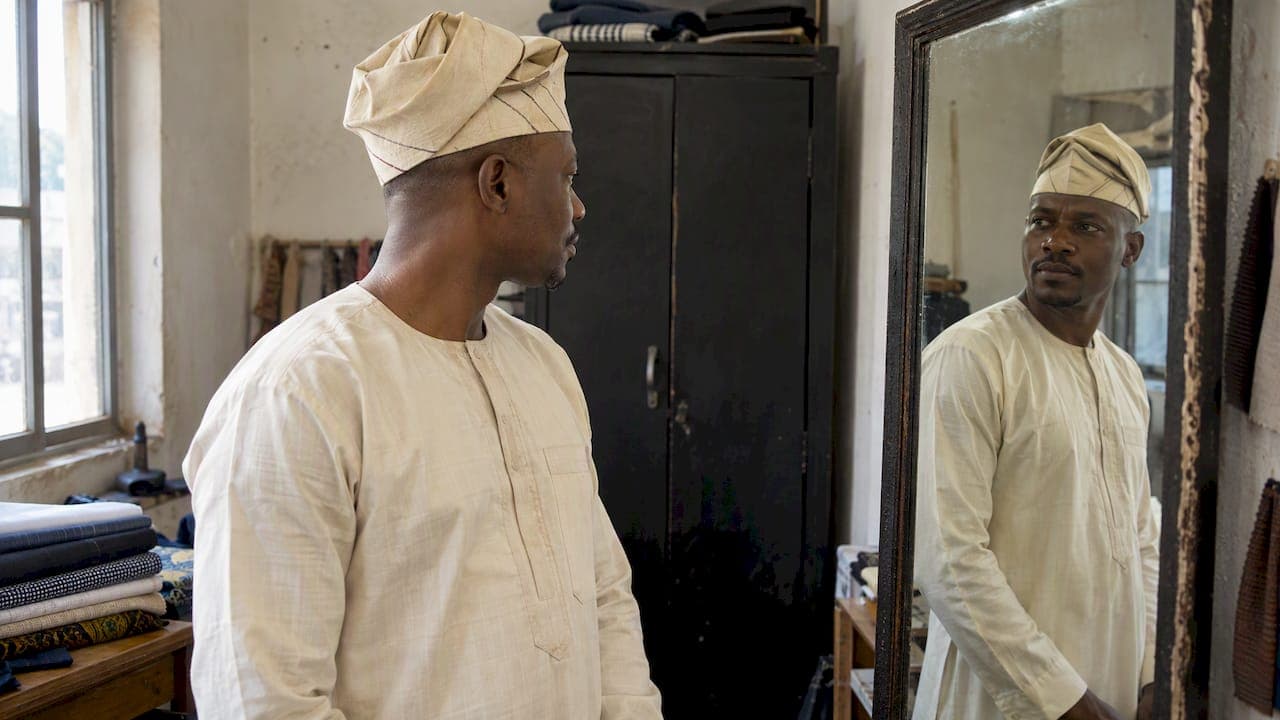
The fila is the soft, foldable cap of Yoruba men, and its main styles are the Gobi, the Abeti Aja, the Kufi and the Awolowo, along with the upright Fila Oníwújú and the Kémbé. Each has its own shape, its own feel and, traditionally, its own meaning. Choosing well comes down to three things: the occasion, the fabric, and how you set the cap on your head. This guide walks through all three, then shows how to bring a fila into outfits you will actually wear in the United States, from a wedding in an agbada to a Friday at the office in an African print blazer.
TL;DR
- The styles you will meet most are the Gobi (a simple folded cap), the Abeti Aja (two points like dog ears), the Kufi and Awolowo (structured, rounder shapes), and the more ceremonial upright Fila Oníwújú.
- A fila sits snugly with the brim just above the eyebrows and the crown centered. The angle matters, because a tilt has traditionally carried meaning.
- Match the fila to your outfit's color family. It does not need to be an exact copy of the fabric, but it should look chosen.
- For a modern look, let one piece carry the print: an Ankara blazer over a plain shirt, or a rich agbada with a quietly matching cap.
- Wear it as a gesture of respect, not a costume. Knowing the name and story of your cap is part of wearing it well.
Table of Contents
- What a fila is, and why it matters
- The main fila cap styles
- How to wear a fila cap
- Matching a fila to your outfit
- Styling a fila with an African print blazer or Ankara shirt
- Sourcing and caring for your cap
- Our perspective: the cap completes the story
- Dress the whole look with Sena Nukunu
- FAQ
- Sources
What a fila is, and why it matters
Fila is the Yoruba word for cap. It is a soft hat worn by Yoruba men with everyday attire and with formal dress such as the agbada, and its tilt has been read as a sign of marital status, rank or age, according to the overview of the fila hat. A Nigerian academic study of dress and symbolism describes it as a male headpiece tied to ritual and cultural practice, where wearing it properly is considered essential.
That history gives the cap weight. As Daily Trust reports, the fila was once reserved for titled men, elders and people of social distinction. Today it is a statement of identity and pride, worn in many settings and far beyond Yorubaland. Seen that way, a fila is not an accessory you add at the end. It is the finishing line of the whole outfit, and it deserves the same attention you give your shoes or your jacket.
We see this every day at Sena Nukunu. Men come to us for a wedding, a naming ceremony or a graduation, and the first question about the agbada is nearly always followed by the second: what do I wear on my head? The answer starts with understanding the styles.
The main fila cap styles
Names and spellings vary from town to town and from family to family, so you may hear the same cap called by more than one name. These are the shapes you will meet most often.
| Style | How to recognize it | Best for |
|---|---|---|
| Gobi | A simple cap folded in different directions, often with a front fold that sits upturned | Everyday wear, casual celebrations, first-time wearers |
| Abeti Aja | A triangular cap with two edges that stick out like a dog's ears | Weddings, parties, young and older men alike |
| Kufi | A rounder, structured cap | Religious occasions, royal and formal settings |
| Awolowo | A structured cap named for the statesman who wore the style often | Smart casual and formal looks |
| Fila Oníwújú | Worn with an upright front | Formal occasions that call for dignity |
| Kémbé | A fuller cap associated with experience | Elders and ceremonial dress |
Gobi: the folded everyday cap
The Gobi is the one to learn first. The Guardian Nigeria describes it as a common style that can be folded in different directions, and the Nigerian academic study above links it with modesty and everyday activity. Because it is soft and forgiving, it is the easiest to wear with a kaftan or a simple senator-style set. It also packs flat in a bag, which is a real advantage if you are traveling to an event.
Try folding it so the front is upturned and tidy, then check the shape in a mirror from the side. A Gobi that sags looks tired. A Gobi with a clean crease looks deliberate.
Abeti Aja: the dog-ear cap
The name translates roughly as "like dog's ears," and the silhouette is easy to spot: a triangle with two points. Guardian Nigeria notes it is popular with both young men and elders, and that is exactly why it works as a gift or a first fila for a younger relative. It has more personality than the Gobi, so it pairs well with a plain, well-cut agbada where the cap can be the interesting detail.
Fabric choices for both of these soft caps include hand-woven aso oke, cotton, velvet and damask, a range Deji & Kola's guide to Nigerian caps also lists. Velvet reads as richer and a little more formal. Cotton is lighter and better for warm weather. Aso oke is the celebration choice, especially when it matches the agbada. If you are planning a full aso oke outfit, our guide to planning aso oke outfits with yardage and lead times covers what to order and when.
Kufi and Awolowo: the structured caps
The Kufi is described by Guardian Nigeria as common among Yoruba Muslims and royal people. The Awolowo cap is a related, structured style named after the late statesman Obafemi Awolowo, who wore it regularly, as Deji & Kola explain. Both hold their shape on their own, which suits a dressier, cleaner look and makes them easier to wear with a blazer or a kaftan than a floppy cap would be.
Note that "Kufi" is also the name of a cap in Hausa culture, where it is a social marker, so context matters. In a Yoruba setting you can describe what you want by shape and fabric if you are unsure of the name.
Fila Oníwújú and Kémbé: the ceremonial caps
According to the academic study cited earlier, the Kémbé signifies wisdom and experience, while the Fila Oníwújú, worn with an upright front, denotes dignity and respect at formal occasions. These are not the first caps most buyers need, but it helps to know them. If an elder at a family event is wearing one, you will understand the care in how it is worn.
How to wear a fila cap
Getting the fit right is mostly about restraint. Here is the order we suggest.
- Start with the right size. The cap should feel snug without pressing. A fila that is too loose slides, and one that is too tight leaves a mark by the end of the reception.
- Set the brim above the eyebrows. RefinedNG's guide to wearing a fila puts the brim just above the eyebrows with the crown centered. Too low looks like a pulled-down beanie, too high looks like it might fall.
- Shape the fold or point. For a Gobi, set the fold so it is clean. For an Abeti Aja, make sure both points are visible and even.
- Choose your angle on purpose. This is where the tradition lives. See the next section.
- Check the cap against the collar. The cap should echo something near your face: the embroidery on the neckline, the trim on the agbada, or the color of your sokoto.
The meaning of the tilt
The academic study on dress and symbolism records that lifting the fila up can signal pride or confrontation, while bending it to the front indicates fatigue with life and bending it back indicates indifference. Separately, the Wikipedia overview mentions that a tilt may reflect marital status, rank or age.

How much of this you follow strictly is personal. As Daily Trust notes, voices like Ihemebiri's observe that some of these meanings, such as marital-status tilts, are becoming more folkloric than functional, yet wearing the fila remains an essential gesture of respect and cultural mindfulness. Our practical rule: wear it centered or with a gentle, confident tilt, and avoid extreme angles unless you know what they say in the room you are entering.
A few etiquette points
- Treat the cap as part of the outfit, not a prop for photos. Wear it for the event, not just for the picture.
- If you are invited to a Yoruba ceremony and unsure, ask the host or a relative what the family is wearing. People love to be asked.
- Keep it clean. Store soft caps flat or stuffed lightly with tissue so the shape holds, and keep aso oke away from damp.
Matching a fila to your outfit
The old rule, repeated in many guides, is that the fila should match other items of your clothing. In practice, "match" does not mean identical. A good example came from a BellaNaija wedding feature showing a tailored lilac agbada with a dark purple fila and matching purple suede slip-ons: related tones, with no two garments exactly the same. That gives the eye a rhythm without looking like a uniform.
Some pairings that work well:
- Agbada in a rich solid color: a fila in the same hue, a shade deeper, with a subtle embroidered edge.
- Printed agbada: a plain fila pulled from the darkest color in the print, so the pattern does not repeat on your head.
- Kaftan or senator set: a Gobi in cotton or linen-feel fabric, in a neutral or tonal shade.
- Aso oke set: an aso oke fila cut from the same weave, for weddings and naming ceremonies.
If you are choosing an agbada first, our edit of men's agbada looks for U.S. buyers will help you settle on color and cut before you pick the cap.
Styling a fila with an African print blazer or Ankara shirt
Many readers who search for fila styles are also asking how to wear African print with Western tailoring: an Ankara blazer, an Ankara shirt under a suit, an African blazer outfit for the office. Here is where we land, after dressing many customers for weddings, galas and Monday meetings.
The blazer rule: one print, one star
Let the print do the talking. An Ankara blazer works best over a plain white or black shirt with tailored, solid trousers. Fit comes first. Wax cotton shows pulling and bunching, so the shoulders and sleeve length matter more than the pattern. If the blazer is bold, keep the trousers dark and plain. If the trousers are printed, keep the jacket quiet.
Ankara shirt under a suit
An Ankara shirt under a solid navy, charcoal or black suit is one of the easiest ways to bring heritage into a professional wardrobe. Skip the tie, or wear a plain knit one if the setting is formal. Choose a shirt with a modest, repeating print rather than a large, loud one, and keep the suit simple and classic so the shirt is the single point of interest. For more on keeping print looks polished, see our tips for styling Ankara outfits with confidence.
Where does the fila fit?
Honest answer: not with every look. A fila is a traditional cap, and it belongs with traditional or traditional-leaning dress: an agbada, a kaftan, a senator set, an aso oke ensemble. With a Western suit and an Ankara shirt, a fila usually competes rather than completes. If you want to nod to the cap in a blazer outfit, choose a cap that is clearly the same family as the print and wear it to a cultural event, such as an engagement or a celebration, where the whole room is dressed that way. For the office, leave the cap at home and let the blazer carry the heritage.
Outfit ideas by occasion
| Occasion | What to wear | Cap? |
|---|---|---|
| Traditional wedding or engagement | Agbada in aso oke or rich brocade, matching fila, leather shoes | Yes, matched in tone |
| Naming ceremony or family celebration | Kaftan or agbada, Gobi or Abeti Aja fila | Yes |
| Gala dinner | Ankara blazer, plain shirt, tailored trousers | No, or a structured cap only if the theme is traditional |
| Creative office or business casual | Ankara blazer, plain shirt, tailored trousers | No |
| Everyday | Ankara shirt, dark jeans or chinos | Optional Gobi, if the rest is simple |
Sourcing and caring for your cap
When you shop, look at three things: the fabric, the lining and the finish. A well-made fila is typically lined with cotton, so it breathes and keeps its shape. Check that the seams are even, the points of an Abeti Aja are symmetrical, and a structured cap stands without collapsing. Ask whether the cap is made from the same cloth as your outfit, since a matched set looks far more intentional than two separate purchases.

For care, keep the cap dry, avoid folding it hard along new lines, and spot-clean rather than soaking, especially for aso oke and velvet. Store it in a breathable bag, not a sealed plastic one.
To understand why headwear matters across the continent, not only in Yorubaland, read our piece on the role of headwear in African ceremonies.
What are Nigerian traditional hats called?
There is no single name, because each group has its own tradition. Among the Yoruba the cap is the fila. Deji & Kola's overview describes an oval red cap worn mostly by high-ranking Igbo men in the east and the Kufi among the Hausa, which comes in children's, politicians' and everyday versions and is often white with embroidery. If you are not sure which tradition you are dressing for, ask.
Our perspective: the cap completes the story
At Sena Nukunu, we think of a garment as a conversation between the person who made it and the person who wears it. A fila is the shortest sentence in that conversation, and often the most meaningful one. It is the part people notice first, and the part that tells them you took care.
We design in limited quantities, with ethical production and artisans at the center, because we believe heritage dress should never be rushed or treated as a trend. That belief shapes how we talk about caps, too. Learn the name. Know the story. Wear it with a straight back and an open heart. When you do, a Gobi folded just so, or an Abeti Aja resting at a quiet angle, is not an accessory. It is a legacy you are choosing to carry forward, in a way that feels like you.
If you are only beginning, start with one piece you love and build around it. A cap, an agbada and a good pair of shoes will take you to nearly any celebration.
— Sena
Dress the whole look with Sena Nukunu
If you are building an outfit around your fila, explore our men's agbada ensembles and heritage pieces, or browse the full range of Sena Nukunu collections, from the Woven Nobility: Kings' Robe line to statement sets for the whole family. Each piece is made in limited quantities with ethical production, so you can wear something with a story behind it.
FAQ
What is the most common fila cap style?
The Gobi is the most widely worn, because it is a soft, simple cap that folds in different directions and suits everyday and celebration wear. The Abeti Aja, with its two dog-ear points, is just as recognizable and is popular with both younger and older men. If you are buying your first fila, either one is a safe choice.
How should a fila sit on your head?
It should fit snugly, with the brim just above your eyebrows and the crown centered. Wear it level or with a gentle tilt. Traditionally, extreme angles have carried meaning, so avoid them unless you know the message.
Can I wear a fila with a suit or an African print blazer?
Usually it is better not to. A fila belongs with traditional dress such as an agbada, kaftan or aso oke set. With an Ankara blazer or an Ankara shirt under a suit, let the print be the single statement, and keep the cap for cultural events.
Does the color of my fila have to match my agbada?
It should relate to your outfit, but it does not have to be identical. Related tones, such as a lilac agbada with a darker purple fila, look polished and intentional. For a printed agbada, choose a plain cap in the darkest color of the print.
What are fila caps made of?
Common fabrics are hand-woven aso oke, cotton, velvet and damask. Aso oke is the choice for weddings and naming ceremonies, velvet looks richer, and cotton is lighter for warm weather.
Sources
- Types of native caps among Yorubas and their importance, The Guardian Nigeria
- Cultural and Symbolic Significance of Fashion Consciousness, Nigerian Journal of Business and Social Sciences
- Culture: The identity of caps, Daily Trust
- Fila (hat), Wikipedia
- How To Properly Wear Your Filà, RefinedNG
- Kamo State and Olamide wedding outfits, BellaNaija
- Using Caps/Hats To Identify the Nigerian Culture, Deji & Kola