
TL;DR:
- Fashion as professional identity uses clothing and style to communicate authority, values, and cultural belonging in the workplace. Clothing influences perceptions instantly and can boost confidence through intentional dressing; it also offers ways to challenge norms and express heritage. Professionals can shape workplace dynamics by aligning their wardrobe with their desired traits, integrating cultural elements, and embracing gender-neutral options.
Fashion as professional identity is the strategic visual expression of who you are, what you value, and what role you hold in the workplace. Every garment you wear sends a signal before you speak a single word. Research confirms that judgments form within 100 milliseconds of seeing someone, making your clothing one of the most powerful non-verbal tools in your career. For professionals navigating diverse cultural contexts, this goes even further. Your style can carry heritage, challenge norms, and reinforce belonging, all at once. Understanding what is fashion as professional identity means recognizing that dressing is never passive. It is a deliberate act of communication.
What is fashion as professional identity and why does it matter?
Fashion as professional identity is the recognized practice of using clothing, color, texture, and silhouette to communicate your professional role, personal values, and cultural belonging in a workplace setting. The industry term for this practice is personal brand image, and it operates as a visual language that precedes every conversation you have. When you walk into a room, your outfit has already introduced you.
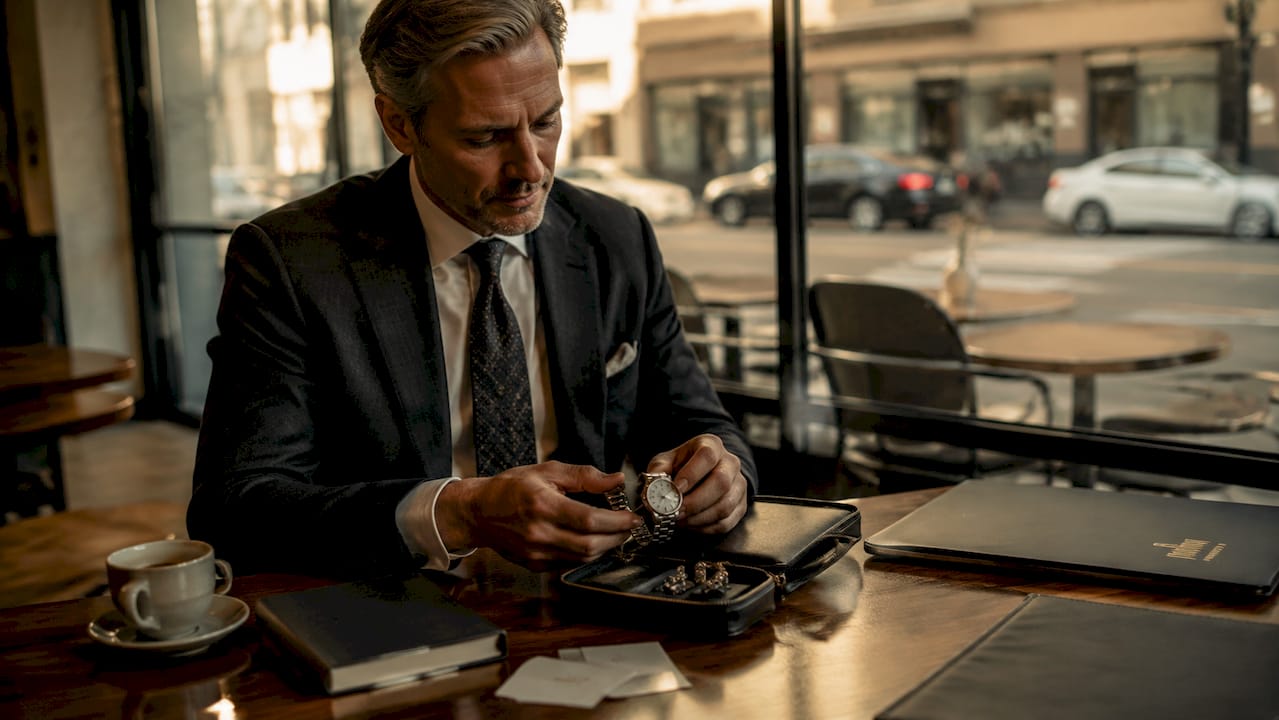
The stakes are real. Clothing signals leadership traits like authority, approachability, or creative thinking before any verbal exchange occurs. This means your wardrobe functions as an active promotion strategy, not a passive daily ritual. Professionals who treat fashion as an afterthought are leaving a critical communication channel unmanaged.
Fashion also shapes how you see yourself. The psychological concept of enclothed cognition explains that clothing affects your own confidence and focus, not just how others perceive you. When you dress with intention, your brain responds. You think more clearly, carry yourself with greater authority, and project the presence your expertise deserves.
How does fashion communicate professional image and influence workplace dynamics?
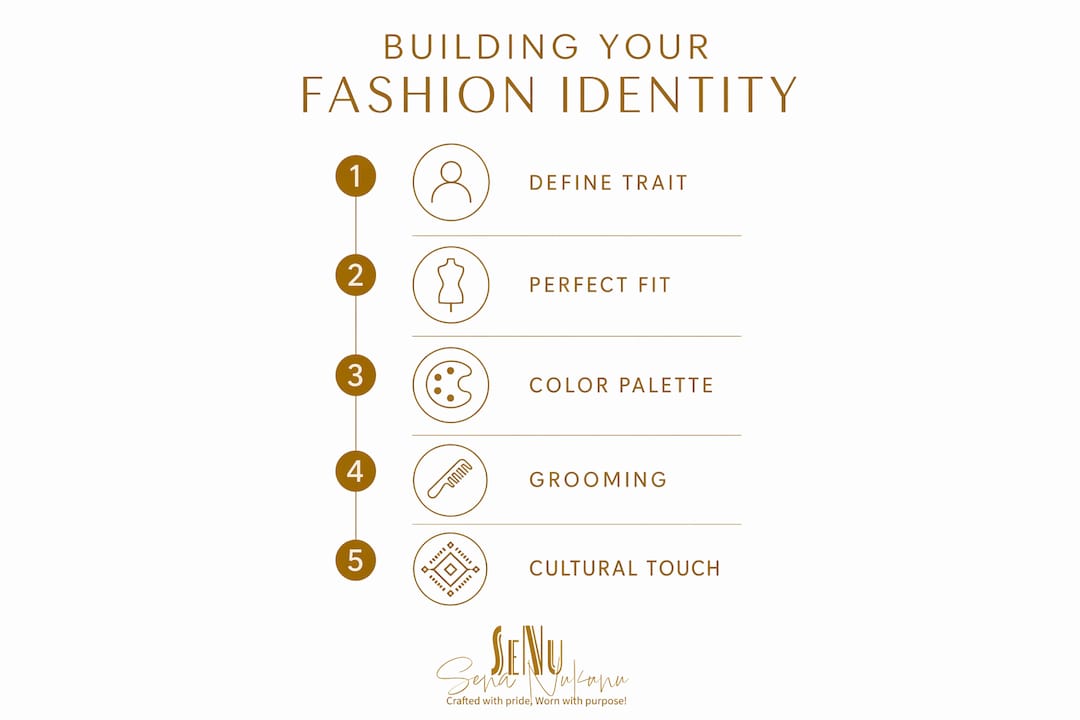
Your professional image is built from a set of visual cues that others read instantly. Fit, color, texture, and grooming each carry distinct messages. A well-fitted blazer in a deep navy signals structure and reliability. Warm earth tones suggest approachability. Textured fabrics like woven kente or structured linen add dimension and cultural depth to an otherwise standard professional wardrobe.
Dopamine dressing is a related concept worth knowing. It refers to the practice of wearing colors and styles that generate positive emotional responses in both the wearer and the observer. The effect is not superficial. Enclothed cognition research shows that the symbolic meaning of a garment, combined with the physical experience of wearing it, directly influences executive presence and mental performance.
Professionals use three broad fashion strategies to shape workplace dynamics:
- Authority signaling: Structured silhouettes, monochromatic palettes, and tailored cuts communicate decisiveness and command. This is the language of boardrooms and client-facing roles.
- Approachability signaling: Softer fabrics, warmer colors, and relaxed but polished fits invite collaboration. This works well in team leadership, education, and community-facing roles.
- Innovation signaling: Bold prints, unexpected color combinations, and culturally distinctive pieces communicate creativity and confidence. This is the language of design, media, and entrepreneurship.
Pro Tip: Before choosing your outfit for an important meeting, ask yourself what single trait you want to communicate. Then build your look around one visual anchor, whether that is a color, a fabric, or a silhouette, that reinforces that message.
Your fashion as self-expression is not separate from your professional image. The two work together when you dress with clarity and purpose.
In what ways do cultural context and heritage shape professional fashion identity?
Cultural identity is one of the most powerful and underused tools in professional fashion. Professionals from diverse backgrounds face a real tension: institutional dress codes often reflect a narrow, Western standard of "professional," while their own heritage carries rich visual traditions that deserve space in the workplace.
The concept of bricolage describes how professionals navigate this tension creatively. Consumers aged 18 to 35 use five bricolage practices, including ideational bricolage, accessorizing, customization, hybrid styling, and assembling, to negotiate professional identity within restrictive norms. This research, drawn from 40 in-depth interviews and 150 surveys, shows that cultural negotiation through clothing is not accidental. It is deliberate and skilled.
Ghana's "Friday wear" tradition is one of the clearest examples of this in practice. In Ghanaian professional spaces, traditional textiles are integrated into business attire every Friday as a mechanism for cultural preservation and women's empowerment. 82% of career women affirmed that expressing cultural identity through dress fosters heritage pride. That number reflects something profound: when professionals wear their culture to work, they carry their community's legacy with them.
The same research found that 41% noted dress code limitations as a barrier to cultural expression. That gap between institutional expectation and personal identity is where inclusion either grows or fails.
Here is how cultural bricolage shows up in practice across different professional contexts:
- Accessorizing with cultural artifacts: Adding a hand-woven sash, beaded jewelry, or a printed scarf to a standard suit maintains professional structure while honoring heritage.
- Hybrid styling: Pairing a tailored blazer with a traditional print skirt or trousers creates a look that speaks both languages at once.
- Customization: Commissioning garments that use indigenous materials, such as fugu cloth or kente weave, in professional silhouettes produces pieces that are both culturally authentic and workplace-ready.
- Assembling: Curating a wardrobe where each piece can combine with others across cultural and contemporary styles gives professionals flexibility without sacrificing identity.
| Cultural practice | Professional context | Visual impact |
|---|---|---|
| Friday wear (Ghana) | Corporate offices | Heritage pride, team cohesion |
| Kente or fugu blazers | Client meetings | Authority with cultural distinction |
| Beaded or woven accessories | All professional settings | Subtle identity signal |
| Printed matching sets | Creative and media industries | Bold, confident cultural presence |
Designs combining fugu, leather, and calabash buttons have received strong approval in professional settings, proving that indigenous materials and professional aesthetics are not in conflict. They are complementary. Senanukunu's approach to tradition and empowerment in modern fashion reflects exactly this philosophy.
How is fashion evolving to challenge gender roles and social power structures?
Fashion is one of the most direct tools for challenging who gets to hold power in a professional space. Symbolic interaction theory and encoding/decoding frameworks both show that clothing reconstructs gender identity by assigning and reassigning social meaning to garments over time.
The women's tailored suit is the most cited example. When women began wearing structured suits in professional environments, they were not simply adopting a masculine garment. They were rewriting the visual grammar of authority. The suit's meaning shifted because the wearer shifted. That is how fashion encodes new power narratives.
Gender-neutral fashion extends this further. Garments that resist binary categorization signal a refusal to let institutional norms define identity. Fashion evolves as a fluid narrative tool, allowing wearers to challenge gender binaries and social hierarchies through deliberate clothing choices.
Social media has accelerated this process significantly. Platforms like Instagram and TikTok allow professionals to decode and reinterpret fashion in real time, spreading new visual languages faster than any institutional dress code can respond. A professional wearing a bold West African print to a corporate event is not breaking the rules. They are expanding what the rules can mean.
Key shifts reshaping professional fashion identity today include:
- Gender-neutral tailoring: Structured pieces designed without gendered cues are appearing in corporate wardrobes across industries.
- Cultural print in formal settings: African, South Asian, and Indigenous prints are moving from "casual" or "festive" contexts into boardrooms and conference stages.
- Statement accessories as authority markers: Bold, culturally significant jewelry and headwear are being reclaimed as professional signals rather than distractions.
Fashion activism is the broader movement behind these shifts, and it is reshaping what professional credibility looks like across industries.
What practical strategies can professionals use to build a strong fashion identity?
Building a strong professional fashion identity starts with a single question: what do you want your presence to communicate before you speak? The answer shapes every wardrobe decision that follows.
Start with fit and condition. A garment in excellent condition that fits your body precisely communicates care and self-awareness. A wrinkled or ill-fitting piece, regardless of its cost or cultural significance, undermines the message you intend to send. Fit is the foundation of professional style.
Build around a consistent color palette. Choose three to five colors that work across your wardrobe and reflect the traits you want to project. Deep jewel tones like emerald, cobalt, and burgundy carry authority. Warm neutrals like camel and ivory signal approachability. Bold prints and saturated colors signal confidence and creativity. Consistency across your wardrobe makes your visual identity recognizable and intentional.
Avoid the credibility gap. A credibility gap arises when your visual presentation does not match your level of expertise. A highly skilled professional whose wardrobe looks careless or mismatched will find it harder to establish authority, regardless of their actual competence. Your appearance should reflect the level you are operating at, not the level you started from.
Pro Tip: When transitioning to a new role or industry, audit your wardrobe before your first week. Identify three pieces that communicate the authority or approachability your new context requires, and wear them in your first two weeks to set a clear visual tone.
Use cultural authenticity as a strength, not a compromise. Professionals who integrate their heritage into their wardrobe through cultural wardrobe building bring a distinct and memorable presence to any professional space. That distinctiveness is a career asset, not a liability.
Key Takeaways
Fashion as professional identity is the most immediate and controllable signal you send in any career context, and professionals who dress with intention consistently project greater authority, cultural pride, and confidence.
| Point | Details |
|---|---|
| First impressions are instant | Judgments about competence and trustworthiness form within 100 milliseconds of visual contact. |
| Clothing shapes your own mindset | Enclothed cognition means dressing intentionally improves your focus and executive presence. |
| Cultural heritage belongs in the workplace | Bricolage practices let professionals honor their identity while meeting professional norms. |
| The credibility gap is real | A wardrobe that lags behind your expertise makes authority harder to establish. |
| Fashion is an active career strategy | Color, fit, and cultural signifiers communicate leadership traits before any conversation begins. |
Why I believe fashion is the most underestimated career tool
Most career advice focuses on skills, networks, and credentials. Fashion rarely makes the list. That is a mistake I have seen cost talented professionals real opportunities.
When I think about what Senanukunu stands for, it is precisely this: the idea that what you wear carries the weight of who you are and where you come from. West African textiles are not decorative. They are a language. Every pattern, every color choice, every stitch carries meaning that has been refined across generations. Bringing that into a professional space is not a cultural compromise. It is a statement of wholeness.
The professionals I most admire do not separate their cultural identity from their career identity. They wear both at once, and the result is a presence that no generic wardrobe can replicate. That kind of authenticity is what makes someone truly memorable in a room full of people dressed to blend in.
Dressing intentionally changed how I carry myself. It changed how others responded to me. The research on enclothed cognition confirms what I experienced personally: when you wear something that reflects your values and your heritage, you think differently. You lead differently. That is not a small thing. That is a career advantage.
— Sena
Senanukunu: wear your identity with pride
Your professional wardrobe should tell your story, not erase it. Senanukunu curates West African-inspired fashion that brings cultural depth and timeless craftsmanship into every piece, from statement dresses to intricately designed sets built for professionals who refuse to choose between heritage and ambition.
Each piece in the Senanukunu collection is crafted with ethical production standards and limited-quantity care, so what you wear carries real meaning. Whether you are building a wardrobe that honors your roots or looking for a statement piece that commands attention in any room, the heritage-inspired dress styles at Senanukunu offer a starting point that is both culturally rich and professionally confident. Your identity deserves to be seen.
FAQ
What is fashion as professional identity?
Fashion as professional identity is the deliberate use of clothing, color, and style to communicate your professional role, values, and cultural belonging in a workplace setting. It functions as a visual language that shapes how others perceive your competence and authority before you speak.
How does clothing affect confidence at work?
Enclothed cognition research shows that wearing clothing aligned with your professional goals directly improves focus, confidence, and executive presence. The effect is internal as well as external.
Can cultural dress be professional?
Cultural dress is fully professional when integrated with intention and care. Practices like bricolage, hybrid styling, and the use of indigenous materials in tailored silhouettes allow professionals to honor their heritage while meeting workplace standards.
What is the credibility gap in professional fashion?
The credibility gap occurs when a professional's visual presentation does not match their actual level of expertise, making it harder to establish authority. Aligning your wardrobe with your career level closes this gap.
How does fashion challenge gender norms in the workplace?
Fashion challenges gender norms by reinterpreting garments, such as women's tailored suits and gender-neutral pieces, to shift the visual grammar of authority. Symbolic interaction theory explains how clothing reconstructs social power over time.