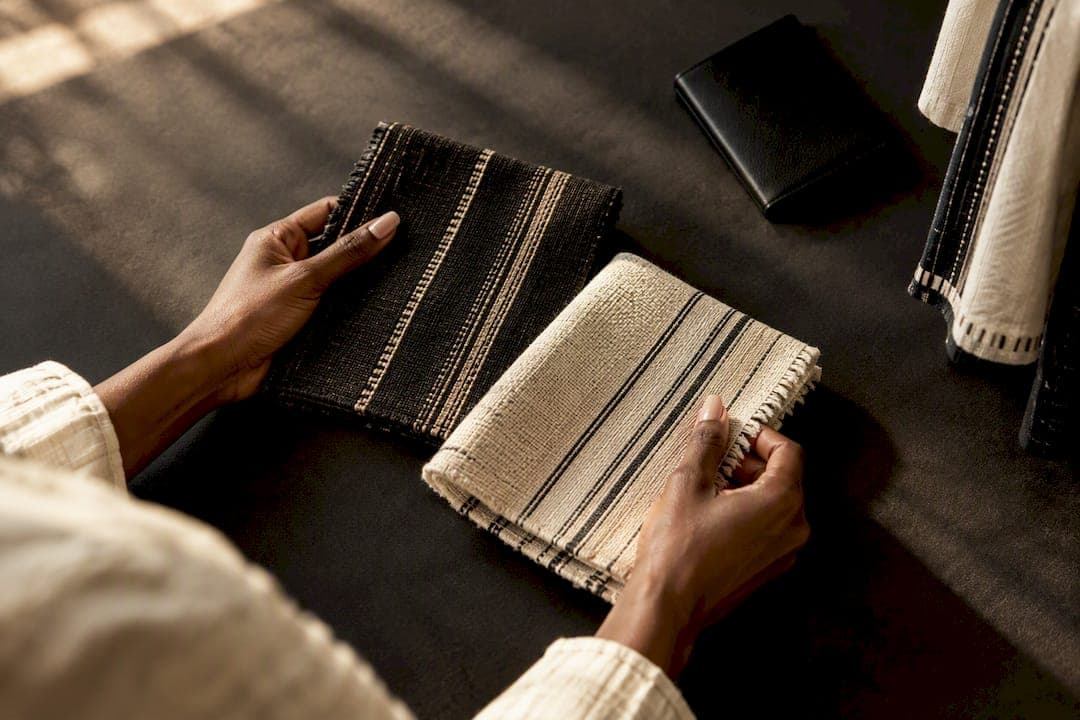
For Eid, choose a silhouette first: a boubou or kaftan, an agbada, or a coordinated two-piece set, then anchor it with one well-made textile rather than several competing prints. Match that pairing to the formality of your event, and the rest of the outfit falls into place. Below, you'll find visual outfit ideas, guidance on choosing and tailoring, museum-backed textile context, and ready-to-wear options including pieces from Sena Nukunu.
TL;DR:
- Choosing a single, high-quality textile as the outfit anchor enhances formality and ensures a cohesive look across different Eid occasions.
- Regional details, such as fabric choice and silhouette adjustments, reflect cultural heritage and can elevate the authenticity of your outfit.
- Small tailoring modifications, like sleeve shortening or lining addition, improve comfort and wearability without losing traditional silhouette integrity.
- Authentic fabrics should be verified for handwoven or machine-made origins, and construction details reveal the garment's formality and craftsmanship.
- Ready-to-wear options from Sena Nukunu offer limited-quantity, ethically produced garments ideal for quick Eid dressing with authentic heritage.
Table of Contents
- Eid outfit ideas for every occasion and silhouette
- How to choose the right Eid outfit for your event
- Traditional garment names and textiles, explained simply
- Finishing the look: headwraps, caps, jewelry, and shoes
- What museum textile records reveal about prestige and craft
- Regional variations shape how Eid outfits are worn
- Blending modern style with traditional Eid dressing
- Buying authentic African fabrics and outfits for Eid
- Keeping your Eid garments looking their best after the celebration
- What wearing heritage cloth for Eid means to me
- Ready-to-wear Eid pieces from Sena Nukunu
- Sources
- FAQ
Eid outfit ideas for every occasion and silhouette
The morning prayer, the family brunch, and the evening reception each call for a different register of the same silhouette. Think of it as one wardrobe language spoken at three volumes: quiet for the mosque, warm for the table, and bold for the night.
For mosque prayer, comfort and coverage lead. A flowing boubou in embroidered cotton moves easily through prostration and crowds, while a simple kaftan in a solid jewel tone keeps the focus on modesty rather than pattern. For family brunch, you have room to layer in color and texture: a buba-and-sokoto set in a soft aso-oke blend or a two-piece with a tailored top and wide trouser reads festive without overdressing. Evening receptions are where a statement textile earns its place: a structured agbada in bazin riche, a kente-accented gown, or a silk-blend gown with hand-finished embroidery.
- Classic men's boubou in white embroidered cotton, paired with a matching cap and leather sandals for prayer.
- Tailored agbada set in deep indigo bazin with subtle embroidery at the collar, worn with a fila cap.
- Women's buba-and-iro in aso-oke, gele tied in a modest daytime style, gold stud earrings.
- Solid-color kaftan in emerald silk blend for a minimalist mosque look with a woven belt.
- Two-piece coordinated set (tailored top, wide-leg trouser) in kente-trimmed cotton for brunch.
- Embroidered men's riga in cream with a contrast trim, styled with a modern loafer instead of traditional slippers.
- Contemporary agbada jacket over slim trousers, a hybrid look for younger men attending family gatherings.
- Long kaftan dress in bold Ankara print, cinched at the waist for a modern silhouette.
- Women's boubou gown in deep burgundy with hand embroidery at the neckline, worn for evening prayer.
- Matching mother-daughter sets in the same aso-oke fabric, scaled down for children.
- Silk-blend evening gown with kente panel insert, paired with statement earrings for a reception.
- Structured men's agbada in navy with gold thread detailing, worn with a matching cap for a formal reception.
- Cropped top and wrapper set in bazin, styled with a gele for a modern take on iro-and-buba.
- Monochrome kaftan in soft gray cotton, accented with a single kente-trim scarf for versatility.
- Layered agbada with inner tunic in contrasting embroidered cotton for cooler climates.
- Fitted sheath dress in printed cotton with a matching headwrap for a streamlined brunch look.
- Men's three-piece agbada set (tunic, trouser, outer robe) in earth tones for daytime family events.
- Wide-sleeve boubou in pastel silk for spring Eid dates, paired with delicate gold jewelry.
- Tailored jumpsuit with African print panels, a contemporary alternative to the traditional two-piece.
- Kente-accented blazer worn over a plain kaftan for a fusion reception look.
- Full aso-oke ensemble (buba, iro, gele, and shawl) for a traditional, formal Eid gathering.
- Minimalist white agbada for men, styled with subtle embroidery for a clean prayer-day look.
- Printed wrap dress in Ankara cotton, easy to move in for family visits and photos.
Across all of these, the same rule holds: one strong textile plus a well-chosen silhouette outperforms an outfit stacked with competing patterns.
How to choose the right Eid outfit for your event
Picking an outfit gets easier once you run it through a short checklist rather than shopping by impulse. Start with the event, since formality dictates everything from fabric weight to embellishment.
- Silhouette: choose boubou or kaftan for ease of movement, agbada for formal occasions, and coordinated sets for a tailored, modern look.
- Coverage: decide how much arm, neckline, and length coverage your event and personal preference call for, then build the outfit around that baseline.
- Textile weight: lightweight cotton or silk blends suit daytime and warmer climates, while bazin and heavier embroidered fabrics suit evening or cooler settings.
- Event formality: mosque and family gatherings favor understated elegance, while receptions can carry more embroidery, embellishment, or a bolder textile.
- Movement needs: if you're standing for long prayers or moving through a crowded gathering, prioritize a fit that doesn't restrict the shoulders or hem.
Traditional silhouettes often need small adjustments to feel at home in a contemporary wardrobe. A tailoring guide for adapting agbada to modern fits points to shortening sleeve width, adding a light lining to stabilize drape, and adjusting shoulder seams as reliable fixes that preserve the silhouette's character while improving everyday wearability. These small changes let a wide-robed garment move through a workday or a flight without losing its shape.
Color and pattern choices are worth thinking through in context of who else will be dressed around you. Coordinating with family in a shared textile or palette, without matching outfit for outfit, tends to read as more intentional than either full uniformity or total mismatch. A step-by-step outfit guide can help you build that balance piece by piece.
Traditional garment names and textiles, explained simply
Getting the name right matters, both for respect and for shopping accuracy. Museum and textile-reference records describe several core silhouettes that show up again and again in gown and tobe collection records, which name these garments as regionally specific rather than interchangeable.
A boubou (also called a tobe or riga in some regions) is a loose, flowing robe worn by both men and women, often the base layer for a full ensemble. Agbada refers specifically to a wide-sleeved, three-piece men's robe of Yoruba origin, typically worn over an inner tunic and trouser. Buba-and-sokoto describes a Yoruba men's set pairing a loose top (buba) with fitted or wide trousers (sokoto). Iro-and-buba is the women's counterpart, combining a wrapper skirt (iro) with a blouse (buba), usually finished with a gele headwrap. A fila is a soft, brimless cap worn by men, often paired with agbada or buba-and-sokoto.
Textile choice signals formality as much as the cut does. Kente, aso-oke, and heavily embroidered cotton read as more ceremonial, while plain cotton or lighter silk blends suit daytime or casual gatherings. When you contact a tailor or search a product listing, using the precise silhouette name (agbada rather than a generic "robe") gets you a more accurate result and signals that you understand what you're asking for.

Finishing the look: headwraps, caps, jewelry, and shoes
Accessories are where an outfit either gets crowded or gets sharp. A daytime gele is usually tied smaller and flatter for ease of movement through prayer and greetings, while an evening gele can go taller and more structured for a reception. Caps follow a similar logic: a simple fila works for daily wear, while an embroidered cap suits a more formal agbada set.
- Jewelry: save statement pieces for solid or lightly patterned textiles, and keep jewelry subtle when the fabric itself carries embroidery or a bold print.
- Shoes: slip-on sandals or loafers work best for mosque visits, while polished loafers or heels suit evening receptions.
- Outerwear: a light shawl or an embroidered jacket layers well over a kaftan in cooler weather or during travel.
- Color coordination: pick one accent color from your textile's pattern and repeat it in your shoes or jewelry rather than introducing a new color entirely.
For more on pairing pieces respectfully, an accessorizing guide for cultural outfits walks through sourcing and styling choices in more depth.
Pro Tip: When your textile is doing the talking, let your accessories listen: one statement fabric paired with minimal jewelry almost always reads more polished than a fabric competing with a loud accessory.
What museum textile records reveal about prestige and craft
Museum collections give a useful lens on why certain fabrics carry more visual weight than others. The Met's collection notes on kente describe how this cloth functioned as prestige dress among the Asante-Akan, with its silk and cotton construction and courtly associations marking status rather than everyday wear. Object records from the Powerhouse Museum's Yoruba tunic and trouser collection similarly show that silhouette and textile, not layers of decoration, carried the social signal.
Curatorial notes on these garments consistently point to construction and material, not ornamentation alone, as the marker of formality and status.
The practical takeaway: choose one high-quality textile as your outfit's anchor instead of mixing several conflicting patterns. When shopping or working with a tailor, ask whether a fabric is handwoven or machine-made, whether embroidery is hand-stitched, and what fiber blend you're getting. Those three questions tell you more about a garment's formality and heritage value than its price tag ever will.
Regional variations shape how Eid outfits are worn
Eid dressing customs shift noticeably by region, and those differences carry into how silhouettes and colors are chosen. In much of West Africa, wide-robed agbada and boubou ensembles dominate men's formal wear, often in bold, saturated colors reserved for celebration. Women's iro-and-buba sets, paired with a structured gele, remain a common formal choice across Yoruba communities, while aso-oke fabric is frequently reserved for the most significant family or religious occasions.
Diaspora communities often adapt these silhouettes for climate and daily life, favoring lighter cotton blends or hybrid cuts like an agbada-style jacket over slim trousers. Coastal versus inland traditions can also differ in preferred textile weight, with heavier woven cloths common in cooler or more formal contexts and lighter prints favored where the climate runs warmer.
Understanding these regional cues helps when you're choosing a gift for family abroad or trying to honor a specific heritage rather than a general aesthetic. If your family traces its roots to a particular region, leaning into that region's textile and silhouette conventions, rather than a generic "African print" approach, tends to feel more personal and more accurate.
Blending modern style with traditional Eid dressing
Contemporary fashion and heritage silhouettes aren't in competition, they're in conversation. A tailored agbada jacket worn over slim trousers keeps the traditional silhouette's identity while fitting a more current wardrobe. A kaftan cut with a modern side slit or a fitted waist takes the same logic to womenswear.
The safest way to modernize a traditional piece is to change one element at a time: adjust the silhouette's proportions, swap in a lighter textile, or update the accessory pairing, but avoid changing all three at once, which tends to blur the garment's identity entirely. Diaspora stylists often lead with print placement, using a bold textile as a single panel or accent rather than covering the whole garment, which keeps the traditional fabric visible without overwhelming a modern cut. A look at diaspora style trends shows how this kind of restrained fusion has become a consistent thread in contemporary West African-inspired fashion.
Respecting the source material matters here. Kente, aso-oke, and other regionally specific weaves carry meaning beyond decoration, so using them as accents rather than costume-like full coverage tends to read as more thoughtful. When in doubt, ask where a fabric comes from and how it's traditionally worn before reinterpreting it.
Buying authentic African fabrics and outfits for Eid
Authenticity starts with asking direct questions rather than relying on a listing's description alone. Find out whether a fabric is handwoven or machine-printed, whether embroidery is done by hand, and where the textile or garment was produced. Sellers who can answer these questions specifically are generally a safer bet than those offering vague "African-inspired" language with no origin details.
Lead time matters more for Eid shopping than for most other occasions, since demand spikes in the weeks before the holiday and limited-quantity or made-to-order pieces can take longer to arrive. Ordering several weeks ahead gives room for sizing adjustments or minor tailoring once the piece arrives.
Price alone isn't a reliable authenticity signal, but construction details are: hand-finished seams, consistent weave patterns, and embroidery that sits flat rather than puckered are all good signs. If you're buying for a first-time Eid outfit in a specific regional style, a festive African dress cultural guide offers useful background on what formality markers to look for before you commit to a piece.
Keeping your Eid garments looking their best after the celebration
Most embroidered cottons, bazin, and silk blends need gentler care than everyday clothing. Hand washing or a cold, delicate machine cycle protects embroidery threads and prevents color bleed, especially in richly dyed fabrics. Always check for colorfastness on an inside seam before washing a new piece for the first time.

Heavier woven textiles like aso-oke and kente-accented garments generally do better with spot cleaning and steaming rather than full washing, since repeated washing can loosen hand-finished seams or dull the weave's sheen. Store finished pieces folded rather than hung, when the fabric is heavy or embellished, to avoid stretching the shoulders or sleeves over time.
A cedar block or breathable garment bag helps protect natural fibers from moths and humidity between wears. Treating a well-made Eid outfit as a piece you'll wear again next year, rather than a one-time purchase, tends to change how carefully it gets stored and cared for.
What wearing heritage cloth for Eid means to me
Every time I put on a garment made from a fabric with real history behind it, I feel the weight of everyone who came before me in that same tradition. Eid dressing isn't just about looking festive, it's about carrying forward a legacy of craftsmanship that took generations to build. Choosing a piece made with intention, rather than a fast, disposable version of the same print, is a small but real way of honoring that legacy and investing in something you'll want to wear again.
— Sena
Ready-to-wear Eid pieces from Sena Nukunu
If you'd rather skip the search for a tailor and start from a piece that's already been made with care, Sena Nukunu's collections offer ready-to-ship options built around the same principles covered here: strong silhouettes, one anchor textile, and ethical, limited-quantity production.
- Women's Collections cover coordinated sets and statement dresses suited to brunch or reception dressing.
- Men's Agbada Ensembles and Men's Heritage pieces offer formal, wide-robed options for mosque or evening events.
- Limited-quantity pieces like statement robes and occasion wear are made in small batches, so ordering ahead of Eid gives the best chance at your size.
| Product line | Best suited for |
|---|---|
| Men's Agbada Ensembles | Formal Eid prayer and evening events |
| Women's Collections | Brunch, family gatherings, and receptions |
| Woven Nobility: Kings' Robe | Statement formal wear for men |
| Woven Radiance: Queens in Bloom | Statement occasion wear for women |
Since these are made in limited quantities, ordering with enough lead time before Eid gives room for any sizing questions. Browse the full range on the Sena Nukunu homepage or head straight to the women's shop to start building your look.
Sources
- Gown; tobe | British Museum
- Yoruba tunic and trousers from Nigeria | Powerhouse Collection
- Asante-Akan artist - Royal man's kente (prestige cloth) | The Met
FAQ
What clothes are worn during Eid?
Common choices include a boubou or kaftan, a men's agbada ensemble, or a women's buba-and-iro set with a gele headwrap. The specific style often depends on regional background and the formality of the event, from prayer at the mosque to an evening family reception.
What is a traditional African outfit called?
There's no single name, since terms vary by region and gender: boubou (or tobe/riga), agbada, buba-and-sokoto, and iro-and-buba are among the most common. Using the specific name rather than a generic term helps you get an accurate fit from a tailor or seller.
What is the best color to wear for Eid?
There's no single required color, and preferences vary widely by family, region, and personal taste. Many people favor bold, celebratory tones or crisp whites for prayer, then choose richer jewel tones or gold accents for evening gatherings.
What is traditional African attire?
Traditional African attire covers a wide range of regionally specific garments, including boubou, agbada, and buba-and-sokoto for men, and iro-and-buba with gele for women. Textiles like kente, aso-oke, and bazin often signal the formality and cultural origin of the piece.