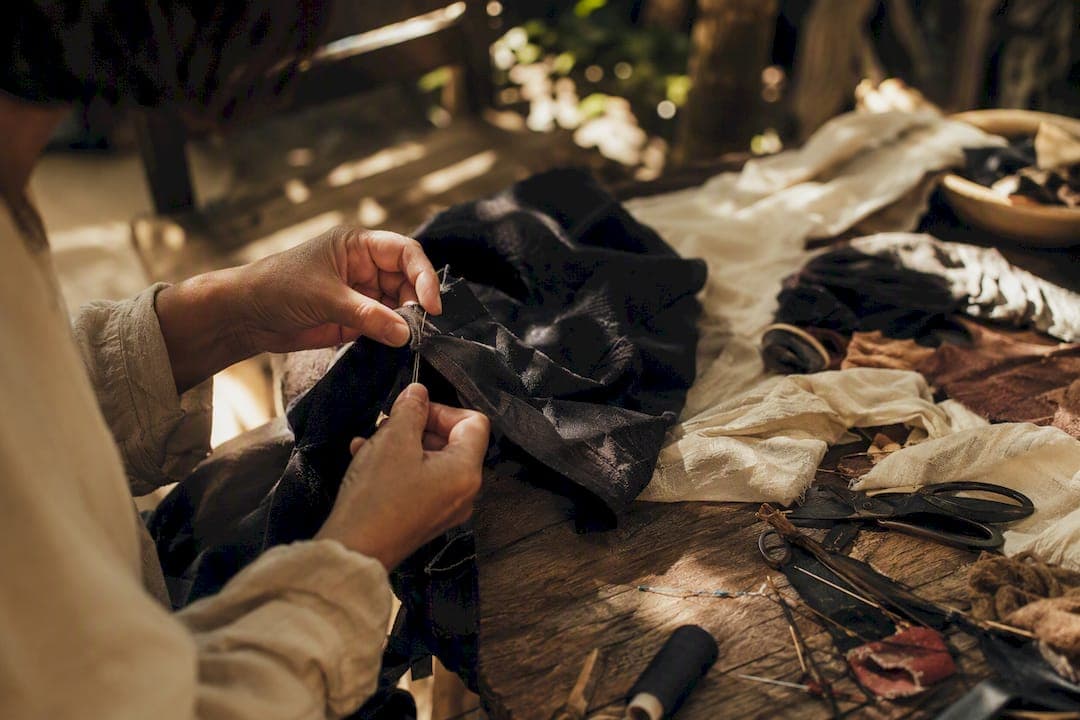
Small-batch clothing delivers measurable benefits across three areas: it reduces environmental waste, it produces better-made garments, and it protects fair labor practices through supply chains you can actually trace. The trade-off is real too: you'll pay more per piece and wait longer for it to arrive.
Here's what small-batch actually gets you:
- Lower environmental footprint through reduced overproduction and shorter supply chains
- Better construction and materials thanks to hands-on quality control at every step
- Fairer labor conditions because smaller operations are easier to audit and manage ethically
- Personalization and exclusivity through limited releases you won't see on every rack
- Community connection with the artisans and makers behind your clothes
The nuance worth knowing upfront: small-batch pieces cost more and take longer to produce than anything coming off a mass-production line. That's the deal, and it's worth it more often than not.
Key Takeaways
Small-batch clothing production reduces environmental waste, improves construction quality, and supports fairer labor conditions, at the cost of higher prices and longer wait times.
| Point | Details |
|---|---|
| Lower environmental impact | Limited runs cut overproduction and shorten supply chains, reducing waste and transport emissions. |
| Stronger construction quality | Individual inspection and fabric-specific machine calibration improve stitch and seam durability. |
| Verifiable ethical practices | Smaller supply chains make fair wages and safe conditions easier to confirm and audit directly. |
| Real trade-offs exist | Expect higher per-unit costs and longer lead times compared to mass-produced garments. |
| Senanukunu applies these principles directly | Limited-quantity artisan partnerships reduce leftover stock and support ethical, traceable manufacturing. |
Table of Contents
- What Small-Batch Clothing Actually Means
- Environmental Benefits: Less Waste, Smaller Footprint
- Why Small-Batch Garments Often Last Longer
- Ethical Benefits: Transparency You Can Actually Verify
- Business and Consumer Benefits of Going Small
- Small-Batch vs. Mass Production vs. Slow Fashion
- The Real Costs and Trade-Offs of Small-Batch Production
- How Brands Actually Plan a Small-Batch Run
- How Sena Nukunu Applies Small-Batch Principles
- What to Check Before You Buy Small-Batch Clothing
- Why Small-Batch Is More Than a Trend to Me
- Ready to Shop Small-Batch, West African-Inspired Fashion?
- Frequently Asked Questions
- Sources
What Small-Batch Clothing Actually Means
Small-batch clothing means producing garments in limited runs rather than the thousands-of-units-per-style approach that defines mass manufacturing. There's no universal number that marks the cutoff, and any brand claiming an exact global standard is oversimplifying. What matters is the intent: small runs let a maker control quality, test designs, and avoid producing more than the market wants.
The three production models break down like this:
- Small-batch: Limited runs, moderate lead times, higher cost per unit, strong quality control, room to adjust between runs.
- Mass production: High-volume runs, fast turnaround once tooling is set, lowest cost per unit, quality consistency depends heavily on automated checks rather than human eyes.
- Bespoke/custom: Single-unit or made-to-order, longest lead times, highest cost per unit, complete customization.
Brands choose small batches for a specific reason: it lets them test a design's popularity, catch construction flaws before they multiply across thousands of units, and hold onto the kind of craft oversight that small-batch fashion production simply makes easier to maintain.
Environmental Benefits: Less Waste, Smaller Footprint
Overproduction is the fashion industry's biggest environmental liability. Fast fashion's reliance on churning out volume, regardless of actual demand, drives much of the sector's environmental harm through excess resource use and textile waste that ends up in landfills. Small-batch production sidesteps that problem at the source: you make what you can reasonably sell, not what a forecasting algorithm guesses you might.
Shorter supply chains compound the benefit. When a brand sources fabric locally or regionally and works with a handful of manufacturing partners instead of a sprawling global network, transport emissions drop and packaging tends to shrink too. Smaller operations can also afford to choose better materials since they're not buying at the volume that locks brands into whatever's cheapest at scale.
Statistic Callout: A meaningful share of shoppers in the United States engaged with a product drop, flash sale, or private sale within the past month, based on Shopify's research on limited-release behavior. Limited-run models aren't just an ethical stance. They match how people already shop.
Here's what that shift looks like in practice:
- Reduced dead stock sitting in warehouses or heading to landfill
- Fewer resources spent producing garments nobody buys
- Shorter, more trackable supply chains with lower transport emissions
- Room to select higher-quality, lower-impact materials without scale pressure
Pro Tip: Check a brand's product page for restock language. If a piece says "limited quantity, won't be restocked," that's often a real signal of small-batch planning rather than manufactured scarcity marketing.
Why Small-Batch Garments Often Last Longer
Quality control looks completely different when you're producing 50 units instead of 5,000. On a small run, machines get calibrated to the specific weight, weave, and drape of that fabric batch, which tightens stitch tension and seam integrity in ways a high-speed mass line rarely matches. Every piece can get a visual inspection before it ships, catching flaws that would otherwise slip through on an assembly line moving too fast for a human eye to keep up.
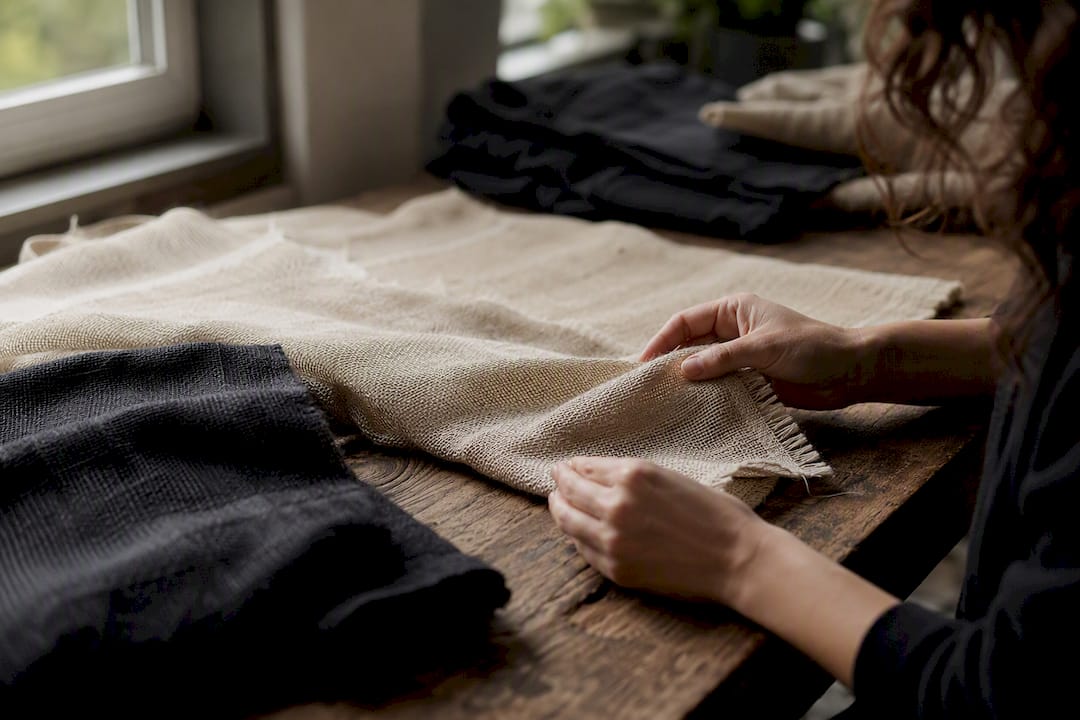
Material selection benefits too. Smaller operations aren't locked into bulk-order minimums that push them toward the cheapest fabric available. That flexibility means better-feeling textiles, sturdier trims, and finishing details, like properly bound seams or reinforced stress points, that mass lines skip to save seconds per unit. Small-batch manufacturing's consistency advantages come directly from this individual attention.
Before you buy, run a garment through this checklist:
- Check seams for even, tight stitching with no loose threads
- Look inside for finished (not raw) seam edges
- Test buttons, zippers, and closures for secure attachment
- Feel the fabric weight, does it match what's described online?
- Look for a country-of-origin label and any maker information
Pro Tip: Turn the garment inside out before buying. The inside tells you more about construction quality than the outside ever will.
Ethical Benefits: Transparency You Can Actually Verify
Smaller supply chains are easier to see into. When a brand works with one workshop or a small cluster of artisans instead of subcontracting across a dozen anonymous factories, it becomes practical to audit conditions, verify wages, and know exactly who made a piece. That kind of visibility is central to what transparency-focused organizations push the whole industry toward.
Fair wage negotiation gets easier at smaller scale too. A brand working directly with a handful of makers can build a real relationship and adjust terms as needed. A brand buying from a dispersed network of subcontracted factories has far less leverage or insight into what happens on the factory floor.
Fashion Revolution's transparency initiatives point to a consistent pattern: smaller, traceable supply chains create the visibility that oversight and accountability actually require. You can't hold a supply chain accountable if you can't see into it.
Small-batch models make ethical claims verifiable rather than aspirational:
- Direct relationships with a known number of makers or workshops
- Practical ability to visit, audit, or communicate with suppliers
- Clearer accountability when something goes wrong in production
- Less incentive to hide labor conditions behind subcontracting layers
Business and Consumer Benefits of Going Small
Small batches lower financial risk for brands. Producing 50 or 100 units instead of thousands means testing a design's popularity without betting the whole season on it. If a piece flops, the loss is contained. If it sells out, the brand has real data before committing to a bigger run.
For shoppers, that same model creates advantages that mass retail can't replicate:
- Genuine exclusivity, not everyone on your block owns the same dress
- Personalization options that scale wouldn't allow
- Stronger customer service since the brand isn't managing thousands of daily orders
- A real sense of connection to the people and story behind the piece
Limited drops turn buying into an event rather than a transaction. A well-planned limited-edition launch builds anticipation, and consumer engagement research backs this up: shoppers reliably return for drops, flash sales, and private releases, which gives smaller brands a way to compete on excitement instead of volume.
Small-Batch vs. Mass Production vs. Slow Fashion
Each production model optimizes for something different, and none of them wins on every dimension.
| Dimension | Small-Batch | Mass Production | Slow Fashion (Bespoke) |
|---|---|---|---|
| Quality/craftsmanship | High, hands-on inspection | Variable, automated checks | Highest, fully custom |
| Sustainability | Lower waste, shorter chains | Higher overproduction risk | Lowest volume, minimal waste |
| Ethical labor/transparency | Easier to audit and verify | Harder to trace across subcontractors | Highest, often single-maker |
| Cost per unit | Moderate to high | Lowest | Highest |
| Lead time/scalability | Moderate, limited scale | Fast at volume, slow to change | Slowest, not scalable |
| Customization/flexibility | Some flexibility between runs | Minimal, locked at design stage | Full customization |
Small-batch sits in a practical middle ground: better ethics and quality than mass production, more scalability than one-off bespoke work.
- Mass production wins on price and speed, loses on traceability and waste control
- Slow fashion/bespoke wins on customization, loses on cost and availability
- Small-batch balances quality, ethics, and reasonable accessibility without mass production's overproduction problem
The Real Costs and Trade-Offs of Small-Batch Production
None of this comes free, and pretending otherwise does readers a disservice. Small-batch garments cost more per unit because fixed costs like patternmaking, sample runs, and machine setup get spread across far fewer pieces than a mass-production line would use to absorb them.
Lead times run longer too. A small workshop can't turn around a run as fast as an automated factory built for volume, and sourcing smaller fabric quantities sometimes means working with fewer supplier options.
Here's what typically drives the price and timeline differences:
- Higher per-unit cost, since fixed setup costs divide across fewer garments
- Longer lead times, often weeks rather than days, for design-to-delivery
- Limited restock flexibility if a style sells out unexpectedly
- Smaller fabric orders that can mean fewer color or pattern choices
Cost Range Note: Exact pricing varies by fabric, region, and complexity, but expect small-batch pieces to run noticeably above comparable mass-market items, often reflecting the added labor of individual inspection and finishing rather than markup for its own sake.
Pro Tip: If lead time matters to you, ask a small-batch brand about their production calendar before you order. Brands that plan drops seasonally can often tell you exactly when the next run ships, even if it's not in stock today.
How Brands Actually Plan a Small-Batch Run
Producing a small-batch collection follows a fairly consistent sequence, whether it's a solo designer or an established label.
- Design and prototype the piece, refining fit and construction through multiple samples.
- Source fabric in quantities that match the intended run size, often the hardest step for very small orders.
- Calibrate machines to the specific fabric weight and weave for that batch.
- Produce a sample run to catch fit or construction issues before committing to the full batch.
- Conduct quality control through individual inspection of each finished piece.
- Complete the final run, packing and shipping in the limited quantity planned from the start.
Minimums vary by manufacturer, and lead times typically stretch from several weeks to a couple months depending on complexity. Negotiating room usually exists around sizing breakdowns and colorways more than total unit count, since manufacturers often have a hard floor on minimum order quantity.
Pro Tip: Send manufacturers a physical fabric swatch and a clear spec sheet before your first sample run. Miscommunication over material weight is one of the most common reasons first samples come back wrong.
How Sena Nukunu Applies Small-Batch Principles
Senanukunu builds every collection around limited quantities, working directly with artisans to produce ready-to-wear dresses, kaftans, agbada sets, and statement pieces rooted in West African heritage. Instead of chasing mass-market volume, the brand partners with skilled makers on runs sized to sell through completely, which keeps leftover stock low and quality attention high on every piece.
That approach shows up in practical outcomes: fewer unsold garments, closer relationships with the artisans behind each design, and shoppers who return specifically because a piece won't be everywhere.
Limited quantities aren't a marketing tactic here. They're the natural result of working directly with artisans who craft pieces with intention rather than racing a production line.
- Direct artisan partnerships instead of anonymous subcontracted factories
- Limited-quantity runs that reduce leftover inventory
- Ethical manufacturing choices built into sourcing decisions from the start
Browse the current Senanukunu collection to see these principles reflected in the pieces themselves.
What to Check Before You Buy Small-Batch Clothing
Not every brand claiming "small-batch" is telling the full story. A few checks separate the real thing from a marketing label.
Look for these product cues first:
- Finished, reinforced seams rather than raw edges
- Clear country-of-origin or maker information on the label
- Fabric that matches its online description in weight and texture
- A visible or stated repair policy for future wear and tear
Then ask the brand directly: What's your typical lead time? Do you disclose where garments are made? Will you repair a piece if a seam fails?
Watch for these red flags: vague or missing sourcing information, no stated production quantities, and pricing that matches mass-market retailers despite "small-batch" language on the label. Real small-batch production shows up in the details, not just the marketing copy, a lesson worth remembering the next time a handcrafted dress catches your eye online.
Why Small-Batch Is More Than a Trend to Me
Small-batch production connects to something bigger than manufacturing logistics for me. Every limited run represents an artisan's time, a story worth telling, and a refusal to treat clothing as disposable. That belief shapes which pieces make it into a collection and which manufacturing partners get chosen in the first place.
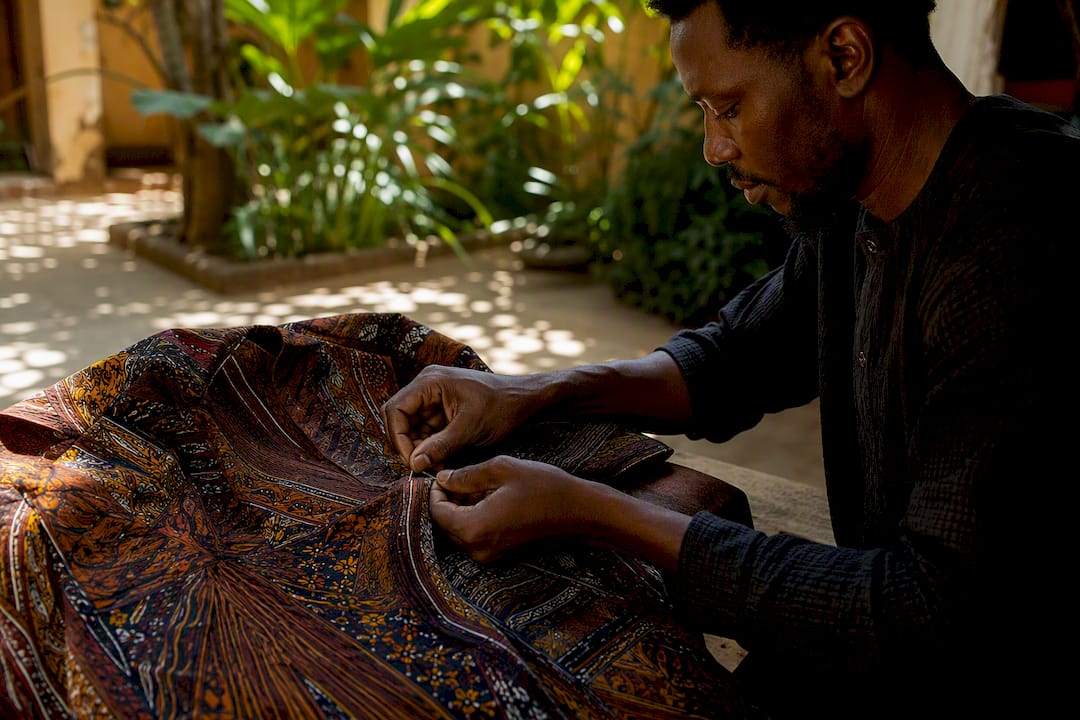
It's not about scarcity for its own sake. It's about making sure the person who sewed a garment had fair conditions and real skill recognition, not just a line item in a factory ledger. If you want to see what that looks like in practice, Senanukunu's collection is the clearest example I can point you to.
Ready to Shop Small-Batch, West African-Inspired Fashion?
Senanukunu offers limited-quantity ready-to-wear and custom pieces, dresses, kaftans, agbada sets, and statement jackets, crafted by artisans who bring West African heritage into every stitch.
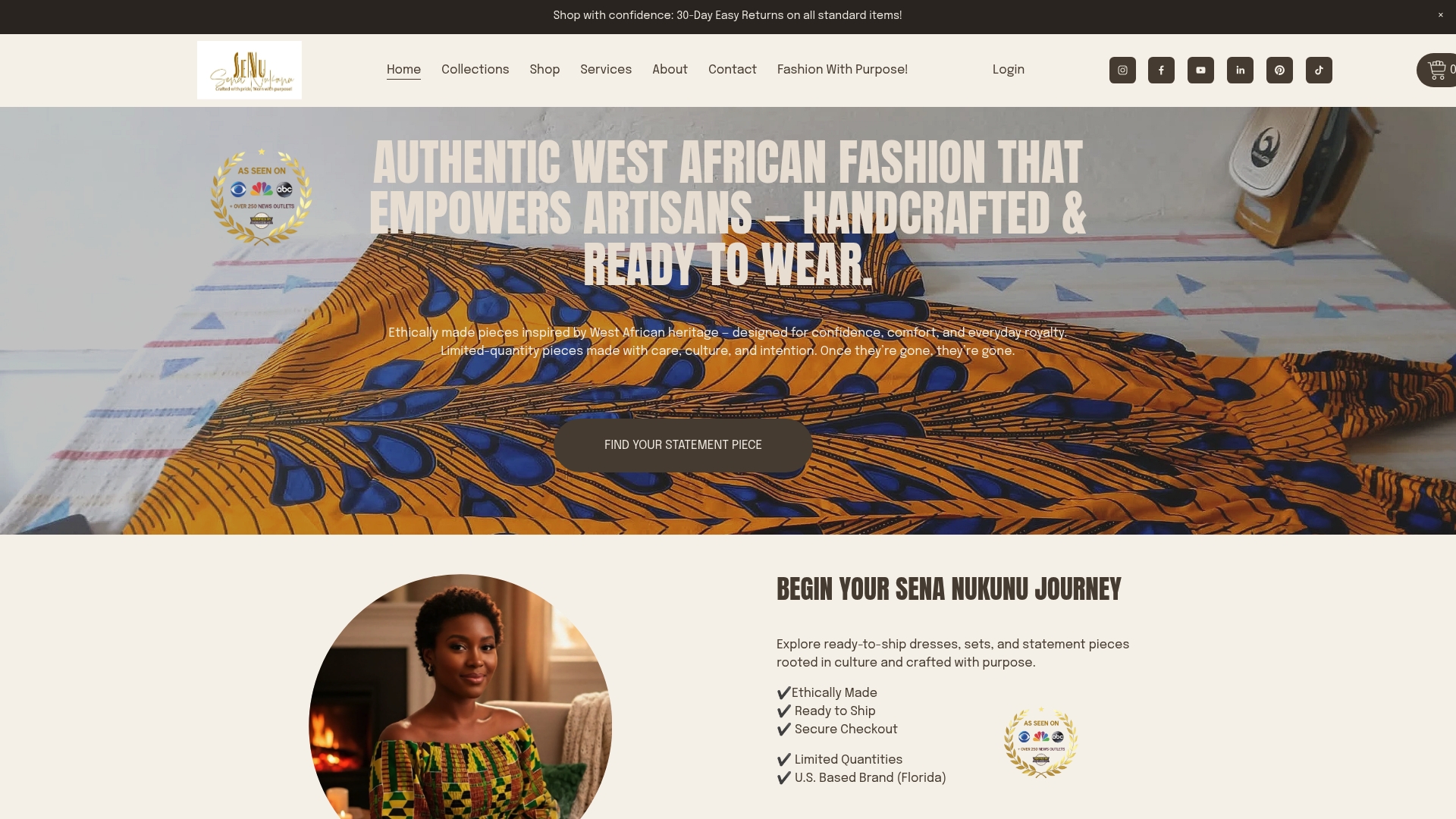
Every principle covered here shows up in how these pieces get made: limited runs that keep quality control tight, direct artisan partnerships instead of opaque subcontracting, and a supply chain small enough to stand behind. You won't find mass-market volume here, and that's intentional. What you'll find is craftsmanship you can trace back to the person who made it and a piece unlikely to show up on the next five people you see.
Browse the current collection at Senanukunu to find a piece for an upcoming celebration, gift, or simply to add something with real story behind it to your closet. New limited drops move quickly, so check current availability before a size or style sells out.
Frequently Asked Questions
What counts as small-batch clothing? Small-batch clothing refers to garments produced in limited runs rather than high-volume manufacturing. There's no fixed universal quantity that defines it, but the model prioritizes quality control and reduced overproduction over maximum output.
Is small-batch clothing actually more sustainable? Yes, in measurable ways. Limited runs reduce the overproduction that drives much of fast fashion's environmental harm, and shorter supply chains typically mean lower transport emissions and less packaging waste.
Why does small-batch clothing cost more? Fixed production costs like patternmaking and machine setup get spread across fewer units, raising the per-piece price. You're also paying for individual quality inspection that mass production skips.
How long does it take to receive a small-batch order? Lead times vary by brand and complexity but often run several weeks longer than mass-market shipping, since small workshops can't match the turnaround speed of automated factories.
Does small-batch guarantee ethical manufacturing? Not automatically. Small-batch production makes ethical practices easier to verify and audit, but shoppers should still confirm sourcing transparency and labor conditions directly with the brand rather than assuming small scale equals fair treatment.
Sources
- Limited-drops and consumer behavior (Shopify)
- Benefits of small-batch manufacturing for garment consistency (Fashion Sustainability Directory)
- Earth